
Updated King County Critical Area Ordinance enhances protection for environmentally important areas while supporting housing and commercial agriculture

Crossposted from King County Local
King County has completed a major update of its regulations for developing land near wetlands, streams, and other critical areas. Created through three years of research, planning, and public discussion, the updated King County Critical Area Ordinance is a set of land use regulations intended to safeguard environmentally critical areas, communities, and infrastructure. The King County Council adopted the final ordinance in December.
The term “critical area” refers to land that merits special protection because of its ecological value or importance to public health or safety. Examples include wetlands, streams, areas next to rivers, fish and wildlife habitat conservation areas, areas that are frequently flooded, and critical aquifer recharge areas. The term also covers geologically hazardous areas, including those at risk for landslides, erosion, and seismic hazards.
Learn more, including when the ordinance becomes effective, frequently asked questions, next steps, and updated permitting guidance, on the King County Local Blog.
Share this:

King County’s new recycling and transfer station in Algona nears completion and features improved water quality, restored habitat

When the South County Recycling and Transfer Station in Algona opens this summer to replace its 60-year-old predecessor, customers of King County’s newest solid waste facility will find convenient waste disposal and a wide range of recycling options.
Built with a focus on sustainability and environmental stewardship to ensure long-lasting service for communities in and around Algona, Auburn, Federal Way and Pacific, this new station will feature separate disposal areas for commercial garbage haulers and public self-haul customers. Read more.
Share this:

Healthy beginnings start with educators: Inside the Child Care Health Program
Crossposted from Public Health Insider
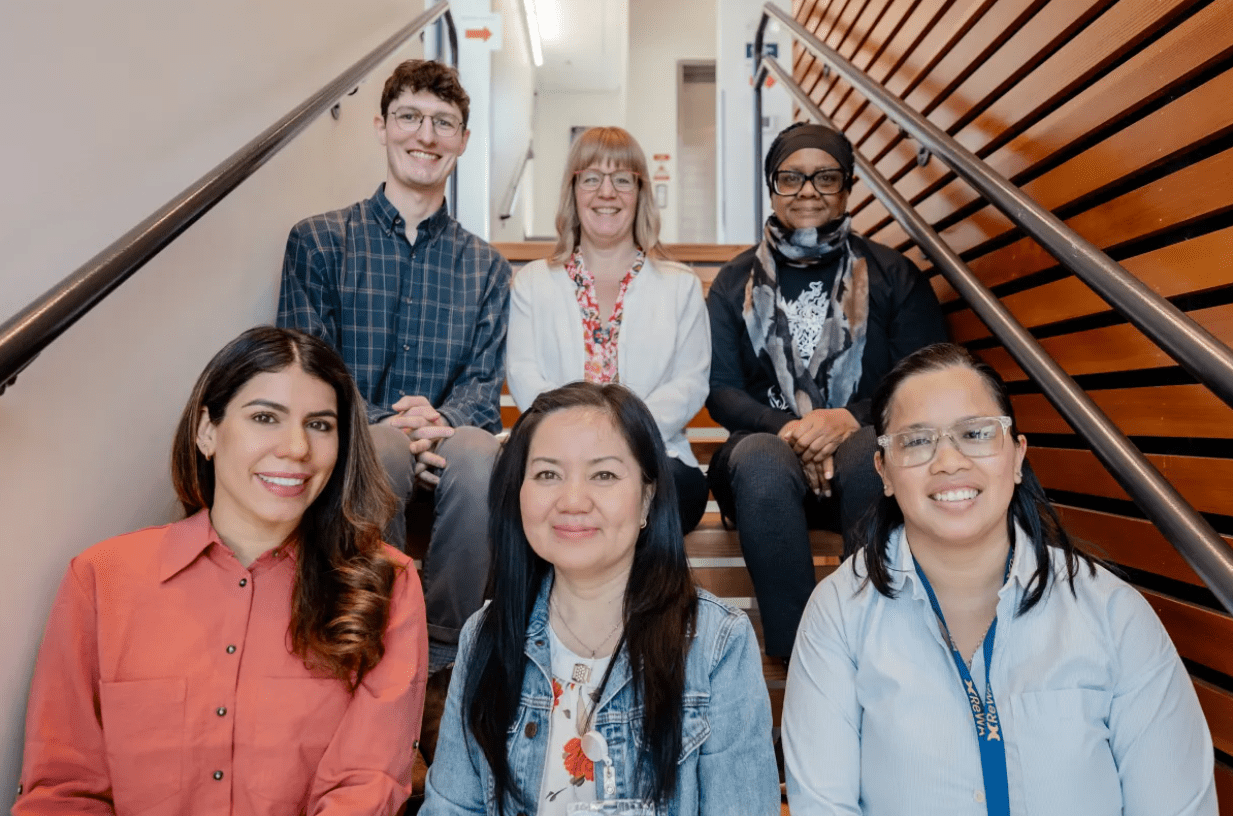
In classrooms across King County, public health is at work: though not always in the ways you might expect. It’s happening in quiet moments of partnership with early learning educators, through culturally responsive tools and trainings, supported by a dynamic and dedicated team focused on children’s well-being from the very beginning. This is the work of the Child Care Health Program (CCHP) at Public Health – Seattle & King County.
Meeting educators where they’re at
Every parent wants to know their child is safe, and every educator wants to feel ready to provide that safety, whether its keeping classrooms clean and healthy day to day or knowing what to do in an emergency. That is where the Child Care Health Program (CCHP) steps in. With a dedicated team of nurses, mental health clinicians, a nutritionist, and educator consultants, the CCHP works alongside providers to make sure every child has a caring, supportive place to learn and grow. Read more.
Share this:

Join the redesigned King County Mentorship Program
The King County Mentorship Program has officially relaunched with a refreshed six-month experience designed to empower employees to build relationships that ensure our collective progress.
We are looking for committed mentors who are ready to guide and support mentees as they take ownership of their growth and development.
What to do next: Visit the Mentorship Program intranet page to:
- Learn about the six-month program
- Complete your role-specific e-learning
- Attend the role-specific kickoff sessions in March
- Explore the new Mentorship Guide and other resources
Your new journey starts here. Join the relaunched Mentorship Program and help shape the future of King County together.
Share this:

Executive releases recommendations of 100-member Transition Committee

King County Executive Girmay Zahilay has released the report of Transition Committee Recommendations developed by the 100 community members who participated in his Transition Committee in December 2025.
“King County residents have delivered a Transition Committee report with policy recommendations for short and long-term actions that our new administration can take,” Executive Zahilay said. “Over the coming months you will see us advancing many of these actions, which primarily focus on the 4Bs: (1) “Breaking the Cycle” of homelessness, addiction, trauma, and incarceration, (2) “Building for Affordability” the housing, childcare, and transit that our growing region needs, (3) putting “Boots on the Ground” for more customer and community service, and (4) advancing “Better Government” services through fiscal responsibility, transparency, accountability, and equity.”
The Committee was asked to use the framework of the Executive’s “4Bs for a Brighter Future” in developing the report, with members organized into subcommittees aligned with the 4Bs. You can read the full report here.
Share this:

Discounts available through TicketsatWork: Discount flight reservations and TurboTax

King County employees get access to exclusive discounts and deals through ticketsatwork.com.
Discount flight reservations: Save up to 20% on flights with special, negotiated rates and substantial savings. Learn more here.
Save an extra 20% on TurboTax Full Service: King County employees can save an extra 20% on TurboTax Full Service through TicketsatWork. Learn more and view full offer terms.
TicketsatWork is updated daily with seasonal offers and exclusive savings on everything from home entertainment to your everyday needs. Visit ticketsatwork.com/tickets and use the company code KingCounty to begin receiving discounts and extra special offers on your go-to brands and most-loved experiences, including brand new offers on cruises, just in time for spring travel.
See all available discounts on the Employee Discount intranet page.
Share this:

Records Management reminder: Managing records saves us money

Did you know that managing records saves money for King County? One of the key features of good records management is the process of legally disposing of records and information that we do not need to retain. Disposing of records has a direct impact on the money we spend and allows us to achieve one of our county’s values of being responsible stewards. It also directly supports Executive Zahilay’s policy goal of Better Government.
- Less staff time spent on searching for and responding to Public Records Requests, or locating records needed for other business reasons,
- Less IT staff time and resources spent on storing and backing up data,
- Less risk of fines or other citations for failing to comply with the Public Records Act or in litigation,
- And more!
There are many ways that you can contribute to the effort of saving the county money:
- Identify and delete transitory records
- File inactive electronic records to Content Manager (CM)
- Follow any records management best practice or guidance
For more information, visit the County Records and Information Management Program’s website or contact them at records.management@kingcounty.gov. The County Records and Information Management Program (CRIMP), in the Department of Executive Services, provides guidance, resources, and training to all King County employees to assist them with managing King County’s public records according to state and local legal requirements and best practices.
Share this:

DCHS-led Health Through Housing initiative hits major milestone
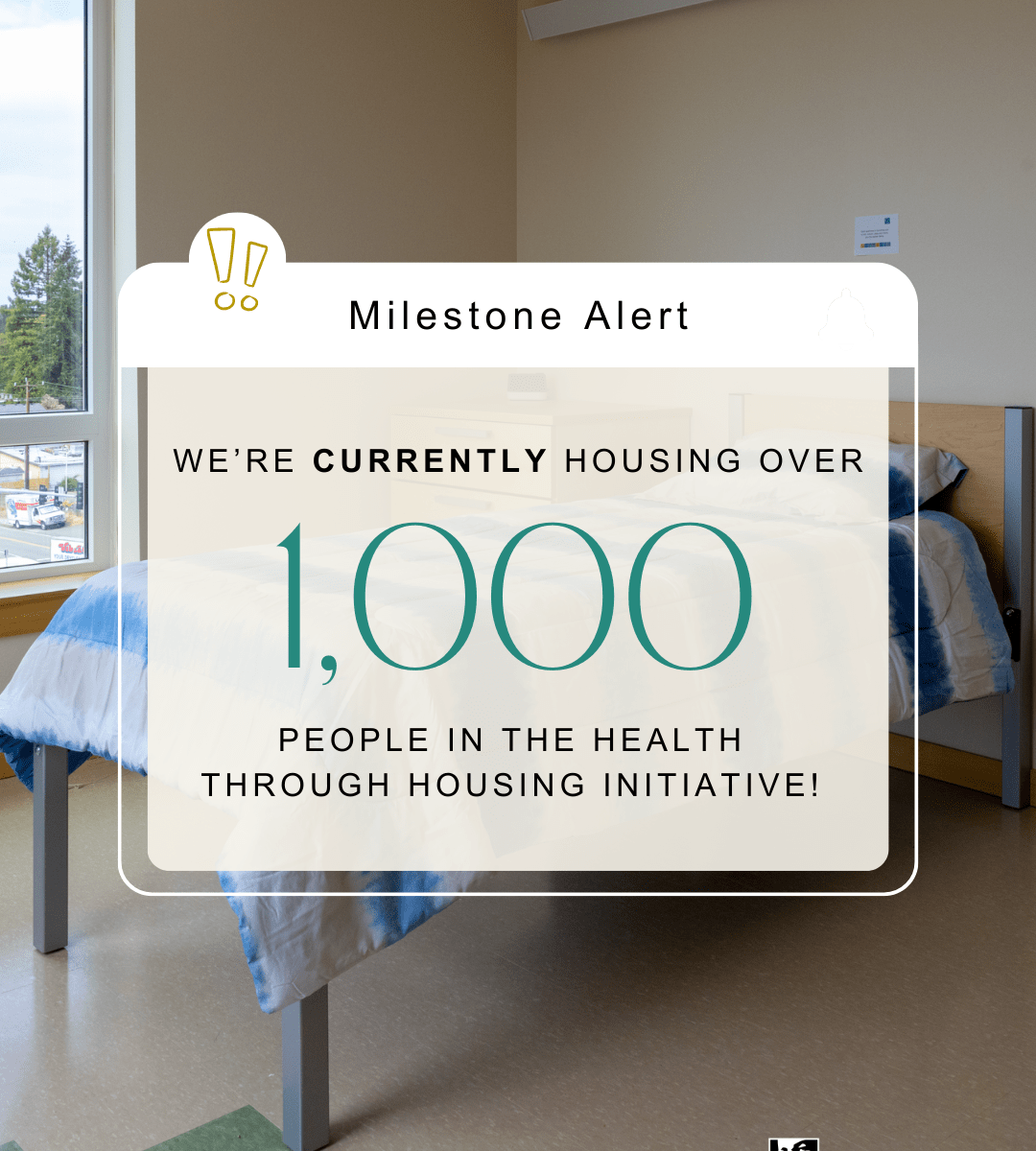
King County’s Health Through Housing (HTH) initiative is currently housing over 1,000 formerly homeless King County residents, a major milestone! This effort, within the Department of Community and Human Services’ (DCHS) Housing and Community Development Division, is a critical part of King County’s efforts to end homelessness through emergency and permanent supportive housing. The initiative combines stable housing with onsite services, which has been shown to improve residents’ health and keep them in the communities they call home.
The HTH team opened multiple sites in the past few months and are continuing to move people in, ending their experience of chronic homelessness. A special thank you to the Facilities and Management Division for their continued partnership and dedicated work making this happen. You can learn more about this impactful program on the Heath Through Housing website, and in a recent blog about the new, life-changing Booker House in Federal Way. Way to go, Health Through Housing team!”
Share this:

New “Deputies with Dogs” campaign underway for the underdogs

Crossposted from the DES Express
Regional Animal Services of King County (RASKC) and the King County Sheriff’s Office (KCSO) have launched a new “paw-tnership” to help spread the word about animals in need of homes. A recent photo shoot, with results posted on social media, highlighted “Papa,” a nine-year-old German Shepherd who is currently in a foster home.
“RASKC is always looking for opportunities to expand our presence and showcase the animals we have,” said Valerie Orsi, assistant manager for operations at RASKC. “With this collaboration, the intent is to feature the animals that might be in foster care, the older ones, and maybe even the ones that might struggle to show their true personalities in their kennel.” Read more.
Share this:

VIDEO: A unique salmon recovery partnership in King County has proven to be an effective model for collective impact
Crossposted from King County Field Notes
Twenty-five years after creating a first-of-its-kind regional partnership for salmon recovery, King County and a coalition of partners are celebrating progress and renewing the alliance for another decade.
The partners have so far reconnected 730 acres of floodplain, completed 719 salmon recovery projects, and planted native vegetation in nearly 1,500 acres of riparian areas while also improving water quality, reducing flood risks, and expanding public access to greenspace. They are achievements that would have been nearly impossible without the agreement signed in 2000 that unified investments and aligned actions across jurisdictional boundaries. Read more.






 Employee News