
Executive Constantine discusses new labor agreement, importance of strong partnerships in article
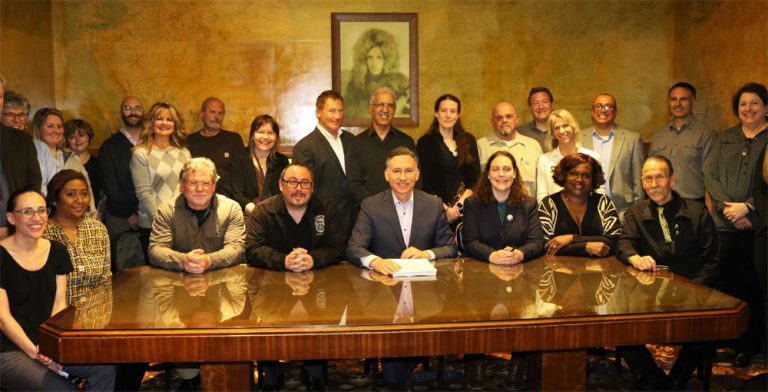
King County Executive Dow Constantine signed a new two-year Total Compensation Agreement this week with leaders of the King County Coalition of Unions representing nearly half of the County’s 14,000 employees, and penned an op-ed article in the Washington State Labor Council’s TheStand.org publication about the agreement.
In the article the Executive talks about significance of the agreement, its key elements, and the importance of King County’s strong relationship with labor.
“I appreciate the value that unions bring to their members and to the broader community,” Executive Constantine wrote. “Our employees are the backbone of our organization. They choose public service because they want to make a difference in their community. Our role is to work together as partners, even when it is across the negotiating table, so we can provide compensation and a workplace culture that supports them.” Read the full op ed.
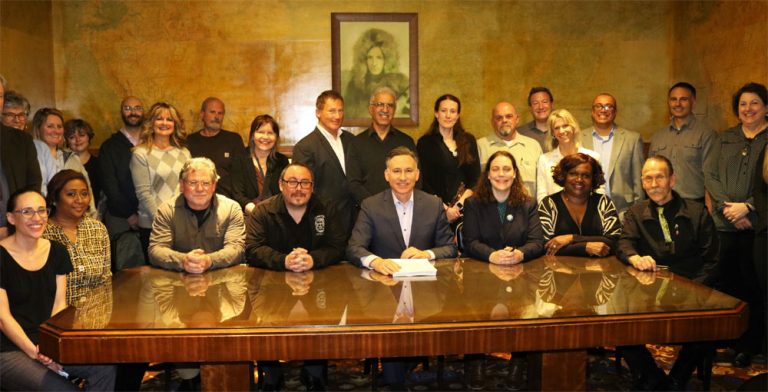
Pictured: Executive Dow Constantine, administration officials, and labor leaders in the King County Coalition of Unions at the April 9 signing ceremony.
Share this:

Employee Transportation Program makes it easy to get around

 King County employees are saving time and money while reducing traffic congestion and carbon emissions by making the most of their Employee Transportation Program benefits.
In January 2019 alone, almost 7,300 employees used public transit at least once, saving money on gas, parking costs, and wear-and-tear on their personal vehicles. Last year King County employees took more than 2.2 million transit trips across 12 transit services, saving $3.5 million in fares.
“Over time, the Employee Transportation Program has been adding more services so County employees have even more choices to commute to work, go to a game, or run an errand,” said Hossein Barahimi, Employee Transportation Program Manager. “Most recently, Link Light Rail, Sounder Trains, and Kitsap Fast Ferry have been providing reliable commute services for employees, decreasing commute times, increasing flexibility, and improving work/life balance. During the past five years, our employee transit ridership has grown three-percent each year.”
Employees’ identification badges double as their ORCA Transit Pass, making it easy to carry while providing what amounts to a $2,400 annual benefit, as a comparable transit pass would cost $200 per month retail.
King County employees may travel on buses, Kitsap foot ferry and fast ferry, Sounder train, water taxi, street car, light rail, and Trailhead Direct for free. In addition, if an employee joins a Vanpool for commuting, their King County ID/ORCA badge covers $65 per month toward their vanpool fare.
For employees working outside of Seattle who carpool, bike, or walk to work there is a special incentive program that allows them to earn a monthly $20 REI or gasoline gift card. Employees who carpool, bike, or walk to work for at least 11 days each month and who use this mode for more than half their commute miles would qualify.
 “I feel it is appropriate that we all recognize and appreciate the fact that ETP would not have been able to provide all these extra services and commute options to employees free, if it wasn’t for the leaders we have in King County,” said Hossein. “Our leaders have been supportive of our program and they have been providing the funds necessary so employees have more commute choices.”
According to the American Public Transportation Association, taking public transit is good for your wallet. “The average household spends 18 cents of every dollar on transportation, and 96% of this goes to buying, maintaining, and operating cars, the largest expenditure after housing,” APTA reports. “A household can save nearly $10,000 per year by taking public transportation.”
Find out more about your transit options at the Employee Transportation Program website.
Share this:

Professional development program encourages employee success and workplace development

 The Professional Development Scholarship Fund is a new opportunity for employees to learn new skills and further their careers. It comes as part of the Investing In YOU initiative, and in collaboration with the King County Coalition of Unions, sets aside available funds for employees who have applied to take training that occurs in 2019.
A one-year pilot program, the scholarship fund comes as a direct result of the annual employee engagement survey. From the 2017 survey, it was noted that employees are passionate about their career growth, and actively seeking ways to develop their abilities. These results helped prompt the County and the Coalition of Unions to come together during Master Labor Agreement negotiations and offer this opportunity for employees to enhance their work related skills.
“We want employees to have the opportunity to develop and learn new skills so they can get better at the job they’re already doing or take their careers in a new direction if that’s their goal,” Whitney Abrams, Chief People Officer said. “The Professional Development Scholarship Fund provides funding so employees can learn, grow, and advance with us.”
The scholarship can award a maximum allotment of $2,500 per qualified employee in 2019 for approved training. Employees who can apply must be career service, civil service or appointed employees who are in the Coalition of Unions who:
- have completed at least one year of full or part time King County employment in a position eligible to receive all county benefits (this includes any time spent in a Term Limited Temporary position); AND
- have completed their initial probationary period, if applicable; AND
- have no documented performance or discipline issues for at least one year from the date of submitting an application form for the Scholarship Fund
Eligible employees can apply online where successful applications will be sent to the Scholarship Review Committee for review. Once chosen, scholarship recipients agree to the program policies and begin the process of attending their desired training.
”One of the key issues that comes up in the annual employee survey is that employees want more opportunities to learn and acquire skills to advance their careers,” Whitney said. ”This fund is a great example of management and labor working together to provide a benefit that is really valued by employees.”
Application deadline dates are throughout the year, with the current opportunity to apply closing Friday, April 12. Awards will then be made by May 10 for training that begins on or after May 17.
King County is working towards creating a workplace where employees are supported to learn, innovate, and grow their career while doing their best work for our community. We are excited to provide development resources such as the Professional Development Scholarship Fund to help employees map out their career path.
For more information visit the Professional Development Scholarship Fund Program webpage or email ScholarshipFund@kingcounty.gov.
Share this:



Youth engagement program provides resources and voice to Latinx students
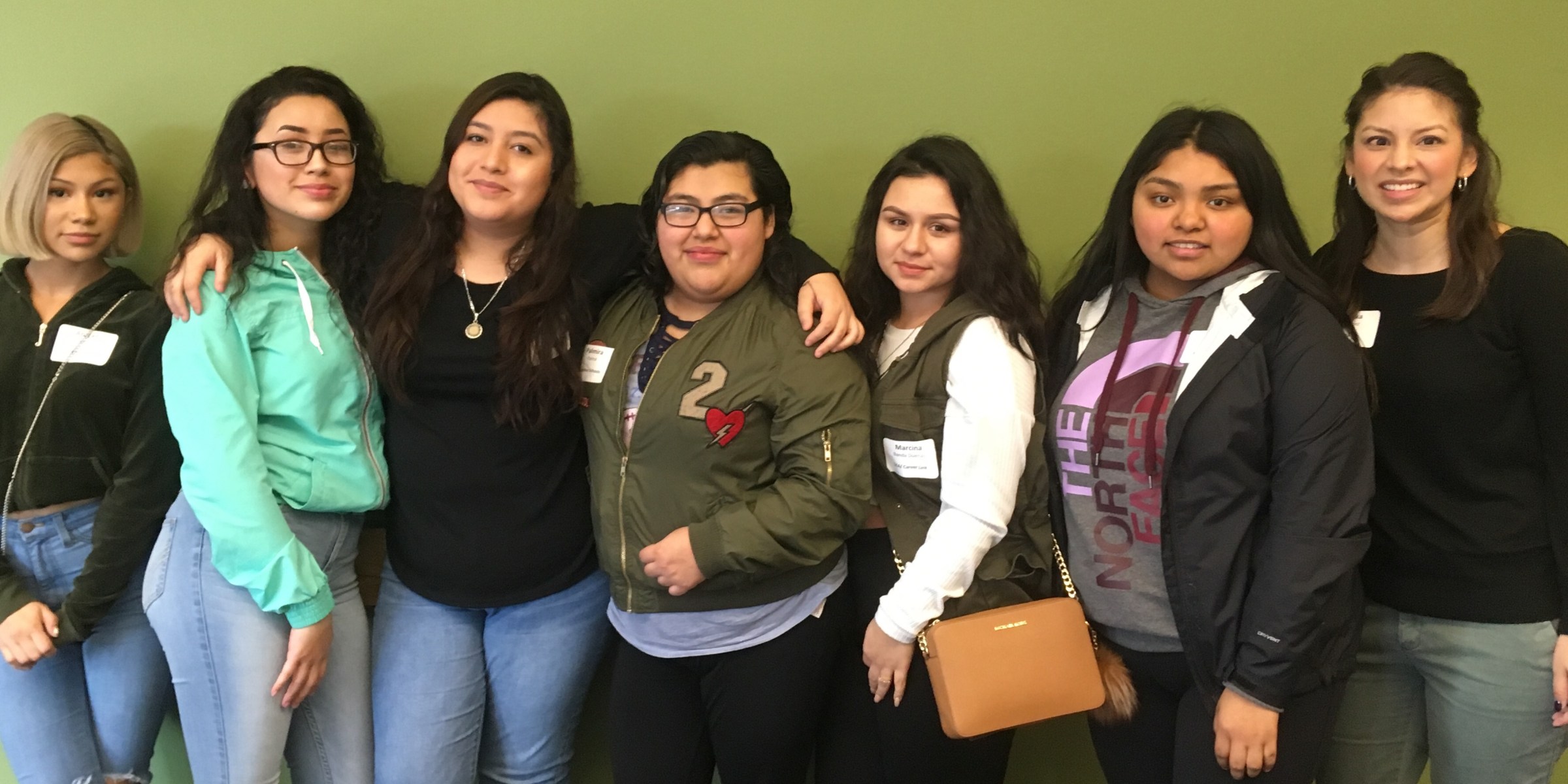
King County is committed to being a place where every person can succeed and fulfil their potential. It is important to further work being done that allows every community here to thrive and have the opportunities it deserves. A current program in the Department of Community and Human Services (DCHS), through the Employment and Education Resources (EER) division, seeks to do this for underserved Latinx youth.
The King County Reengagement System, working closely with the Road Map Project, coordinates with local partners to reduce education and employment disparities faced by youth and young people in King County. As part of this effort, Hannelore Makhani, Reengagement System Manager within DCHS, is overseeing the Latinx Youth Engagement Project. This project seeks to understand how Latinx youth are being served by reengagement programs in King County and how to improve services and increase graduation rates by speaking directly to them and gathering feedback.
“One of my responsibilities is to help the system understand our performance—both areas worth celebrating and places where we need to focus our improvement energy,” Hannelore said.
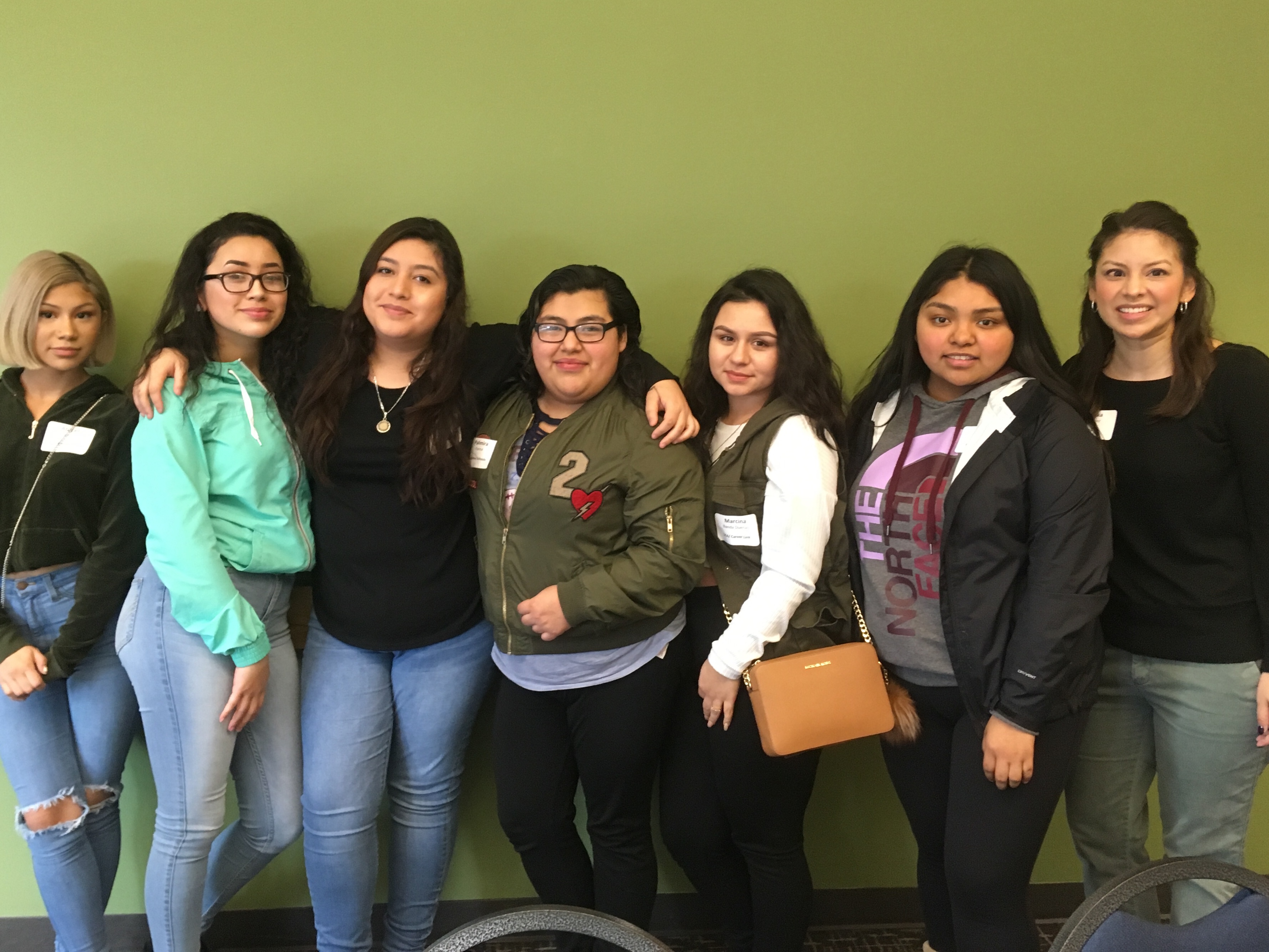
Pictured: Several Latinx youth who participated in the Jan. 2018 listening sessions and then were featured in a panel at the all-day Racial Equity Institute held by King County in February last year.
In 2018, Hannelore held six listening sessions and spoke with over 40 Latinx young people. Themes were identified within their discussions and professional development efforts were launched for staff in hopes of improving youth experience and achievements.
Through analyzing the data submitted by 28 community partners providing education reengagement services over an extended period, Hannelore was able to see the disconnect between services and outcomes. It was discovered Latinx students had the highest need for reengagement when the data was separated out in various ways, including race.
“For over two years now, I have been collecting program outcome data each quarter,” she said. “This is how we uncovered that Latinx students as a whole are so much less likely to graduate than other racial groups in reengagement.”
“Because there are limitations to what information data can provide, the next logical step was to go to young people and ask youth for feedback directly,” she added.
Hannelore explains that many times, service providers look at the data about their services and make assumptions about how to improve them, often at the expense of those receiving the services. The Latinx Youth Engagement Project wanted to avoid that misstep, and hear directly from the youth themselves.
“I have loved this part of the project and the youth have found it empowering as well,” she said.
Now with this feedback and new funding from the Raikes Foundation and United Way of King County to continue the research project, it will move forward with Latinx youth leading it. Hannelore explains they will be trained and conduct at least 30 interviews, learn to analyze the data and communicate the findings with the overall community.
“This project is an example of our commitment to ESJ and to learning how to better serve young people and communities of color,” she said.
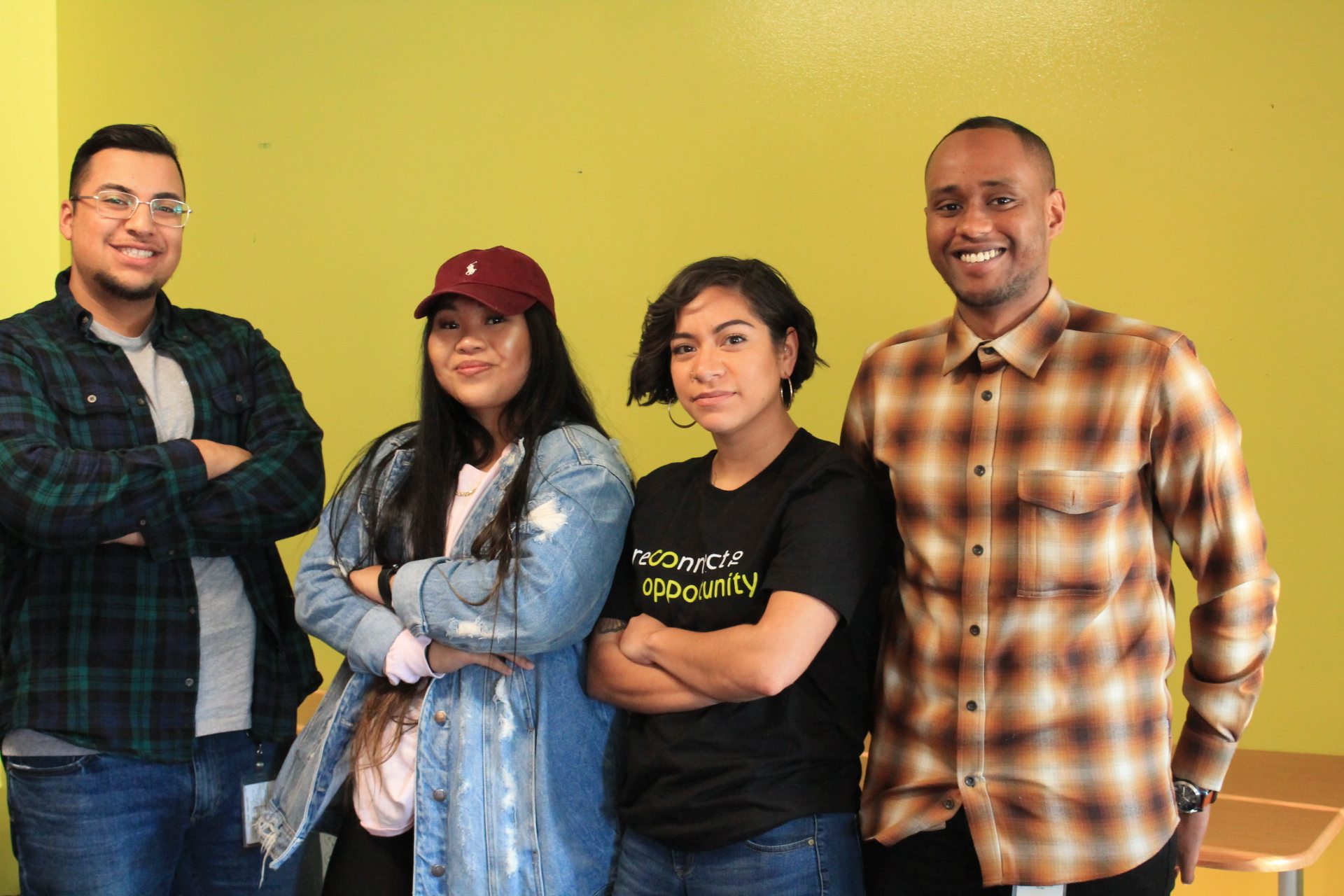
Pictured: Current King County Peer Connectors, whose role is to find disconnected youth in the community and support them in finding education or employment connections that are the best fit for them. From left to right, Omar Aldaco-Silva, Shannen Antolin, Maria Gonzalez, and Mohamed Ahmed.
Within King County there are approximately 11,000 youth between the ages of 16-24 who are disconnected from school and do not have a high school diploma. These young people, who live primarily in south Seattle and south King County, often face exclusion from the many opportunities available in our growing region. Hannelore shares that while it can be challenging to develop programs like this, the work is needed – and ultimately rewarding – as it provides opportunities to those who need it most.
“We know that access to resources gets even more limited based on race,” Hannelore said. “Because of this, we feel strongly that research which allows us to improve upon or create new approaches to education or social services will help historically disenfranchised groups.”
“We can achieve equitable outcomes for young people in King County. It can be done, and this group is small enough that we can do the project, learn from it, and then replicate it to positively impact even more people.”
For information about the Latinx youth Engagement Project, contact Hannelore Makhani at Hannelore.Makhani@kingcounty.gov. To learn more about the Road Map Project visit www.roadmapproject.org.
Share this:

County Council condemns intolerance, supports religious freedom
They are your co-workers, friends and neighbors. They serve in the military, are in law enforcement and work in King County government. They are Muslims, a faith with over 1-billion worshipers, and they are increasingly under attack.
Responding to the growing acts of religious intolerance not only in King County, but around the world, the Metropolitan King County Council condemned acts of violence against those exercising their constitutionally protected right to worship. The proclamation recognizes the killing of 50 worshipers inside two mosques in Christchurch, New Zealand on March 15 by a self-proclaimed white nationalist. Read more.
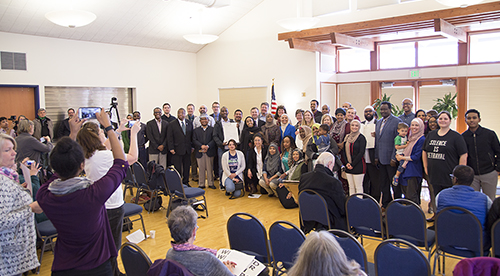
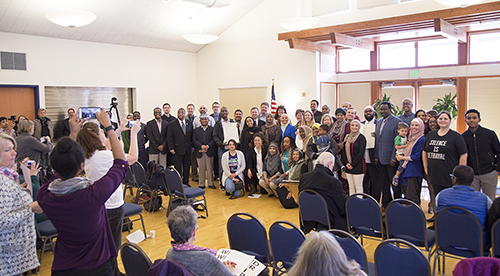
Pictured: Councilmembers join the audience at the Tukwila Community Center after the council read a proclamation condemning both acts of violence against the Muslim community, and religious intolerance against all seeking to exercise their faith
Share this:

Pet of the Week: Kona

 Crossposted from Tails from RASKC
Kona is a 3 ½ year-old, female, black and white, domestic shorthair cat (A527477). Her personality color is RED, meaning she is fun-loving and very spirited! Kona’s previous family described her as adventurous and playful. She may need a little time to warm up to new people, but once she does she is a big sweetheart!
Read more from Tails from RASKC
Share this:

Behind the Robe: Chief Criminal Judge Sean O’Donnell
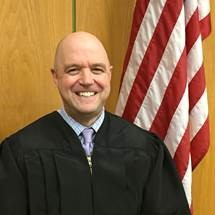
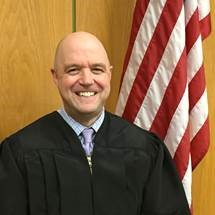 Crossposted from Superior Court’s podcast series.
Not only is he the tallest judge in Washington, he used to be a speech writer at Boeing. Now he presides over the busiest courtroom in Washington State. Every day, sometimes every five minutes, he makes custody and release decisions that impact defendants and our community. Judge Sean O’Donnell’s story.
Share this:

Training Spotlight: Grammar Refresh and Lominger Competency and Skill Assessment

Grammar Refresh, April 10: Confused about grammar and punctuation? This fun, hands-on class will help you master the latest rules, avoid common errors, and write with confidence. We’ll cover apostrophes, verb tense, word usage, subject/verb agreement, commas/semicolons, style guides, how to avoid the 10 most common grammar and punctuation mistakes, and more. Register and learn more.
Lominger Competency and Skill Assessment, July 17: During this class, you will have the opportunity to evaluate your professional skills and generate a list of self-identified competencies that reflect your towering strengths and challenges. Next, based upon the next job you want, you will compare your skills to the Experience, Qualifications, Knowledge and Skills required for your next desired position. Register and learn more.
Share this:

Roads uses survey data to launch Roads Career Academy

King County uses its employee survey results to act on what employees have to say through a process called action planning.
See how the Roads Services Division used its 2017 Employee Survey data to act on a theme that consistently came up among its employees: career development.






 Employee News