
Looking to reduce stress? Try a mindfulness class

Balanced You offers a variety of health and well-being options to support employees so you can feel good, get the most out of life, and do your best work for the people of King County. If you’re looking to reduce stress, give one of our popular mindfulness classes a try. Practice mindfulness at County worksites, online, or in the community. There are still spots available in many upcoming classes. Contact Balanced You with questions at BalancedYou@kingcounty.gov or 206-263-9626.
Share this:

Radio shop star: Ric Myers
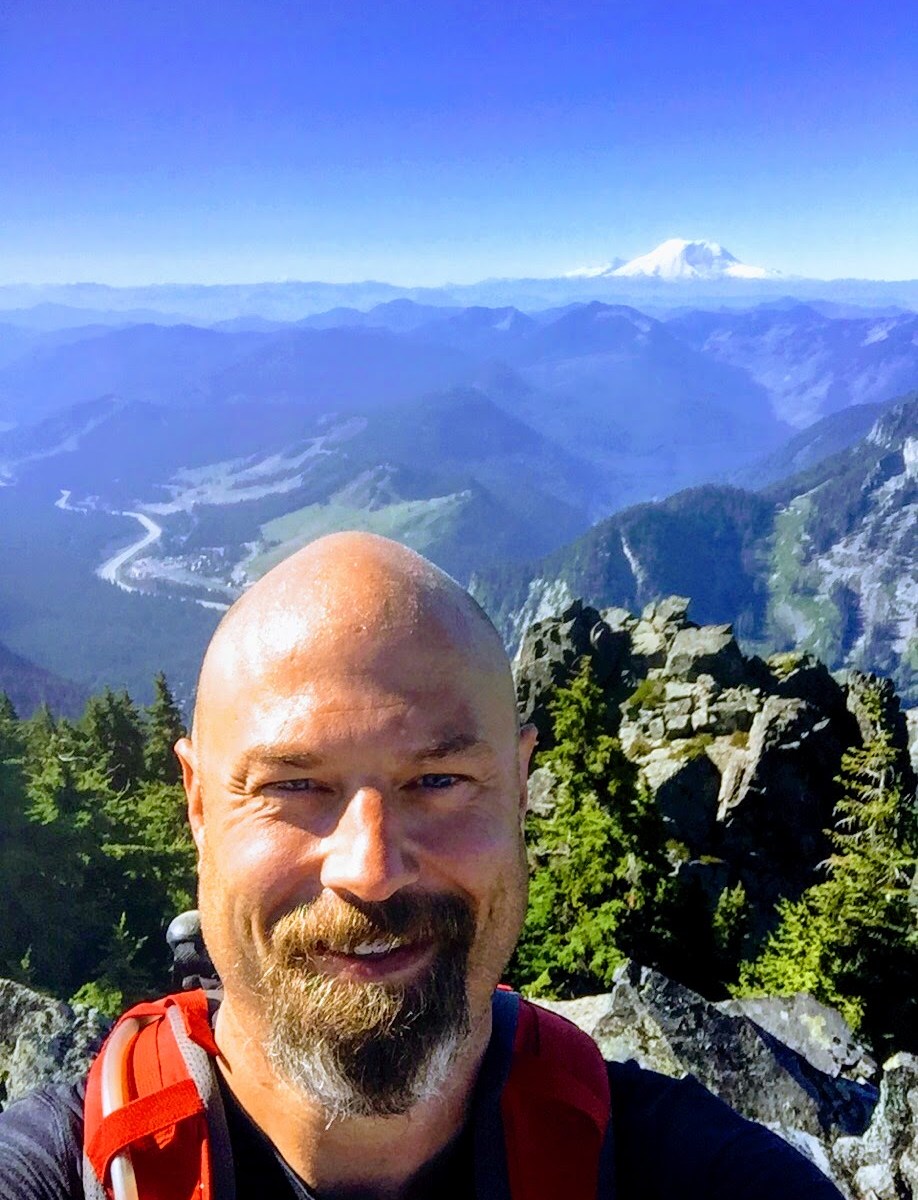
KCIT Electronics Communications Specialist Ric Myers was assigned the task of finding a vendor to install a bi-directional Amplifier system (BDA) in the Shoreline Police Department’s new building, located at Shoreline City Hall. After he received the bids, Ric declared he would do the work himself. Ric, along with coworkers Aaron Oestmann and Sean Bachler, ran cable and installed antenna systems throughout the Shoreline Police headquarters, saving thousands of dollars and completing the project three months ahead of schedule. Because of Ric’s great attitude and great customer service, Shoreline Police have made him their “go-to guy” for all communications needs explained Ric’s coworker, William (Rich) Richardson Jr., King County System Manager.
But that’s not the end of the story. The King County Sheriff’s Office in Burien Precinct 4 was also scheduled to have a BDA installed by a private vendor. Ric went there to survey the facility and discovered a broken, pre-existing BDA System. His skills allowed him fix the broken BDA, saving King County more than $52,000 in replacement and installation costs.
“Regional Services, KCIT and King County are blessed to have Ric Myers on their team,” Rich said.
Share this:

Health Hero Karin Collinsworth uses her experience to help others live healthy

Karin Collinsworth is a familiar face to many employees. For the past 10 years, she has taught yoga twice a week in the Chinook Building’s Activity Center. Teaching the stretching art to County employees is her way of giving back. “I learned early on how important exercise is to reduce stress and be healthy, so I enjoy showing my co-workers how they can achieve both through yoga,” says Karin.
Karin is a systems analyst for King County Information Technology (KCIT). When she isn’t solving a systems crisis or teaching yoga, she is chatting with co-workers who stop her on her daily walks with Cocoa. Named for her beautiful chocolate mane, Cocoa is more than just your average pet; she is a diabetes alert dog. She alerts Karin when her blood glucose is going too high or too low, which can have serious complications. Cocoa has been with Karin for four years, but she was diagnosed with Type 1 Diabetes at age 17. “I’ve always been the kind of person who would rather try to do something about a situation and not just give up.”
A couple years after diagnosis, Karin signed up to participate in the Diabetes Control and Complications Trial (DCCT) and was randomized in the experimental (tight control) group. She worked with top doctors at the University of Washington on several studies. Although they haven’t been able to find a cure for diabetes, Karin says she is grateful that participating in the trials have kept her from having a lot of common health problems associated with the condition. “I consider myself lucky because I’ve had 30 years of good care during the studies. A lot of people with my disease experience sight loss and kidney failure,” Karin stated.
Read more from Balanced You
Share this:

John Parrott named director of King County International Airport
Crossposted from The Centerline
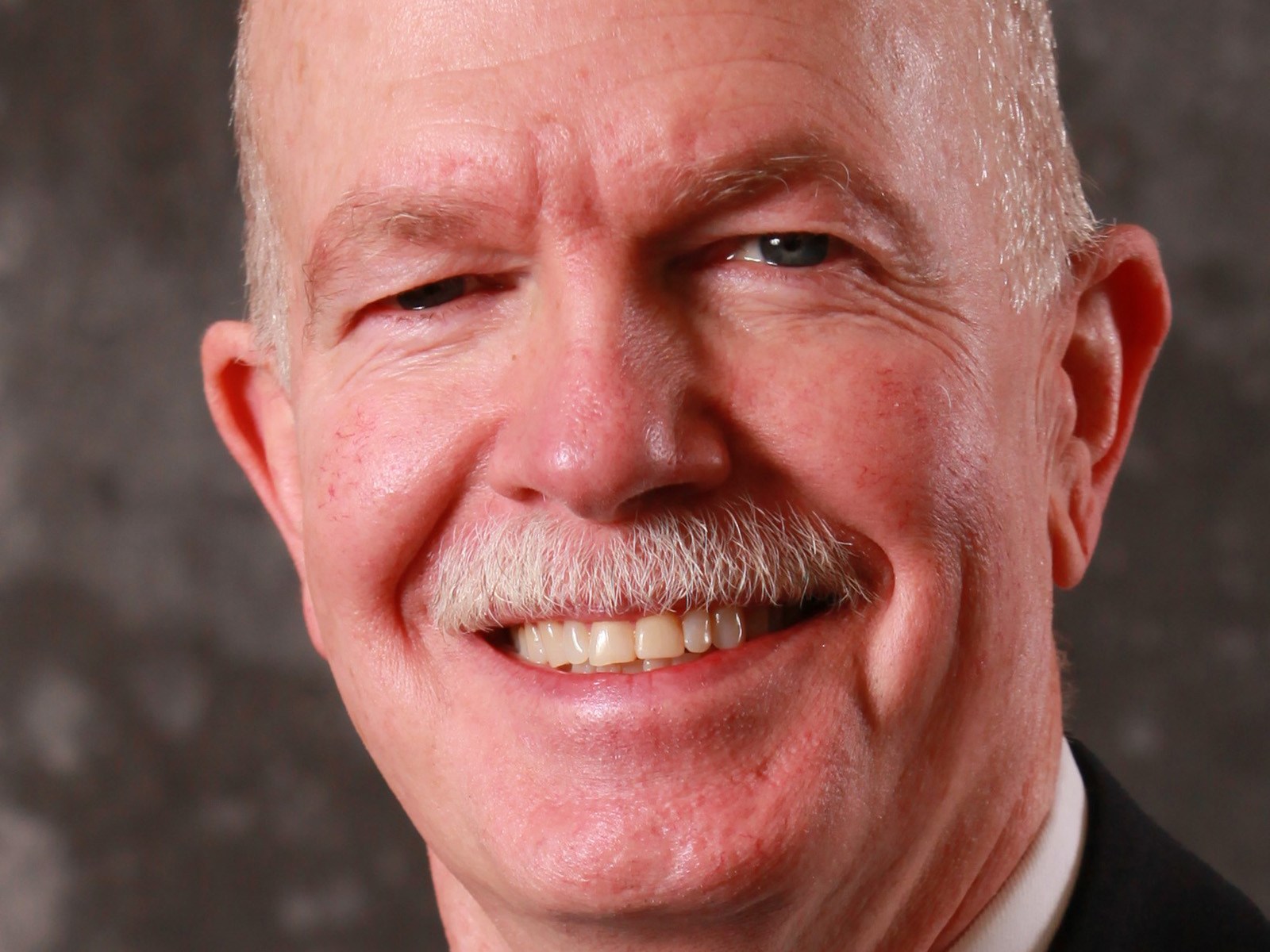
King County International Airport-Boeing Field will have new leadership in the New Year. John Parrott, who has four decades of experience in the aviation industry, has been selected as the airport’s next director as part of a highly competitive, nationwide recruiting effort. Parrott will begin his duties on January 14, 2019.
“I’m excited to join the team at King County International Airport,” Parrott said. “The airport is a key driver of economic growth for the region, and I look forward to building on its legacy of success.”
Parrott worked at Ted Stevens Anchorage International Airport in Alaska for nearly 20 years, including nine years as director. Most recently, he managed his own aviation consulting business, facilitating client relationships with local, state, and federal agencies around the country. Before moving to airport management, Parrott was a pilot in the U.S. Air Force for 20 years. He holds a bachelor’s degree in chemistry from the Air Force Academy, and a master’s degree in education and management from Embry-Riddle Aeronautical University. In 2007, he earned his Accredited Airport Executive (AAE) credential from the American Association of Airport Executives.
Currently managed by the King County Department of Transportation, the airport will officially become a division of the county’s Department of Executive Services (DES) on January 1. The reorganization, proposed by County Executive Dow Constantine earlier this year, was approved this fall by the County Council as part of the 2019-2020 budget.
Read more at The Centerline
Share this:

DAJD recognizes standout employees at annual Awards Ceremony

Pictured: DAJD employees were honored at the ceremony .
On October 30, 2018, the Department of Adult and Juvenile Detention (DAJD) held its 19th Annual Employee Awards Ceremony. King County Chief Operating Officer Casey Sixkiller attended the ceremony and recognized staff achievements. DAJD employees were also able to say goodbye to Director William Hayes as he entered retirement.
This year 98 staff members were recognized for various awards, including lifesaving, meritorious achievements, distinguished service and one medal of valor given to an officer for a heroic act. We congratulate all those that were recognized and say a fond farewell to Director William Hayes.
Share this:

Go Public with King County
Every day our employees work to make King County a better place for every person who lives, works and does business here.
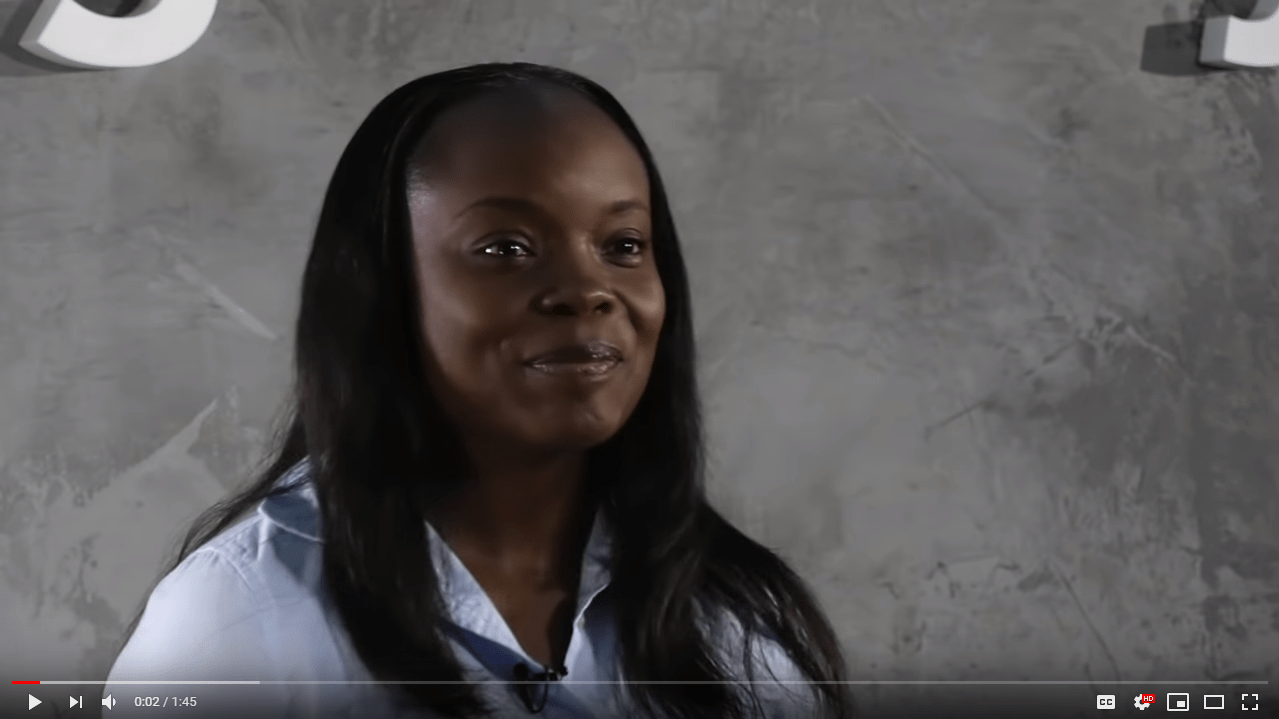
 As an organization we are constantly working to bring new people into our organization, people who share our passion for public service. As part of our recruitment efforts we have produced a series of videos featuring employees talking about why they chose a King County career and how they are making a difference in our community. This first video features Jameelah Cage, Project Program Manager IV, Juvenile Division, Department of Adult and Juvenile Detention.
We need your help to get the word out about the career opportunities at King County. Please feel free to share these videos via your Facebook, LinkedIn or Twitter account, and with your professional or community networks. Use the hashtag #GoPublic and web address www.kingcounty.gov/careers, and help us pick your next co-worker.
Share this:

Executive meets with employees from Native American Leadership Council
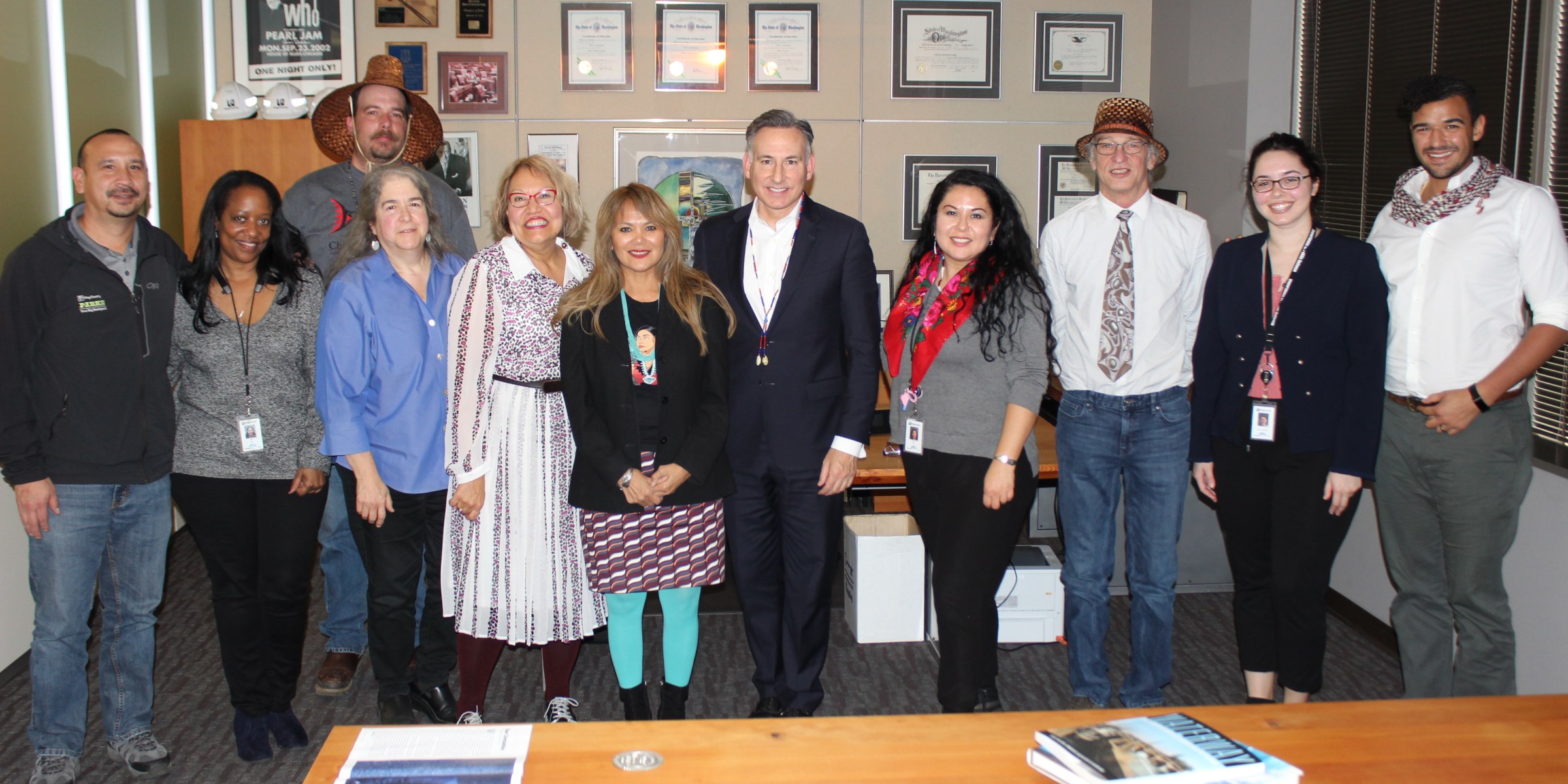
 King County Executive Dow Constantine recently met with employees from the County’s Native American Leadership Council (NALC) to learn about their experiences as employees, what the County can do to bring more Native American employees into its workforce and help them advance, and how the County can be more effective in serving Native people in local communities.
At his November 19 Employee Listening Session, Executive Constantine discussed a wide range of issues with Tristen Gardner from the Local Hazardous Waste Management Program, Andy Boland from Parks Division, Natasha Frazier from the Department of Public Defense, Richard Shupe with KCIT, Clarissa Antone with Solid Waste Division, Pamela Stearns from the Department of Natural Resources and Parks, Lisa Longdon with the Department of Human Resources, Katherine Festa and Avreayl Jacobson from the Department of Community and Human Services, and Bryon Davis with the Department of Transportation.
“I want to hear about what you’re experiencing in the workplace and on the ground, and what King County can do to make this a better place to work,” Executive Constantine said. “I want to hear directly from you about the issues facing Native American people in the community but also with respect to being part of the King County workforce.”
Stearns, who is President of the NALC, gave some background on the Council and the work that they do. “We work together to choose issues that we can work together on as a Council to direct change in our community,” she said.
The group raised a wide variety of issues, including the Indian Child Welfare Act (ICWA) and how the County can be more effective in supporting native people and communities who come into contact with the legal system.
They also talked about how the County’s job interview processes can actually be a barrier to many Native American applicants who traditionally are taught to be humble rather than boastful when discussing oneself. They also recommended tapping into their network of contacts in community groups to build recruitment pipelines to groups that are being missed with traditional recruiting processes. Building time for more Equity and Social Justice work into employees’ workdays was also an issue the group raised.
The Employee Listening Sessions are part of the Executive’s commitment to connect more frequently with employees, both in person at worksites and events like this one, and electronically through video and email messages.
The Listening Session was also attended by Chief Operating Officer Casey Sixkiller, Chief People Officer Whitney Abrams, and Matias Valenzuela, Director of the Office of Equity and Social Justice. The Executive’s team took several of the suggestions from the Council as action items and are working to see how these issues can be addressed. The Executive will host more Employee Listening Sessions in 2019.
Share this:

Featured Job: Market Innovation Manager

Salary: $115,717.00 – $146,678.00 Annually
Location: Seattle, WA
Job Type: Career Service, Full Time, 40 hrs/week
Department: Department of Transportation – Transit Division
Job Number: 2018AH08947
Closing: 12/9/2018 11:59 PM Pacific
This is an exciting time for King County Metro Transit, which was just named the best large transit agency in North America. The Market Innovation Manager will play a leadership role as Metro continues its transformation into a cutting edge mobility agency, with high capacity transit at the center, and shared mobility services complementing the regional system. The Market Innovation Manager will be central to Metro’s transformation by developing innovative solutions to meet customer needs, keeping abreast of industry trends, understanding how new products and services can serve and advance equity in our regional market, piloting new products and programs, and working across the agency to strategically align our vision and priorities.
As the only county in the United States named after Martin Luther King Jr, one of the most influential civil rights leaders in our nations’ history, King County is a vibrant community with residents that represent countries from around the world. It is a region with increasing diversity that cherishes the artistic and social traditions of many cultures. Together, we’re changing the way government delivers service and winning national recognition as a model of excellence.
Learn more about this position or view all available positions.
Share this:

What is Lean? A quick refresher

Lean is a way to solve problems. With Lean thinking, we can address issues like unmet customer demand, or unexpected ‘fires’ at work. Using Lean can also help us achieve our goals of delivering more value to our customers.
The foundation of Lean is continuous improvement and respect for people. These are mutually reinforcing: we develop continuous improvement by building a culture of respecting the people who do the work as the experts. A Lean organization develops and engages all employees as learners, as thinkers, and as the source of continuous improvement. Respect for people means that we support and empower employees as problem solvers so that they are able to improve the work—for themselves, for their colleagues, and for their communities. Learn more.
Share this:

Take the King County Parks and Trails User Survey!

What do you think of King County Parks such as Cougar Mountain, Marymoor Park or the Sammamish River Trail? As part of our commitment to improving visitor experience, King County Parks is looking for visitor opinions – what’s great about King County’s parks, trails, and natural areas, and what could be improved to make them even better. Take our survey to provide feedback! The survey will be open until Dec. 7.
Upon completing the survey, respondents can leave their email addresses to be entered in a drawing to win two tickets to a concert at the 2019 Marymoor Park Concert series!






 Employee News