
Updated King County Critical Area Ordinance enhances protection for environmentally important areas while supporting housing and commercial agriculture

Crossposted from King County Local King County has completed a major update of its regulations for developing land near wetlands, streams, and other critical areas. Created through three years of research, planning, and public discussion, the updated King County Critical Area Ordinance is a set of land use regulations intended to safeguard environmentally critical areas, communities, and infrastructure. The King County Council adopted the final ordinance in December. The term “critical area” refers to land that merits special protection because of its ecological value or importance to public health or safety. Examples include wetlands,… Read More
King County’s new recycling and transfer station in Algona nears completion and features improved water quality, restored habitat
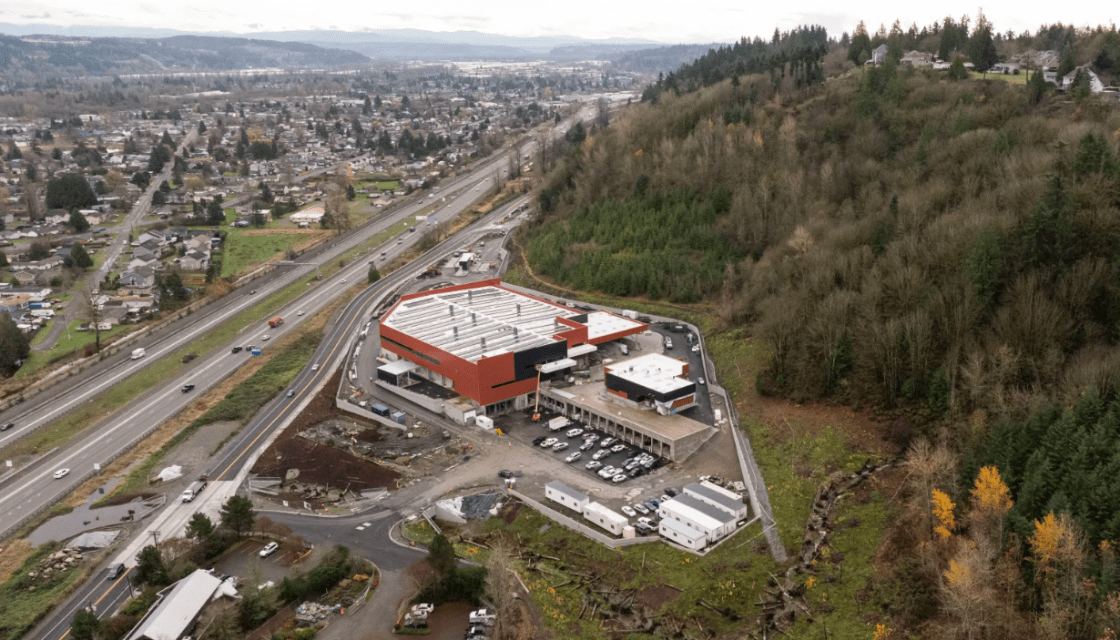
Crossposted from Field Notes When the South County Recycling and Transfer Station in Algona opens this summer to replace its 60-year-old predecessor, customers of King County’s newest solid waste facility will find convenient waste disposal and a wide range of recycling options. Built with a focus on sustainability and environmental stewardship to ensure long-lasting service for communities in and around Algona, Auburn, Federal Way and Pacific, this new station will feature separate disposal areas for commercial garbage haulers and public self-haul customers. Read more.
VIDEO: A unique salmon recovery partnership in King County has proven to be an effective model for collective impact
Crossposted from King County Field Notes Twenty-five years after creating a first-of-its-kind regional partnership for salmon recovery, King County and a coalition of partners are celebrating progress and renewing the alliance for another decade. The partners have so far reconnected 730 acres of floodplain, completed 719 salmon recovery projects, and planted native vegetation in nearly 1,500 acres of riparian areas while also improving water quality, reducing flood risks, and expanding public access to greenspace. They are achievements that would have been nearly impossible without the agreement signed in 2000 that unified investments and… Read More
The 2026 Noxious Weed List is official!

Crossposted from the Noxious Weeds Blog What does it mean to be a noxious weed? “Noxious weed” is a legal designation. To become a noxious weed a plant must first meet four criteria. Introduced to Washington state (non-native) Spread beyond where they are planted Create harm where introduced* Difficult to control *This harm can be agricultural, such as reducing crop output, ecological, such as out competing our native plants, or physical, such as toxic to humans or livestock. They can impact wildlife, human health, land value, recreation, and natural resources. Anyone can nominate… Read More
Updated King County Critical Area Ordinance enhances protection for environmentally critical areas, supports housing, and commercial agriculture
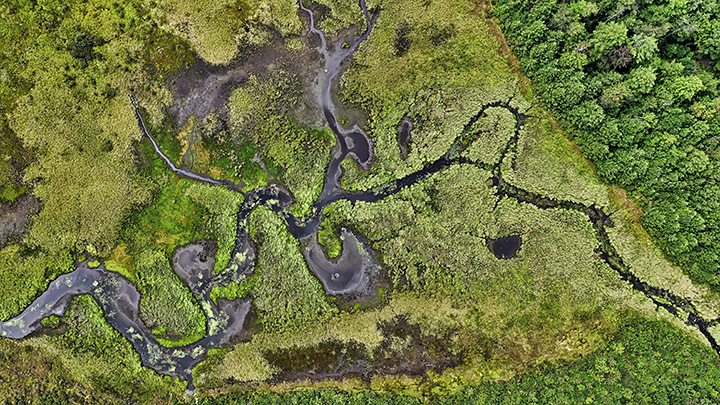
Crossposted from King County Local King County has completed the first major update in two decades of its regulations for developing land near wetlands, streams, and other critical areas. Developed through three years of research, planning, and public discussion, the updated King County Critical Area Ordinance is a set of land use regulations intended to safeguard environmentally critical areas, communities, and infrastructure. The Metropolitan King County Council adopted the final ordinance on Dec. 2. Please continue reading for more information on when the ordinance becomes effective, frequently asked questions, next steps, and updated… Read More
KCIT launches innovative app to support DNRP Park Rangers

King County IT’s GIS Center recently launched a new app for the Department of Natural Resources and Parks (DNRP) Park Ranger program, marking a significant advancement in how King County monitors and manages park incidents. Built exclusively for DNRP, this tool provides the first centralized system for tracking park rule violations and other incidents – data that will help improve park safety and enhance the visitor experience. The goal is simple yet powerful, to turn Rangers’ “boots on the ground” work into actionable insights for King County leadership. Using the app, Rangers… Read More
Airport levels up on carbon reduction goals

Crossposted from the DES Express King County International Airport-Boeing Field (KCIA) has taken another step forward in its journey toward becoming carbon neutral. Airports Council International (ACI) recently informed the airport that it has met the standards for Level 3 in the Airport Carbon Accreditation Program (ACAP) by engaging airport tenants and users to reduce their greenhouse gas emissions. “Reducing greenhouse gas emissions at the airport helps King County residents, especially those who live and work nearby,” said King County Executive Girmay Zahilay. “Achieving Level 3 in the Airport Carbon Accreditation Program… Read More
A unique salmon recovery partnership in King County has proven to be an effective model for collective impact
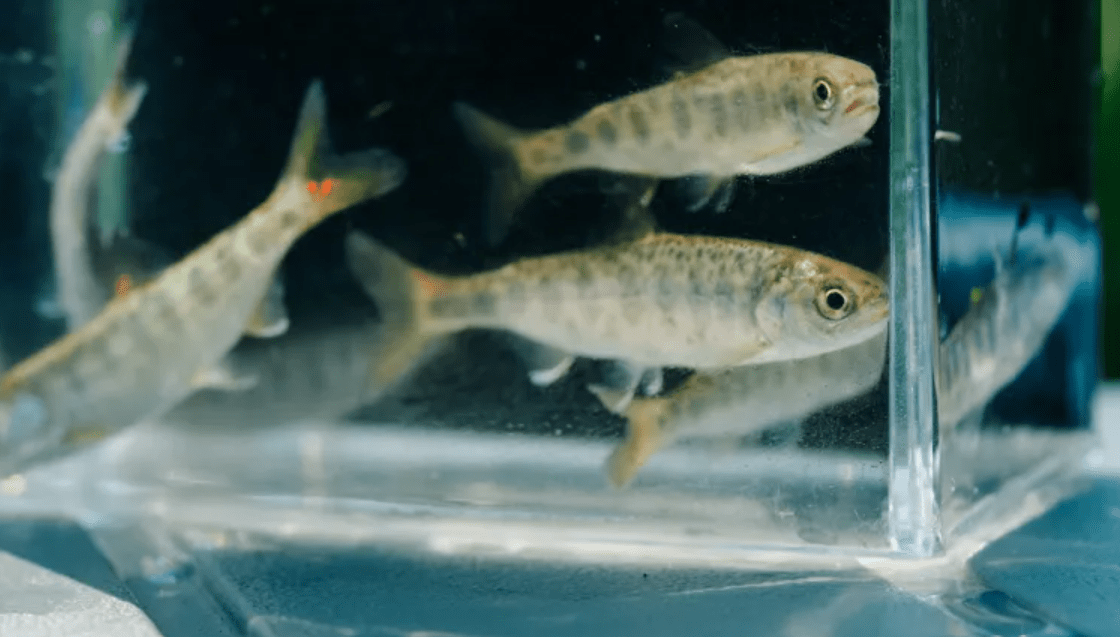
Crossposted from DNRP Field Notes A unique partnership created 25 years ago in King County has so far reconnected 730 acres of floodplain, completed 719 salmon recovery projects, and planted nearly 1,500 acres of native vegetation in riparian areas. The partners recently signed a new agreement that will sustain the effort for at least the next decade. Read more.
Looking back on 2025, an unforgettable year for environmental stewardship

Crossposted from DNRP Field Notes Our best accomplishments – those that produce lasting, measurable results – are those we achieve with our partners. It’s a consistent theme you see throughout our top achievements in 2025. In our coordinated response to catastrophic flooding, wastewater infrastructure upgrades that improve salmon habitat, new trail segments in South King County and Redmond, community investments that reduce waste and cut greenhouse gas emissions, and hopeful signs for kokanee salmon recovery, you consistently see the power of collective action. We invite you to take a moment to check… Read More
King County International Airport levels up on carbon reduction goals

King County International Airport-Boeing Field (KCIA) has taken another step forward in its journey toward becoming carbon neutral. Airports Council International (ACI) recently informed the airport that it has met the standards for Level 3 in the Airport Carbon Accreditation Program (ACAP) by engaging airport tenants and users to reduce their greenhouse gas emissions. “Reducing greenhouse gas emissions at the airport helps King County residents, especially those who live and work nearby,” said King County Executive Girmay Zahilay. “Achieving Level 3 in the Airport Carbon Accreditation Program shows that the airport is… Read More






 Employee News