Looking for juvenile Chinook in all the non-natal places
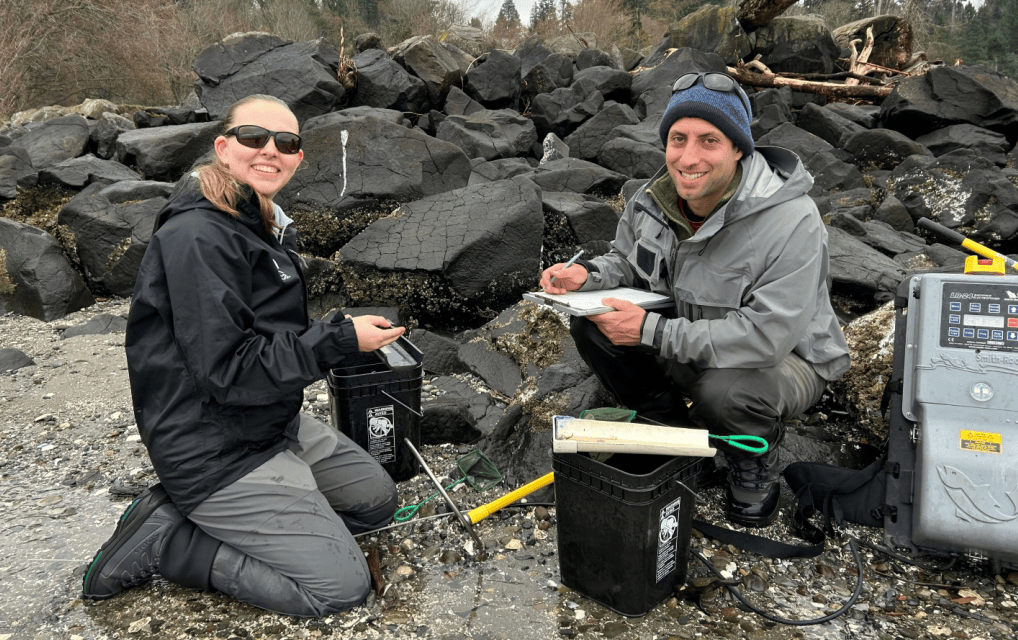
Crossposted from Headwaters This spring, scientists from the Science Section’s Watershed and Ecological Assessment Team (WEAT) went looking for juvenile Chinook salmon (Oncorhynchus tshawytscha) in streams where they have not been previously documented. The team spent 29 days in the field, ultimately completing 97 surveys across 20 different streams. Studies like this are time sensitive. The right fish are only in the right places at the right time and even then, they’re very hard to find. To make the best use of small timeframe, agencies like ours rely on seasonal support from early career… Read More
Imagining King County’s clean water future: Our Vision for 2100
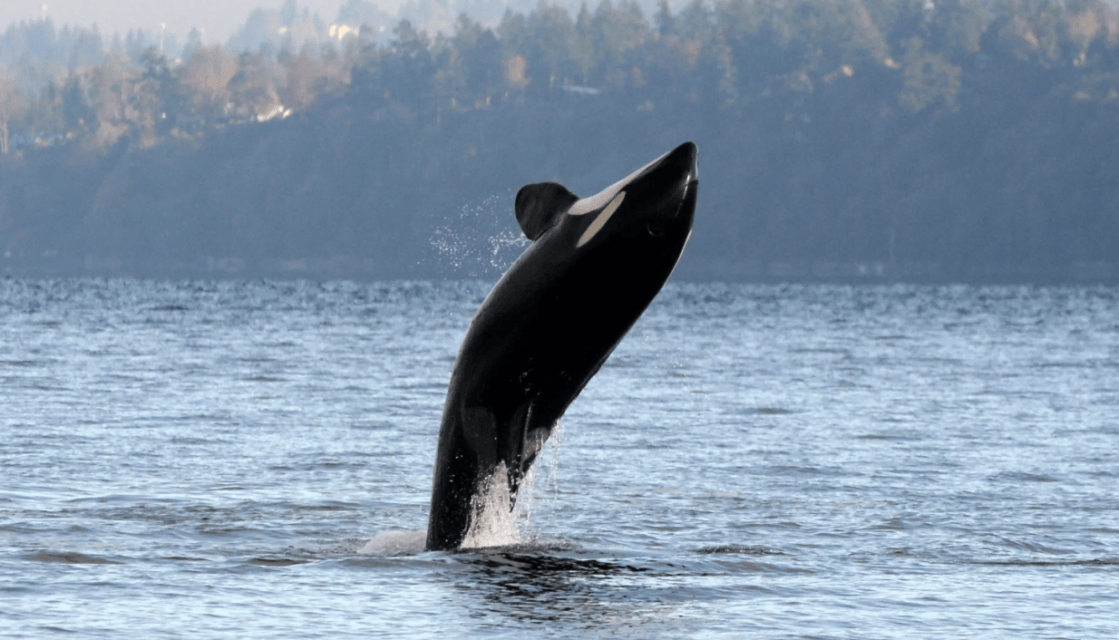
Crossposted from Clean Water Stories Water shapes life, and life in our region depends on clean water throughout the Puget Sound. It’s where salmon fight their way home, where orcas breach along the coastline, and where people across our region gather to work, learn, and play. For more than 50 years, King County’s wastewater system has faithfully protected these waters behind the scenes, stewarding precious resources every hour of every day. Read more.
Young students advocate for salmon
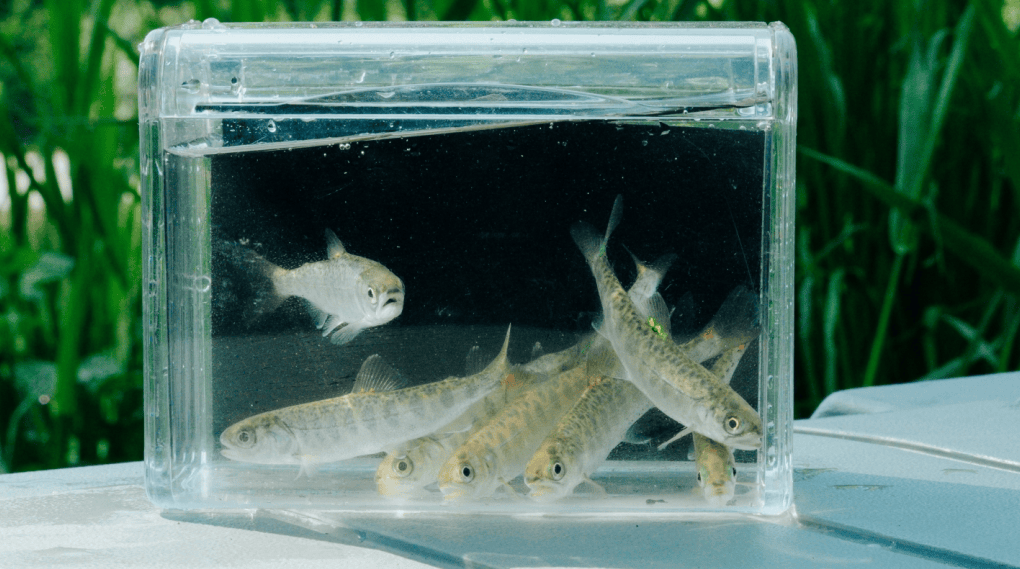
Crossposted from Headwaters It’s official, the students and the salmon are back! Schools across the region are in session and Salmon See-son is ramping up as Chinook, sockeye, coho, and chum salmon make their way home to the rivers and streams of King County. Pink salmon will be back next year! Despite thousands of years of multigenerational experience, the salmon’s journey is still a struggle. It gets even more challenging when salmon run into warmer water, pollution, habitat loss, invasive species, and blocked streams. All these problems make it harder for salmon at every life stage… Read More
Clogged, not forgotten: The hidden reality when you flush wipes

Crossposted from Clean Water Stories It’s two in the morning when Brian White’s phone rings. A fellow operator at West Point Treatment Plant in Seattle is calling with bad news: The Hidden Lake Pump Station in Shoreline is rapidly losing capacity. If the problem continues, it could lead to a sewer overflow. Within minutes, White, an offsite wastewater operator for West Section, is out of bed and behind the wheel, heading into the darkness to protect public health and Puget Sound. Read more.
‘Salmon SEEson’ turns 20: Spot fish coming home to spawn in King County rivers and streams
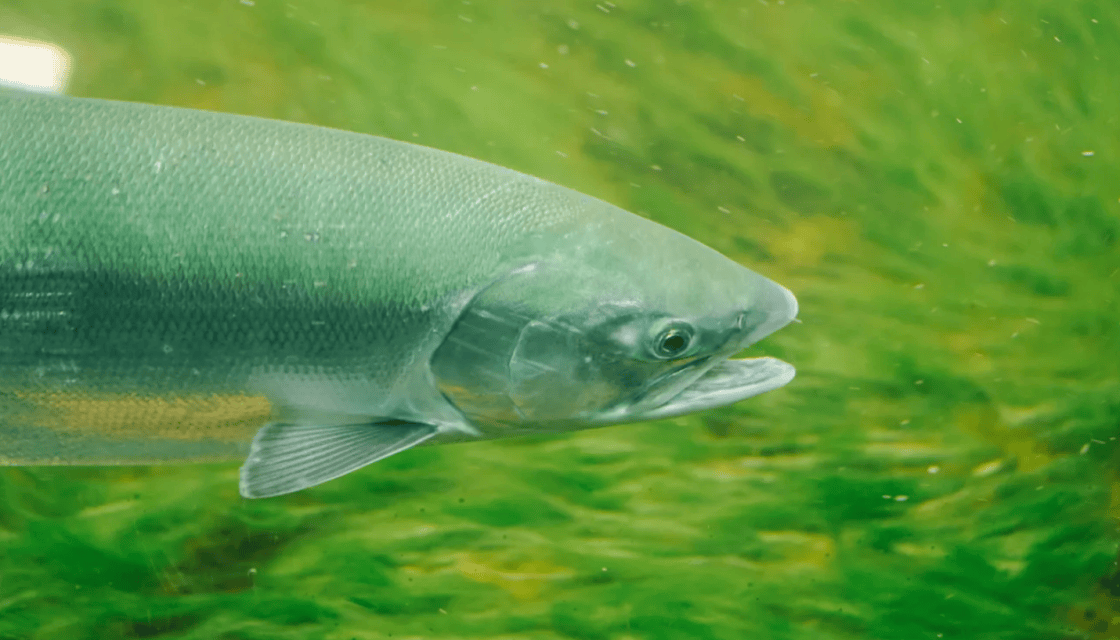
Crossposted from DNRP Field Notes This year marks the 20th anniversary of Salmon SEEson, King County’s program helping people watch one of the Pacific Northwest’s greatest natural events; salmon returning from the open ocean to the same streams where they hatched to spawn the next generation. Each fall, chinook, coho, sockeye, and chum salmon, along with the Lake Sammamish kokanee, a native and genetically distinct freshwater population found nowhere else, make their way back to rivers and creeks throughout King County. Read more.
Growing new beginnings at CitySoil Farm

Crossposted from Clean Water Stories At our CitySoil Farm at South Treatment Plant in Renton, growing culturally relevant veggies and fruits to feed the community is only part of the story. Throughout the summer, another kind of growth takes root: young people building confidence, learning new skills, and discovering new possibilities for their futures. Since 2013, Sea Mar Renacer and the King County Wastewater Treatment Division have been working together to create meaningful educational experiences for youth participating in Renacer’s rehabilitation program. Together, the partnership demonstrates how environmental stewardship and community well-being can go hand in… Read More
Wildfire smoke in our region

Smoky air from wildfires is expected in our region this week. Puget Sound Clean Air Agency, the agency that oversees outdoor air quality, is reporting air quality levels will likely be MODERATE to UNHEALTHY for sensitive groups for the first half of the week. Wildfire smoke can cause a range of health problems, including chest pain, coughing, fast heartbeat, headaches, and asthma attacks. Some groups are more sensitive to smoke, including: Children and teens People with asthma, lung or heart disease, diabetes, or who have had a heart attack or stroke Anyone who is pregnant Anyone older than 65 People who… Read More
Executive Zahilay joins summer gathering for kokanee salmon recovery partners amid hopeful signs of progress
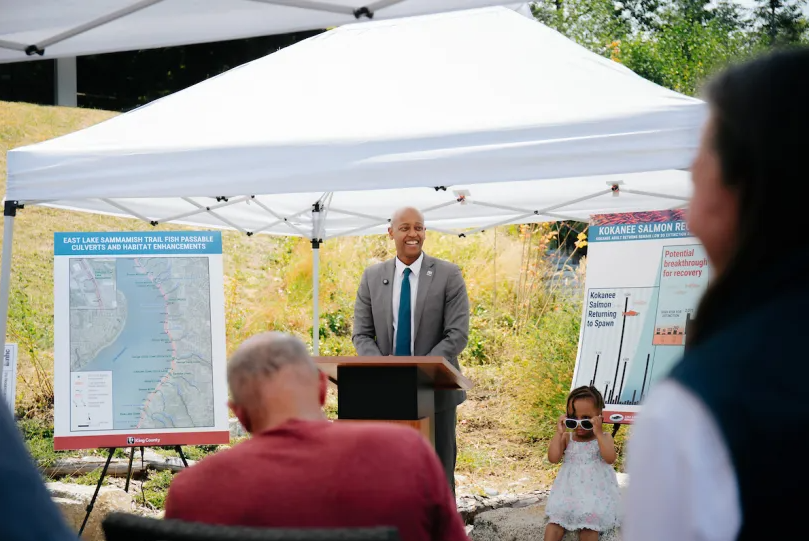
Crossposted from Field Notes King County Executive Girmay Zahilay kicked off a summer gathering of the Lake Sammamish Kokanee Work Group amid hopeful signs of a sustainable recovery for a native salmon species that is important to the region’s history and habitat. Hosted at the Snoqualmie Indian Tribe’s new Harvest Kitchen in Snoqualmie, the partners provided an update on actions they have taken in recent years to ensure the survival of the freshwater kokanee and previewed actions they will take next. The gathering occurred 18 months after King County biologists reported a surge in the number… Read More
“GoGreen” event unites employees in conservation efforts
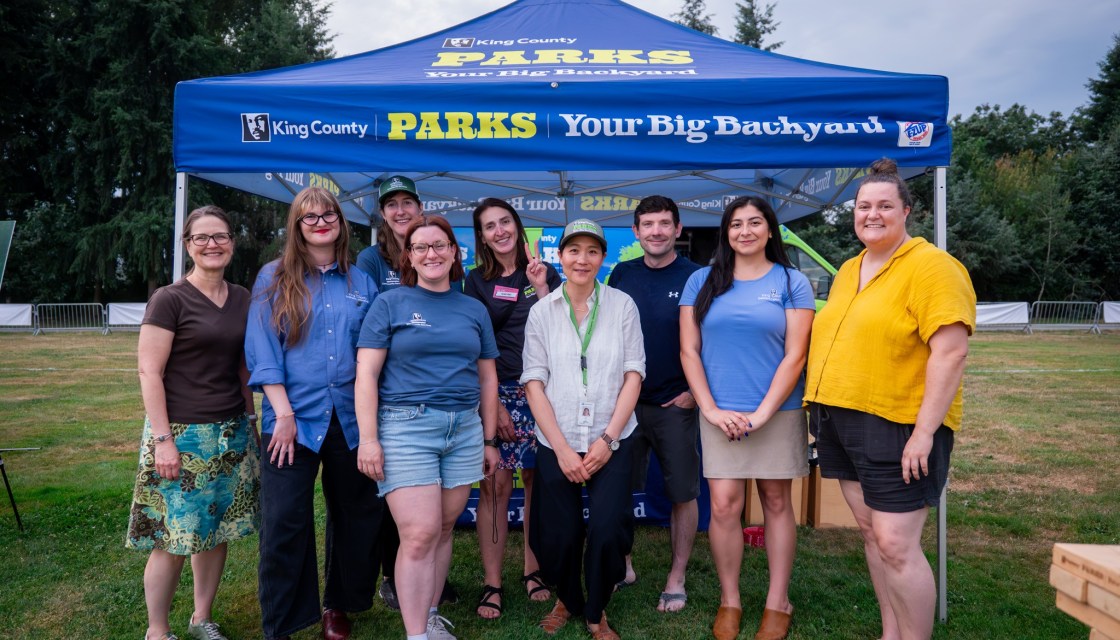
King County Parks recently hosted its annual “GoGreen” night on July 22, at the Movies at Marymoor showing of “Jumanji: Welcome to the Jungle.” The event brought together a variety of King County units working on sustainability initiatives. Since moviegoers often arrive well before showtime, it was the perfect opportunity for these groups to connect with many community members. Teams attending the event included the King County Department of Natural Resources and Parks (DNRP) Climate Preparedness Office, DNRP Hazardous Waste in collaboration with Public Health and Seattle Public Utilities, DNRP Solid Waste, DNRP Wastewater Treatment, Department of Executive Services (DES) Office… Read More
King County ETP E-bike subsidy pilot

Interested in leasing or purchasing an e-bike? The King County Employee Transportation Program (ETP) is accepting applications for an e-bike subsidy program with lease to own options (up to 12 month lease subsidy with credits that can be applied towards purchase). Multiple vendors and e-bikes are available from Ridepanda, Rybit, Wombi. Apply here at tinyurl.com/kcebikes. Spaces are limited, but if selected, you will receive a follow up email with concierge support to help identify which bike and vendor may work best for you. Options to purchase during or at the end of your lease will… Read More