
Mystery on the Green River: What killed these young salmon?
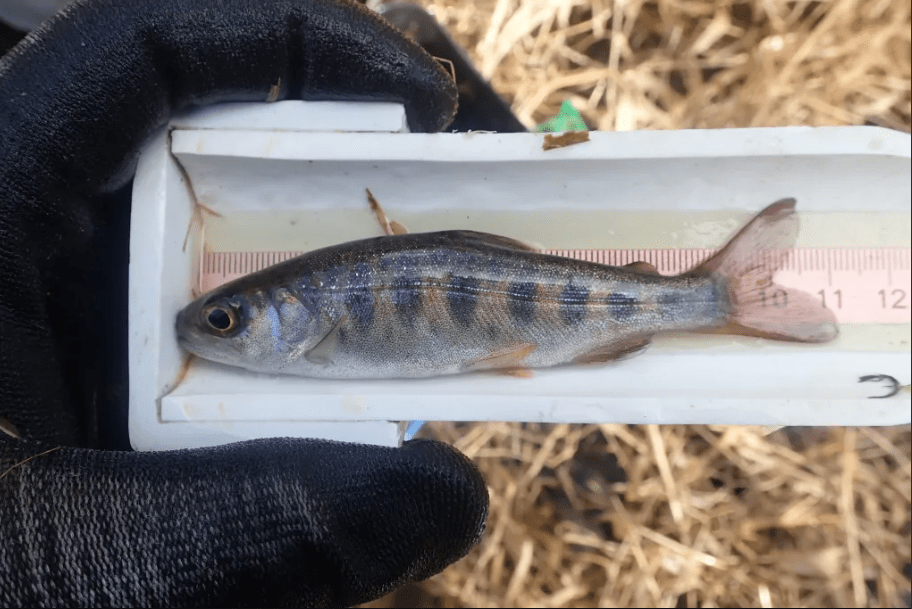
A cold April rain fell on the Green River but the research carried on. Chris Gregersen and Dan Lantz, ecologists from King County’s Science Section, floated down the river’s mainstem and poked into its tributaries listening for loud, electronic beeps from their tracking antennas. Each beep meant a juvenile Chinook salmon (Oncorhynchus tshawytscha) – previously tagged by our team or other researchers – was swimming below. Every beep was a reason to celebrate, especially in weather like this.
But as they paddled up Kent’s Mill Creek in search of more Chinook, Chris and Dan noticed something strange in the water. On both sides of their small craft, distressed coho salmon (Oncorhynchus kisutch) were floating, circling, and flopping on their sides near the surface. The ecologists immediately recognized this behavior as a possible symptom of urban runoff mortality syndrome (URMS). This tragic cause of death is not uncommon for adult coho spawners in urban waterways polluted by the toxic tire chemical 6PPD-quinone (6PPDQ). Read more.
Share this:

Tour our plants to find out what happens after you flush
Crossposted from Clean Water News: Updates from the King County Wastewater Treatment Division
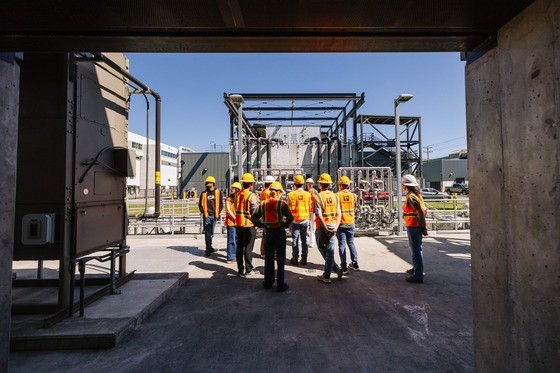
Complete your summer plans with a wastewater treatment plant tour! We offer tours at our three regional facilities, as well as our state-of-the-art Georgetown Wet Weather Treatment Station in Seattle! We invite everyone ages 9 and older to learn how we clean wastewater and transform it into valuable resources. Registration is required, so be sure to reserve your spot in advance.
Sign up for a treatment plant tour here.
Picture: WTD interns on a tour of the Georgetown Wet Weather Treatment Station.
Share this:

Seasonal farmers markets are back and there are many ways to enjoy them
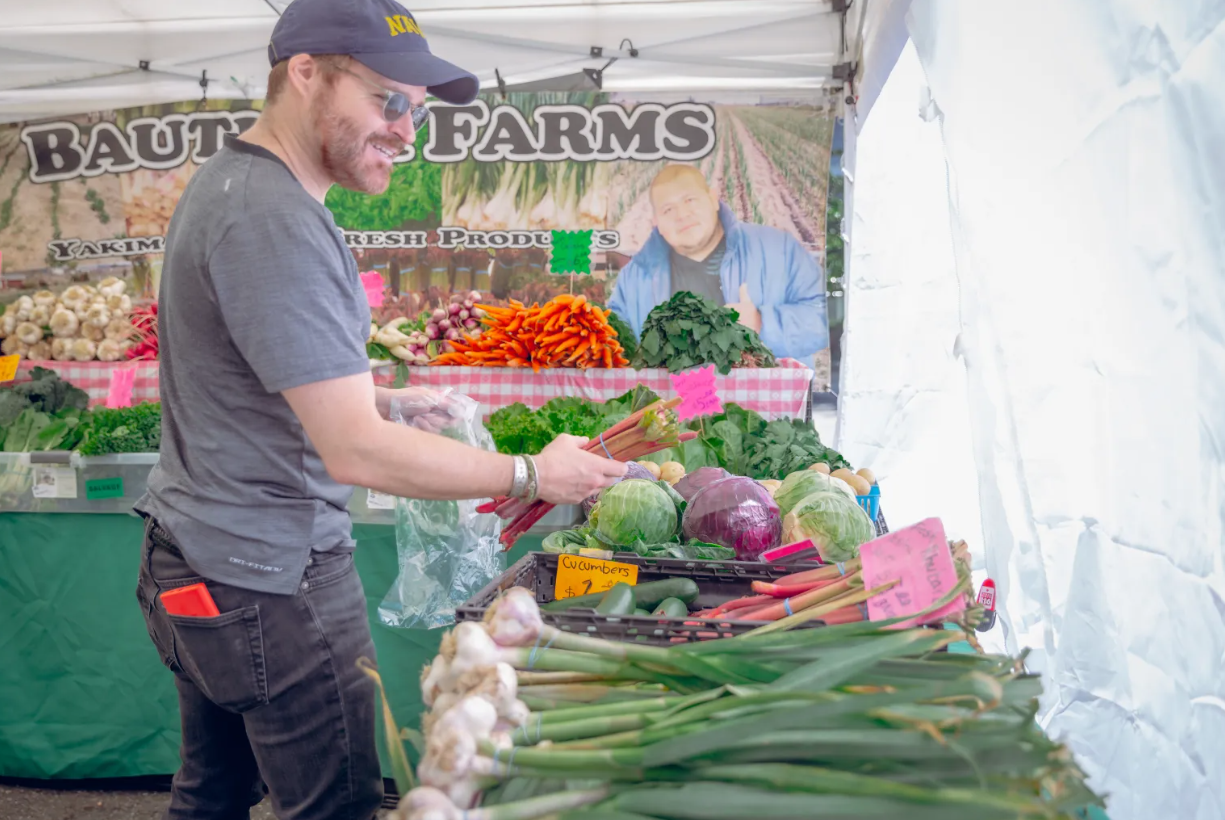
Seasonal farmers markets are back! Across King County, more than 40 markets are opening their stalls and bringing together local farmers, foragers, food businesses, and others to share the bounty of our local food system. Here’s how to make the most of this abundant time of year.
Find a market: On most days of the week except Monday, you can find a farmers market. Use the WA State Farmers Market Association’s Find a Farmers Market tool online to locate a market close to you, or stop by any market’s info booth to pick up a printed directory. Find the directory for King County and Seattle Markets here. Read more.
Share this:

Tap into Seattle summer: ORCA releases limited-time promotional three-day pass
Crossposted from Metro Matters
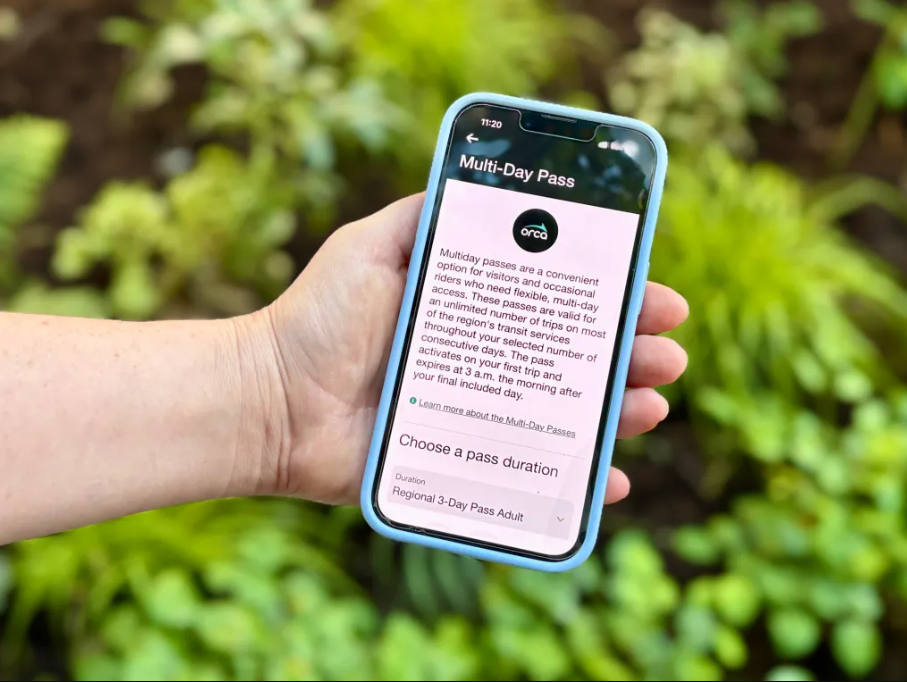
On June 1, ORCA launched a new promotional pass, the 3-Day Puget Pass, allowing riders to save money on transit across the Puget Sound region throughout the summer. This promotional Regional Day Pass is available through Aug. 31, 2026.
The 3-Day Puget Pass is a multi-day pass which allows adult fare riders to travel around the region for an $18 flat rate, or $6 for ORCA LIFT and RRFP Senior and Disabled fare riders. This pass makes it simple for riders to enjoy unlimited transit options across multiple days, perfect for a long weekend trip to Seattle or a major event around the region. Read more.
Share this:

Creating a culture of inclusion

Crossposted from the DAJD Employee Newsletter
They’re on a mission.
Employees who focus on disability issues for the Department of Adult and Juvenile Detention (DAJD) and Public Health – Seattle & King County aim to do more than just comply with the law. They want to change the mindset so that King County jails make their services truly accessible to people with disabilities.
Meet Brandi Brown and Brad Steinmetz from DAJD, and Blayne Amson from Public Health. Read more.
Share this:

Celebrating the best of Rail: Our 2025 Employees of the Year

Crossposted from Metro Matters
Each year, our King County Metro Rail Division grows, evolves and reaches new milestones—and behind every success are the people who make it happen. That’s why we’re thrilled to introduce our 2025 Rail Employees of the Year.
“Each of these employees represents the dedication, heart and excellence that define our Rail Division,” said Metro General Manager Michelle Allison. “Their work not only keeps our system running—it strengthens the experience for the growing number of riders who depend on us. I’m incredibly proud of this year’s honorees and grateful for the passion they bring to serving our region every day.” Read more.
Share this:

WATCH: Executive Zahilay introduces our new Vision, Mission, and Values

Executive Zahilay today shared a new employee video where he introduces our new Vision, Mission, and ACTIVATE Values.
“ACTIVATE stands for: Accountable, Collaborative, Timely, Impactful, Value Employees, Accessible, Trusted, and Equitable,” Executive Zahilay explains in the video. “These values build on the strong foundation that already exists here at King County, while helping us meet the challenges and opportunities ahead. They define how we make decisions, how we work together, and how we hold ourselves accountable to the people that we serve.”
The video also features Dr. Sandra Valenciano, Director of Public Health — Seattle & King County; Michelle Allison, Director of Metro Transit Department; and Allen Nance, Director of the Department of Adult and Juvenile Detention.
Watch the video below.
Share this:

Executive launches new Vision, Mission, and ACTIVATE Values
King County Executive Girmay Zahilay today launched our new Vision, Mission, and Values for the Executive Branch.
“Today, I am pleased to introduce our new Vision, Mission, and Values,” Executive Zahilay said in an email to all employees. “Together, they define where we are headed as an organization, the role we play in serving our communities, and how we will work together internally to deliver on those external priorities.”
Our Vision Statement defines the future we are striving toward: a vibrant, inclusive, and resilient region where every individual and community is safe, connected, housed, healthy, and empowered to succeed.
Our Mission Statement defines the role of King County government in helping achieve that future: to be a high-performing organization that delivers excellent services, drives progress, improves lives, and strengthens our region.
Our ACTIVATE values are our shared expectations for the way we act, make decisions, and deliver change for the people of King County. ACTIVATE stands for: Accountable, Collaborative, Timely, Impactful, Value Employees, Accessible, Trusted, and Equitable.
You can read the Executive’s employee email here and learn more about the vision, mission, and ACTIVATE values by watching the Executive’s video and on this intranet site.
Share this:

New discount available to Seattle Opera

Employees can now take advantage of discounts to multiple performances at the Seattle Opera for upcoming shows in the 2026/27 season. This includes “Salome,” “Lakme in Concert,” and others. Purchase tickets here, using promo code KING20.
See all available discounts on the Employee Discount intranet page.
Share this:

Behind the scenes of the limited-edition SEA26 ORCA Card
Crossposted from Metro Matters
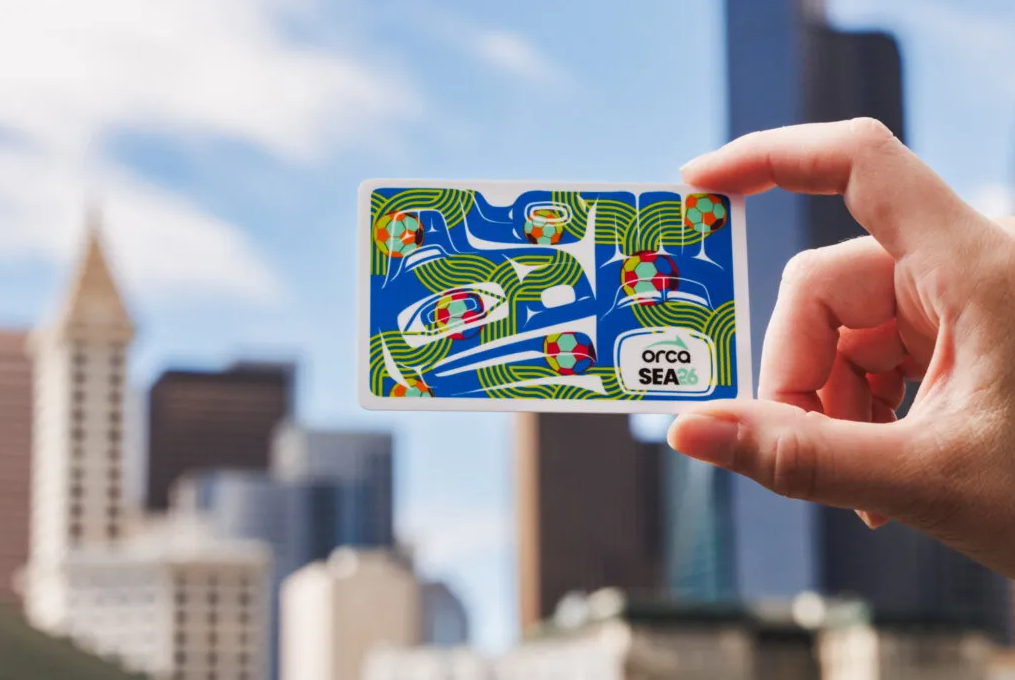
There’s nothing Seattle-area transit riders love more than a special-edition ORCA card! To celebrate Seattle’s status as a host city in the 2026 World Cup, ORCA produced a limited-edition, promotional ORCA card which celebrates the excitement of the sport and the culture of the Pacific Northwest.
Led by King County Metro in partnership with 4Culture, this ORCA card was designed by local artist Alison Bremner. 4Culture is King County’s cultural services agency, providing funding and support for art, heritage, historic preservation, public art, and science and technology to help connect people throughout the region with cultural experiences. Read more.






 Employee News