
Powering regional recovery by inclusion
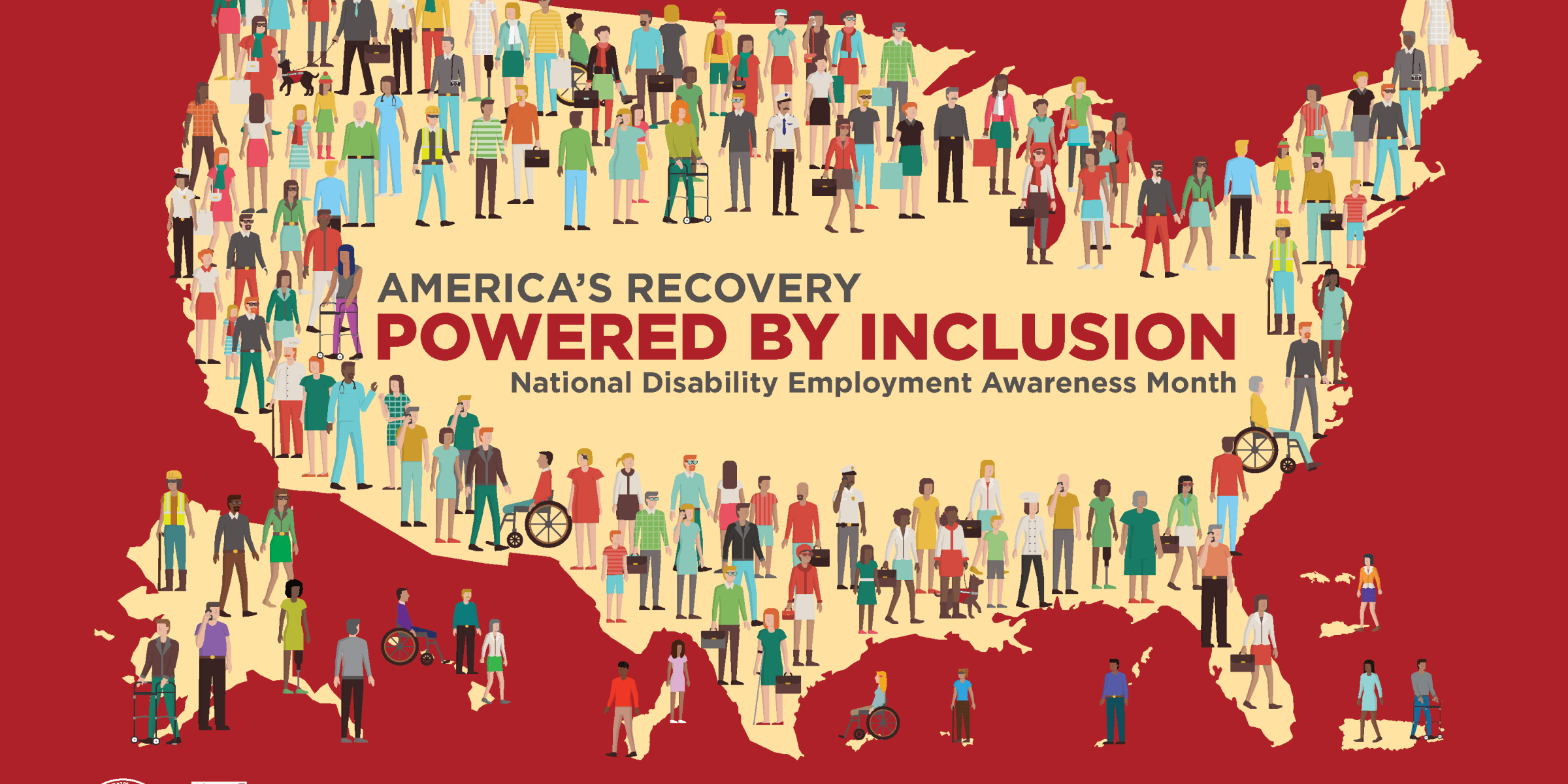
Every October, King County recognizes Disability Employment Awareness Month, celebrating the many contributions of people with disabilities to our communities, workforce, and country.
As part of our everyday values, King County employees have been working to expand inclusion in the workforce, civic life, and recreation. During the coronavirus pandemic, inclusion means making sure that people with disabilities have access to the basics: food, transportation options, and access to vaccines and health care.
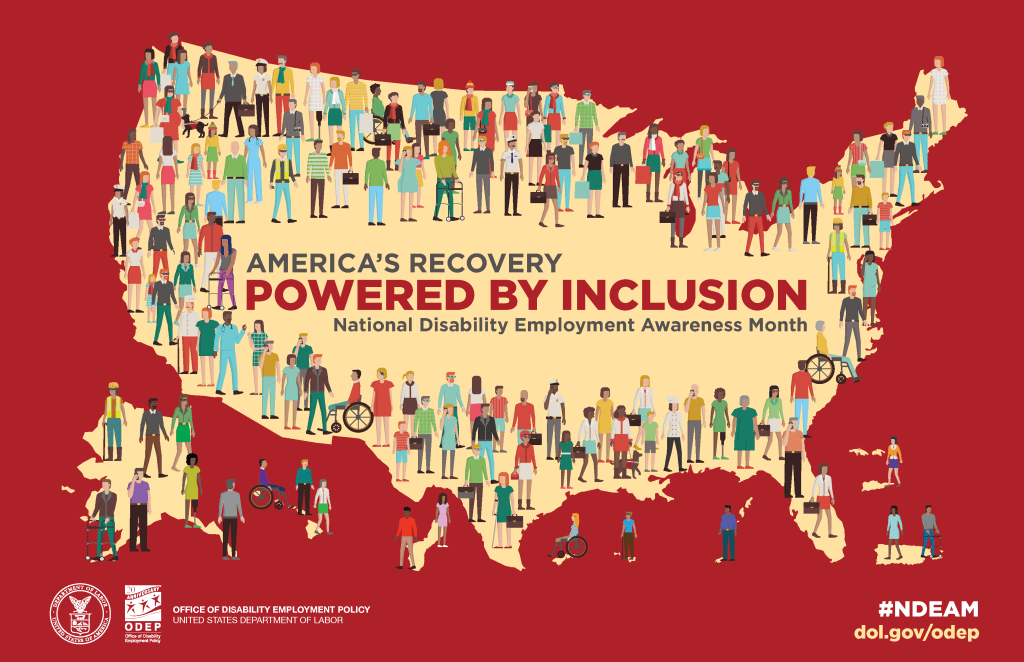
In 2021, the Disability Awareness Month Committee gathered stories about King County employees working to improve accessibility, provide services, and engage people with disabilities.
Click here to read more about programs and employee-led efforts to improve access and inclusion. You’ll also find resources and ideas. Together, we can all make King County a welcoming community where every person can thrive!
Share this:

Domestic Violence Advocates build meaningful relationships with survivors

October was Domestic Violence Awareness Month, and in observance, it is important to highlight the work King County is doing to support survivors of domestic violence in King County.
According to the National Coalition Against Domestic Violence, on average, nearly 20 people per minute are physically abused by an intimate partner in the U.S., resulting in over 10 million people each year. Here in our region, in 2020 the number of domestic violence-related felony charge referrals, the most serious legal filing, did not decrease, despite temporary court closures, the statewide stay at home orders and social distancing guidelines. A data dashboard compiled by the King County Prosecuting Attorney’s Office (PAO) and Public Health – Seattle & King County, shows that from April to August 2020 there were over 100 domestic violence protection orders filed, and the highest call volume from King County residents to the National Domestic Violence Hotline was from April to July.
To address this need, the PAO includes a Domestic Violence (DV) Unit, staffed by DV Victim Advocates, who work with individual survivors to review their cases and navigate the criminal system.

Pictured: Kimberly Altamirano
“The DV Unit holds people accountable for the crimes that are committed against family members and intimate partners,” said Kimberly Altamirano, a current DV Victim Advocate. She started with King County in 2018 working in the PAO Criminal Division, before moving into the Victim Assistance Unit, and now the DV Unit.
Kimberly shares why it is essential for King County to do this work, and advocate for the community.
“Advocacy is important for survivors of domestic violence because sometimes it’s the only support that survivors have,” she said. “Many survivors have been isolated away from friends and family and don’t know who they can turn to for help. It is important that they have someone that they can connect with for resources.”
Fellow DV Victim Advocate Graciela Hernandez also emphasizes the work to hold perpetrators of domestic violence felonies accountable. Graciela started with the County in January 2021 in the Protection Order Advocacy Program and transitioned to the DV Unit in July.

Pictured: Graciela Hernandez
“As advocates, our overall purpose is to make sure that victims feel validated and supported as they navigate the criminal system,” she said. “Experiencing domestic violence can be a traumatic and heartbreaking experience for many survivors. On top of this, navigating the criminal justice system can be confusing and challenging.”
“Being an advocate for survivors is important because we are here to help people navigate this process in a way in which they feel supported and validated.”
Kimberly and Graciela are part of a team that supports survivors of felony domestic cases being reviewed for filing by the Prosecuting Attorney’s Office. Their work includes helping survivors create safety plans and understand the process of filing a case, and offering resources and referrals.
They share how the need for DV support impacts everyone, especially in a region like King County that has so many distinct ethnic groups. Both women are also bilingual, and regularly work with Spanish speaking survivors.
“King County is very diverse in population and it is important that victim-centered advocacy is provided for the community,” Kimberly said.
“Domestic violence occurs everywhere, and it can happen to anyone,” Graciela explains. “Doing this work is especially important for survivors who are a part of marginalized communities that often face unique barriers to safety and justice.”
“I love being able to assist Spanish speaking survivors in their native language. This helps create trust and offers culturally competent services,” she added.
The work can be challenging but is also rewarding. While navigating the system can be difficult, making case outcomes confusing and intimidating to DV survivors, Kimberly and Graciela are proud to be part of a team, and office, that prioritize building meaningful relationships with survivors.
“I really enjoy being able to connect with people, especially the Spanish-speaking community,” Kimberly said. “And I make it a point to create a space that allows the survivors that I work with to be themselves without worrying about how they need to present themselves.”
“Often times, survivors feel confused and intimidated as they go through the criminal process and to see their confidence build up as the case moves along is amazing,” said Graciela. “I enjoy the collaborative process that advocates have with prosecutors. Although our roles are different and our opinions on these cases may differ, we work closely together and try our best to do right by survivors.”
Through their work with the DV Unit, Kimberly and Graciela regularly work with survivors to overcome their trauma and find resolution. This work takes great strength, and both women credit not only their colleagues but their families as inspiration and support.
“My children are what keep me going through the rough times that come up while doing this work,” said Graciela.
“My mother is a survivor of domestic violence, and I always remember how difficult it was for her to talk to an advocate,” said Kimberly. “She is a daily reminder of why I love the work that I do.”


Share this:

Vets 4 Hire program expands funding

The Vets 4 Hire program, which offers on-the-job learning experiences for veterans, is now approved to offer King County agencies up to a full year of financial support when hiring military veterans into veteran fellowship experiences, doubling the amount previously available.

The program, financed by the Veterans, Seniors & Human Service Levy, reimburses King County departments to cover half of the veteran’s wages up to a maximum of $7,812 after six months of the veteran’s experience. If the department wants to extend the veteran’s experience another six months, up to an additional $7,812 is reimbursed at the one- year mark, based on available funds.
“King County departments identify practical, hands-on learning opportunities in a variety of fields,” said Susan Navetski, the Vets 4 Hire program manager in the Department of Human Resources, “The veteran serves in an intern — or fellow — capacity, either part-time or full-time, and the program is available year-round.”
Pay is based on military rank and education and includes some benefits. This flexibility allows for multiple positions throughout the different King County agencies, departments, and teams, offering veterans diversity in skill-building experiences.
The Vets 4 Hire program team works with the hiring manager and their HR staff to streamline the hiring process by providing access to a current veteran candidate pool and a selection process framework. Continued employment for the veteran is at the department’s discretion.
“Veterans are experienced working with diverse cultures, bring a team-first mentality and leadership skills that they’ve earned through intense training and experience,” according to Navetski. “But even more important is that they tend to have a sense of service for the community. You can’t teach that.”
Funding for this program is limited. If you’re interested in finding out more about the Vets 4 Hire program, contact your department HR or Susan Navetski at 206-477-3271 or by email at susan.navetski@kingcounty.gov.
The Vets 4 HIRE program receives funding from the Veterans, Seniors and Human Services Levy (VSHSL). The VSHSL promotes healthy living, financial stability, social engagement, housing stability and service system access for veterans, seniors, and vulnerable populations.

Share this:

King County employees launch Disability Affinity Group

The King County Disability Affinity Group hosted an official kick-off and held its first informational session on October 25.
The launch of this new affinity group (aka employee resource group) is an important piece in furthering the County’s commitment to disability equity, and reaching our True North, “Making King County a welcoming community where every person can thrive.”

The Disability Affinity Group aims to serve the disability community through fellowship, by providing support, and in the co-creation of equitable policies, practices, and approaches – all in service to the disability community, including King County employees. The affinity group is supported by the Office of Equity and Social Justice (OESJ) and the Department of Community & Human Resources (DCHS).
“We look forward to working in partnership with the OESJ and the rest of the County to inform the County’s efforts to effectively serve persons with disabilities in King County, and to recognize and honor the intersectionality of race and disability in our work,” said the Disability Affinity Group Co-Chairs, Karla Lynch and Lili Stansberry.
“On behalf of the County Executive and myself, I want to say a sincere thank you to all the members of this inaugural group, including our two co-chairs and all who will bring their lived experience, skills commitment and knowledge to this important effort,” said Anita Whitfield, Director of the Office of Equity and Social Justice, and King County’s Chief Equity and Inclusion Officer.
The launch of this new affinity group continues the County’s efforts to effectively serve and co-create with the disability community. Working with disability community advocates, OESJ developed and the King County Council unanimously passed the County’s first Disability Equity Action Plan last month. This plan highlights more than legal compliance; it centers the County’s commitment to disability equity as a key component to meeting the County’s True North. According to Anita, disability equity will also be an important part of the next iteration of King County’s Equity & Social Justice strategic plan.
For more information about the Disability Affinity Group, email disabilityequity@kingcounty.gov.
If you are interested in learning more about the County’s various Affinity Groups and how you can plug in to them, visit King County Affinity Groups.
Share this:

Get the most from your King County employee benefits

Open Enrollment for 2022 benefits continues until Friday, Nov. 15.

Get the most out of your robust King County employee benefits package by finding out what’s offered in 2022 and by participating in Open Enrollment.
- Attend a virtual information session: Learn about the 2022 benefit changes and get your questions answered at live information sessions hosted by the Benefits Team. This event is offered on a variety of days and times to accommodate your schedules. Register here: Open Enrollment Education Session or here: Transit Open Enrollment Education session
- Watch an Open Enrollment overview video: If you can’t attend an information session, the Open Enrollment Overview video covers similar information.
- Go to the Open Enrollment website: A wealth of information and tools, including 2022 benefit changes, medical plan comparisons, and information about Flexible Spending Accounts (FSAs) and Benefit Access Fees, can be found at Kingcounty.gov/Open-Enrollment
- Complete Open Enrollment Nov. 1–15: Log in to PeopleSoft from your work computer or personal device: https://ess.kingcounty.gov. If you choose not to participate, you will not be enrolled in FSAs for next year and if you cover a spouse/domestic partner, the Benefit Access Fee linked to your medical plan will be applied. Other benefits will remain the same.
For additional information, contact the King County Benefits Team at KC Benefits or 206-684-1556.
Share this:

Open Enrollment begins Nov. 1 and ends Nov. 15
Make the most of your robust King County employee benefits package by making informed decisions for next year during Open Enrollment, Nov. 1 – 15. Here’s how you can learn more:
- See what’s changing next year.
- Register for an Open Enrollment information session.
- Watch the Open Enrollment Overview.
- Review how to use the PeopleSoft Open Enrollment tool by watching the Completing Open Enrollment with PeopleSoft video or reading the Open Enrollment PeopleSoft Guide.
- Go to the Open Enrollment page.
When you are ready, Go to Open Enrollment to log in from Nov. 1 through 15.
If you have questions about your benefits or need help with Open Enrollment, contact:
- Benefits, Payroll and Retirement Operations at 206-684-1556 or KC Benefits
- Monday through Friday from 9 a.m. to 4 p.m.
- Closed Veterans Day, Nov. 11
Due to COVID-19, the Benefits office is closed for walk-in service.
Share this:

Supporting housing and employment organizations through the 2021 Annual Giving Drive
As part of the 2021 Annual Giving Drive, we are highlighting nonprofits whose work supports organizations committed to housing and employment. These and hundreds of nonprofits are participating in this year’s Annual Giving Drive.
- Attain Housing (9325) – Provides transitional housing, case management, and rental assistance services to homeless and at-risk families in King County.
- Ethiopian Community in Seattle (9627) – Empowers immigrants (from Ethiopia and East Africa origin) and the next generation by providing critical connections to and programming on education, health and housing.
- Salvation Army (9377) – Helping low-income, vulnerable, and disadvantaged members of the King County community meet their basic human needs for food, shelter, and safety.
- YouthCare (9317) – Works to end youth homelessness and to ensure that young people are valued for who they are and empowered to achieve their potential.
You can go online or use a paper form by Friday, Nov. 19, to make a pledge to your favorite Employee Giving Program nonprofits by:
- Payroll donation: One-time, once–per-month, or twice-per-month.
- Time donation: Eligible vacation or comp time. See your department Lead Ambassador for details in your office.
- Check or credit card: Made out directly to the nonprofit.
- Volunteering: Up to three sick days per calendar year at a nonprofit in the EGP (for non-represented and employees whose union has approved this benefit, including those covered by the Master Labor Agreement).
For more information, contact your Employee Giving Program Ambassador, visit www.kingcounty.gov/giving, email EmployeeGiving@KingCounty.gov, call 206-263-9372, or attend an online Nonprofit Expo.
Share this:

November 2021 General Election Day is Tuesday, Nov. 2
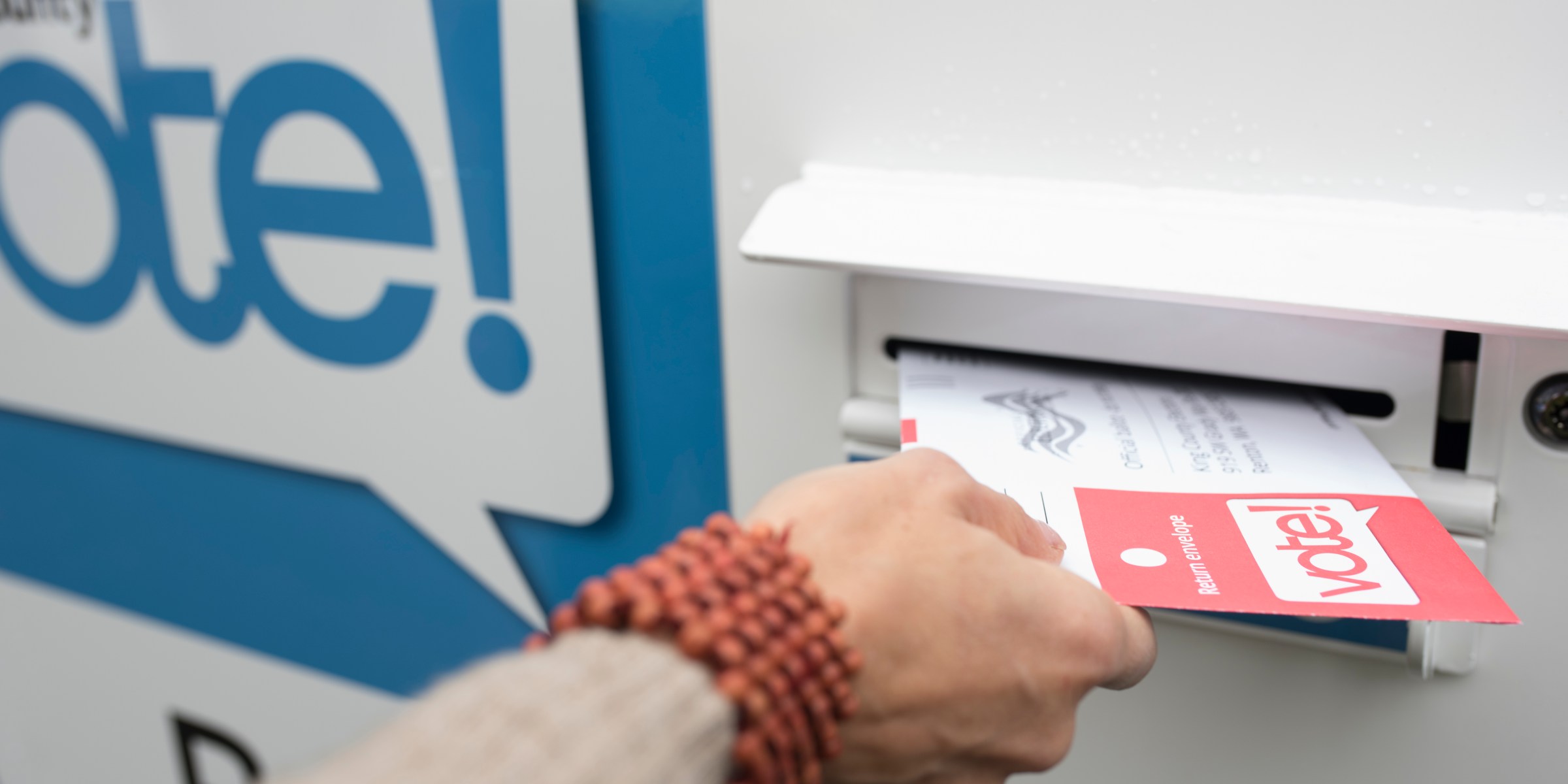
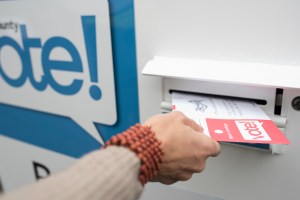 King County Elections (KCE) mailed out ballots to 1.4 million voters. If you have not received your ballot, you can access and print your ballot online and return it by mail or drop box, as you usually would.
There are 15 ballot measures on the General ballot this year, and several important offices, including King County Executive, Metropolitan King County Council, and Port of Seattle Commissioners.
Drop your ballot in one of the 74 drop box locations across the county by 8 p.m. on Tuesday, Nov. 2; drop it in the mail to be postmarked by Nov. 2; or visit a Vote Center.
View A Voter’s Guide to the Finish Line: Frequently Asked Questions & Answers here, and for more information visit www.kingcounty.gov/elections.
Share this:

Upcoming COVID-19 vaccination clinics for King County employees
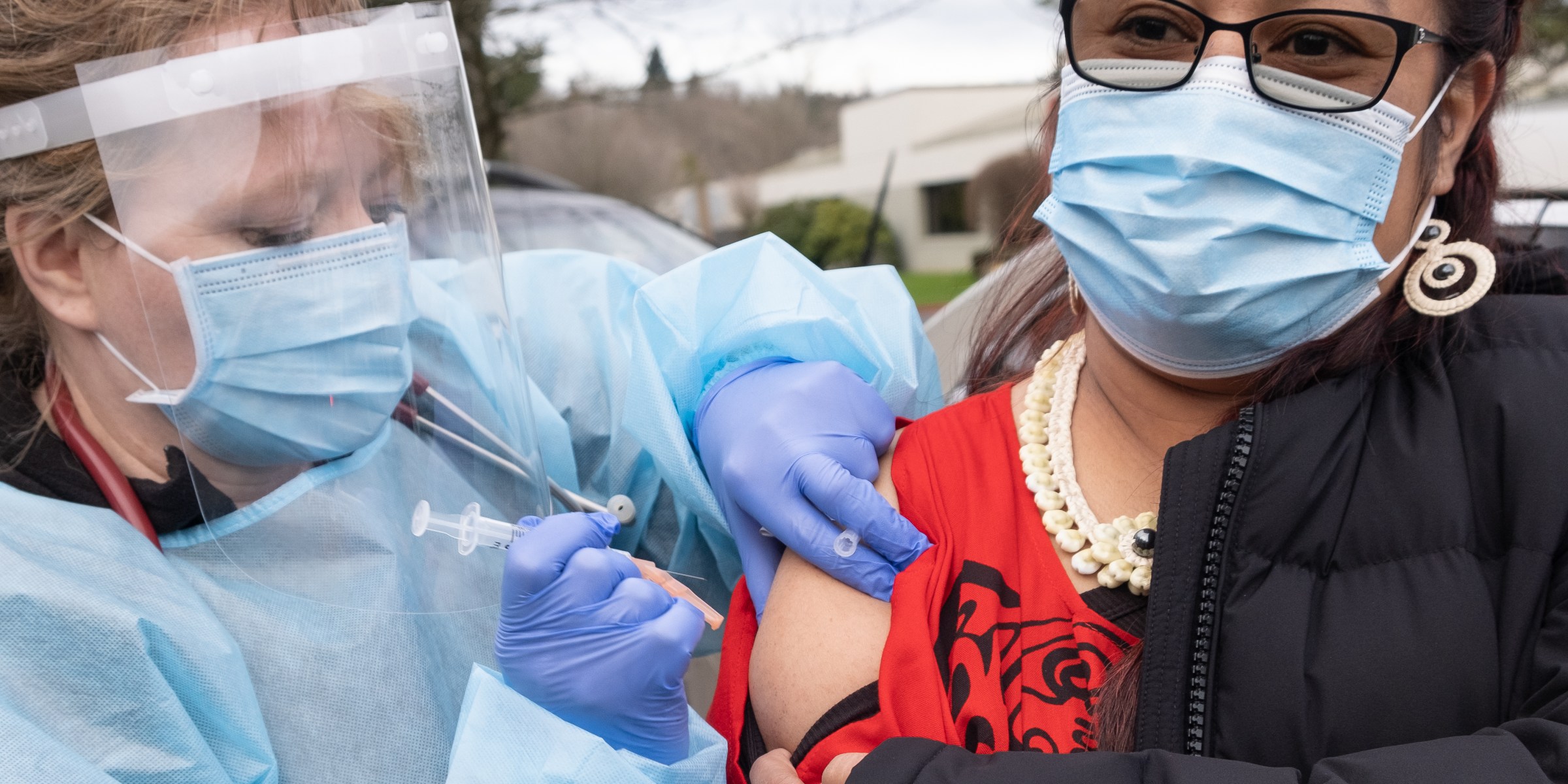
In November, King County is hosting five COVID-19 worksite vaccination clinics open to all employees and family members ages 12 and older. All three vaccine types –Pfizer-BioNTech, Moderna, and Johnson & Johnson – are expected to be available.
The clinics are intended to support employees who are in the process of completing their initial COVID-19 vaccination series to comply with the Executive’s vaccination mandate.
In addition, COVID-19 booster shots will be available to those who are eligible. Although not currently required, booster shots are recommended and encouraged for specific populations, including people who work in occupational or institutional settings that put them at high risk for COVID-19.
Walk-ins are welcome, but pre-registration with the vaccinator partner Pliable is strongly encouraged to save time. If you have received any prior doses, please bring your CDC vaccination card with you.
Pliable’s terms and conditions can be viewed here, and are also available at the clinics.
Employees will be paid for time spent getting COVID-19 vaccinations, including boosters. Information on COVID-related leave is available here.
- Monday, Nov. 8, from 2 – 5 p.m., Chinook Building, Conference Rooms 121-123, 401 Fifth Avenue, Seattle. Register here.
- Wednesday, Nov. 10, from 10 a.m. – 2 p.m., Cedar Hills Regional Landfill, 16645 228th Ave SE, Maple Valley. Register here.
- Monday, Nov. 15, from 10 a.m. – 2 p.m., Cedar Hills Regional Landfill, 16645 228th Ave SE, Maple Valley. Register here.
- Tuesday, Nov. 16, from 9 a.m. – noon, Regional Communications and Emergency Coordination Center (RCECC), 3511 NE 2nd St., Renton. Register here.
- Tuesday, Nov. 16, from 1 – 4 p.m., Road Division – Renton Maintenance Facility, Building C Conference Room, 155 Monroe Ave NE, Renton. Register here.
View a poster of the November COVID-19 Vaccination Clinics here.
Share this:

Access Transportation broadens services in response to pandemic
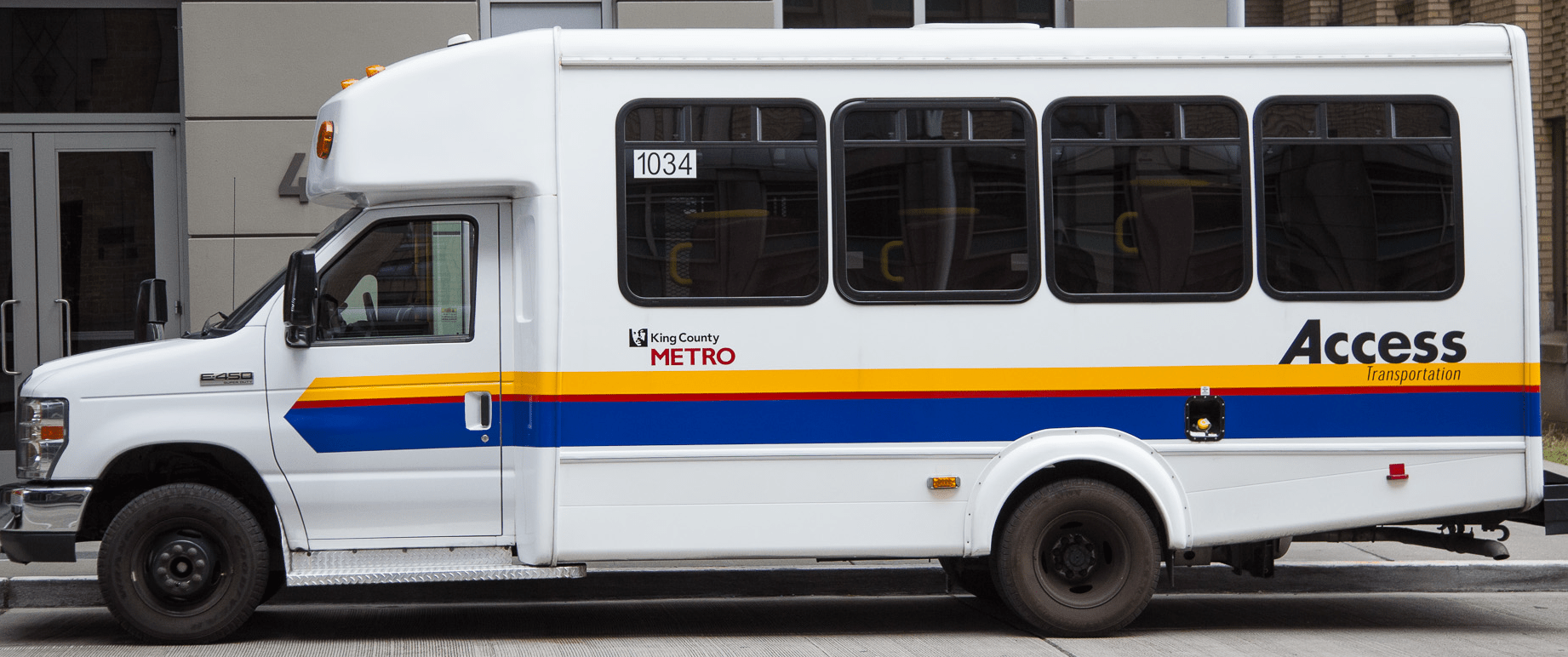
Access Transportation is a transit service for eligible people with disabilities, taking them anywhere a Metro bus, Seattle streetcar, or Sound Transit light rail goes. Last year, as the COVID-19 pandemic spread and services across King County adjusted to the new reality of taking extra public health measures for safety and creating additional services supporting the community, Access took on extra responsibilities providing urgent assistance outside its normal sphere of responsibility.

One of the first steps was to ensure the safety of the Access employees and those they service. On short notice, Access created a partnership with Public Health – Seattle & King County to help transport people who were exposed to the virus. Using vehicles outfitted with Plexiglas barriers, Access transported exposed people from isolation centers to medical appointments and shelters. None of the vehicles in the special fleet were used for regular Access trips.
When many were sheltering in place, even a trip to the grocery store was a risk. There were also many families who lost their jobs and were experiencing food insecurity. Access teamed up with food banks and hot meal programs throughout the region to deliver food directly to families. More than 158,000 meals have been delivered through August, and the food delivery program is expected to continue through the end of 2021.
Access continues to be part of a successful effort in getting people vaccinated. Working with Public Health – Seattle & King County, Access helps make sure that transportation isn’t a barrier to receiving the vaccine providing rides to people such as seniors with limited transportation choices. Access also coordinated with community partners in sharing information, even using our phone system to reach out to the homebound. This support has helped King County reach an impressive vaccination rate of well over 90% of those over 65 years of age, and more than 80% of those age 18-64.
Access Transportation provides an essential service to people with disabilities and is committed to ensuring every rider is offered safe and convenient transportation.






 Employee News