
Some good news

Crossposted from the Captain’s Blog
We interrupt this beautiful day to bring you beautiful news – more water taxi service is floating your way starting Monday, June 22!
As Washington State moves forward with its “Safe Start” plan, the Marine Division is enhancing service on the water taxi routes to Vashon Island and West Seattle starting next week. Both routes will operate a Monday to Friday commuter schedule.
This means that service will triple over its current level of service.
Share this:

Featured Job: Public Defense Investigator

Salary : $36.22 – $45.91 Hourly
Location: Seattle, WA
Job Type: Multiple job types-career service and/or temp
Department: DPD – Public Defense
Job Number: 2020SE11769
Closing: 6/30/2020 11:59 PM Pacific
Learn more about this position or view all available positions.
Share this:

King County Metro restores some transit service starting June 22
 Crossposted from Metro Matters
With stabilized workforce levels and the state’s “Safe Start” plan moving forward, King County Metro will restore service on dozens of bus routes, increase water taxi service, and partially restore Via to Transit on Monday, June 22.
The move fully restores 23 bus routes that were canceled in March and April and adds trips to other routes. A few recently canceled peak commuter routes will be restored, while other routes will remain suspended due to financial constraints and lower anticipated ridership.
The result is Metro will operate more than 11,000 weekday bus trips, or 85% of its pre-COVID service level. Saturday service will be 8,200 trips (99%) and Sunday service will be 7,000 trips (99%). Starting Monday, Metro’s will increase the number of transit operators providing service from 64% to about 80% of pre-COVID levels. Read more.
Share this:

Community support: Helping seniors stay safe at home during COVID-19
Crossposted from Community Connections
The growing senior population in King County has been facing unprecedented challenges due to COVID-19.
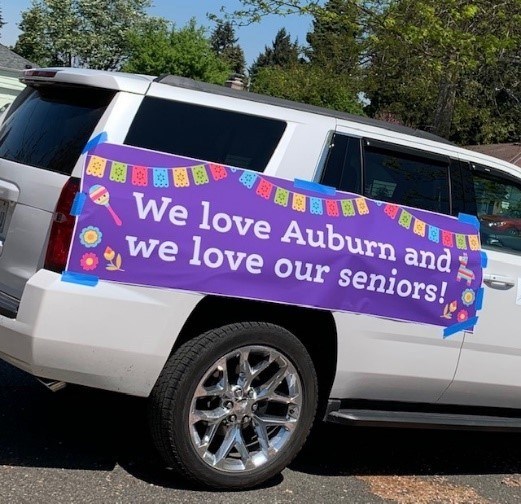
Our Veterans, Seniors and Human Services Levy (VSHSL) funded senior centers have prioritized keeping their community of seniors safe while adapting typical service delivery and developing new ways to meet clients’ needs.
Below, we feature three VSHSL-funded senior centers that have found creative ways to serve seniors during this challenging time.
Share this:

Mindfulness Classes: Back by popular demand, multiple dates
As we continue to maneuver through this very difficult time in our society, it is important that we manage our mental health and stress levels. Balanced You heard from employees that Mindfulness Classes have helped alleviate some of the anxiety many are experiencing, so we are continuing to provide them through August.
In this two-hour workshop, we will review the various aspects of mindfulness practice, the ways mindfulness can help reduce stress, reactivity and burnout, and the science that supports the practices. The workshop includes hands-on learning of several simple but effective mindfulness practices that participants can put to use in their lives right away.
View the Mindfulness Classes schedule, and for more information contact
BalancedYou@kingcounty.gov.
Share this:

Financial resources for King County employees

 COVID-19 has resulted in urgent financial needs for many households. Fortunately, there are ways King County employees can receive financial help. Read this Balanced You blog post for information on T. Rowe Price and My Secure Advantage.
Share this:

Navigating grief during COVID-19

 Crossposted from Public Health Insider
The COVID-19 pandemic may be introducing new layers of loss – social isolation, disrupted routines and cancelled future plans, financial strain, illness, and perhaps death – to everyday life. On top of COVID-19 and its varying effects, you may be feeling loss and pain as you process the continued harm and injustice to Black communities. Experiencing or realizing the layers of oppression and systemic racism communities are facing within this ongoing pandemic is painful, complex, and full of grief. Grief is the response you have to losses in your life, and it is as unique as the individual experiencing it. No one else has the same emotional and physical connection, or story linked to the experience of your losses.
You may be feeling a variety of feelings as well as experiencing these losses in different ways. Grief is complex and unique – and during COVID-19, even more so. Below are strategies and suggestions to consider as we navigate this complex time.
Read more from Public Health Insider
Share this:

Juneteenth: Commemorating the end of slavery in the United States
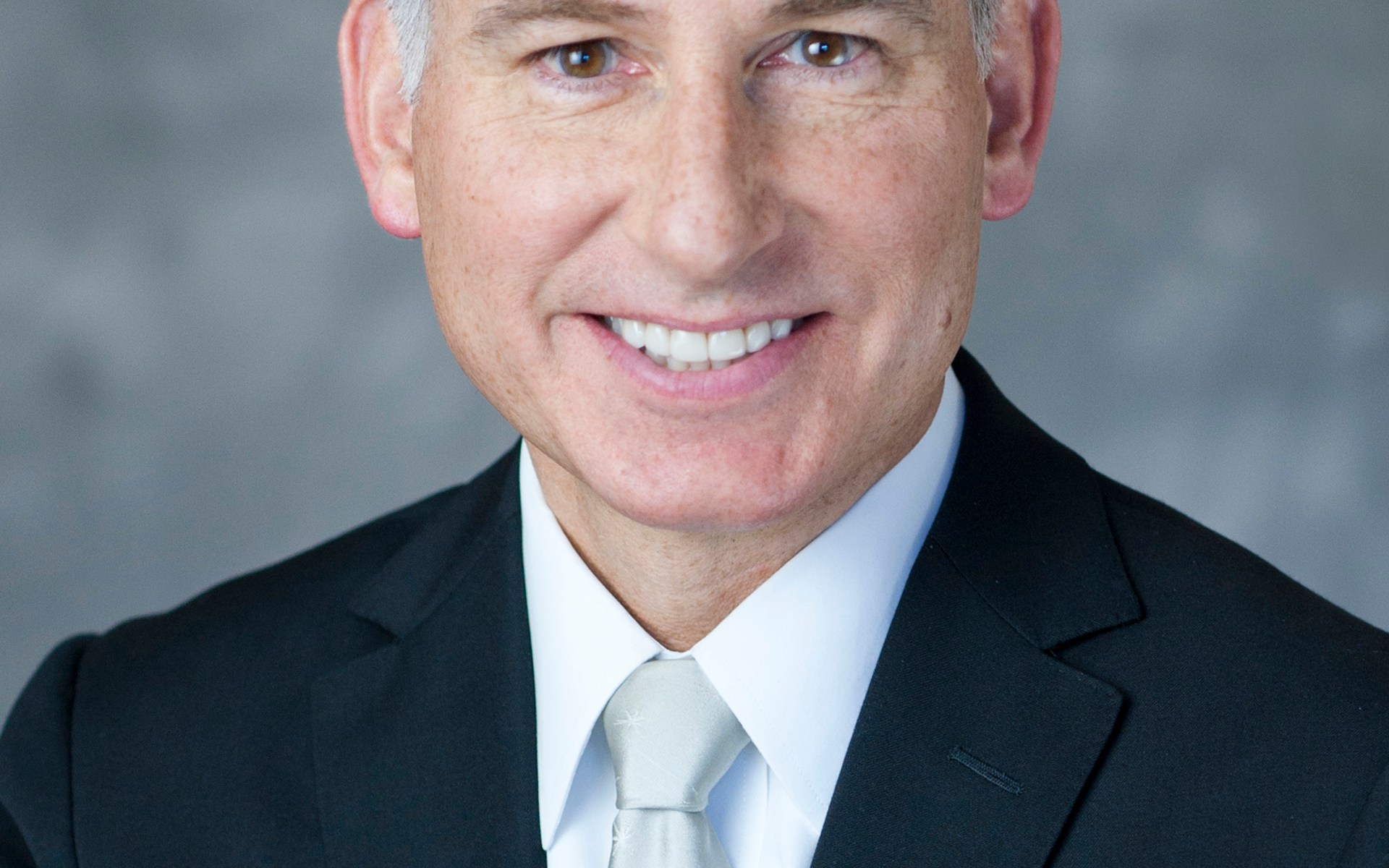
 Dear fellow King County employee,
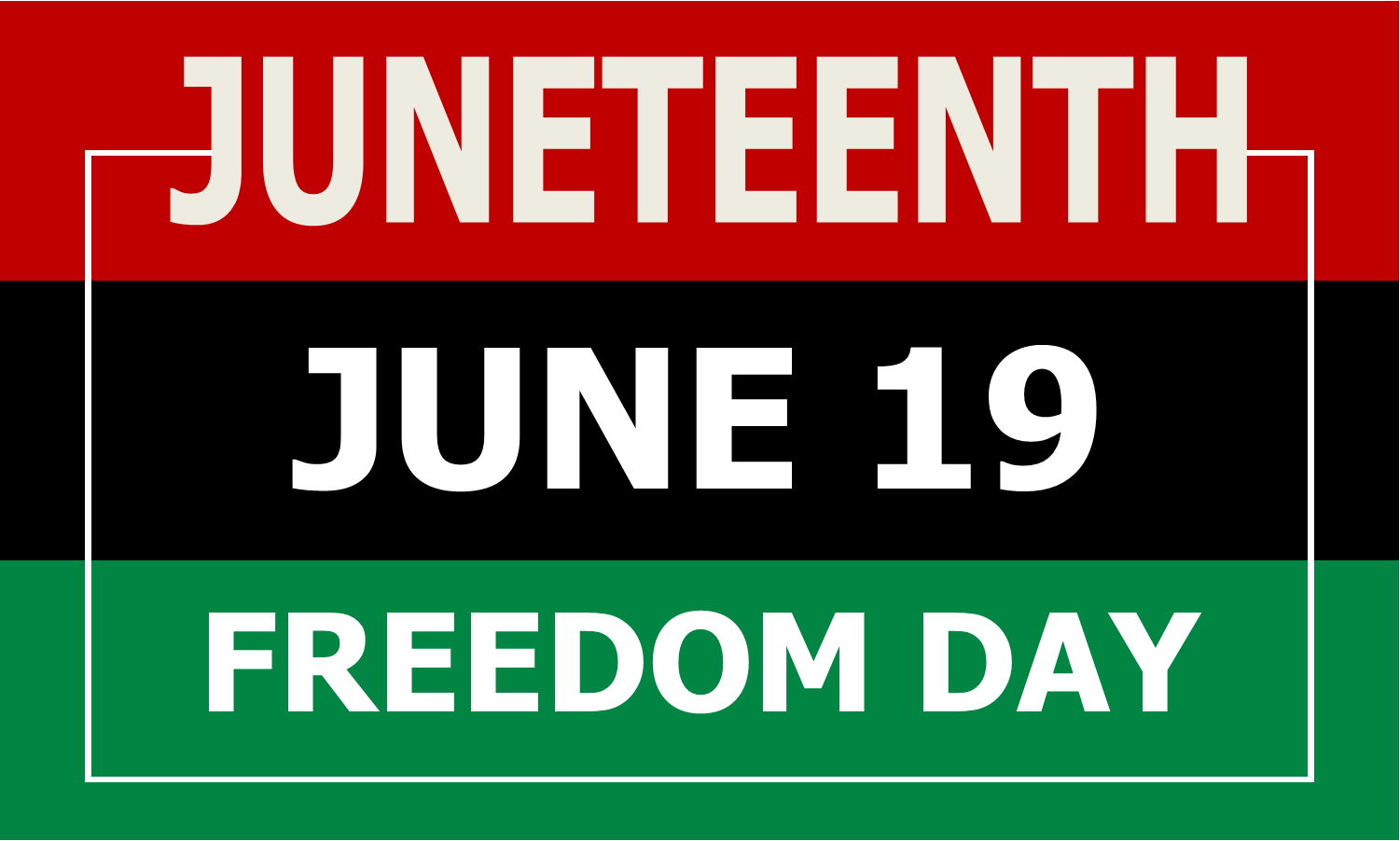
Tomorrow, June 19, we celebrate Juneteenth, marking the day in 1865 that Union soldiers landed in Galveston, Texas, with word that the Civil War had ended and that enslaved Africans were now free.
Juneteenth is the oldest known celebration commemorating the end of slavery in the United States, and is an opportunity to reflect on and learn about our nation’s history, Black history, our shared history. It is a time to celebrate the vital contributions that Black and African Americans have made – and continue to make – to this country. It is an opportunity to learn from some of the most shameful aspects of our past as we work to create a better future. It is also a reminder that we must redouble our efforts to intentionally dismantle the institutions of systemic racism and the unearned privilege that comes with being born white, and build an equitable, racially just future.
Black History is our history, the heritage of our nation and county. While Juneteenth is not yet a National Holiday, it is recognized as a state holiday or officially recognized in 47 states. As King County Executive, I want us to make Juneteenth a day of service, learning, action and progress for all King County employees. Further, I pledge to work with our labor partners and the King County Council toward the goal of making Juneteenth an official holiday in honor and recognition of the immense contributions of Black and African Americans. I want to honor and recognize King County’s government’s Black African leaders for organizing and allowing our employee community to be part of a series of “Town Halls on Race, Racism & Change in the Age of COVID-19.” These sessions, dedicated to collective reflection and action, unity, and healing, center on the depth and breadth of the Black African experience, especially in the wake of police violence against and killings of Black and Brown people, and the ongoing trauma of racialized violence. Our Balanced You Program has also curated a list of Emotional well-being resources for Black communities to support health and healing of our Black employees.
Today, Black and African Americans continue to face deeply entrenched racism, violence, and discrimination. We all have a role to play in building a racially just future. We can start by learning about systemic racism and what we can do to dismantle it. Let us commemorate Juneteenth as a day of healing and reflection for Black employees, and a day of service for all King County employees. I strongly encourage us each to donate or volunteer as we are able at local community-based organizations that are Black-led or advance issues and priorities for Black/African American communities. You can find a list of organizations that participate in our Employee Giving Program here. Later this year you will be able to donate time as well as money during the 2020 Annual Giving Drive. You can also find resources on being an anti-racism ally here.
Juneteenth 2020 is a time for hope, marked by historic demonstrations and calls for racial justice in King County and across the United States, indeed around the world. It is time to turn these calls into action, to harness the passion and momentum, to stand together and truly live our We are Racially Just value, to grasp this moment in our history and build a future free of racism, violence, and hate.
Sincerely,

Dow Constantine
King County Executive
Share this:

King County distributing 25 million face coverings to residents, workers and businesses

 With King County preparing for a transition to Phase 2 of the Governor’s Safe Start Plan, and county and state directives about face coverings in effect, the county is distributing 5 million cloth face coverings and 20 million disposable face coverings to residents, workers and businesses.
“We made good progress at flattening the curve, and saved thousands of lives, but with increasing activity comes the need for ever-increasing vigilance to protect each other from COVID-19,” said King County Executive Dow Constantine. “The county is providing these face coverings at no cost so that everyone who needs them can get them.”
The county’s goal is that each resident could receive two cloth face coverings, which can be washed and re-used. The disposable face coverings are intended for use by customers and community members who don’t have their own face coverings at government offices, retailers, faith-based organizations, and other gathering places. The distribution plan is being finalized with the help of various government agencies and community organizations, including cities, chambers of commerce, the King County Department of Local Services, community-based organizations, religious institutions and unions.
“We have received the first shipment of 1.5 million cloth face coverings and have already distributed them to 16 cities in the county and the Bellevue Chamber of Commerce,” said Brendan McCluskey, director of King County Emergency Management.
Due to the high volumes of face coverings, not all will arrive or be shipped out at the same time, and distribution may take about a month.
The King County Council received a supplemental budget request on June 11 which includes about $11 million for the purchase of the 25 million face coverings.
In addition to the recent purchase of 25 million face coverings, King County will receive another 800,000 cloth face coverings from the state which will be distributed by community organizations to residents in need. The county also bought 75,000 17-ounce bottles of hand sanitizer for distribution through the same groups as above, for use by employees and customers.
Separately, King County Emergency Management has already distributed 50,000 cloth face coverings received from the state to community-based organizations, more than 31,500 to cities for employee use, and 48,000 (22,000 from the state and 26,000 purchased) to King County employees.
Share this:

Finding connection and centering People of Color during Pride 2020

 In June of every year, Pride Month – a celebration of visibility, equality, connection, and self-affirmation – is celebrated by the LGBTQ+ community across the country and around the world. This year, as the Black Lives Matter movement grows, it is important to remember that the first Pride was held in commemoration of the 1969 Stonewall riots. These riots, led by trans women of color fighting against police brutality and oppression, were the catalyst for the rights our LGBTQ+ community has today.
As we continue to protect ourselves and our community from coronavirus, we know that a quarantined Pride will look different than past Prides. Though parades have been canceled, the celebrations have not, and Balanced You encourages you to take this time to intentionally live into the spirt of Pride by connecting safely, uniting virtually, and amplifying and celebrating the queer Black and Brown voices who paved the way for equal rights.
Pride 2020 marks the 50th year of Pride celebrations. In the face of the pandemic, organizers throughout Seattle and the world have come together to develop virtual Pride events. Visit the Balanced You blog for more information.






 Employee News