
Pet of the Week: Miss Daisy

 Hi! My name is Miss Daisy and I am available for adoption. I was brought in by my previous owner on May 24, 2019 because they could no longer house me safely. I lived in a home with another dog named Miss Leena, we are best friends and would love to find a home together! I’m a social butterfly and I am the party of the room everytime! I’m such a sweet little gal with so much love in my heart! My personality color is GREEN. I am an adaptable dog who loves to go with the flow! I am outgoing and carefree, and I just can’t wait to find my forever home! For more information, please reference Animal ID Number A585555 and call 206-296-3936.
To see this pet and view other animals available for adoption, visit www.kingcounty.gov/adoptapet.
Share this:

Featured Job: User Experience Designer

Salary: $106,889.33 – $135,488.70 Annually
Location: Seattle, WA
Job Type: Special Duty Assignment or Term Limited Temp (TLT)
Department: KCIT – Information Technology
Job Number: 2019-09564
Closing: 6/7/2019 11:59 PM Pacific
King County is looking for an experienced UX designer to join our growing User Experience team. As a UX designer, you will own the design of a product from start to finish: from conducting user research and creating elegant designs that help users achieve their goals, to validating designs through usability testing. We’re looking for someone who will bring a deep empathy for the user, an outstanding visual aesthetic, and a conscientious approach to projects. You should have a great design sense, a thoughtful portfolio, and enthusiasm for working through complex problems.
King County Department of Information Technology (KCIT)
KCIT is providing the building blocks for many of the region’s most critical services. As the business solutions partner, we collaborate with the 18 County departments to develop products and services that better serve the needs of our customers and our community. To learn more about KCIT, please visit: http://kingcounty.gov/depts/it.aspx
Learn more about this position or view all available positions.
Share this:

Training Spotlight: Lean Basics

Lean Basics, July 18: Have you heard about Lean before? Have you wondered if Lean could be applied on your job? Come and join us in the Lean Basics course where you will become familiar with the fundamental principles of Lean; such as Waste Identification, Visual Management, and Continuous Improvement. Students will engage the materials through instructor lead classroom discussions, and interactive hands-on learning. Register and learn more.
View more training and development opportunities at www.kingcounty.gov/learning.
Share this:

Tech Tip: Use common sense


How to access the training:
To start your Cyber Security Awareness Training please login at:
https://sso.securingthehuman.org/kingcounty/
Your account for Securing the Human:
- Username: King County email address
- Password: King County email password
For more information about Cyber Security please visit our Sharepoint site:
https://kc1.sharepoint.com/teams/ITISRC/ISRCPUB
Share this:

Apply now! 2019 Balanced You Worksite Fund
How do you want to be healthy and well at work? Apply now for a Balanced You Worksite Fund grant to help you and your coworkers bring your own innovative ideas and solutions to life.
When you apply through the Balanced You Worksite Fund, you have an opportunity to create positive change for you and your coworkers. The Worksite Fund is a competitive grant process that will award approximately 20-30 projects across County agencies to improve health, well-being, and safety in our worksites. Grants up to $5,000 will support a variety of projects, from the purchase of kitchen equipment and supplies, to workshops, team-building activities, and social clubs. The intent is to fund projects in a wide variety of health and well-being domains, so get your creative juices flowing!
Read more from Balanced You
Share this:

Read the newly released Local Food Initiative Report!
 The King County Local Food Initiative 2018 Annual Report highlights significant accomplishments and tracks our progress toward building a stronger local food system over the year, including:
Protecting more than 920 acres of farmland and getting more than 630 acres of fallow land back into food production in King County since 2016;
- Increasing farmer sales at King County’s farmers markets by nearly 5 percent year-over-year since 2017;
- Enrolling 26 aspiring farmers in training programs in 2018; and
- Supporting the Fresh Bucks Benefits program so that nearly $500,000 in Fresh Bucks were redeemed by low-income shoppers at farmers markets in 2018.
These are just a few of the examples of work King County and food systems stakeholders have done over the past few years to support farmers, increase sales of locally grown food, and bring the nutritional benefits of that food to more people. View the full report here.
Share this:

Last chance! Don’t forget to register for the 2019 BBY5K by May 31

The Big Backyard 5K (BBY5K) fun run and walk presented by Kaiser Permanente is set for Sunday, June 2 at King County’s Marymoor Park and will feature a 10K race option to celebrate the event’s 10th anniversary. Registration for the 2019 run is easy – sign up online at www.bby5k.com through May 31 and in-person on race weekend. King County Employees can create or join a King County Team and use the promo code KC5 to receive $5 off their registration. The event promotes fitness and community involvement and has raised more than $300,000 for King County Parks in the past nine years.
The Big Backyard 5K is also sponsored by Harborstone Credit Union, Super Jock ‘N Jill, and Parent Map. Funds help leverage King County taxpayers’ investment in parks, trails, and open space by keeping these features open and safe for all to enjoy. Read more in the official press release.
Share this:

Ready, set, get to know the CSA@Work Program
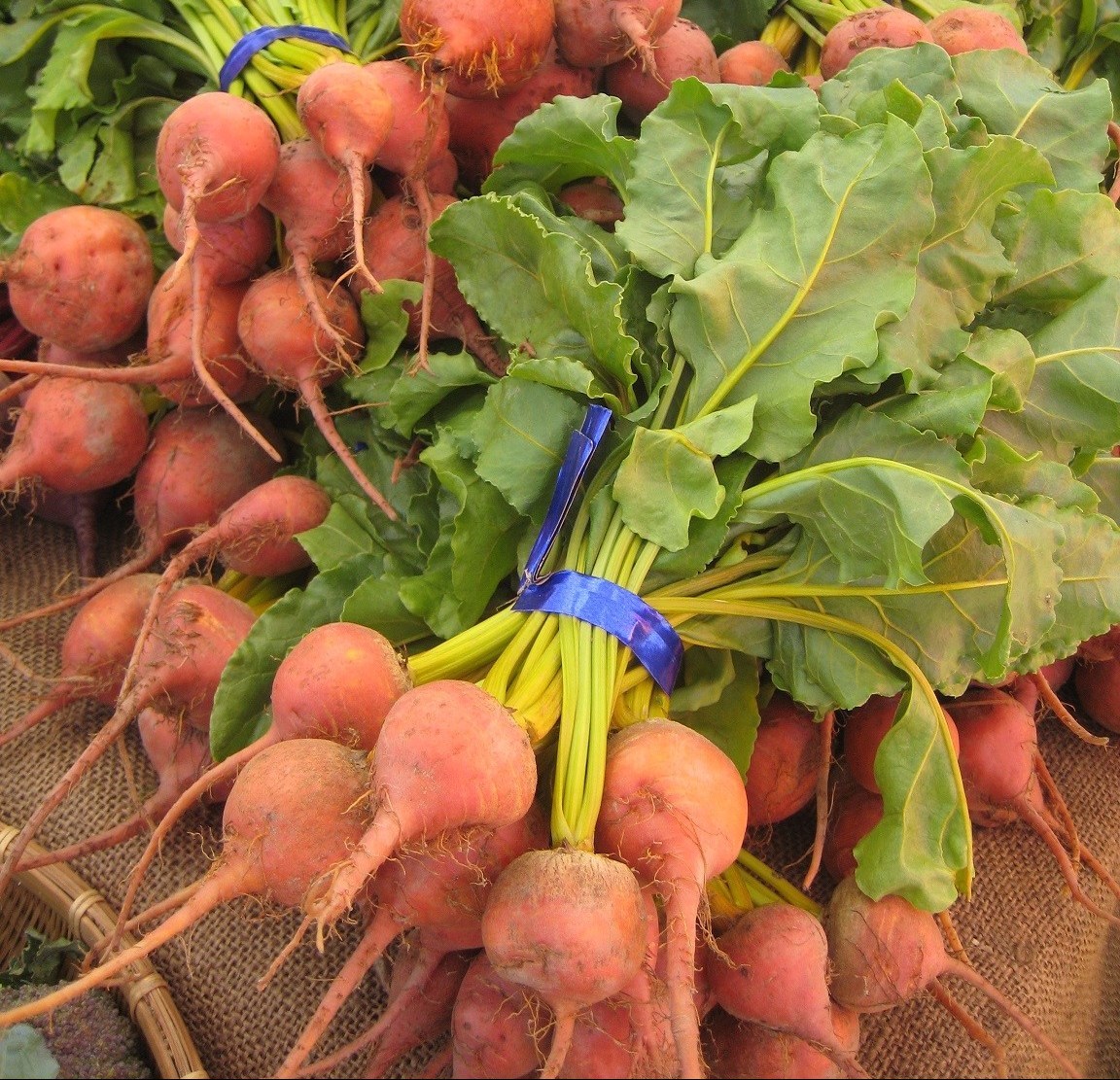
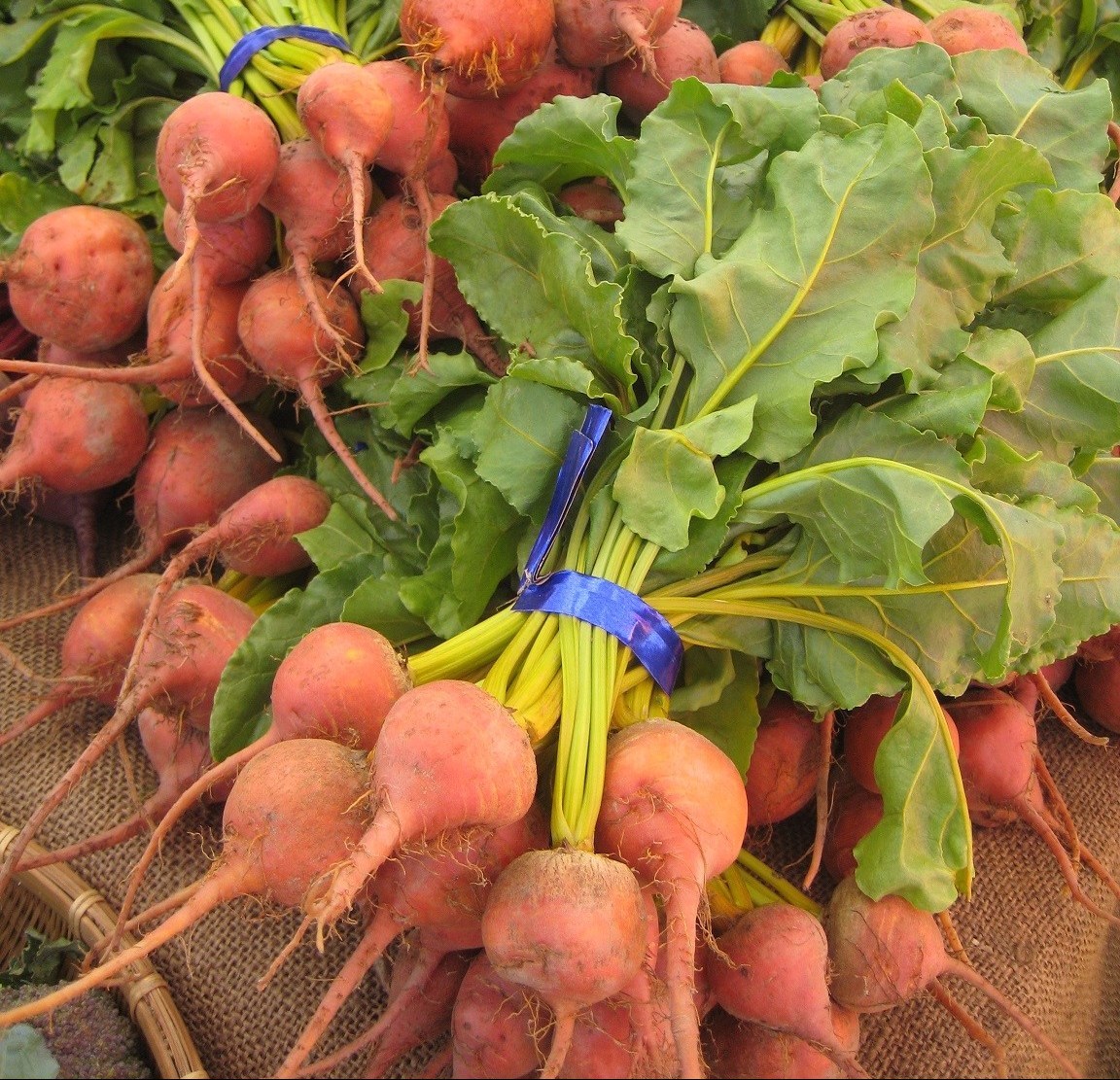 CSA@Work sign-ups are currently open through early June! Learn more about the program here, check out a few frequently asked questions (FAQ) below or reach out to Balanced You for more support.
What is a CSA? CSAs (Community Supported Agriculture) are a great way to support local farmers and keep our region thriving while enjoying fresh seasonal produce delivered right at/near work. Individuals can subscribe or sign up to receive boxes of fresh goods directly from farmers who offer a “share” in their harvest. Typically, the share consists of a weekly box of vegetables delivered throughout the farming season. Fruits and other add-ons are also available.
How does it work? Beginning late June, weekly boxes will be delivered to participants at 10 King County worksites. Each worksite has a site coordinator – employees that have volunteered to make this program work smoothly. They are available to help if you need assistance in accessing your box.
Read more from Balanced You
Share this:

Transforming how the region funds employment and job training to connect more people to high-demand careers

 King County Executive Dow Constantine and Seattle Mayor Jenny A. Durkan are transforming how the region funds employment and job training, uniting the efforts of local governments, businesses, labor and philanthropies to connect more people to high-demand jobs.
Here are highlights of the transformation:
- Prioritize employment and training for those who face the most barriers to opportunity.
- Improve coordination between employers, labor, and educators to make sure job seekers are prepared for the best career opportunities available right now.
- Better align local, federal, and philanthropic funding to maximize the impact and produce better results.
“We brought together businesses, labor, philanthropies, and educators to transform the local workforce system so we can connect more people to good-paying jobs available right here, right now,” said Executive Constantine. “Together, we will remove barriers to opportunity so that more of our neighbors can participate in our region’s historic job growth, providing local employers with the well-trained talent they need to compete in the global economy.”
Read more in the official press release.
Share this:

Supported Employment in Transit: Brandon Sims
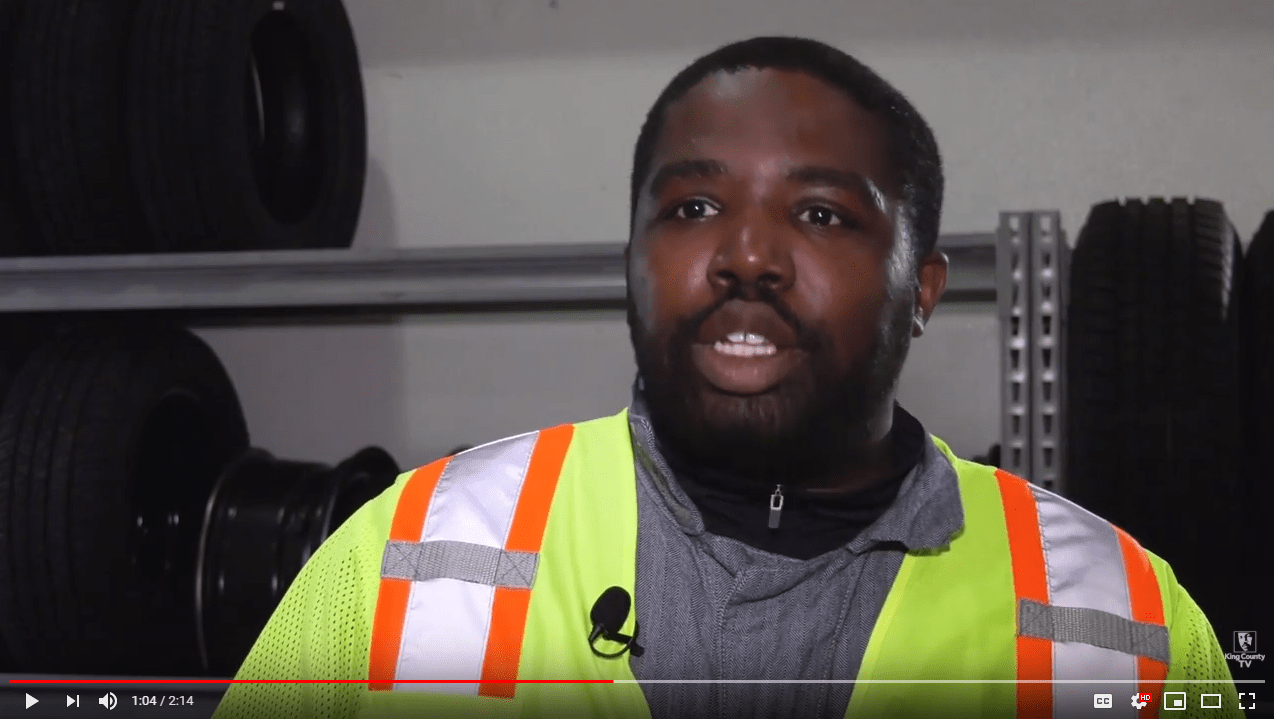
King County’s Supported Employment Program matches job seekers with developmental disabilities to jobs by identifying efficiencies and unmet needs throughout King County government. Department of Metro Transit’s Vehicle Maintenance Division partnered with Christina Davidson, Supported Employment Program Manager, to hire through the Program to meet their business needs at the Non-Revenue Base detailing vehicles. Big thank you to Transit leadership for their commitment in building an inclusive workforce!
Brandon Sims started working with the Transit in July of 2018 to provide support around the shop as well as detail non-revenue vehicles, all none bus vehicles utilized in Transit. “Brandon has done very well… You tell him what you need done and he goes to it.” stated David (Tom) Personius, Vehicle Maintenance Chief.
There are now 55 employees in the Supported Employment Program with the Department of Assessments and Elections recently hiring supported employees to provide administrative support in May. “The Program has started to grow because of the support from King County leadership and labor unions,” stated Christina Davidson, Supported Employment Program Manager.
Watch the short video below that highlights Brandon in the Supported Employment Program and contact Jeff Casem to learn more about ways you can take advantage of this program.






 Employee News