
Oxygen masks resuscitate pets suffering from smoke inhalation

The number one cause of death related to fires is smoke inhalation. In King County, firefighters are all trained emergency medical technician (EMT) basic level qualified. This means they know how to apply oxygen, when to apply oxygen, and how to administer it in a safe manner to humans. However, what happens when a beloved animal has suffered from smoke inhalation?
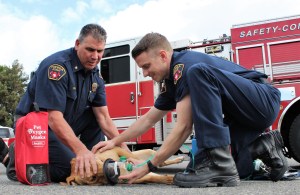
Pictured: Assistant Chief Chris Flores (Left) and Firefighter Apprentice Mark Goetsch (Right) of Tukwila Fire Department demonstrate how to properly apply a pet oxygen mask to a dog.
Thanks to an investment from Regional Animal Services of King County (RASKC), emergency responders in Tukwila are now equipped with life-saving oxygen masks for pets.
The idea to ADD animal masks to Tukwila Fire Departments fire responding vehicles originally came about when RASKC met with Tukwila Fire Department’s disaster preparedness team to talk about sheltering pets and people. The fire department was interested in acquiring oxygen masks for their fire teams to use when responding to fires involving pets.
“RASKC was excited to be meeting in support of Tukwila’s disaster preparation efforts for pets,” said Gene Mueller, assistant division director of Records and Licensing Services. “We saw this as an extension of our goal to assist animals in emergencies, and an opportunity to work with Tukwila Fire to pilot their use locally.”
After receiving the masks, the next step was to develop training that could be implemented. Tiffany Hanson, a veterinary technician who also works within Tukwila Fire Department’s Emergency Management Division, collaborated with Tukwila Fire Department as well as local veterinarians in an effort to create this training program.
“The training program will be used by our department to make sure that our people understand the proper use of the mask, how it can be applied, and when it can be applied,” said Tukwila Fire Chief Jay Wittwer. “Those in the fire service that will receive this training already have training in these areas for human life and this is just an application for delivering oxygen to pets.”
Jay came from a previous fire department that used the pet resuscitation masks and was familiar with the impact they could have.
“I was in the city of North Las Vegas in Southern Nevada, and majority if not all of the fire agencies in that region used the pet oxygen masks,” said Jay. “I was very familiar with them and used them myself. These pet rescue animal masks really do a great job at assisting animals to overcome the effects of toxic smoke.”
As members of the South King County Fire Training Consortium, Tukwila Fire Department wanted to ensure that the training they developed was adequately reviewed before distributing it to the other departments. Tukwila Fire Department also plans to release a training video to accompany the workbook.
“We wanted to make sure that everyone had this orientation and received the training and went through it the proper manner,” said Jay. “We put it into the hands of the training consortium and allow them to go through their process. Then we will get it out as soon as everyone has had that training we will place those units on our fire responding units. I have used these masks dozens of times over the years and without a doubt have had phenomenal results.”


Share this:

Local Hazardous Waste Management Program aims to remove dangerous chemical by 2025 from dry cleaners
The Local Hazardous Waste Management Program (LHWMP) project to transition dry cleaners from using perchloroethylene (PERC) to professional wet cleaning technology has successfully transitioned the first five cleaners.
“PERC is a common dry cleaning chemical linked to cancer, liver damage, and neurological problems,” said Ashley Pedersen, policy liaison for LHWMP. “Approximately 190 former and current dry cleaning sites in King County have been contaminated by PERC. The national average cost of clean-up is $200,000”
There are about 75 dry cleaners in King County that use the dangerous dry-cleaning chemical PERC to clean clothes. LHWMP is working to help King County become PERC free for dry cleaners by 2025. This effort is in advance of a possible federal restriction or ban on PERC.

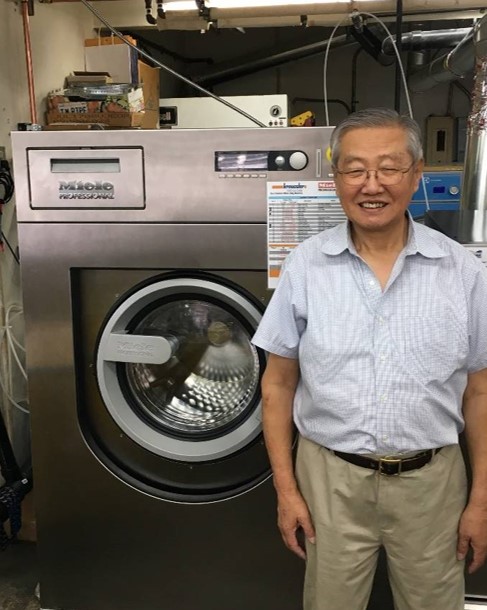
Pictured: Sun Cleaners, a recipient of the grant, shows their old dry cleaning set up.
The goal for 2018 was to provide five $20,000 grants to reimburse dry cleaners for replacing their PERC technology with professional wet cleaning technology. Within weeks of making the grants available, all five grants were issued to shops that transitioned to professional wet cleaning. The shops taking part in the pilot program were Andres Dry Cleaners in Sammamish, Best Campus Cleaners in Federal Way, Country Cleaners in Covington, Sun Cleaners in Seattle, and Wallingford Dry Cleaners in Seattle.
Going forward, LHWMP will offer up to ten $20,000 grants per year until all dry cleaners in King County have made the switch. Five additional grants will be available this fall. The grants are provided through the LHWMP, which is funded by fees on solid waste and sewer services in King County.
“As dry cleaners face a potential federal restriction of PERC, they have an array of alternative cleaning methods that they can adopt,” said Ashley. “Some of these alternatives also pose health and environmental hazards. By offering financial incentive, technical assistance, and education, we can help dry cleaners avoid “regrettable substitutes” and adopt the safest alternative.”
Professional wet cleaning is the safest alternative to PERC because it uses only water and detergent, along with computer-controlled washers and dryer. The cost to switch to wet cleaning is between $45,000 and $60,000, depending on the size of the wet cleaning machine, whether they already own tensioning equipment, and the difficulty of installation. As part of the project, dry cleaners also switch out hazardous spot cleaning chemicals for safer spot cleaners.

Pictured: Sun Cleaners and an employee with the new grant funded technology.
“We realize that this is an industry made up a lot of small family-owned businesses,” said Ashley. “Helping offset this cost keeps people employed while facilitating the elimination of PERC.”
Dry cleaning shops in King County are predominately owned and operated by Korean-American. This project advances King County’s Equity and Social Justice Strategic Plan by working directly with this community to reduce chemical exposure and assist the owners and operators in developing safe dry-cleaning practices.
The Local Hazardous Waste Management Program is a multiagency program comprised of partners from King County Solid Waste Division, Water and Land Resources Division, Public Health, Seattle Public Utilities, 38 cities, and two tribes. This project is part of a larger LHWMP initiative to work ‘upstream’ to prevent the use of harmful chemicals. In April 2018, LHWMP worked with the King County Board of Health to pass a Resolution in support of protecting public health and the environment by reducing exposure to toxic and carcinogenic chemicals.
Share this:

An honest, open look at progress of our Equity and Social Justice Strategic Plan
Dear fellow King County employee,

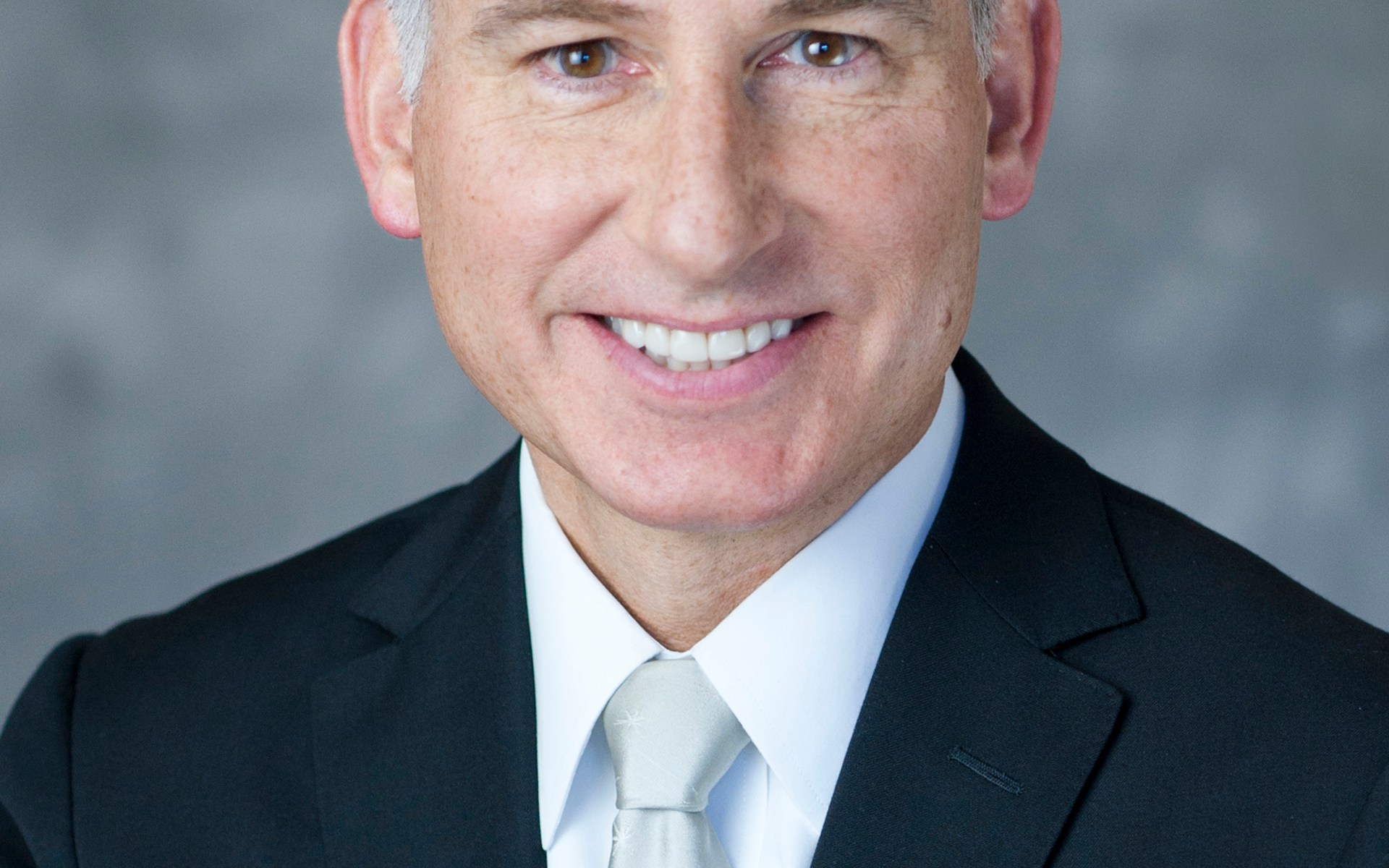
King County Executive Dow Constantine
King County has just launched a new public reporting website for our Equity and Social Justice 2016-2022 Strategic Plan to help us monitor, track and share our work to advance equity and social justice in our community. Unlike most governments that use websites as a trophy case to highlight success and ignore challenges, we are offering a comprehensive, transparent view of our work.
I invite you to explore this new site; you will see that we are not tackling only the easy-to-fix problems and, consistent with that, we are being transparent and accountable about our real gaps and challenges that remain in moving our equity work forward.
You will see how we are investing in you – our dedicated employees – to tackle systemic barriers to opportunity and produce measurable outcomes that aim to make our organization more equitable and racially just.
This new reporting platform also highlights how we are investing upstream and where the needs are greatest, on areas such as open space equity, homelessness, immigration, and zero youth detention. This includes the ways we are investing in community partnerships.
We are taking bold action – working with our employees, communities and partners to do better tomorrow to achieve our vision of a King County where all people have equitable opportunities to achieve their full potential in life.

Sincerely,

Dow Constantine
King County Executive
Share this:

Finding hope and raising awareness during National Suicide Prevention Awareness Month

Dear employee,
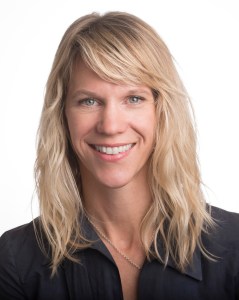
Whitney Abrams, Chief People Officer, King County Executive Office
September is National Suicide Prevention Awareness Month, a time to raise awareness and recognize that suicide prevention works, help is available, and recovery is possible.
Suicide has warning signs, and I encourage you to take the time to learn them. Connecting to help for yourself, a loved one, or a colleague can make the world of difference. Effective and compassionate resources are available, 24 hours a day, and many people have found hope and support through them:
- National Suicide Prevention Lifeline: 1-800-273-TALK (8255).
- Making Life Easier: Call 24 hours a day, 7 days a week: 1-888-874-7290 (for King County employees and their families). Making Life Easier has counselors available 24/7 and can help in a crisis as well as get you or anyone living in your home set up with counseling (8 free sessions).
- Crisis Connections: 24 hour crisis line: 866-4CRISIS (427-4747).
- Crisis Text Line: Text trained crisis counselors about anything that’s on your mind. Free, 24/7 and confidential. Text “HOME to 741741,
- For immediate crises, call 911 right away.
You can also learn more and get additional information at:
By taking the time to learn the warning signs and how to get support, we can all help someone in crisis.
Sincerely,

Whitney Abrams
Chief People Officer
King County Executive Office
Share this:

My 2019-20 proposed biennial budget
Dear fellow King County employee,
King County Executive Dow Constantine
Today I transmitted my 2019-2020 proposed biennial budget to the Metropolitan King County Council.
It is a budget that tackles major issues facing our communities, including homelessness and reforming the juvenile legal system. It preserves and protects more of our region’s natural resources and beauty on land and water. It restructures county government so we can serve our customers even more effectively. And it makes sure Metro Transit continues to serve an ever-increasing number of riders.
Some of the highlights include:
- $12 million for modular congregate shelters, micro dwelling units, and permanent supportive housing.
- $3 million to expand Law Enforcement Assisted Diversion programs to three south King County cities to facilitate treatment and community services instead of jail for people with behavioral health challenges.
- $170 million to control combined sewer overflows and update the long-term control plan.
- Using new debt financing to support $148 million to protect key habitat, urban open space, and forest and farms.
- Increasing bus service by 177,000 hours while investing in bus bases to maintain current and future fleets.
For this budget I have created a series of five short videos that tell the story of why we are making these investments, and I encourage you to watch each one:
Transmitting my proposed budget is the first step in a two-month public process, leading to Council adoption in November of a final County budget.
Thank you for your continued hard work and commitment to serving the people of King County.
Sincerely,
Dow Constantine
King County Executive
Share this:

Pet of the week: Bruno

Crossposted from Tails from RASKC
This handsome fellow is Bruno, our Pet of the Week!
Bruno came to us as a stray. Although we don’t know his history, Bruno’s caregivers have noticed that he enjoys the company of people. He just needs some time and patience to adjust to his new surroundings and human friends. Bruno is not an overly “touchy” guy, but he does appreciate a few pets here and there. This could change with time, but for now he just needs some space.
Read more at Tails from RASKC
Share this:

Training Spotlight: Excel: Level 1 and Overview of the PeopleSoft Database

Excel: Level 1, Sept. 26: Learn techniques for entering data into cells, working with data, and using data tables more efficiently. Discover how to finish your workbook and how to navigate and get help in Excel 2013. This class will also cover basic techniques for filtering and limiting data that can be entered into individual cells. Learn more and register on Eventbrite.
Overview of the PeopleSoft Database, Oct. 1: The Human Resources Division has scheduled training about the PeopleSoft Database. It is open to experienced PeopleSoft users who wish to learn about the data sets in the PeopleSoft HCM module. Learn more and register on Eventbrite.
Visit http://www.kingcounty.gov/learning to learn more about trainings and other opportunities to invest in YOU.
Share this:

Featured Job: Public Information Officer (Communications Specialist IV)

Salary: $85,015.00 – $107,762.00 Annually
Location: Seattle, WA
Job Type: Career Service, Full Time, 40 hrs/week
Department: Department of Transportation – Transit Division
Job Number: 2018DS08646
Closing: 10/1/2018 11:59 PM Pacific
King County Metro seeks a Public Information Officer (PIO) who has a passion for clear communication, a strategic mindset, and a love of working with the media, politicians and the general public. The PIO is one of two spokespeople for King County Metro who shape the external voice of Metro by developing, coordinating and disseminating information to the media and the public.
The PIO develops and maintains relationships with media, stakeholders, and diverse communities to connect the people of King County and the region with Metro Transit services, including bus, rail, paratransit, vanpool as well as new mobility options. The incumbent will work integrally with another work group member to perform a broad range of media relations and communications consultation duties, as detailed below.
For more information, contact Deandra Stanley, Human Resource Analyst, at 206-263-1421 or Deandra.Stanley@kingcounty.gov. Learn more about this position or all available jobs.
Share this:

Congratulations to DCHS Director Adrienne Quinn

Crossposted from the Best Starts for Kids Blog
Today King County Executive Dow Constantine announced that Department of Community and Human Services (DCHS) Director Adrienne Quinn has accepted a new position at the University of Washington’s Evans School of Public Policy & Governance as a Distinguished Practitioner (a faculty post).
We are deeply grateful for Adrienne’s leadership with our department and with Best Starts for Kids. Under her leadership and vision, we’ve launched the most comprehensive approach to childhood and youth development in the nation, living into our equity and social justice values at every step of the way. We are thrilled that she will be teaching and guiding the next generation of leaders in our region.
While our department will not be the same without her, we are thankful for the strong community of Best Starts for Kids staff and partners entrusted to continue our progress toward our shared vision for King County’s children, youth, and families.
Sincerely,
Sheila Capestany
Sheila Capestany serves as the Strategic Advisor for Children and Youth at King County and leads the County’s Best Starts for Kids initiative.
Share this:

Council establishes new Department of Local Services
Crossposted from Inside Transportation
by Harold S. Taniguchi, Director, King County Dept. of Transportation, Local Services Transition Lead
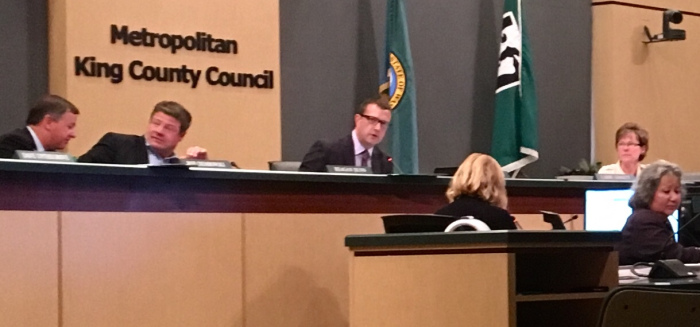
On behalf of all who work with residents of unincorporated King County, I want to thank members of the Metropolitan King County Council for unanimously adopting an ordinance to make our new King County Department of Local Services a reality.
As you can see in this statement from Executive Constantine, this Council action now leads us into the budget process. The Department of Local Services (DLS) will be funded with existing revenues, and the Executive will now include the DLS in the 2019-2020 biennial budget he will propose to the Council on September 24. The Council is scheduled to adopt a County budget by Thanksgiving.
Read more at Inside Transportation






 Employee News