


By Linda Robson

 Zero Youth Detention is King County’s aspirational goal for juvenile justice reform. Juvenile detention is a roadblock in our desire for all kids to be happy, healthy, safe and thriving.
@KingCountyZYD shares updates from King County government on local efforts to steer more youth away from courts and detention.
Follow Zero Youth Detention on Twitter today.

Closing: 07/13/18 11:59 PM (GMT -8:00)
Salary: $21.04 – $26.81 Hourly
Location: Renton, WA
Job Type: Career Service, Full Time, 35 hours per week
Department: Elections
Job Number: 2018-08269
#GoPublic and make a difference!
This is an amazing opportunity to be engaged in the elections process!
The Department of Elections is searching for an energetic and resourceful professional who likes to get “stuff” done. The Administrative Specialist II position in the Voter Services Department combines an exciting, fast paced environment with the opportunity to cultivate talents and apply a variety of skills. This position also provides backup support with translating and proofing election-related documents and web content to the Korean language. The ideal candidate will thrive in an innovative environment and will not hesitate to roll up their sleeves, work hard, have fun and get stuff done!
For more information, contact HR Analyst Queniya Lassiter at 206-477-3773 or Queniya.Lassiter@KingCounty.gov.
Learn more about this position or all available jobs.

Crossposted from Best Starts for Kids
Part 4 of our Community Owned Data blog series
This is the fourth post in our month-long Community Owned Data series we are doing to highlight our learnings from the Best Starts for Kids Health Survey. We brought the data to specific communities in the form of “data dives,” asked what they thought, and learned a lot from community input and data interpretation! In this post, we hear directly from a facilitator who led a Latino/a data dive event.
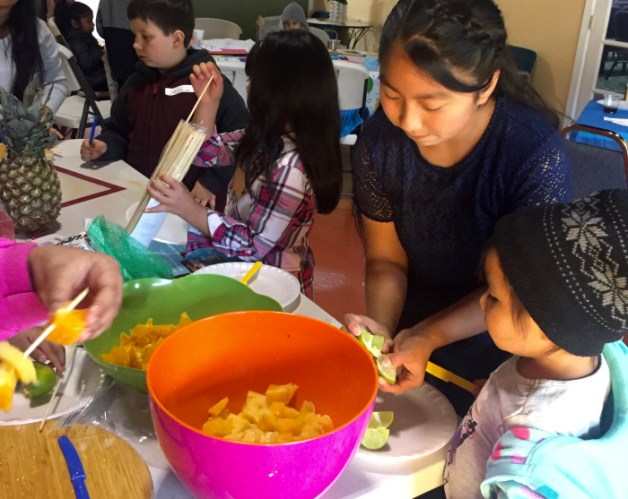
Participants of the Latino/a Data Dive. Participantes del Data Dive Latino/a.
Each of our eight data dive community meetings were led by community partners and facilitated by members from the particular invited community. Maria Cruz facilitated the conversation during the Latino/a data dive and shares her takeaways in an audio recording at the end of the BS4K post.
Maria Cruz es una facilitadora en nuestra Colaboración de Café en la Comunidad. Ella condujo el grupo para compartir data y sus enseñanzas (con su compañera de equipo en la Colaboración de Café en la Comunidad, Fátima González-Galindo)
Shared from RASKC’s Adoptable Animals
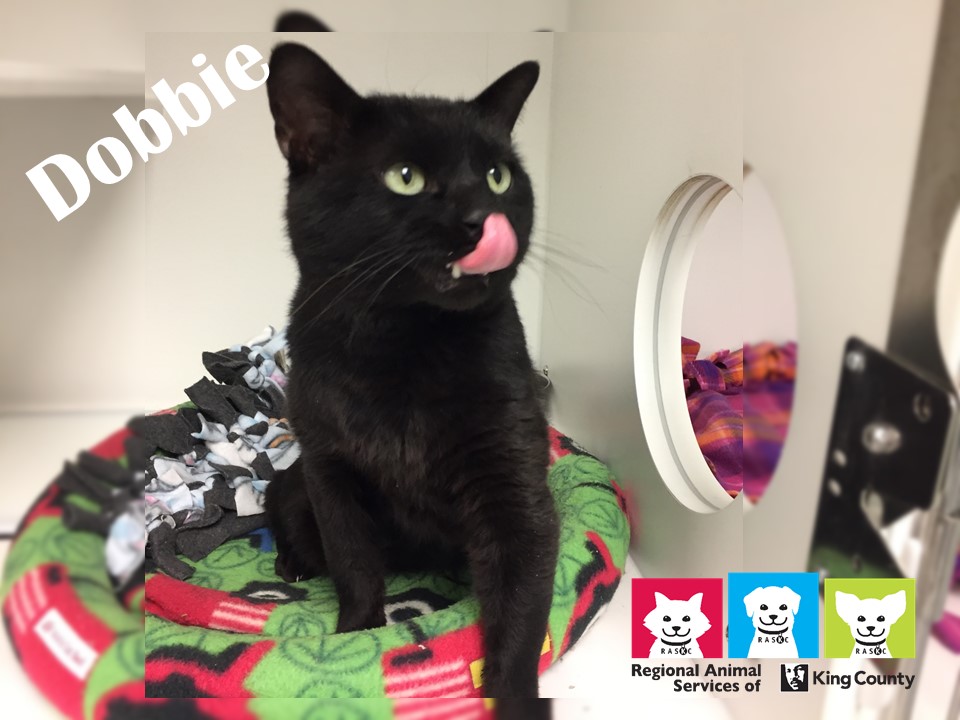
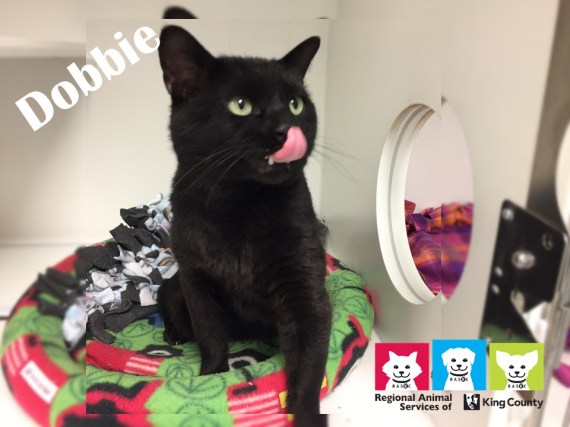 Dobbie is a 1 year and 9 month-old, male domestic shorthair cat (A555736). His adoption color is RED, meaning he is a spirited cat with a fun-loving personality. Dobbie is an energetic kitty looking for an active family or a family who already has an FIV+ confident friend that he can play with. He loves to play with all the toys, lasers, wands, ropes, you name it, and he will play with it! Although he is SUPER affectionate, he prefers if it is on his own terms. Dobbie can get overstimulated with petting, so please move carefully with me and keep an eye out for signs that I might need a break. Dobbie is spayed, current on vaccinations and microchipped. His $30 adoption fee also includes a certificate for a free veterinary exam and an opt-in 30 days of free pet insurance through Trupanion.
Follow me on Instagram!
#DobbieKingcountypetsA555736
@kingcountypets
ICYMI: We featured Building Change Management and Effectiveness in our kick-off Training Spotlight post. Building Change Management and Effectiveness is a one-day training being offered July 27 and Sept. 7 in room 560 of the King County Administration Building. Craig Fleck will join King County’s own Debra Baker in delivering the session. Read more.
Helping your team, department or organization navigate the challenges of constant change is a critical part of any leader’s or manager’s work. Dealing with change effectively can reduce anxiety, fear and stress, and can increase productiveness, innovation and employee engagement. By exploring the dynamics of change and an effective system of navigating it during this one-day session, you will:
Learn more and register on Eventbrite before the session fills up, and visit Learning and Development on KingCounty.gov to learn more about trainings and other opportunities to invest in YOU!
KCIT will deploy a new security tool later this month that will help protect the entire King County network from cybersecurity attacks. The new tool will operate behind the scenes, helping to protect all of our data and systems from both external and internal cyber threats.
This deployment should affect neither your computer nor your day-to-day business operations. If you are blocked from a work-approved website or application, either submit a Help Desk Ticket to HelpTicket@KingCounty.gov or escalate the issue through your technical support group.
Crossposted from Zero Youth Detention
By Linda Robson
How peacemaking circles are changing King County’s juvenile justice system and staff from the inside out
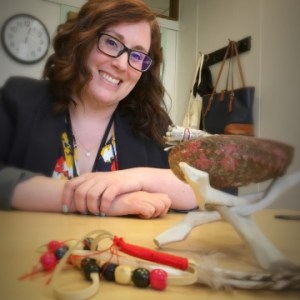
Ashley Mareld, Juvenile Programs Manager for King County’s Juvenile Detention Division
“For me, I went to my intro to peacemaking about a year after my father had passed away. And I was close to last on sharing our object, and I had brought a picture of him and me from high school,” said Ashley Mareld, recalling her first foray into the practice of peacemaking circles. “I obviously broke down talking about it—a lot of times people get emotional in circle.”
“And then, well, it was interesting, because…” Her voice trailed off as she paused on the memory of that moment. “I think, because I felt really…raw and vulnerable having talked about it. But because I did, it still was healing. It was like laying it down in the circle, and being able to move on in a good way.”
“Before, I didn’t really talk about my dad without crying, because the first year is always hard after a parent dies, and I had never lost anyone so close to me… But it was a totally different experience than I had ever had before, and just talking about it in that first circle was really healing,” says Mareld, the Acting Juvenile Programs Manager for King County’s Juvenile Detention Division. “I was able to use that experience and share my own healing story when I was participating in circles with youth. And I don’t know if it helped them or didn’t help them—but that’s what circle is about; it’s just sharing your own story and laying it out there, and if people get something from it, they can, and if they don’t that’s ok, too.”
Mareld was one of the first to join what Juvenile Division Director Pam Jones calls the “silent movement” amongst juvenile detention staff and other King County employees who work in juvenile justice. In just the Juvenile Detention Division, 100 percent of supervisors and senior staff have done at least the Introductory Peacemaking Circle training, 60 percent of all the juvenile division staff have taken the introductory training, and 20 percent have gone beyond the introductory course with the Circle Keepers training. Jones is a little more than halfway to her goal of having 100 percent of the Juvenile Detention Division staff being trained in the Peacekeeping Circle principles and methodology.
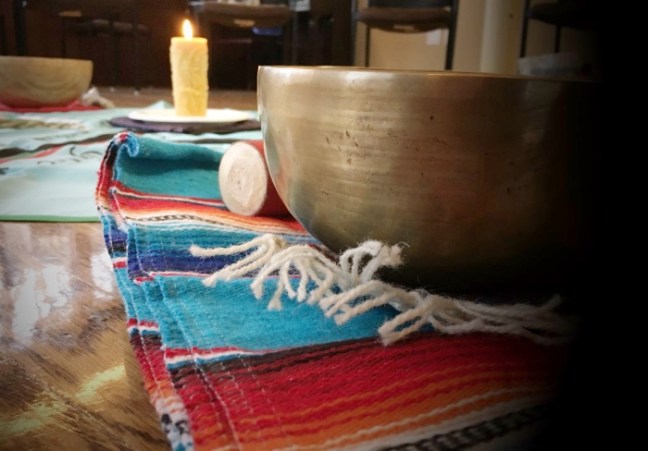
Bowl and candle in the peace circle centerpiece.
The 100 percent goal may seem excessive considering that King County’s use of the Peacemaking Circle diversion program for juvenile offenders is still in its infancy. But Jones aims to use the power of the peacemaking method well beyond the confines of a handful of alternative sentences for youth. Her vision is one where peacemaking circles are the path where employees can rediscover healing, trust, and purpose amongst themselves first and foremost. “In order to have healthy kids, we have to have healthy staff. When we talk about trauma in youth… why would we think that’s different for adults?” says Jones. “So when staff come to work with a full bucket, as I call it, or even halfway full because they haven’t dealt with their own trauma, then they’re not serving our youth or our population the best way that they can. So we have to have healthy staff to have a healthy environment.”
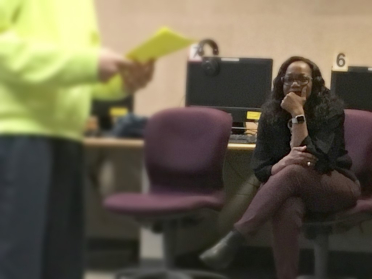
Pam Jones listening to a presentation made by juveniles in detention.
Jones has a clear vision of how the peacemaking circles can improve the internal working of the division and break down barriers and build up relationships between staff. But her silent movement is still young, and hints of skepticism still go hand in hand with hints of mystery about the practice. “Right now, some people still aren’t sold on peacemaking, and that’s ok,” says Mareld. “I think people are coming around to the idea, but there are still some people who are like, ‘ya, that Kum-ba-yah isn’t for me,’ but really, that’s because they don’t know about it. They haven’t gone, and there’s some misperceptions, so we’re just gonna have to slowly change minds, and that’s ok.”
“After they’ve gone through it, they say ‘oh my god, this is the best experience of my life.’ And I say, well, part of the reason she (Pam Jones) sent you here is because you are part of the organization of change, and she believes in you. Otherwise you wouldn’t be here,” says Saroeum Phoung, the consultant who leads the county’s peacemaking training and has been using the peacemaking circle methodology for decades in community building and crime prevention efforts, first in Boston, and now in Seattle.
Phoung says, “The system change work is to promote a healthy organization. Healthy organization doesn’t exist [sic] if the humans, the individuals, are not healthy. So that’s why peacemaking is that much more essential—because healthy organizations need healthy people. And if you have healthy staff and a healthy, functional way of life, then you can promote that with youth, families, and everyone who is a part of that organization. So that’s why this work is more essential than just singing Kum-ba-ya.”

Saroeum Phoung, Point One North Consulting
“And I’m so glad that Pam has prepared her staff to dance in this dysfunctional political time,” says Phoung. “I’m grateful to her and her staff and that they are doing circle work with the young people, because there’s a lot of benefit to this work.”
The proof for how deeply effective the peacemaking circle principles can be in addressing trauma, conflict and violence is in Saroeum Phoung’s own deeply moving story about how he came to peacemaking. A refugee from war-torn Cambodia, Phoung came to Boston in his early teens with his family, but the trauma and violence didn’t end with the move to a new country. The racism, economic hardship, and violent crime in Phoung’s neighborhood drove him to the gang life in his teens. Phoung himself has committed violent crimes and spent time in prison before finding solace and purpose with Roca, Inc., a Boston-area non-profit that does youth outreach and restorative justice work.
“I feel like I’ve been through in my own life lots of adversity, challenges, conflict, tension, and trauma. And doing this work helps me understand that basic fundamental—that healing is part of human life, it’s part of the essential human race. Because if we continue to perpetuate this way of life, there is so much great suffering coming our way that we’re not prepared for,” says Phoung. “But that’s why it’s a lonely job sometimes, to know that peacemaking is the way. Because we’re so addicted to conflict. Deeply addicted, like opium or coke, like a drug—we’re deeply addicted as a human species. And so am I. I love conflict. I have to do a lot of my own fighting internally to not be in that place. And it’s not an easy job. Fighting myself is never going to be a win or lose, because either way I still suffer.”
Part of Phoung’s teaching is that peacemaking is not a one and done affair, and those who come to it looking for a quick fix for the justice system, for their workplace, or for themselves personally, will not find it in the peacemaking circle method. Phoung himself can attest to the ebb and flow of peacemaking and conflict because he himself spent years floating back and forth between outreach work and the street life. Especially in an adversarial human system that has conflict built into its very core, like the American justice system, relapse and falling back into old habits are a natural part of the peacemaking journey.
“It’s a discipline, like any martial art, or art in general. It’s a discipline and practice,” says Phoung. “Sometimes I fail miserably, sometimes I’m great, and sometimes I’m just ok. So that’s why I say, if I’m at 51 percent today, then I’m moving towards the right direction. The discipline tells me, you’re ok, you’re human, and you did the best you can. Now, when it’s below 50, and there are many days like that, you know, it’s a struggle, because we’re living in a very conflict driven world, where conflict is seen as normal and ok.”
Phoung is a slight but fit man with the Zen-like presence of a Buddhist monk. His languid voice and calm demeanor can instantly quiet a room and draw you close with the refreshing coolness of a mirror-still alpine lake. It’s only natural that some people may conclude that his peacemaking training must have some kind of underpinning mysticism or strange and exotic faith lurking in the teachings. But for those who have experienced the Introduction to Peacemaking training and embrace the mindset of power sharing, selfless listening, and peacemaking, they find no hocus pocus; just mindfulness and a call to listen more and connect better with other people.
“When I was first introduced to it, ya, I was skeptical. But then it turned out to be the opposite of what I thought it was going to be,” says Juvenile Detention Officer Robby Delgardo. “I think it’s added patience and added understanding.”
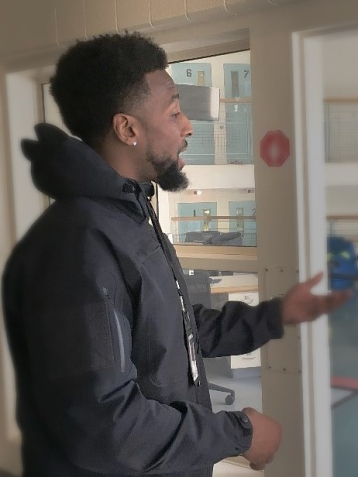
Juvenile Detention Officer Robby Delgardo
Delgardo was inspired enough by his first experience to take the next step and volunteered for the Circle Keeper training. “I think it’s helpful, it works. You know, I think just talking period is a good thing. I don’t have a personal issue with anybody, so I’m not using it to work stuff like that out with anybody, but being able to talk about things and really listen, it’s always a good tool,” he says. “And the more you use, the better, right? You gotta practice. To me, it’s sort of like church. You know, you go to church on Sunday, and you feel great on Sunday, like you can conquer it. But then you get into your week, and things happen, and that feeling fades. So you gotta work at it, put your mind to it, and remind yourself every day of what you learned and remind yourself of that feeling, not just on Sunday.”
Even for those who are more reserved, there are still lessons and techniques that are fruitful in the peacemaking training. “There are some aspects of it that I really appreciate… I do like the idea of walking in another person’s shoes, and listening is always good,” said Juvenile Detention Officer Adam Hoppis. “I can see where it can be useful for our youth. It’s teaching you how to be empathetic and how to listen. Though I wonder if we have enough time with most of them for it to have a real impact. And, in my opinion, is this something that can substitute for detention? No. But incorporating some of it into what we do here? Yes.”

Ashley Mareld speaks with Juvenile Detention Officer Adam Hoppis.
For Pam Jones, that’s enough. She says her goal has never been to force people to accept some new religion or faith or sing Kum-ba-ya. It’s simply to explore a different way of connecting with other people that’s focused on empathy, listening, and collaboration, so that people can rediscover what inspired them to work with youth, and show up better and engage better with their co-workers as well as the youth in their care. “But it had to be built on trust, and this common goal and understanding that together, this is a team running the show, not Pam,” she says. “It was really cool. Once they started believing they were setting the agenda, I could really feel things shifting. Once they grasped it, they really could feel how they were empowered, without having to rely on top-down directive.”
“I mean, yes, King County Juvenile Detention Division is using peacemaking as part of the County’s overall alternative sentencing model,” says Mareld, “but Pam has been implementing peacemaking as a way to promote organizational change. To promote empowerment from within staff.”
Mareld says that even if the peacekeeping training simply results in gaining fresh perspectives and a few new friendships, a benefit is still gained. “I think for some staff, it was really good for them to spend time hearing other people’s stories, because we don’t do that in society, really. We don’t spend time to really hear other people out,” she says. “I think for some people there is a comradery that forms between people who went to the circle groups together, because you’re sharing your story, as well as hearing other people’s stories. When I went to intro, there’s another staff person who went, and before, we didn’t really have the opportunity to talk with one another, but now every time we see each other we’re like, ‘oh, circle buddy!’ and there’s that extra comradery.”
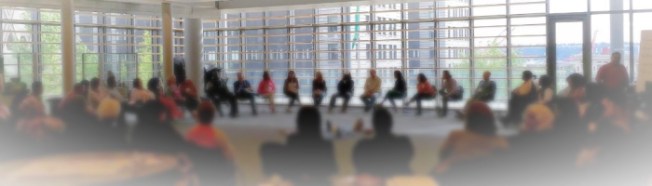
Large peace circle gathering with King County Courthouse in the background—photo by Saroeum Phuong
Mareld’s experience is not unique. “There was also one of the prosecuting attorneys in my circle group,” says Delgardo, “and we knew each other before, but, you know, just kind of a passing thing. But now after that shared experience, we have a great relationship, we say hi every time we see one another, that sort of thing.” “What Pam and her staff are doing—it’s never been done on planet earth,” Phoung declares. “Now, there are a lot of people who do amazing programs, don’t get me wrong. I don’t want to take that credit from them. But to change the institution itself in this depth—there’s no one in the world who is doing this. I mean, sending 60 percent of their staff for three day training in peacemaking? No, the traditional system is, ‘I tell you what to do, and you do it.’” “But this is empowerment, this is about sharing power, and ownership and accountability. So when you talk about innovation and system change, I think it’s way long overdue,” says Phoung.

The remains of the burnt candle in the peace circle centerpiece.
“I think a lot of people forget that being in this place and being in detention will cause some trauma… people are coming through the door and dealing with trauma on a daily basis, and that’s staff and kids,” says Jones, “So in order to create the best and healthiest environment, I have to work on staff first. They have to be able to identify their source of trauma. And we don’t ask staff to spill their personal lives to us, we don’t ask that. Because it’s also about trust, and that doesn’t come overnight. They need to believe that they’re not going to be judged by what they share, and that people are genuinely interested in and care about them—genuinely.” “So it really is about building healthy staff. They’re able to find their purpose, and feel comfortable that their being heard,” says Jones. “I mean, really, that’s it.”
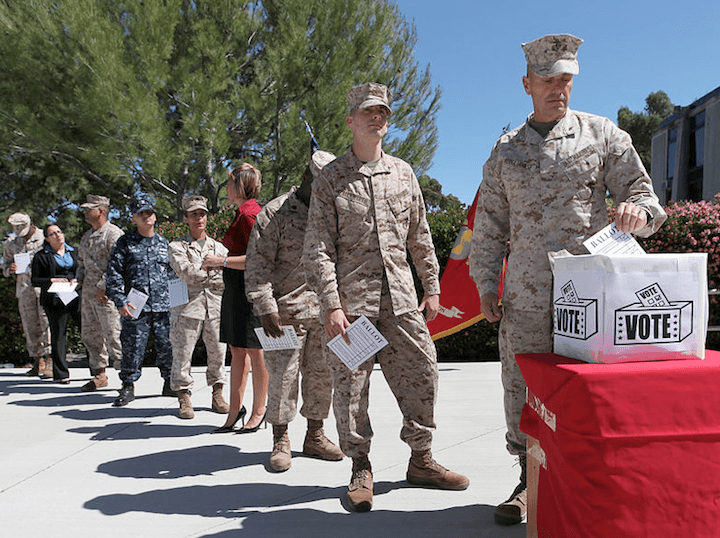
Regardless of where you are in the world, you have the right to cast a ballot in every election and have it arrive on time to be counted. Overseas and service voters have additional voter registration, ballot delivery, and ballot return options.
Let your King County expats and servicemembers know the deadline to register to vote online or by mail for the August 7 primary and special election is Friday, July 6 – the end of this week!
If you have U.S. friends and family overseas, let them know they can learn more about voting from abroad on our Elections site.


ICYMI: Here’s a great basic introduction to OneDrive!
 Everyone talks about “The Cloud” – where internet users can store files and access them from anywhere. Did you know King County employees have the exact same application available to them through Office 365? It’s easy to navigate and use.
OneDrive is a great tool for uploading files to share with others (including photos), give others permission to edit and work on files at the same time, and get to your files from anywhere, on your computer, tablet or phone. Essentially, it’s an online locker that allows you to back up and share you digital files, while offering you easy access. You can also create unique sharing terms and more with work team members, just like you can in Google Drive.
You can access Office 365 by signing in with your King County email address to SharePoint at https://kc1-my.sharepoint.com. Once you’re logged in, if you click on the grid in the top left corner the list of available apps for King County employees will appear. Click on OneDrive, with a little cloud icon, to open your personal OneDrive folder. If needed, this short tutorial explains how it works and walks you through setting up documents or folders to share with others.


Director Dwight Dively
Director Dwight Dively of the Office of Performance, Strategy and Budget has put together a short video of his points on the upcoming 2019-2020 Budget process.
“The County uses a biennial – or two-year – budget process, and our biennium starts Jan. 1 of each odd-numbered year,” said Dively. “The timeline for our budget process begins with getting budget proposals from departments by the end of June. The executive will then submit his budget proposal to council Sept. 24. The King County Council would then adopt a budget sometime in mid-Nov., and it would go into effect Jan. 1 of next year.”
One of the interesting features of the 2018-2019 budget is that Executive Constantine is going to propose three major reorganizations of agencies and budgets for King County.
“The first is that the executive has decided that Metro Transit needs to be its own department. Metro Transit is by far our largest function, it also serves the largest number of our residents, and the executive believes is needs to be a departmental-level organization. As part of that reorganization, we’re also going to be moving the Marine Division out of the Department of Transportation and combining it with Metro Transit.
“The second departmental change is to create a new Department of Local Services, which will provide services to residents of what we call the unincorporated area – or the area outside of cities. This will combine the Road Services Division from the Department of Transportation, and the Department of Permitting and Environmental Review. We’ll also add a few other functions from other county agencies to create a one-stop shop for residents of our unincorporated areas. As part of that transition, we’ll take two divisions out of the Department of Transportation – the airport and the Fleet Services Division – and move those to the Department of Executive Services.
“The third organizational change is to create a new Human Resources Department by elevating the existing Human Resources Division out of the Department of Executive Services and making it its own department. The county executive believes that human resources is a critical function across the entire government and deserves to be a cabinet-level department.”
For more information, visit the budget web page and watch this short video.

Follow us on LinkedIn to stay up to date with all King County professional news.






 Employee News