
Explore King County this month with two wheels instead of four

Crossposted from Employee Health and Well-Being
Hit the road for Bike Everywhere Month!
 Whether you’re a seasoned cyclist or just getting started, put on those helmets, tighten those gears and hit the road for Bike Everywhere Month!
According to Cycling Weekly, there are many health benefits of biking including: improved mental health, improved lung health and much more! In addition to improved physical health, biking is great for boosting your social circle with other passionate cyclists around the sound. Washington Bikes offers a great list of bike clubs throughout the Puget Sound Region. Other resources include Cascade Bicycle Club, Love to Ride and Familybike Seattle who are great to connect you to clubs in your neighborhood.

An avid rider, Greg bikes to work everyday
For King County employees, you never know who shares a love for biking just like you! We encourage you and your co-workers to support each other by creating your own bike everywhere team! Greg Felton in the Human Resources Division (HRD) did it. He organized a Bike Everywhere Challenge through lovetoride.net.
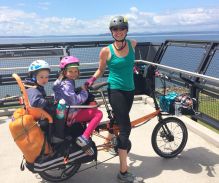
Maybe you prefer to go solo due to schedules or other commitments, like Heather Eliason in Public Health. She takes her kids to school in her daily bike routine. “I want to set an example for my kids,” said Eliason. “We bike even on the weekends. By biking everywhere, my kids get to know their neighborhood and community. We also have an opportunity to support small businesses along the way as we do our grocery shopping and other errands.”
Want to add a little adventure to your bike ride? How about taking in some of the Northwest’s breathtaking mountain top views? Check out the new Trailhead Direct service sponsored by King County Parks and Metro’s Community Connections program! This exciting new bus service runs from select Park & Rides and gives you a fun way to get your miles in while exploring a great view. And don’t forget it’s free if you use your employee ID/ORCA card!
Visit the Cascade Bicycle Club events calendar to find out about group rides and challenges happening throughout the month and into the summer!
For more information about bicycling and all the other transportation benefits you have as a King County employee, visit the Employee Transportation Program web page. Be sure to watch the short video events calendar on the first page, which shows you exactly how you can use your ID/ORCA card. Also learn how as a King County employee you can qualify for a monthly incentive if you commute by bike!
Share this:

Pet of the Week: Jeremiah

 Crossposted from Tails from RASKC
Gentle, loving Jeremiah is our Pet of the Week!
This five-year-old gray tabby came in as a stray. His personality color is “Bashful Blue.” He likes to take things slow, and may need some time to warm up to his new family. But, once he does, Jeremiah will be a very devoted friend!
Jeremiah does enjoy being around people once he feels comfortable. Some of his favorite things include food, being brushed, and being pet on his cheeks. He will enjoy being part of a calm, quiet home where he can snuggle up in a nice warm lap.
Jeremiah has tested positive for Feline Immunodeficiency Virus, which means he should be an indoor-only cat and will benefit from regular veterinary visits. His adoption fee includes a certificate for a free veterinary exam and an option for pet health insurance through Trupanion.
You can find out more about Jeremiah on our website, kingcounty.gov/AdoptAPet, or visit him and his friends in person at the Pet Adoption Center in Kent.
Share this:

Executive Constantine is GeekWire’s Geek of the Week

Executive Constantine is GeekWire’s Geek of the Week this week, and he sent a Thank You tweet Monday.
 Geek of the Week profiles the characters of Pacific Northwest tech, science, games, innovation, and more.
In Kurt Schlosser’s May 11 feature, Executive Constantine says, ““Preserving this amazing place and serving the people who live here are my lifelong passions.”
He shares parts of his and his family’s story, his thoughts on our Best-Run Government continuous improvement campaign, and something else we can all consider:
Your best tip or trick for managing everyday work and life. (Help us out, we need it.)
“Try not to eat lunch alone at your desk. Use that time to connect with old friends, or gain insights from new ones.”
Writer and editor Kurt Schlosser covers the Geek Life beat for GeekWire. Read his entire feature on Executive Constantine at Geekwire here.
Share this:

Metro receives national award for reduction in bus driver assaults

Crossposted from Metro Matters
King County Metro was recognized this week with a national 2018 Bus Safety & Security Excellence Award for its Transit Operator Assault Program, which helped reduce assaults on operators by 53 percent since 2008. That drop is despite a 17-percent increase in ridership over that same period.
Metro was presented with a “Certificate of Merit for Security” for transit agencies with more than 20 million riders at the American Public Transportation Association’s annual conference in Tampa, Florida. A Certificate of Merit is given to organizations in recognition of exceptional achievement in safety or security.
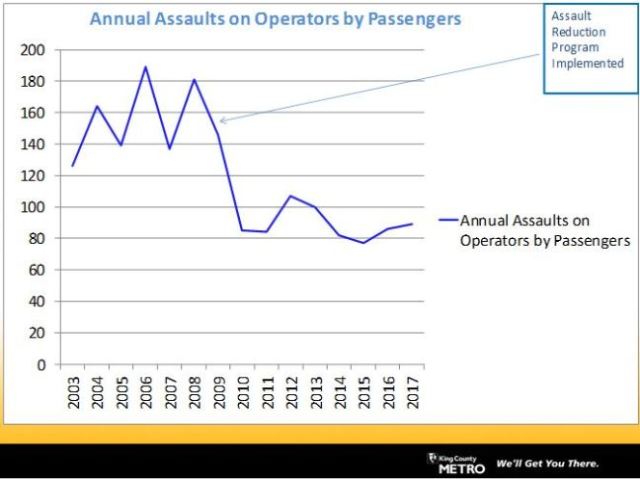
Most assaults on operators involve minor assaults such as pushing, grabbing, touching or spitting. There were two felony-level assaults (involving bodily harm or use of a weapon) in 2016 and none in 2017.Most assaults on operators involve minor assaults such as pushing, grabbing, touching or spitting. There were two felony-level assaults (involving bodily harm or use of a weapon) in 2016 and none in 2017.
The Transit Operator Assault Program takes a multi-pronged approach that focuses on police responses, data analysis, and de-escalating training for operators. Metro Transit Police, and Metro’s Transit Safety and Operations staff place a high priority on operator assaults; police respond to every assault reported to the dispatch center, and each case is forwarded to a detective for investigation. Safety and Operations staff ensure that operators receive appropriate medical and personal attention; and conduct internal hazard analyses on how to further reduce the risks to operators and whether training and/or additional support is needed.
“Anytime a bus operator is assaulted, there can be significant trauma to the driver and to our customers,” Metro’s Deputy General Manager Terry White said. “Metro is honored to be recognized for our collaborative efforts to prevent assaults on operators, but this award does not mean our job is done. We will continue our work to further improve the safety of our transit system for all our operators and customers.”
In its nomination letter, Metro attributed the assault reduction program’s success to three important components: “1) a philosophy of teamwork; 2) a commitment to a data-driven approach; and 3) employment of effective risk management.”
Metro sees more than 400,000 boardings every weekday and security incidents are thankfully infrequent. Still, Metro continues working closely with operators, law enforcement, ATU Local 587 and the greater community to prevent misconduct and further improve safety for everyone who rides the transit system. In 2016, after a slight uptick in operator assaults, Metro held three security summit with drivers, ATU, and Metro Transit Police.
Metro plans to equip its entire fleet with security cameras, and is more than halfway toward that goal. Metro also is testing the use of video monitors on 33 buses serving the RapidRide A and F Lines, and is running pilot project with protective enclosures known as “driver shields” on eight buses around King County.
Nominations for the APTA Safety & Security Excellence award are evaluated on four criteria: effectiveness, benefit level, innovation, and transferability. The award provides value to the transit industry by “benchmarking successful programs so other public transit systems can adopt them and derive similar benefits,” according to APTA. The top honor is the GOLD Award, which is given to organizations with the best overall bus safety or bus security program.
Watch the APTA awards conference below:
Share this:

Tech Tip: KCIT adds more security to email

 King County is actively working to improve email security to decrease the number of incidents and comprised accounts related to phishing. As part of this proactive approach, two new security features were implemented Monday that add another layer of protection to our email security. The new features are:
- URL Protection: The URL protection protects us by checking to see if a URL in the email is safe. When you click on the URL, it will be checked to ensure the URL is safe before opening the website. If the link is not safe, you will be redirected to a web page that notifies you the link is unsafe. If the link is safe, the website will open as usual.
- Attachment Protection: The attachment protection protects the County by ensuring that email attachments are safe prior to opening. Attachments are a common way for malicious programs to infect your computer or email account. The attachment protection checks email attachments to ensure they are safe prior to you opening them. As a result, when attempting to open an attachment, you may see it being actively scanned and there may be a slight delay opening it.
These products will help improve our protection, but no single security solution will provide 100% protection against ever-evolving security threats. Please continue to be mindful of the emails, links, and attachments you are opening. If you are unsure if the email or content is safe, follow the current process and send the email to the Help Desk.
Share this:

Groundbreaking Master Labor Agreement approved by Council
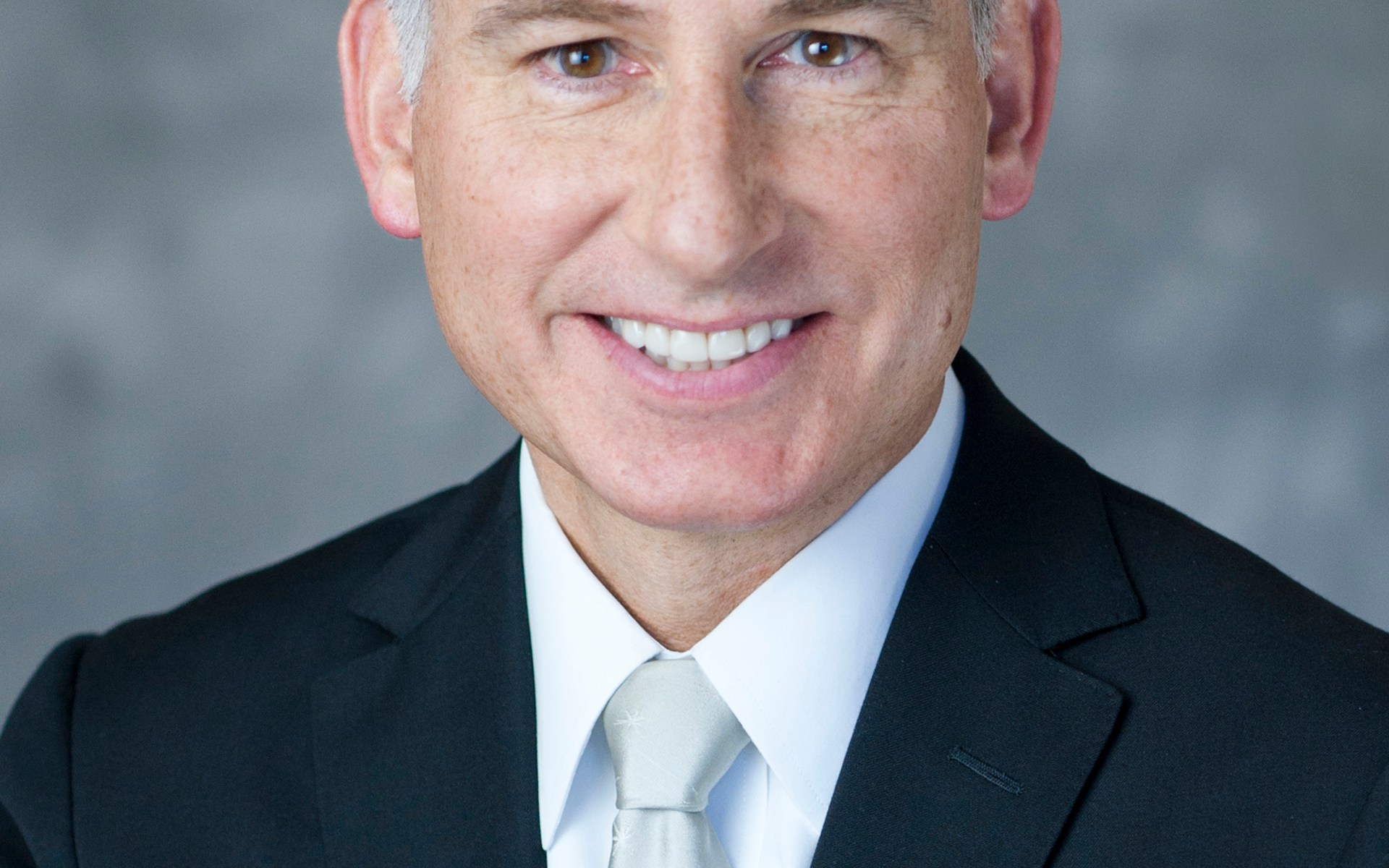
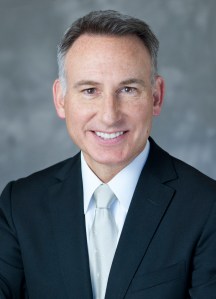
King County Executive Dow Constantine
Dear fellow King County employee,
Our Coalition of Unions’ groundbreaking Master Labor Agreement was approved Monday by King County Council, providing us a new framework for building on our efforts to be a workplace where every employee has the tools, support, and opportunity to do their best work for the people of King County. The MLA builds on the County and Coalition of Unions’ partnership, going back to 2014, around Coalition bargaining and the recognition that there is efficiency and equity in creating standards across labor agreements.
The three-year Master Labor Agreement delivers on many of the objectives of my Investing in YOU, Best-Run Government and Equity and Social Justice priorities by standardizing work processes, creating efficiencies, and offering new and expanded programs and benefits across 22 unions that represent nearly 6,000 employees covered by 60 labor agreements. It also demonstrates that our strong partnership with labor is helping us jointly deliver better outcomes for employees, residents and customers.
Some of the components of the MLA include:
- A first ever Career Development Scholarship Fund of $150,000 that will allow employees to access vital learning and development opportunities
- Funding of all job-required training, licenses and certifications for employees
- Standardization of various leaves – Bereavement, Holidays, FMLA/KCFML, Paid Parental Leave, Job Posting, Grievance Procedure and Discipline – across all Coalition labor agreements
- Standardizing the process of Special Duty Assignments and Job Reclassification across contracts
- Allowing employees to use up to three days of sick leave each year to volunteer at any organization participating in the County’s Employee Giving Program. This leave was previously permitted for volunteering only at an employee’s child’s school
- A standardized $200 safety equipment allowance.
So much work by so many people went into creating this agreement. I want to thank the Office of Labor Relations for their leadership in reaching the County’s first-ever Master Labor Agreement. In partnership with the Human Resources Division, the Office of Labor Relations worked tirelessly with our labor partners to put together an MLA that will help our employees do their best work here and deliver even more value to the people of King County. I thank the Coalition of Unions and their members for their ongoing commitment to work with us as we build an innovative, supportive workplace where every employee can thrive, and King County Councilmembers for approving the MLA.
I look forward to sharing more details on the components of the MLA over the coming months.
Sincerely,

Dow Constantine
King County Executive
Share this:

Initiative brings people together, provides education and support for faith leaders
We’ve all heard the saying “there’s strength in numbers.” From volunteers coming together to build a home to the mass migration of monarch butterflies, when people (or even animals) come together, beautiful and powerful things can happen.
King County is no different. When it provides opportunities for the community to come together, there are amazing results. For example, the American Muslim Empowerment Network, a program of the Muslim American Association of Puget Sound (MAPS), received funding from the King County Resilience Fund to strengthen community support for immigrants and refugees who are at risk. This recently culminated in the Faith Over Fear conference, a two-day training held in January that brought together faith leaders from diverse backgrounds to stand in solidarity with Muslims here in King County.

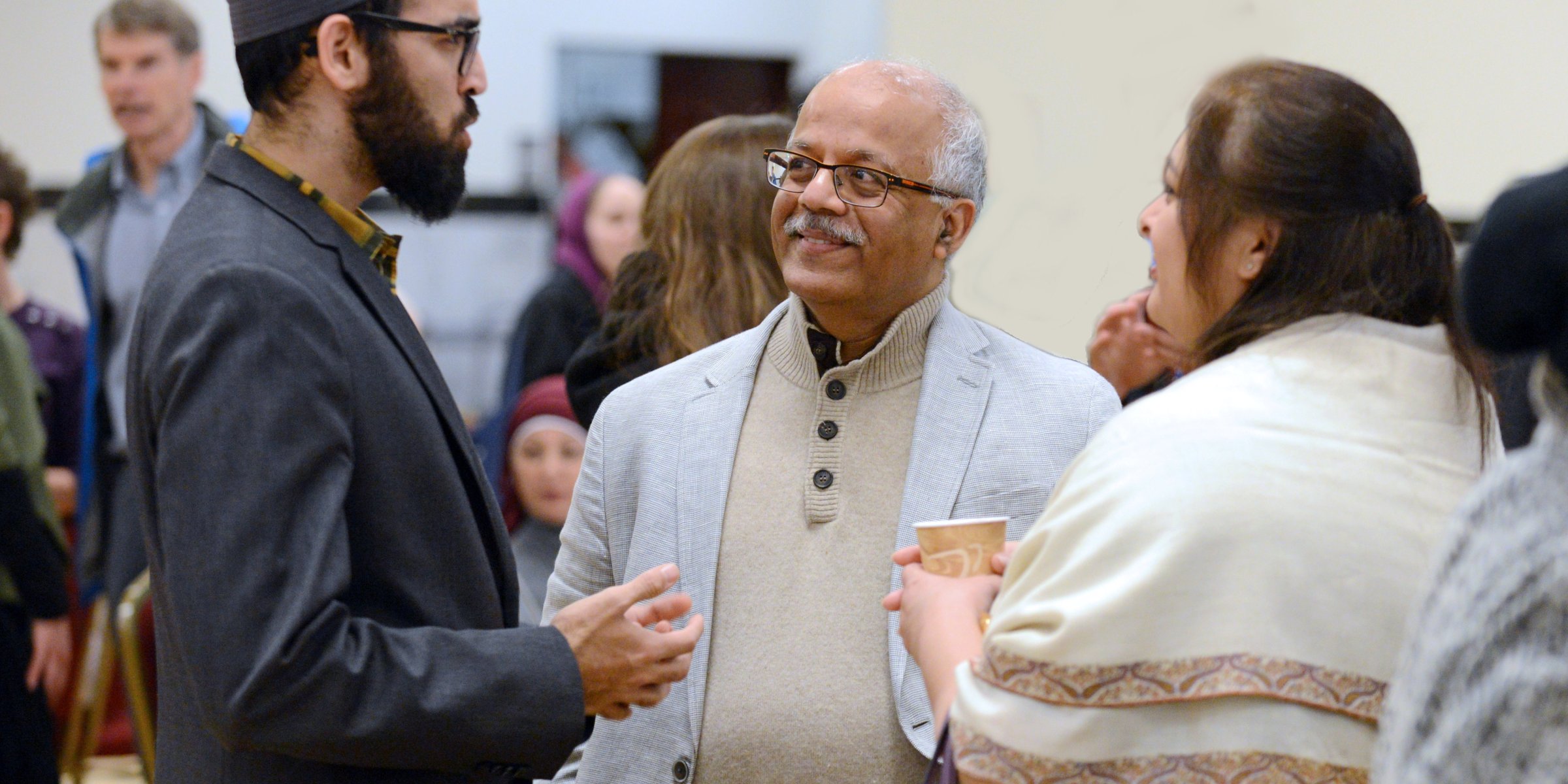
Pictured: Aneelah Afzali, Executive Director of the American Muslim Empowerment Network, speaks at the Faith Over Fear conference. She is joined on stage by other guest speakers, including King County Executive Dow Constantine, seated far right.
“It’s important to bring people together as friends and allies so that they can stand with us to combat hatred and bigotry,” said Aneelah Afzali, Executive Director of the American Muslim Empowerment Network (AMEN). “Faith Over Fear was about equipping faith leaders to address Islamophobia and counter the efforts of those who wish to divide us as a community.”
The conference initially started as a roadshow, also funded by the Resilience Fund, held over several months in the fall of 2017. Partnering with the organization Neighbors in Faith, AMEN was able to provide 12 short, interactive workshops to faith leaders in different cities throughout western Washington. It was from these workshops that AMEN decided to hold a bigger event that would give attendees more learning opportunities.
“It was during this roadshow that we saw just how much faith leaders play a role and decided it was important to give them a deeper training,” said Aneelah. “We talked about creating a deeper dive or conference, not just a one-off training that would give effective, research-based information that could be shared with others.”

Pictured: Aneelah Afzali, center, with attendees of the Faith Over Fear conference.
The two day conference provided participants with information covering a wide variety of topics. The training focused on giving faith leaders the skills to have open discussions with their congregations and feel capable of becoming an effective ally to Muslim neighbors. National and local experts facilitated trainings on issues such as “The Basics of Islam and Islamophobia,” “Who American Muslims Are,” “How to locate and address our fears” and “How to respond to common misconceptions and questions about Islam and Muslims.”
A resounding success, the conference was attended by more than 90 participants and brought together several notable local and national organizations, including interfaith organization Shoulder-to-Shoulder and the Council on American Islamic Relations Washington.
“King County funded this work through the Resilience Fund in late 2017 because the focus of this project is aligned with the values we have as a County and the vision we have for our communities,” said Bookda Gheisar, Immigrant and Refugee Policy Analyst with Office of the Executive. “We are proud of the work of MAPS-AMEN and stand together to protect the rights of our Muslim brothers and sisters, and to show that discrimination and hate have no place in America.”
By working with faith leaders around the region, AMEN is able to educate and provide understanding to communities that may otherwise not have the opportunity to learn about Islam and the discrimination many Muslims are facing. This inclusive approach highlights the importance of collaboration to develop healthy, equitable communities.
“Our purpose is to build bridges of understanding and unity so that we can advocate for justice together,” said Aneelah. “It’s in our wider interest to fight for things that impact us all.”
“We want to help people stand with us to combat Islamophobia directly so we can have safe, secure communities.”
The next step in this program is to continue the roadshow throughout eastern Washington and further build on AMEN’s award-winning work. Founded in 2016, AMEN is an independent program of MAPS with four key priorities which include coalition building, education, leveraging media properly and empowering people to be future leaders. The organization is focused on fighting hatred and bringing together faith leaders in Washington to build a future that is welcoming to all.
For more information about MAPS-AMEN, visit http://www.mapsredmond.org. To learn more about the recent conference read this article published in the International Examiner, or view this King 5 interview with Shoulder-to-Shoulder Director Dr. Catherine Osborne.

Pictured: Attendees of the Faith Over Fear conference came from a variety of backgrounds and perspectives to learn how to overcome misconceptions and questions about Islam and Muslims
Share this:

Applications now open for 2018 Bridge Fellowship Program

Are you looking for an opportunity to expand your skills, grow as a leader, and gain a deeper understanding of King County government?
Then why not apply to be part of the 2018 King County Bridge Fellowship Program, an 18-week professional development program that expands participants’ mindsets, strengthens current competencies, and helps participants develop new skills? Applications are now open for the 2018 Bridge Fellowship Program: Career and Professional Development for Emerging Leaders. The last day for applications is Friday, June 8, 2018.
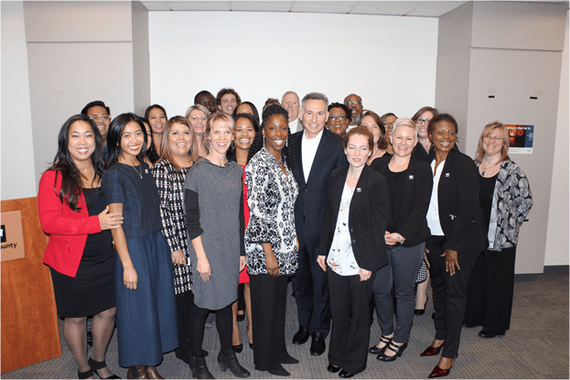
The 2017 Graduating Bridge Fellows with Executive Constantine, Chief People Officer Whitney Abrams, and Bridge Fellowship Program Manager Debra Baker.
The Bridge Fellowship, open to all full-time and TLT employees, was reestablished in 2013-2014 by King County Executive Dow Constantine. Bridge Fellows will participate in a rigorous application and interview process before joining this year’s cohort. Over the course of the program, participants engage in classroom learning, group projects, presentations and career development activities, as well as interviews and site visits to explore the County’s agencies and their priorities.
The Bridge Fellowship – part of Executive Constantine’s Investing in YOU strategy – is helping employees across the County be their best at work. And it’s delivering results: as of April 2018, 67% of Bridge participants have received new positions or stretch opportunities; 98% of 2016 and 2017 participants rated the program either “Excellent” or “Outstanding”.
To find out more and apply, please visit the Bridge Fellowship website, and direct questions to BridgeFellowship@KingCounty.gov. Please share this announcement with your colleagues and teams.
Thank you for making a difference for our community through the work that you do every day.
Share this:

Now Accepting Applications for Parent/Caregiver Education and Support RFP – Due June 14
 Crossposted from Best Starts for Kids
The request for proposals to fund Parent/Caregiver Education and Support services is now open and available here.
Best Starts for Kids is investing in Community-Based Parenting and Peer Supports as one means of enhancing strengths and services within King County communities and improving child and family outcomes. This funding strategy is part of our Invest Early prenatal to 5 years old work.
This RFP for Parent/Caregiver Education and Support, is one of five Community-Based Parenting and Peer Supports RFPs that Best Starts is releasing to partner with community-based organizations to promote positive and healthy outcomes for young children and to support parents and family, friend, and neighbor (FFN) caregivers. Previous RFPs include:
- Basic Needs Resource Brokering (closed and awards made).
- Kaleidoscope Play and Learn (closed).
Upcoming RFPs within this strategy include:
- Prenatal Support Services and Breastfeeding Peer Counselor Support (later in May)
- Information for Caregivers (June).
Read more at Best Starts for Kids.
Share this:

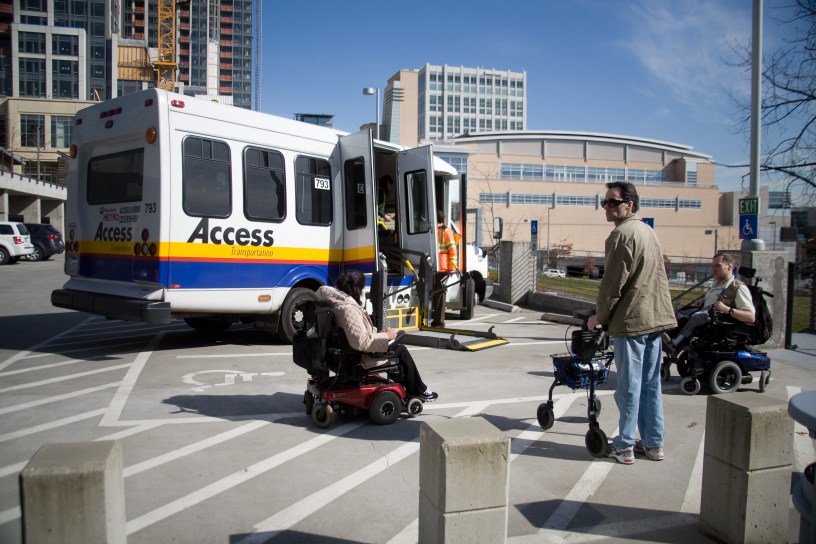
More accountability, higher customer standards: upcoming Access paratransit service will have both
Crossposted from Metro Matters
By Chrissy Russillo, Managing Director of King County Metro’s Paratransit Rideshare Operations program
With the help of customers and advocates, King County Metro is just a few weeks away from reaching a major milestone toward improving Access paratransit service.
Later this month, we plan on calling on contractors to formally resubmit service proposals that will better meet the expectations and needs of our customers.
 A list of key changes was developed with Access customers and advocates of the disability community, built over the course of 11 workgroup meetings from September through April.
The result for customers will be better accountability and higher standards for on-time performance than we have under our current contracts. We also will have more financial incentives to encourage contractors to improve performance and customer service, reduce costs and travel times – and penalties if standards aren’t met.
King County Metro’s Access program carried 958,000 trips last year, serving 10,000 customers. Paratransit is an expensive service. In fact, we currently have one of the nation’s highest cost per trip. There are several factors contributing to this. Some are policy-related, such as the decision to go above the ADA minimum requirements. Others are outside of our control, like the fact that Seattle has some of the worst traffic in the nation – leading to longer trip times for customers.
We continue to look for ways to contain costs without compromising service quality, including partnering with community organizations to provide lower-cost transportation options. And, of course, we work to make our bus system as accessible as possible for all people. Access paratransit serves riders who cannot otherwise ride bus service in King County.
We first asked for contractor proposals last year, however Access riders and other stakeholders communicated their disappointment that they were not more directly involved in the development of the Request for Proposals. They advocated for a more inclusive process, so at the direction of the King County Council, Metro paused the RFP process and formed the workgroup.
Our current schedule will have a new contract online in July 2019. In the meantime, Metro already has made changes to improve service for customers. We’ve improved on-time performance from 86 percent to 91 percent, exceeding our standard of 90 percent. We’ve also improved scheduling policies, strengthened contract management and accountability and provided a tool so riders can learn estimated arrival time via phone or online.
With the workgroup effort coming to a close, we have launched a new Access Task Force with more than 20 riders and advocates who will continue to hold us accountable and help us improve the program. Many of the people involved in the workgroup will continue to serve in the Access Task Force. Some members have different feelings about the outcome of the workgroup process, some are satisfied and some are not. Even though conversations can be difficult at times, we’ll continue to work with them to develop high-quality service for our customers, build trust and hold ourselves accountable.
The experience we have had over the past year has reminded us of the value of pausing to listen to our customers. We are all committed to delivering high quality service – and we cannot do this unless we are working in partnership with those who rely on our service.






 Employee News