
2018 State of the County address
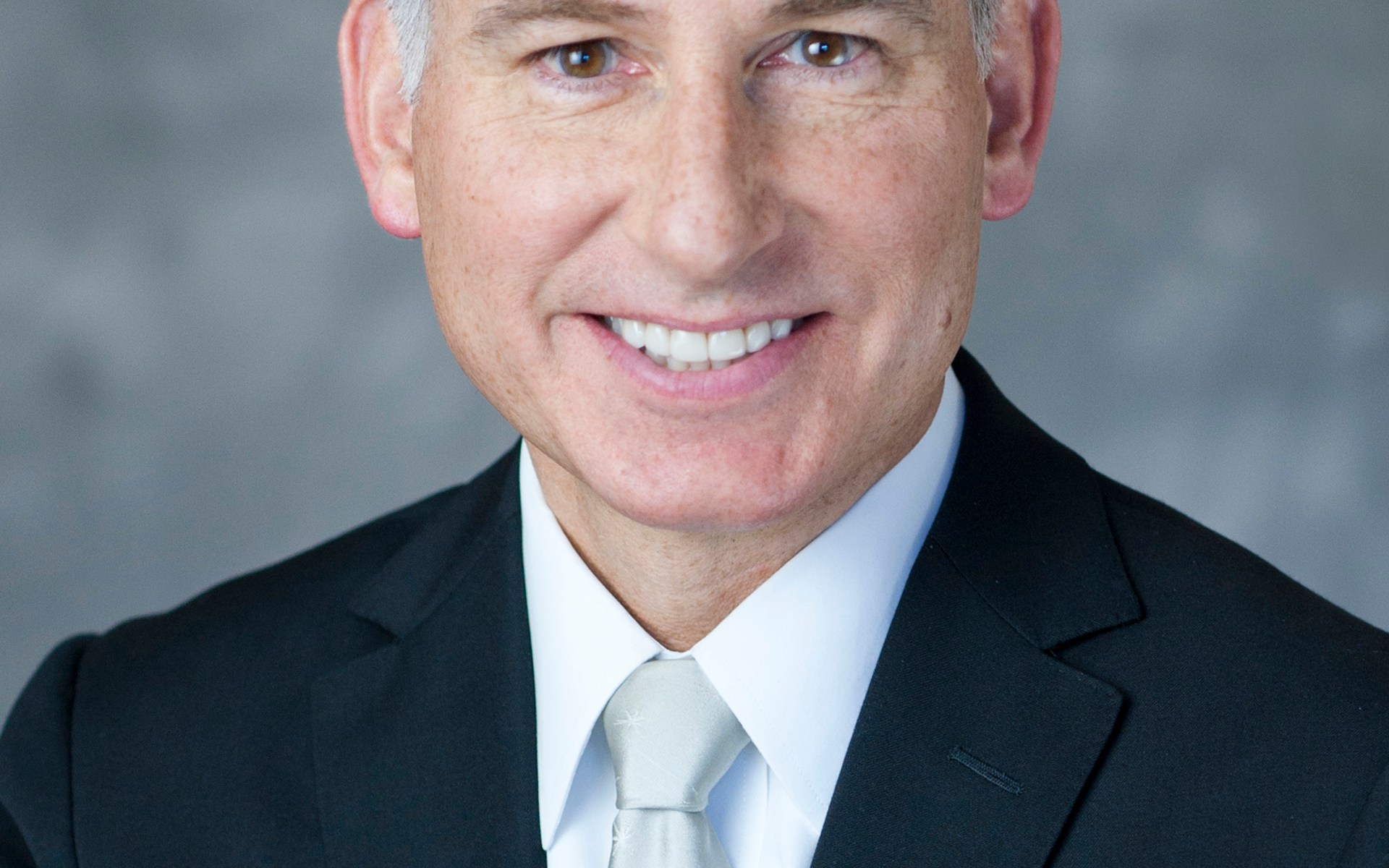
King County Executive Dow Constantine
Dear fellow King County employee,
It seems that everywhere around us there’s change. Changes along our skyline and in our neighborhoods. Businesses are opening or expanding, and hiring. Our communities are growing, with people from around the nation and across the world coming to King County in search of opportunity and a welcoming community. They’re looking for a change for the better.
The needs and expectations of our residents are changing too, from the types of services they want us to deliver to the way they want to access them.
At King County we are embracing change, we welcome it, and we are leading it. That was the theme of my 2018 State of the County address today. Because change brings opportunity; it challenges us to innovate, to think outside the box, to try new ideas.
That’s why I have announced a major restructure of the way we operate, with the creation of three new departments starting on January 1, 2019, which will help us deliver our services even more effectively:
- The Department of Local Services that will be focused on better serving the needs of residents in unincorporated King County.
- A standalone employee-focused Human Resources department that will be focused on serving, supporting and developing current and future employees.
- And a new Metro Transit department that will be focused on building the best transit system in the nation.
Metro isn’t standing still during this transition. Today I announced two new programs that Metro will soon launch: a pilot with a mobility service to offer on-demand shuttles to overcrowded park-and-rides and transit centers, and a partnership with ride-share companies to connect people to major bus stops – both aimed at helping people get around the region and take advantage of opportunities, while reducing congestion on our roads
We are also building on our efforts to bring a public health lens to juvenile justice. Today I announced that all of our programming work within the Juvenile Division of the Department of Adult and Juvenile Detention will be placed in the care of Public Health.
This change will help us build on the highly successful juvenile programs that are already generating tremendous results. Since 2002, the average daily population of young people at the Youth Services Center dropped from 212 to 55 – the lowest in the nation for a jurisdiction the size of King County. By taking a public health approach we can bring even more innovative thinking to our programs to help all young people in our community – whether they touch the justice system or not.
These are just some of the initiatives and priorities I set out in today’s address. I encourage you to read the transcript or watch the video of my State of the County address to learn more, and I look forward to sharing more about these new proposals with you in the coming weeks as we continue our work together for the people of King County.
Sincerely,

Dow Constantine
King County Executive
Share this:




Reminder: Rev Up For Retirement seminar, April 25

Are you too young to think about retirement? Think again! Join us for a three-hour seminar featuring guest speaker Jean Cormier, who will discuss your Medicare choices and options, and representatives from the Social Security Administration and the Retired Public Employees Council of Washington. We’ll also talk about the current retirement climate and projections for the future, and the resources available to you through King County.
The seminar will take place Wednesday, April 25 from 11 a.m. to 1 p.m. Eighth Floor Conference Center, King Street Center, 201 S. Jackson St., Seattle
Registration is required. Due to space limitations, only county employees may attend. Click here to register. Please note attendance is strictly voluntary, on your own time, and non-work related. For more information, contact King County Benefits, Payroll and Retirement Operations by e-mail at KC.Orientations@kingcounty.gov.
Share this:

King County employee participates in book club featured on KING 5

Shared from the DCHS Touching Base Newsletter
 For nearly 27 years, Liz Causby-Miles (Director’s Office) has been part of a book club with other African-American women. They meet regularly to discuss books by African-American authors, have traveled together, and occasionally attend other cultural events. The book club recently published a book of their own, Life Matters. To view the feature on King 5 profiling the book club and their recent book signing event, click here.
To learn more about what DCHS is doing in our community, read the most recent issue of the Touching Base Newsletter (on SharePoint).
Share this:

Social Media Spotlight: King County Sheriff’s Office Air Support Facebook

 With over 1,000 employees, the KCSO serves the law enforcement needs of over half a million people in unincorporated areas and our twelve contract cities. The KCSO also provides police departments for the Muckleshoot Tribe, Metro Transit, and the King County International Airport. Our commitment to meeting the needs of all residents means that services such as helicopters and bomb disposal are available to King County’s 1.6 million residents.
Follow King County Sherriff’s Office Air Support on Facebook today.
Click here to view all King County social media pages.
Share this:

Tech Tip: Developing new ideas and technology solutions that help our community

When KCIT isn’t managing HelpTickets or delivering new products, teams are partnering with both internal and external partners to bring new ideas to King County employees and our community. In January, KCIT and Microsoft partnered to host a Government Hackfest. It was a first for us! Check out our video.
Share this:

Featured Job: Confidential Secretary I

Salary: $28.64 – $36.30 Hourly
Location: Renton, WA
Job Type: Appointed
Department: Department of Elections
Job Number: 2018-07916
Closing: 4/9/2018 11:59 PM Pacific
Description: The Department of Elections is recruiting a Confidential Secretary I who will provide direct support to the Deputy Director and Elections Leadership Team by handling numerous daily administrative tasks and duties with a high degree of autonomy and decision making discretion.
Contact: For more information contact Queniya Lassiter at 206-477-3773 or Queniya.Lassiter@kingcounty.gov.
Learn more about this position or all available jobs.
Share this:

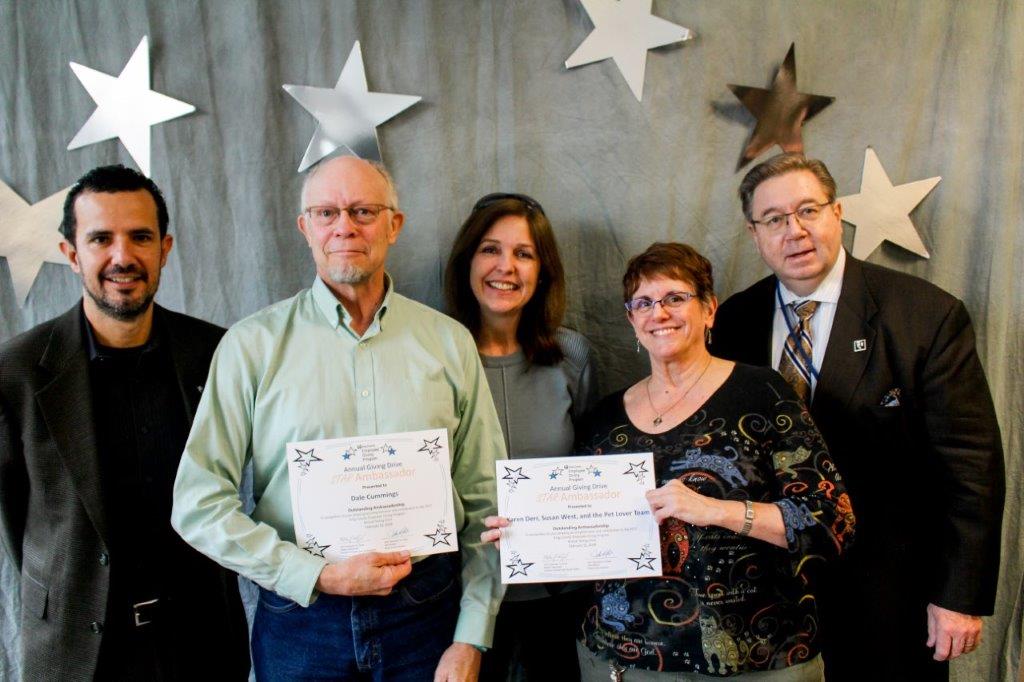
Way to Shine! Celebrating King County’s EGP Ambassadors
Crossposted from KC Employee Giving
Thank you, everyone who attended our Celebration event for the 2017 Annual Giving Drive on February 15, 2018. We were delighted to be joined by a full audience of King County employees, county leadership, and nonprofit representatives.
Our annual Celebration event is our way of recognizing employees for their hard work, dedication, and general awesomeness. It is their moment to shine because they helped someone else’s star shine a little brighter!
Read more at KC Employee Giving
Share this:

Meet Errol, the country’s 100th Courthouse Dog

 King County Senior Deputy Prosecutor Page Ulrey was a handler for Ellie, the nation’s first Courthouse dog, trained by Canine Companions for Independence. Ellie died peacefully on her 13th birthday last November.
This week, Page introduced Errol to the courthouse staff, along with service dogs Molly and Gabrielle from Canine Companions for Independence who came to Errol’s welcome party.
Read more at the King County Prosecuting Attorney Office website.
Share this:

ESJ Legislative Branch Committee guest speaker to discuss Dr. King, April 6

 The Equity and Social Justice (ESJ) Legislative Branch Committee and Councilmember Larry Gossett invite all employees to attend the first event in an ESJ lunch and learn guest speaker series, entitled “The Forgotten King” with author and activist Bill Fletcher, Jr.
The event will be held Friday, April 6, 2018 at 11:30 a.m. in the Superior Courtroom, E-942.
The King County Council passed King County’s Equity and Social Justice Strategic Plan 2016-2022 and the goal of the ESJ Legislative Branch Committee is to help advance the vision of the Strategic Plan.






 Employee News