
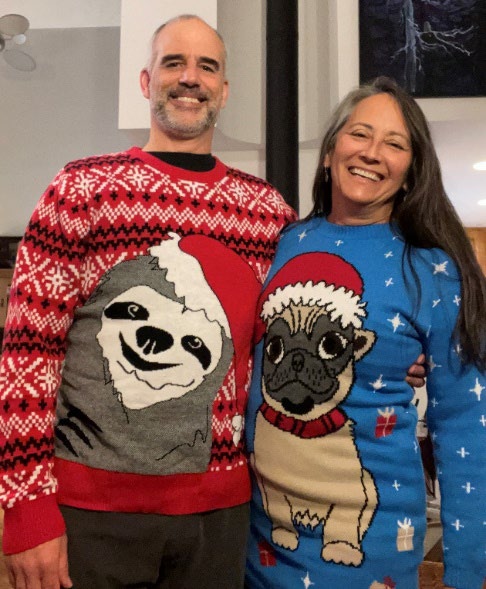
30 years at King County: A love story
By Katie Hayhurst
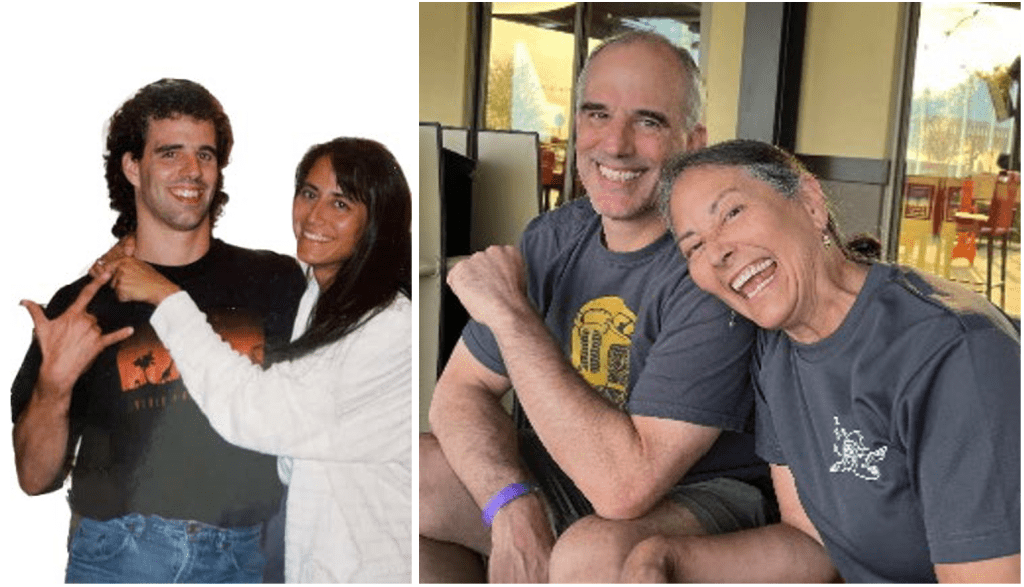
In 1993, Department of Natural Resources and Parks (DNRP) employees Greg Rabourn and Mary Rabourn (née Pehl) began working as Special Waste Technicians in the Solid Waste Division. Little did they know it was also the start of a beautiful relationship.
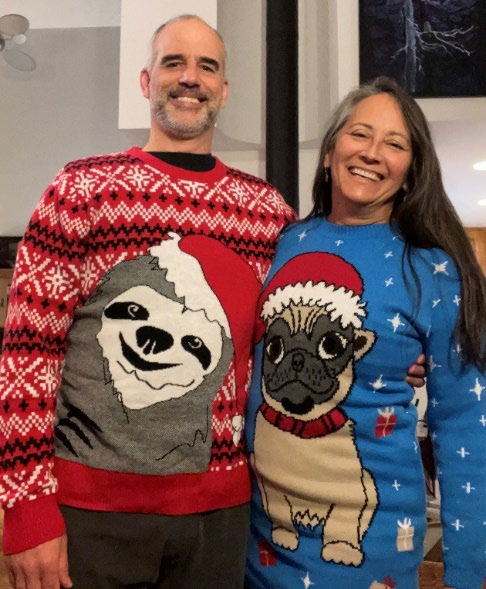
This couple’s “meet-cute” involved 900 acres of squishy garbage at the Cedar Hills Regional Landfill. Greg started working one month before Mary was hired and agreed to take the new person out for a tour of the landfill.
Mary recalled the scene as semi-trailers slowly shuffling 40 yards of trash out while seagulls screamed. The 13-foot dozer would drive over and squash the trash spraying 30-foot rainbow showers of soda. There was the indescribable yet distinctive aroma of garbage.
And there was Greg – enthusiastic and excited to show Mary this new world. But Mary had to stop Greg’s energetic description of the garbage world with an awkward but important message. “You have a maxi pad stuck to your boot,” Mary said. And the rest, as they say, is history.
Where are they now?
Greg works as the Basin Steward for Vashon-Maury Island where he identifies, prioritizes, implements, and finds funding for salmon recovery projects on Vashon-Maury Island. Mary is currently the Communications Specialist for Stormwater Services. Mary shared that working in community engagement is what she really enjoys as someone with a mixed-race, multicultural background.
“Overall, our jobs have been really awesome because we see where policy and practice hit communities directly,” said Mary.
Greg describes working in public service as challenging yet very meaningful and rewarding. He loves seeing on-the-ground changes that make a difference to communities and wildlife. He especially appreciates the depth of knowledge from his colleagues.
“Any topic you want to dive into, there is almost always someone at King County who can find you answers,” said Greg.
As a naturalized citizen, Mary values her community engagement role. She feels a responsibility to make things more accessible and permeable to everyone – especially people that are underrepresented.
“That’s why I really love working with our regional teams because they get that,” said Mary.
“We research and really try to understand our audiences. We found that the Latinx audience is super into climate action – we don’t have to convince them. It’s the same with Black or Brown audiences. They already get it. Let’s get them on board.”
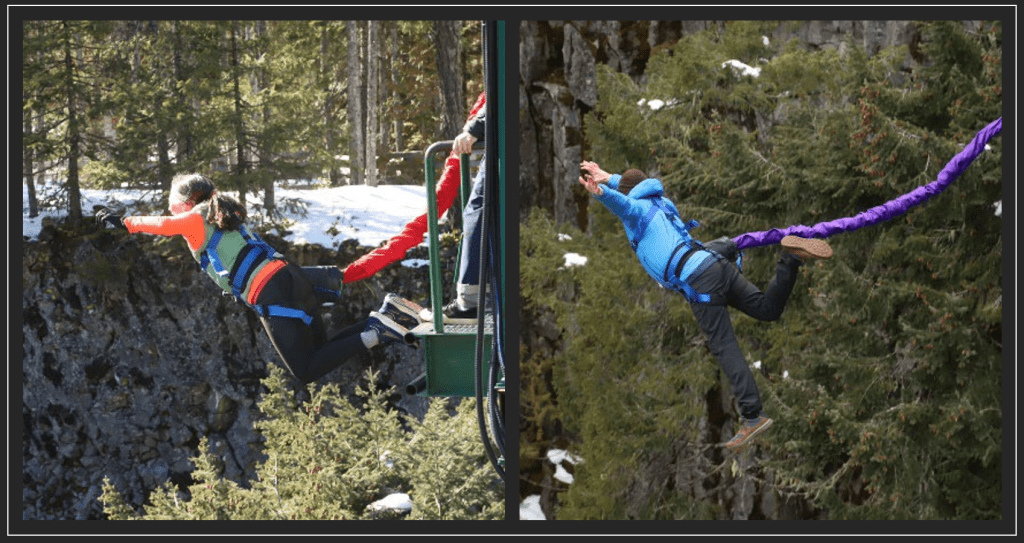
Advice for those just starting in their careers
As Greg looks back on his career, his advice for someone just starting at King County is to branch out, get to know your colleagues, and get involved in your union! He has benefitted from leaders that allowed him to mold and expand with the freedom to do things in different ways. Something that is easy to take for granted but has a huge payoff.
“Most of the positions I’ve held at King County have been my dream job at the time. Then I find another one and it has been an even better dream job. It has been very rewarding,” he reflected.
Mary encourages new or younger employees, especially people of color coming to work at King County to value what they bring.
“They are bringing in a new perspective, new expectations, and new sensitivities that they don’t realize hold such richness and can influence innovation and new ideas,” she said. “It is so important to ask – wait, why do we do it that way?”
Grateful for each other
Greg shared two things from his relationship with Mary that has helped him in life as well as in work. The first theme is that 1+1=3.
“The sum of us together is always greater than that of us individually,” Greg explained.
The other is a life practice that Mary instilled in him: always show up for people when they are in need.
“Sometimes it’s easy in our busy lives not to do that but Mary has helped me become a better person in that way and I appreciate that.”
Mary described Greg as a great “test subject” for social change. Watching him expand his vision of how others move through our societal systems has expanded Mary’s ability to explain challenging topics to people with different experiences.
“In the end we are going to leave our jobs and wonder what kind of footprint or legacy we left. In Greg’s case, he will have tangible, open space that he can point to that benefits the environment, endangered species, and climate change. My work is on the intangible side. I hope that a lot of the experience that folks have gained throughout projects further public engagement and entrusting communities.”
Katie Hayhurst was a summer communications intern with the DNRP’s Water and Land Resources Division. Katie is in her senior year at the University of Puget Sound, where she is pursuing degrees in Business Administration and Communication Studies.






 Employee News