
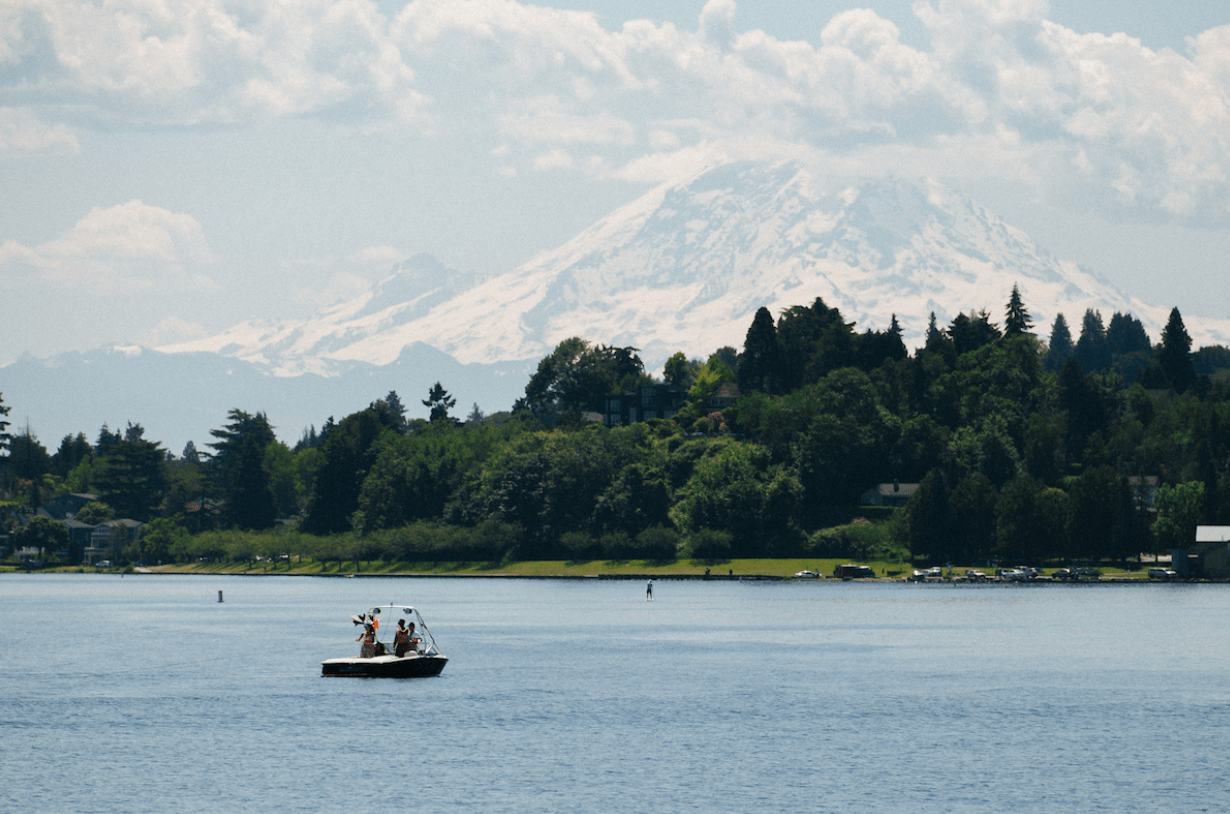
When scientists study a lake, they usually expect more people to mean more phosphorous in the water, often from fertilizer, detergents, septic systems, dog poop, and other human-related sources. And more phosphorous can mean more problems for water quality, as nutrient-hungry algae thrive when there is more phosphorus to feed them.
But between 1998 and 2022, something different happened in Lake Washington, even as the surrounding population boomed. Read more.






 Employee News