
‘A pathway to zero waste’: King County explores innovative technologies to meet waste reduction goals

Crossposted from Keeping King County Green
This year, the King County Solid Waste Division launched Re+, with an ambitious goal to reduce the amount of waste going to our regional landfill by 70% by 2030. The plan outlines actions to reduce waste at every point in the lifecycle of the products and items we use. In addition to reusing more, reducing single-use items, and expanding access and effectiveness of our recycling and composting programs, the County is investigating a new technology, called mixed waste processing, that can capture and divert valuable resources from the stuff that does end up in the garbage bin. Read more.
Share this:

Explore King County’s 41 farmers markets during National Farmers Market Week Aug. 6 – 12
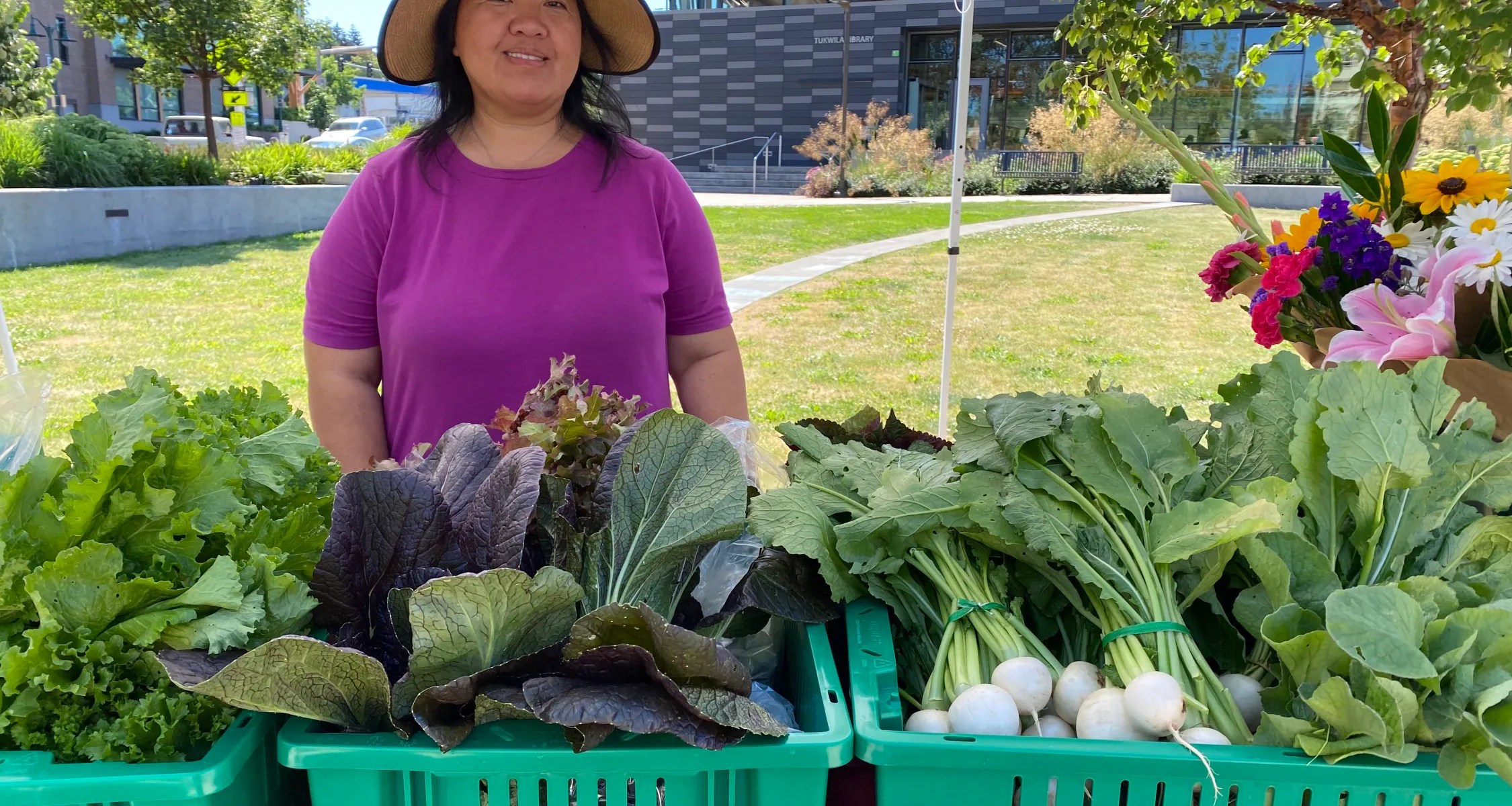
Crossposted from Keeping King County Green
Farmers markets across King County are at their most vibrant as we head into the last push of summer and then fall harvest season. August is prime time for vegetable variety and summer’s finest produce. Farmers Market Week, Aug. 6 to 12, is a great reason to get to a market and support local farmers and growers.
You’re never far from farm-fresh food in King County. Many markets offer SNAP/EBT matching through the SNAP Market Match program, and you can make the most of your visit by shopping early for greater selection. Find out more.
Share this:

Connections that bridge: King County Parks’ MET interns
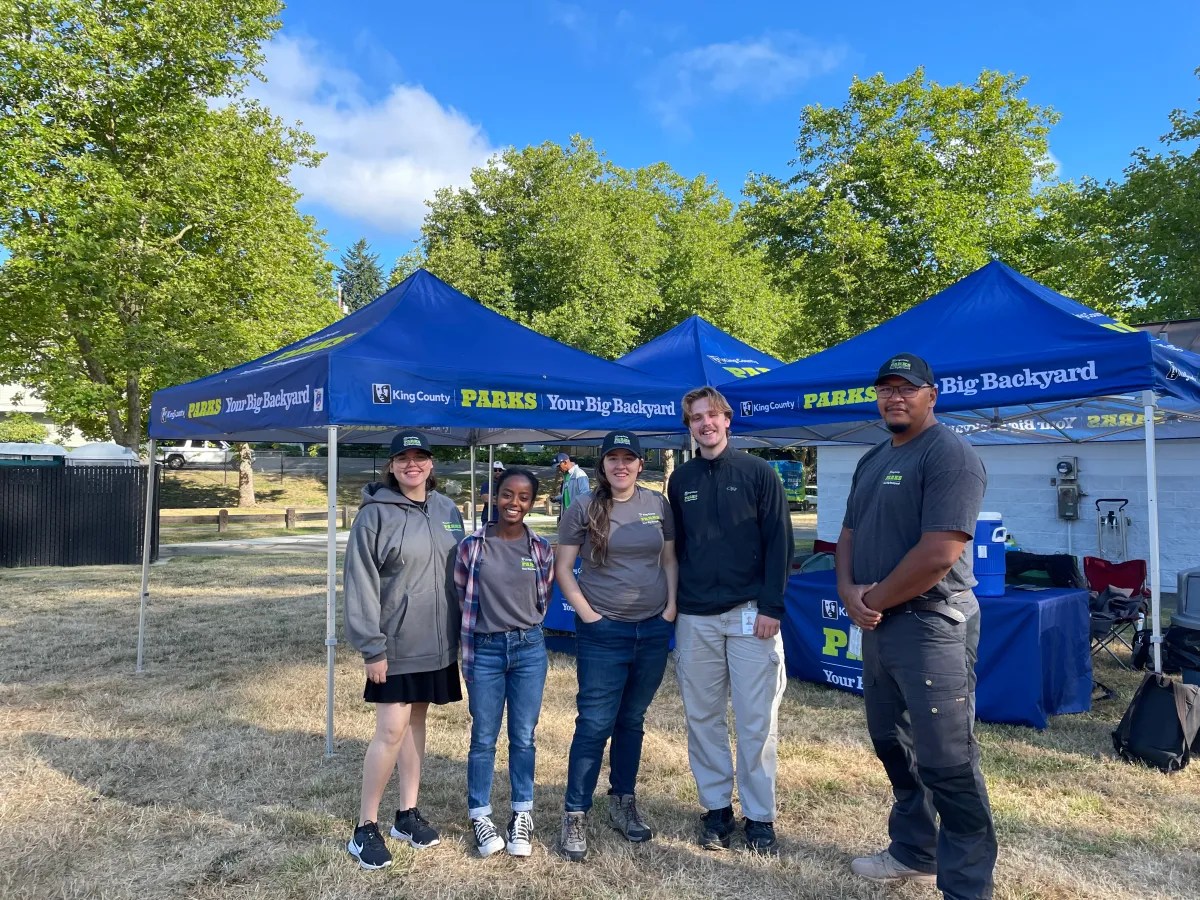
Crossposted from King County Parks
For the second summer in a row, the King County Parks’ Mobile Engagement Team (MET) program is hosting a group of college interns who are passionate about working with parks, government, and community outreach. Galit Berezansky, Malefia Gustafsson, Annabelle “Bee” Kisky, and Luc Tworek have conducted safety and accessibility surveys with pedestrians and disc golf players at Dick Thurnau Memorial Park, as well as other sites. At Marymoor Park, the interns have engaged with concert goers to share more information about outdoor recreation opportunities at different parks across King County. They have also supervised a Skyway Park Sport Sampling Camp organized in partnership with King County Play Equity Coalition and professional Seattle sports teams. As part of this program, the interns oversee a group of 100+ local neighborhood kids as they play and try out different sports and activities. Read more.
Share this:

Emerging Metro leader who lifts community voices is recognized for completing Ruth Woo fellowship
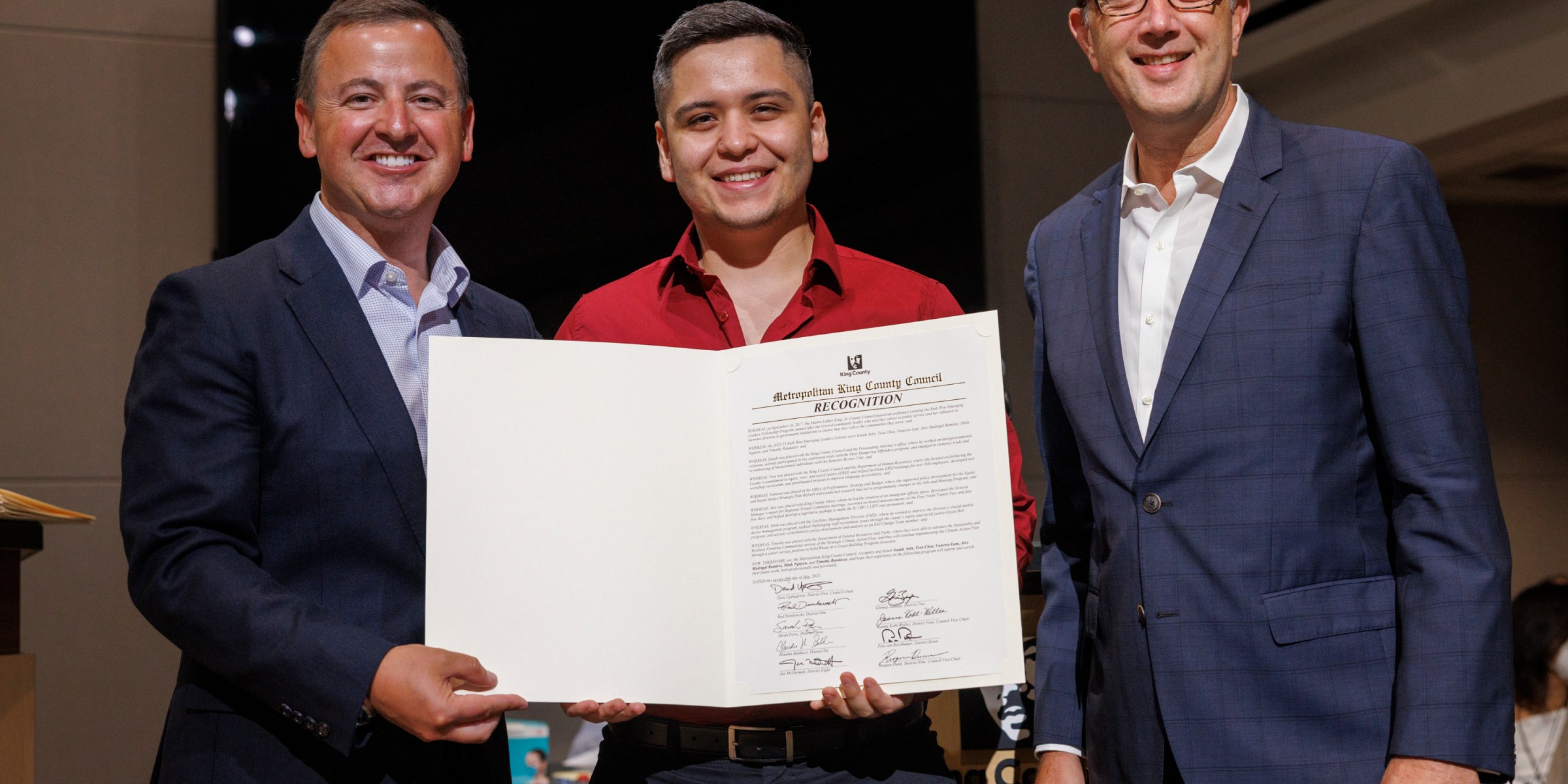
Crossposted from Metro Matters
Metro is proud to announce Alex Madrigal Ramirez’s participation in King County’s 2022-2023 Ruth Woo Emerging Leader Fellowship program.
“Alex has also taken a leadership role in launching Metro’s first Employee Resource Group dedicated to immigrants and refugees, and he is the voice of Metro in onboard announcements about the Free Youth Transit Pass,” said Rachel Wilch, a Metro Government Relations Administrator.
Ramirez called the fellowship an amazing career development opportunity. Read more.
Share this:

PeopleSoft outage Friday, Aug. 11 at 3 p.m.

To allow for system maintenance, the PeopleSoft system will not be available starting on Friday, Aug. 11 at 3 p.m. and is scheduled to be back online by 6:30 a.m. on Monday, Aug. 14.
During this planned outage, the Business Resource Center (BRC) will apply vendor updates and maintenance.
The system will not be available for access by any County staff during this outage window. There will be a communication sent out to all County staff when the system becomes available.
This outage impacts all PeopleSoft users. Your understanding and support is appreciated.
Share this:

Women in trades: Ivy Schmitz
Crossposted from the Metro Layover Employee Newsletter
Meet Ivy Schmitz. She works as a Utility Laborer in our Transit Facilities Division (TFD). Ivy is one of the 6.2% percent of women who make up the female workforce in the transit trades industry. This industry has traditionally been viewed as a male-dominated field, with women facing educational and training barriers, an unwelcoming workplace culture and environment, and lack of awareness and exposure to the possibility of employment in the trades.
Ivy first joined Metro as a Maintenance Crew member in South Facilities and then moved to North Facilities, where she started her new position as a Utility Laborer and obtained her Commercial Driver License (CDL). Studying for her CDL meant and coming into work an hour before her shift and spending breaks and lunches learning and reviewing material, but Ivy said it’s her proudest accomplishment at Metro so far.
Now that she has her CDL, Ivy flies solo during the workday as she travels to various sites around the city to power wash and clean some of Metro’s 1,837 bus shelters. All that power washing results in more than just a clean bus shelter for Metro’s customers. “Your hands will get sore, so it’s like a nice workout for your arms,” said Ivy.
When asked about her least favorite part of the job she said, “Constantly getting dirty, because when I detail a lot of dirt hits me. Big time. My lead was laughing the first time I walked in, head to toe just covered in mud.”
While working closely in proximity to transit riders and the public can sometimes be intimidating, Ivy shared the scariest encounter she’s had so far wasn’t with a person, but something a little smaller.
“I’ve never been mugged, but I almost got attacked by a racoon. I came out of the bathroom after cleaning it and saw something running [through the bushes]. I’m like, please be a cat! And it comes around the tree, and I was like that’s NOT a cat!”
Luckily, Ivy was able escape this close encounter without any issues.
Thank you for all you do to help move Metro forward, Ivy!
Share this:
Employees being contacted by firm purporting to represent King County retirement and financial plans

Recently, several employees have reported being contacted by a representative of Equitable financial services, stating that they represent King County employee retirement plans and attempting to get the employees to provide their personal financial information.
Equitable does not represent any King County retirement or financial programs and is not a provider of any King County retirement or financial plans.
Keep in mind, representatives for King County retirement and financial plans will not call you unsolicited. For security purposes it is recommended that you not give out any personal information to anyone you did not first contact.
You can find more information about King County retirement and financial plans and services here:
Should you be concerned about a possible scam or illegal action, please report the incident to Benefits, Payroll and Retirement Operations at KC.Benefits@KingCounty.gov or 206-684-1556.
Share this:

Administrative Professional Partners benefits employees
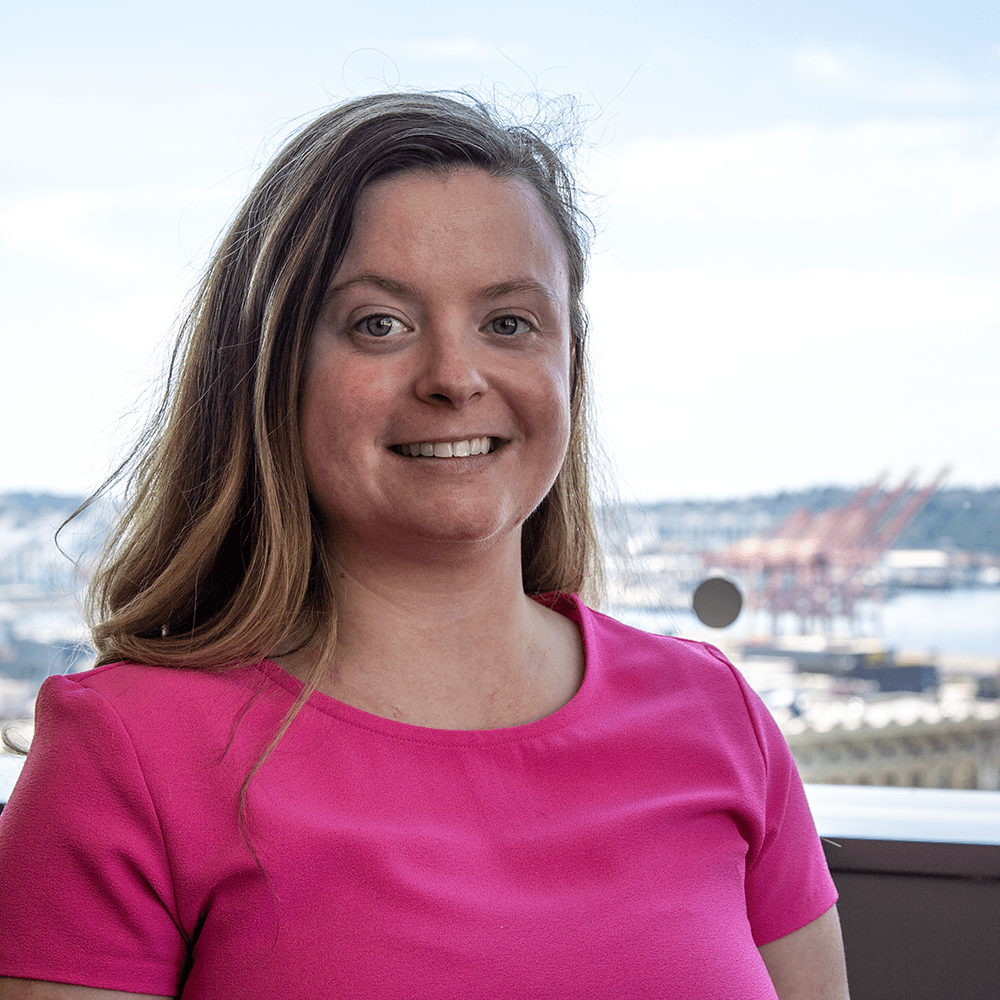
Since 2016, the Administrative Professionals Development and Recognition Program has forged pathways for the development and recognition of administrative professionals.
Meg Chambers, an administrative professional with the Department of Public Health, says, “The Administrative Professionals Program has made a huge influence on my career at King County. I have had the opportunity to work with other admin professionals to have a diverse set of experiences and perspectives, which has both helped me professionally as another admin professional and provided me with a support network of people who are doing similar work to me.”
Watch this video to learn more about how the program has helped Meg and how becoming an Administrative Professional Partner can boost your career.
If you are interested in becoming an Administrative Professional Partner or have questions, visit the website or email administrativeprofessionals@kingcounty.gov.
Share this:

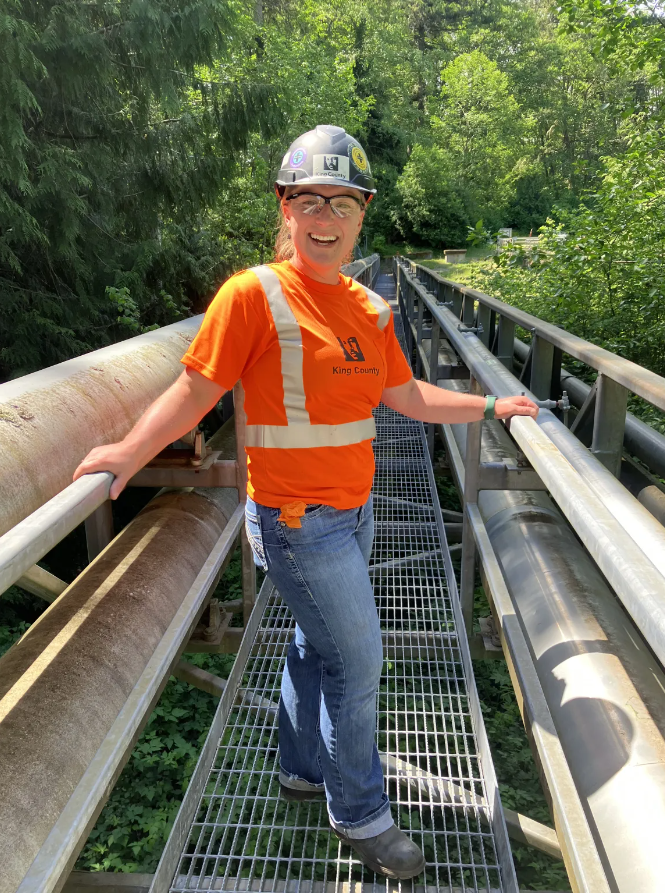
Mad scientist in the woods? Or, just another day at Vashon Treatment Plant
Crossposted from Clean Water Stories
Blink and you’d probably miss the driveway into Vashon Treatment Plant. Everything about this plant is pint-sized, a much scaled-down version of the massive clean water facilities servicing the mainland.
Despite the solitude, a lot happens in this quiet, serene spot in the woods where all the wastewater going down the drains of more than 1,000 people on the island ends up.
Elizabeth Corliss has been at the helm of Vashon Treatment Plant for four years now. Everyone calls her Lizzy. She grew up on Vashon and never knew the treatment plant was there until she joined King County’s Wastewater Treatment Division (WTD). “I tell people what I do, and they’re like, ‘What, we have that?’” Read more.
Share this:

King County invests $30 million to strengthen behavioral health workforce and increase access to services

King County Executive Dow Constantine announced an investment of $30 million in partnership with the five managed care organizations of the innovative King County Integrated Care Network, resulting in a 15 percent Medicaid rate increase to help stabilize the behavioral health system in the region. Investing in the behavioral health workforce is a key component of the Crisis Care Centers initiative and is central to King County’s efforts in addressing a crumbling behavioral health system and increasing access to services and treatment.
The 15 percent Medicaid rate increase is applicable to all Medicaid behavioral health providers and services within the King County Integrated Care Network (KCICN), and will go into effect this month, applying retroactive to January 1, 2023. The 2023 rate increase applies to all Medicaid and state funded programs, and programs where Medicaid is a part of the overall funding source. The state’s budget also invests in a 15 percent Medicaid rate increase in 2024. Read more in the official press release.






 Employee News