
Work to repair lighting in Jefferson Street alley completed
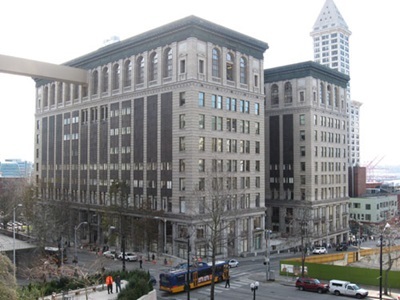
The City of Seattle has completed the temporary repair work to the lighting in the Jefferson Street alley, just south of the King County Courthouse between Third and Fourth Avenues.
A permanent repair, which involves running new electrical cable, will follow at a later date. Ensuring the area around the Courthouse is properly illuminated will help provide a safer, more welcoming environment for staff and visitors.
Share this:

More holiday spirit, less holiday stress with WeightWatchers

Reach your goals—and still enjoy every delicious moment—with a truly livable program from our partner, WeightWatchers.
All employees and benefits-covered spouses and domestic partners can join now for as low as $8.48 per month on select plans—that’s 50% off the retail price. Visit WW.com/us/KingCounty to sign up. Join by Dec. 31 and get a free WW Easy Everyday Cooking cookbook with your membership.
Learn more at WW.com/us/KingCounty. Then, get your WW cookbook at WW.com/cookbookoffer.
Share this:

Safety video: Filing an Online Incident Report Form

Our top priority is your safety and security at work, and we are continuing to partner with law enforcement, community, and other governments to ensure a safer, more welcoming environment in and around our facilities.
Here’s another tip to help you stay safe: If you have an incident that’s not an emergency or does not require an immediate response, you can use the Online Incident Report Form to submit details to Facilities Management Division Security at KingCounty.gov/IncidentReport. The Online Incident Report form is also included in the Quick Links section at the bottom of every Employee News email.
Check out the video and watch for additional videos with safety tips this year.
For more information on employee safety programs and resources, see the Future of Work Personal Safety at Work intranet page (employees only) and the Safety at Work page.
Share this:

Photo of K9 Deputy wins contest
Cross-posted from King County Sheriff’s Office newsletter
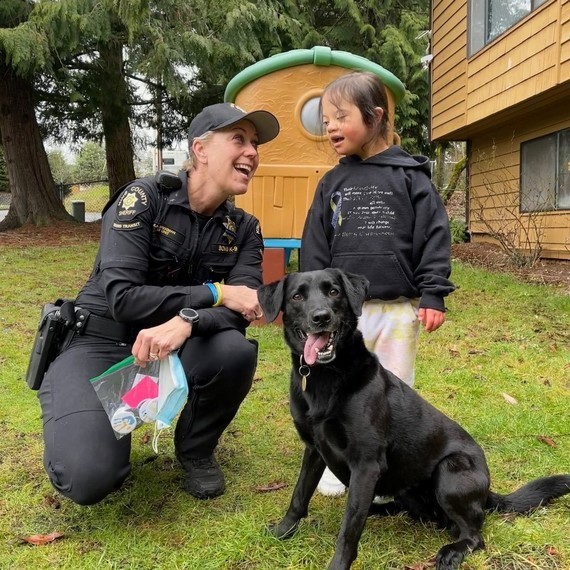
In November, the International Association of Chiefs of Police (IACP) held their 2022 Photo Contest. Photos of Sound Transit K9 Deputy Kristi Bridgman won first place in two categories: Athlete and Officer, and Spirit.
The awards were presented at the Law Enforcement Torch Run (LETR) International Conference in Austin, TX with almost 1000 participants in attendance. This program supports the Special Olympics.
The photo above of K9 Luna and athlete Ariana Graham was taken by Ariana’s mother and won the Athlete and Officer category. A photo of athlete Viana Lopez and Deputy Bridgman during the annual polar plunge won first place for the Spirit category. View a video of these photos and all the winners here.
Share this:

Why people over age 50 should get an updated COVID-19 booster before the holidays

Cross-posted from Public Health Insider
The cold winter months help COVID-19—along with RSV and flu—to spread more easily. COVID-19 continues to spread and evolve across King County and in the world around us. The chance of having severe disease and needing to visit the hospital is much higher for those over age 50. Read more.
Share this:

King County celebrates refugee resettlement efforts in the region
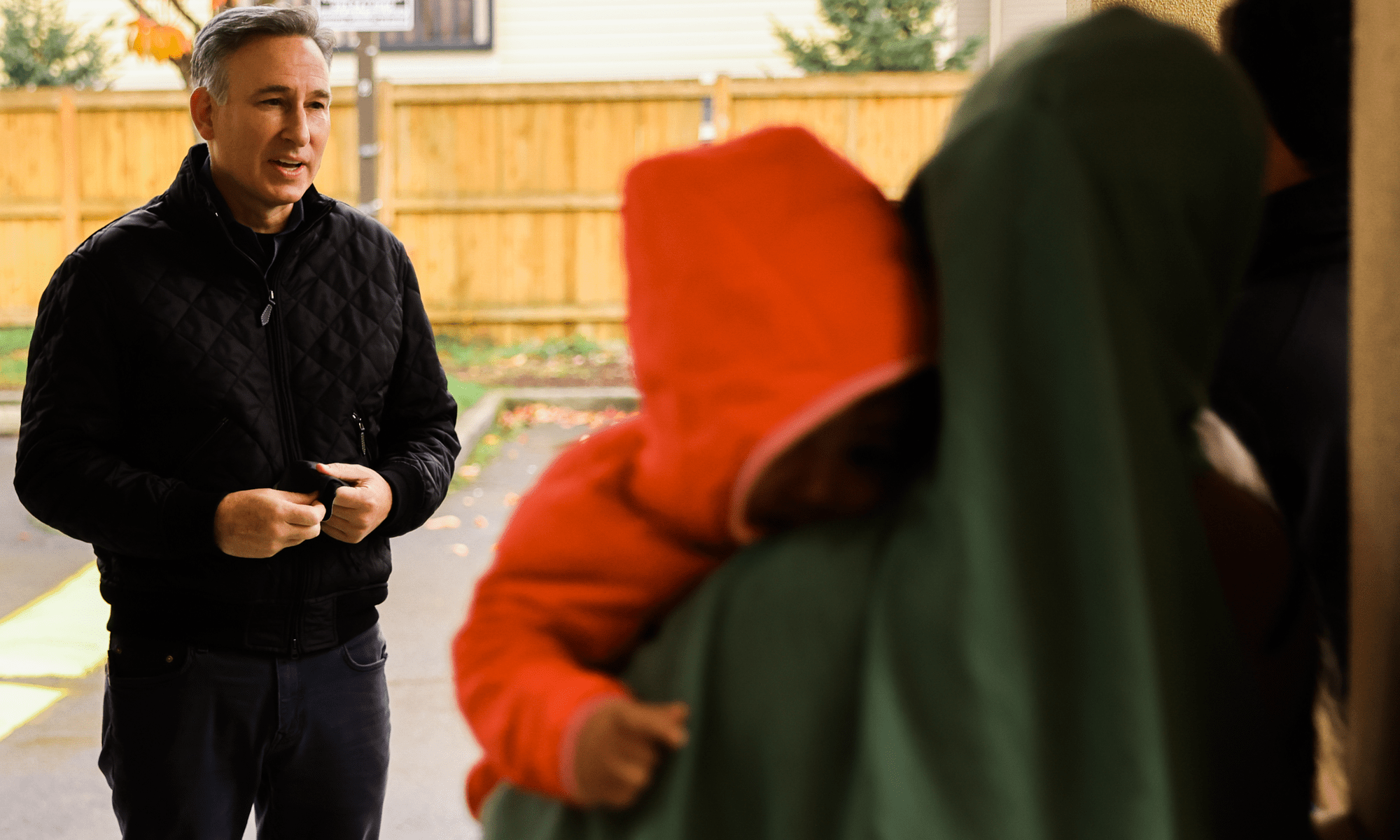
Today, King County Deputy Executive April Putney, alongside the Washington State Department of Social and Health Services (DSHS), the International Rescue Committee (IRC), and the City of Redmond celebrated the short-term refugee resettlement program for individuals and families coming to the region and the nearly 800 new neighbors who benefitted from the program. Read more.
Share this:

KCIA food drive benefits Georgetown Food Bank

Cross-posted from Plane Talk
King County International Airport (KCIA) employees participated in the third annual Fly Washington Passport Food Program this fall, collecting 462 pounds of food, nearly 200 pounds more than last year.
KCIA’s food drive benefits the Georgetown Foodbank. Last year, airports in Washington state donated more than 7,500 pounds of food to local area food banks. Each airport collects food donations from October through mid-November. The airport that collects the most gets the trophy for that year. Read more.
Share this:

Terry White retiring from King County Metro after more than 35 years

King County Executive Dow Constantine recently announced the retirement of Terry White, King County Metro General Manager, and the nomination of Metro Deputy General Manager Michelle Allison to lead the agency after White’s retirement at the end of the year.
“On behalf of the people of King County, I want to thank Terry White for over 35 years of exemplary service, and especially for leading Metro through the unprecedented challenges of the pandemic,” said Executive Constantine. White joined Metro in 1987 as a customer service specialist and held 13 positions prior to becoming General Manager. Read more.
Share this:

Spend your FSA money
Do you have money left in your Flexible Spending Account (FSA)? To check the balance of your Health Care or Day Care FSA, go to Navia Benefits and sign in to your account. Expenses must be incurred by Dec. 31, 2022, and submitted for reimbursement by March 31, 2023. Please see details below.
Health Care FSAs
- The Health Care FSA allows you to carry over Up to $570 of unused funds from your 2022 Health Care FSA can be carried over into next year. You do not have to be enrolled in an FSA next year to access these funds. Any other remaining funds are forfeited.
- You can use your Health Care FSA funds to pay for a variety of medical, dental, and vision expenses for you, your spouse or eligible domestic partner, and your dependents.
- Health Care FSA funds can be used to pay for orthodontia, laser eye surgery, eyeglasses, and over-the-counter medications and supplies, including menstrual care products. They can also be used for eligible ergonomic office equipment when you obtain a letter of medical necessity from your doctor.
- See the complete list of Health Care FSA Eligible & Ineligible Expenses. You can also shop online at the FSA Store.
Day Care FSAs
- The Day Care FSA does NOT have a carryover feature. All unused funds are forfeited.
- Use your Day Care FSA to pay for day care or dependent care expenses for your child under age 13, disabled spouse, or dependent parent so you can work or attend school full-time.
- Day Care FSA funds can also be used to pay an eligible family members to watch your children, as long as the family member is not your tax dependent (your spouse, the parent of the child, your dependent, or your child under the age of 19).
- Online or virtual day cares and camps are not eligible for reimbursement with Day Care FSAs, according to IRS regulations.
- See the complete list of Day Care FSA Eligible & Ineligible Expenses.
If you have questions about your FSA benefits, contact Navia at 425-452-3500 or Navia Benefits.
Share this:

Seattle Symphony Holiday discounts for December 2022

It’s time to experience the Joy, Cheer and Magic of the Holiday Season. Gather your friends and family and join us at Benaroya Hall for beautiful holiday music and great entertainment.
Seasonal events for December include Holiday Pops, Handel’s Messiah, and Beethoven’s Symphony No. 9.
Use promo code HOLIDAY23 for 20% off tickets and no handling fees. View upcoming performances and purchase tickets at www.seattlesymphony.org/concerttickets.
See all available discounts on the Employee Discount webpage.






 Employee News