
VIDEO: As COVID cases skyrocket, an update from Dr. Jeff Duchin

Crossposted from Public Health Insider
As cases skyrocket and hospitalizations increase, Dr. Jeff Duchin, Health Officer for Public Health – Seattle & King County, shared updates on COVID-19 and what the public needs to do to turn the outbreak around.
“The upcoming holiday season greatly adds to the risk, and to the importance of taking action now. If people travel, or gather for Thanksgiving celebrations or other get-togethers, we could see an explosion in COVID-19, causing human suffering unlike anything we’ve experienced in modern times. We want to remind everyone again that we can do the things we need to do when we work together and we do them safer, smaller and smarter.”
Dr. Jeff Duchin, Health Officer for Public Health – Seattle & King County
Share this:

King County awards community grants to advance anti-racist agenda

On June 11, 2020, King County declared racism a public health crisis. In partnership with advocates, community-members, and public servants throughout King County government, Executive Constantine put together a package of budget proposals to reform the criminal legal system, and begin an ongoing, multi-year effort to shift resources from systems that cause harm, to upstream programs aligned with racial and social justice.
King County staff developed anti-racist policy agendas and biennial budget priorities based on demands from Black, brown and indigenous people of color. To aid in further effective policy and investment development, King County has awarded $200,000 to 24 organizations to engage members of their communities, and provide meaningful feedback with input directly from The communities most harmed by systems of oppression and racism.
Read more in the official press release.
Share this:

Spend your FSA money before it’s gone

 Do you have money left in your Flexible Spending Account (FSA)? Check the balance of your Health Care or Day Care FSA by going to Navia Benefits and signing in to your account.
Expenses must be incurred by Dec. 31, 2020. And you have until March 31, 2021, to submit claims to be reimbursed.
Day Care FSAs
- Use your Day Care FSA to pay for day care or dependent care expenses for your child under age 13, disabled spouse, or dependent parent so you can work or attend school full-time.
- Day Care FSA funds can also be used to pay an eligible family members to watch your children, as long as the family member is not your tax dependent (your spouse, the parent of the child, your dependent, or your child under the age of 19).
- Online or “virtual” day cares and camps are not eligible for reimbursement with Day Care FSAs, according to IRS regulations.
- See the complete list of Day Care FSA Eligible and Ineligible Expenses.
- You must use your FSA money for eligible expenses incurred during the plan year—unused funds are forfeited.
Health Care FSAs
- You can use your Health Care FSA funds to pay for a variety of medical, dental, and vision expenses for you, your spouse or eligible domestic partner, and your dependents.
- Health Care FSA funds can be used to pay for orthodontia, laser eye surgery, eyeglasses, and over-the-counter medications and supplies, including menstrual care products. They can also be used for eligible ergonomic office equipment when you obtain a letter of medical necessity from your doctor.
- See the complete list of Health Care FSA Eligible and Ineligible Expenses. You can also shop online at the FSA Store.
- For the Health Care FSA only, unused funds up to $550 will carry over to the next calendar year. These carryover funds will be available to you after March 31, 2021. Any other unused funds are forfeited.
If you have questions about your FSA benefits, contact Navia Benefit Solutions at 425-452-3500 or email Navia Benefit Solutions.
Share this:

Honoring Indigenous People during Native American Heritage Month

November is Native American Heritage Month. This November, Balanced You gives thanks to Indigenous communities. We honor the wisdom and culture of Indigenous people, we mourn the colonization of their land, and we celebrate the Indigenous people who continue to reside on their ancestral homeland.
While the tradition of Thanksgiving has been rooted in colonization, there are steps you can take toward decolonizing the holiday. Balanced You invites King County employees to honor and give thanks to Indigenous People during Thanksgiving, Native American Heritage Month, and year-round. Visit this Balanced You blogpost for tips and resources.
Share this:

Vivecorp exercise classes will not be held the weeks of Thanksgiving and Christmas

In response to employee requests, Balanced You, in partnership with Vivecorp, is offering free, live, virtual exercise classes starting Wednesday, Oct. 21. King County employees and anyone in their home, including children, are welcome to join. Classes will be hosted on Zoom and held on Wednesdays at 5 p.m. and Fridays at noon through December 2020. Visit this Balanced You blogpost for the class schedule and instructions on how to register and join.
These classes will be not be held the weeks of Thanksgiving and Christmas holidays.
Please note: You will need to use Chrome or Microsoft Edge as your browser in order to sign up for the exercise classes. Internet Explorer is not compatible with the Vivecorp site.
Share this:

Celebrating Thanksgiving during the COVID-19 pandemic

Thanksgiving gatherings traditionally center around time spent breaking bread with loved ones. This year, in light of the ongoing pandemic, the steep rise in confirmed COVID-19 cases, and the recent Governor orders to limit social gatherings and non-essential activities, Thanksgiving celebrations are likely to look different for many people.
Fortunately, there are still safe, fun, and meaningful ways to celebrate the holiday together. Visit this Balanced You blogpost for tips and resources for navigating 2020’s Thanksgiving.
Share this:

Learn about Medicare options, December 15

Are you reaching Medicare age? Do you want to learn more about Medicare and your options as a King County employee? SIgn up for Medicare 101, an upcoming seminar featuring guest speaker Jean Cormier, who will discuss Medicare basics. In addition, Jenny Stark from Regence BlueShield and Hannah Bachelder from Kaiser Permanente will discuss their Medicare Advantage plan options.
This seminar takes place Tuesday, Dec. 15 from 2:30–3:30 p.m. Register here.
Please note, attendance is strictly voluntary, on your own time, and non-work related. For more information, contact Carmen Johnson.
Share this:

Tech Tip: Remember: A good way to help identify potential phishing

Phishing attacks continue to hit employees at King County, just like other local jurisdictions. Because of this, KCIT wants to remind employees about the banner which identifies emails sent from outside of the county. The banner is used because a common phishing tactic employed by the bad guys is sending emails in which the display name in the “From” field looks like it’s been sent by someone within King County, but that email address is fake and actually from someone making a phishing attempt.
Unfortunately, users do not always notice when such an email is a phishing attempt. This makes employees vulnerable to viruses and other problems.
When any email is delivered from an outside email address, the following is added. This warning message appears in the body of the email message.

Remember, this warning message will let employees know the email came from outside the County and has the potential to be a phishing scam.
For questions or concerns, visit the KCIT Helpdesk.
Share this:

Reminder: Employees needed for Balanced You Well-being Advisory Committees

Do you have ideas on how King County can better support the well-being of you and your colleagues? In response to employee surveys and listening sessions, Balanced You, is developing two new well-being advisory committees: one for telecommuters and one for essential employees working onsite. Anyone interested is invited to apply. Visit this Balanced You blogpost for more information.
Share this:

Executive Constantine on the adoption of $12.4 billion biennial King County budget: Putting our money where our values are
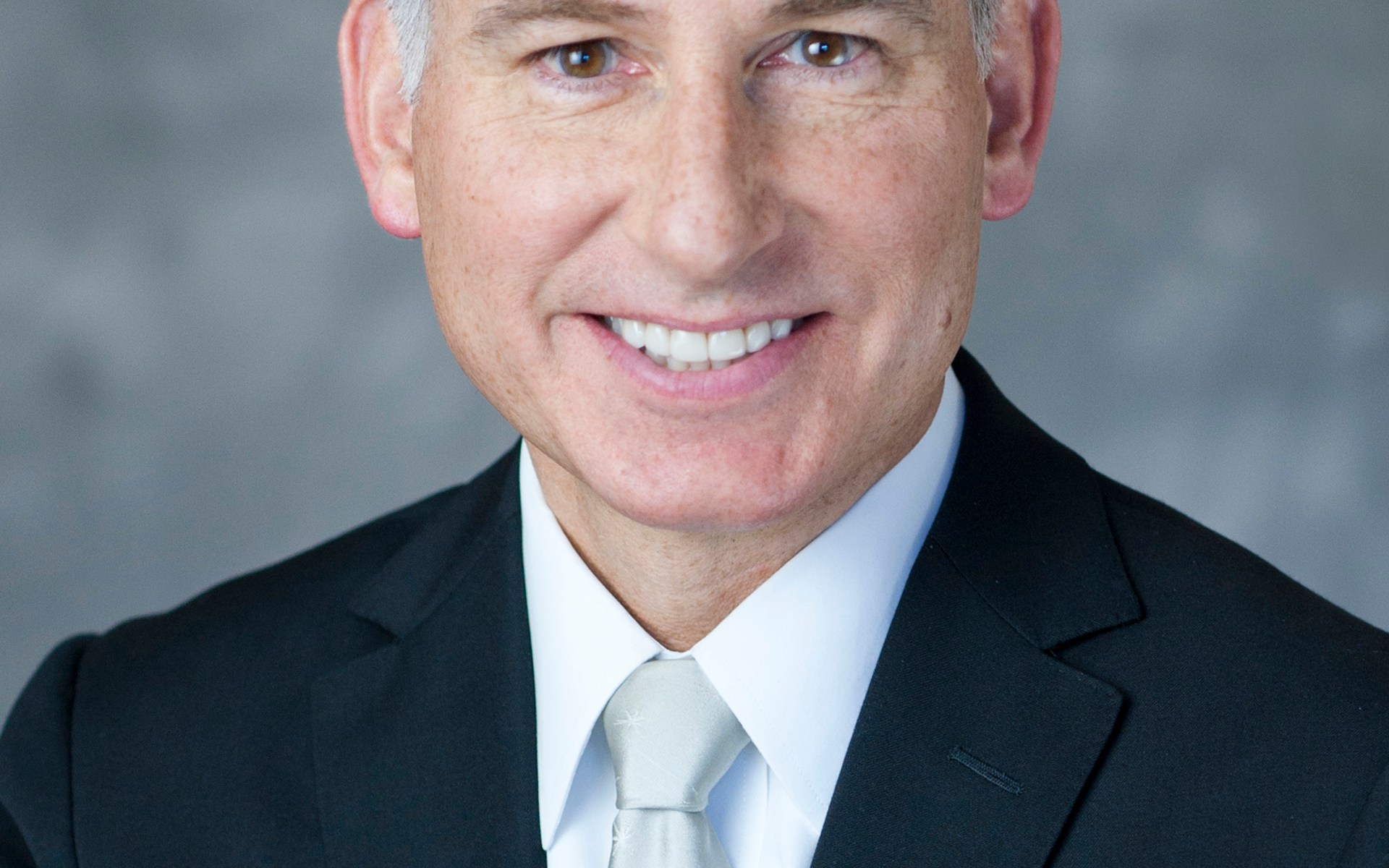
“I thank the King County Council for their careful deliberations since I transmitted my proposed two-year budget in September. I also want to recognize the many community members who participated in hearings and other venues to get their voices heard.
“This budget puts our money where our values are. It will provide a safe, dignified place to live to thousands of chronically homeless people. It re-orients our criminal legal system and makes a significant down payment in our ongoing efforts to shift resources to upstream programs aligned with racial and social justice.
“This budget also enhances Metro service where needs are greatest, and continues King County down the path of a carbon-free transit system.
Read more in the official press release






 Employee News