
CHOMP! 2020 Online Celebration
CHOMP! Summer Camp is just around the corner with great virtual programming lined up. From August 24 to 28 you can tune in each evening to check out new content, including a potato zucchini fritter demo, a virtual farm tour at Dandelion Fuzzies Minifarm, how to make a flute out of a carrot, gardening tips from Viva Farms and much more!
Now in its sixth year, CHOMP! celebrates all that is fresh, delicious, local and sustainable in King County. The event supports King County Executive Dow Constantine’s Local Food Initiative by highlighting local farms and farmers, chefs and restaurants using locally-sourced food, and local organizations specializing in healthy and affordable foods, farmer and farmland support, sustainability, and social justice.
For the past five years CHOMP! has taken place at the picturesque Willowmoor Farm at King County’s Marymoor Park each August, and has grown to an audience of more than 6,000 attendees. The event features a full day of free programming for the whole family to enjoy, including an onsite farmers market, a full day of Cooking Demos, an Upcycle Bazaar featuring local makers, Zucchini Races, Tree Climbing, Live Animals, Live Music, and much more! Find out more.
Share this:

King County awards COVID-19 relief grants to regional science organizations, arts and culture, and independent live music venues

King County provided $2 million in one-time grants to science, arts and culture organizations, and independent live music venues disrupted by COVID-19 across the region. The program is tailored to organizations that draw tourists and is designed to ease the economic burden of the pandemic while also increasing public health measures.
With $2 million of funding backed by the federal CARES Act, King County awarded a total of 62 grants in three categories:
- Music venues (35 awards)
• Arts, culture and science educations organizations (21 awards)
• Science organizations (6 awards)
The grant funds will improve compliance with public health safety measures as these organizations reopen to support the county’s economic recovery and enhance residents’ quality of life. Read full release.
Share this:

The case of the metal strands – teamwork leads to the source of treatment system damage
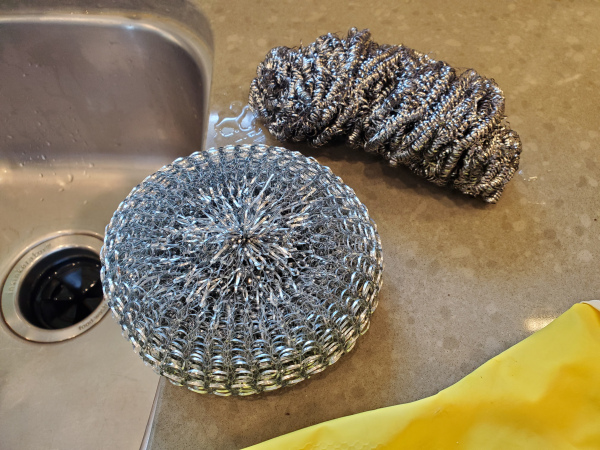
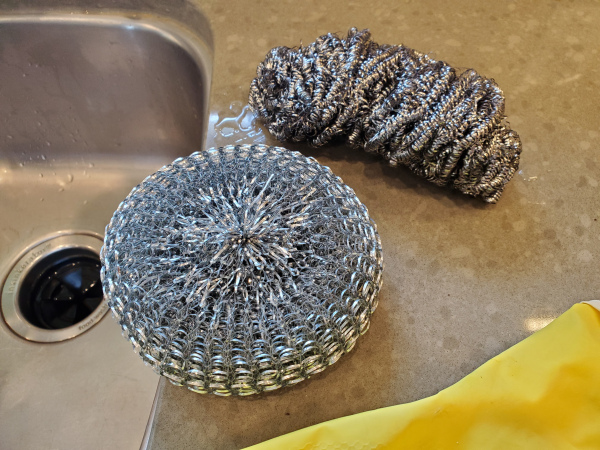
Pictured: People should use sink drain baskets to catch any metal strands that may break off scrub pads like these. Broken metal strands that go down the drain may damage wastewater treatment plant equipment.
Crossposted from Wastewater Treatment Division’s Clean Water Stories
When wastewater comes into the Carnation Wastewater Treatment Plant, it first passes through a process that removes larger particles like trash and grit from the water. Next, the water flows through a process that involves tanks containing membranes. These membranes are fine filters (like spaghetti) that only allow water molecules to flow through. When staff at the Carnation Plant began noticing damage to the membranes, they investigated. What they found were metal strands causing the damage. They made a call to our utility’s Unusual Occurrence Program. Read more.
Share this:

Expanded EBT benefits available for families to feed children who are learning from home

In order to reduce the impact of the pandemic on our community, many school districts have opted for remote learning, meaning many students will be learning from home this year rather than from classroom. While this important decision reduces the risk of families contracting or spreading COVID-19, it also introduces increased financial burden to families that relied on free or reduced-price meals at school and now must adjust their finances to feed their children at home.
To lessen this burden, Washington state, in partnership with the federal government, has introduced the temporary Pandemic EBT, or P-EBT, program to increase the amount of food funding available to families with K-12 children who qualify for free- or reduced-price school meals. Visit this Balanced You blog post for details on the P-EBT program, including information on how to apply.
Share this:

Free Webinar for employees: Planning for College 101

The costs of attending college continue to increase, so planning is imperative. This one-hour webinar, provided by My Secure Advantage (MSA), will review different types of college savings accounts, the FAFSA financial aid process, scholarships, grants, and loans. Participants will leave this class better prepared to establish and fund their college savings goals.
Tuesday, Sept. 8, 2020 | 9 a.m. & noon | Register Here.
Note: If you register and cannot attend, a recording of the webinar, along with a copy of the session presentation and handouts, will automatically be sent within 24 hours.
Share this:

Electric scooter share pilot program

King County has launched a one-year pilot program for shared electric scooters in accordance with Ordinance 18989. We’re creating this pilot program to offer new mobility options in the North Highline Urban Unincorporated Area, including White Center. Scooter share programs operate much like bike share programs – anyone can access a scooter using a smartphone app, ride to their destination, and leave the scooter in an appropriate location.
This pilot program will help the County determine whether shared Scooters can support the County’s policy goals of:
- Improving first/last mile connections to transit
- Reducing private motor vehicle use and congestion
- Promoting safe travel with this form of transportation
- Improving pedestrian safety, accessibility, and convenience for people of all ages and abilities
- Providing equitable transportation services, and
- Reducing air pollution, including climate pollution.
Share this:

Substance use and mental health disorder recovery resources during the pandemic

The pandemic is creating unique challenges for those faced with substance use and mental health disorders, including those in active recovery. Social isolation can heighten symptoms and cravings. Meanwhile connection – the antidote to isolation and a cornerstone of many recovery programs – has changed in the face of social distancing.
Before coronavirus, rooms and facilities in communities across the globe were filled with groups of people offering each other resources, tips, and stories of strength and hope. Now, those groups have been asked to stop meeting in-person, to prevent the spread of coronavirus. Fortunately, many recovery groups and facilities have quickly and successfully pivoted to the virtual landscape, while others have maintained or expanded the online or phone-based services they already provided.
Recovery can and does happen, even during a pandemic. Visit the Balanced You blog to learn what online and phone-based resources are available to support you or your loved ones in beginning, returning to, or maintaining recovery.
Share this:

Hot weather tips during a pandemic
 Crossposted from the Public Health Insider
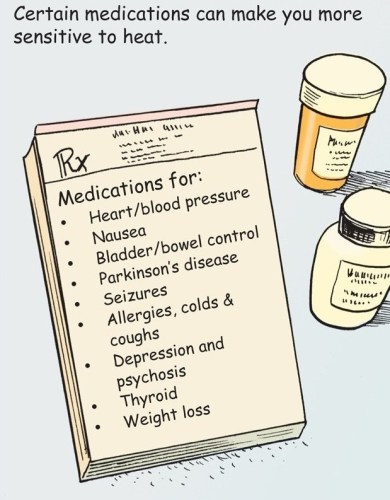
Beautiful, warmer weather is in the forecast, but we all know this summer looks and feels different. With safety measures in place for COVID, we won’t be able to head to the air-conditioned comfort of movie theaters, malls, or even libraries. Pools, splash parks, and many beaches are closed. In previous summers, some cities have opened air-conditioned community spaces for the public to cool off. They won’t be able to open them this summer because with COVID circulating, it’s too risky to have groups of people close together in an enclosed space. Leave it to COVID to put a dark cloud on a sunny day!
So this summer, we’ll need to take other measures to cool off and be extra attentive to signs of overheating. Read more.
Share this:

Executive Constantine submits $87 million emergency COVID-19 budget for drive-through testing in South King County, housing, and childcare
King County Executive Dow Constantine has transmitted an emergency supplemental budget to the King County Council for the fourth time since the COVID-19 outbreak. The $87 million proposal includes funding for new test sites, housing, and arts organizations.
The $87 million emergency supplemental budget provides funds for one-time investments to help in the health and economy recovery of King County.
Included in the budget is $11 million for at least two drive-through/walk-up testing sites in South and East King County that can provide 500-1,000 tests per day. Public Health – Seattle & King County will also partner with Community Health Centers to add testing sites capable of 200-500 per day in various locations for currently underserved communities. Read more.
Share this:
Learn about the proposed 2021-2022 budget
Dwight Dively, Director of the Office of Performance, Strategy and Budget, has recorded a short video about the proposed 2021-2022 budget.
In the video, he discusses the uncertainties we’re facing as we plan for the next two years, the budget shortfalls in several funds, and the County’s commitment to investing in anti-racist policies.
“My team in the Office of Performance, Strategy and Budget is currently reviewing budget proposals and developing recommendations for the County Executive,” Dwight said. “There are still many unknowns and a lot of work to do between now and late September, when the Executive will submit his proposed budget to the County Council.”
You can watch the video below.






 Employee News