
King County to offer hotel rooms to healthcare workers impacted by COVID-19

In partnership with the state’s health care unions, King County Executive Dow Constantine and King County Council Chair Claudia Balducci today announced that the County reserved a block of rooms at Hotel 116 in Bellevue for healthcare workers who need a place to stay if they are concerned about COVID-19 exposure.
King County is partnering with Washington State Nurses Association, SEIU Healthcare 1199NW, and UFCW 21 to inform their members about this resource.
“Healthcare workers on the front lines of our crisis response shouldn’t have to put their families and loved ones at risk for doing their jobs. I am gratified to have the opportunity to work with healthcare unions to offer housing for caregivers during this public health emergency, so they can remain safe and care for our community,” said Executive Constantine.
Read more in the official press release.
Share this:

How to apply for and donate to Emergency Leave Program

 King County is working hard to address the challenges that have arisen from the coronavirus, and is providing new ways to support employees. Some employees are impacted more than others, and will exhaust their paid leave while recovering their health or caring for others. With this in mind, the Emergency Leave Donation Program was developed so that employees who have been affected by COVID-19 can request donated leave.
Employees interested in supporting colleagues affected by COVID-19 can donate accrued sick and vacation leave in two different ways:
- Using PeopleSoft to make donations. Learn how by viewing this PeopleSoft Emergency Leave Donation guide (SharePoint), or viewing this short video (also below) from the King County Business Resource Center to help with PeopleSoft entries.
- Completing the Emergency Leave Donation Form, which is a fillable PDF and can be submitted electronically without printing. The completed PDF form can be emailed to EmergencyDonation@kingcounty.gov.
Employees who need leave due to a COVID-19 related absence can request donated leave from the program using the Emergency Leave Request Form. This fillable PDF form can also be completed on a computer and emailed, without needing to be printed. The completed PDF form can be emailed to EmergencyDonation@kingcounty.gov.
For more information about supporting one another through the Emergency Leave Donation Program, visit the webpage here. See the FAQ information on how to mail or interoffice mail any completed forms.
https://vimeo.com/403865931/c43a6136c3
Share this:

Featured Job: Behavioral Health Support Staff for COVID I/Q Facilities – Social Services Specialist

Salary: $25.01 – $31.70 Hourly
Location: Various Locations throughout King County, WA
Job Type: Term Limited Temporary, PartTime, Std Wkly Hrs Vary
Department: DCHS – Community & Human Services
Job Number: 2020AC11581
Division: Behavioral Health and Recovery
Closing: 7/31/2020 11:59 PM Pacific
Learn more about this position or view all available positions.
Share this:

Update for April 8, 2020: Tips for safer transportation to necessary medical care; Public Health – Seattle & King County announces 202 new cases
Crossposted from Public Health Insider
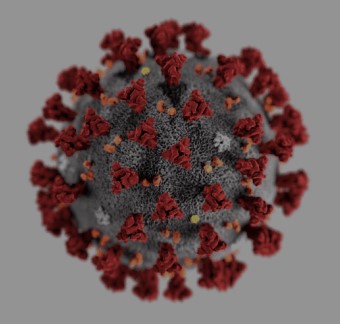
Public Health – Seattle & King County provides tips to minimize risk when travelling to necessary medical appointments – including for people who have symptoms of COVID-19. In addition, Public Health reported 202 new cases of COVID-19 today, bringing the official case count in King County to 3688. Fourteen new deaths were reported, bringing the total of COVID-19 deaths in King County to 244.
Story: Tips for safer transportation to necessary medical care
Even with the Governor’s Stay at Home order in place, people may need to travel to a medical provider for important medical appointments or to seek care for COVID-like illness.
Read more from Public Health Insider
Share this:

Emotional phases during the coronavirus pandemic, and what you can do

The coronavirus outbreak has radically changed our sense of security and daily routines. Everyone will experience this situational trauma uniquely based on past experience and current context, but there is a predictable arc in the human response to crisis we can use to afford ourselves grace and build resilience.
The following information on the emotional phases you may experience during this pandemic is based on research by the NeuroLeadership Institute. Following the review of emotional phases, you will find an overview of additional resources. Remember, what you are feeling right now is normal. Be gentle with yourself and nurture your emotional health as we move through this together.
Read more from Balanced You
Share this:

Celebrating the outstanding work of Public Health and healthcare professionals in our region
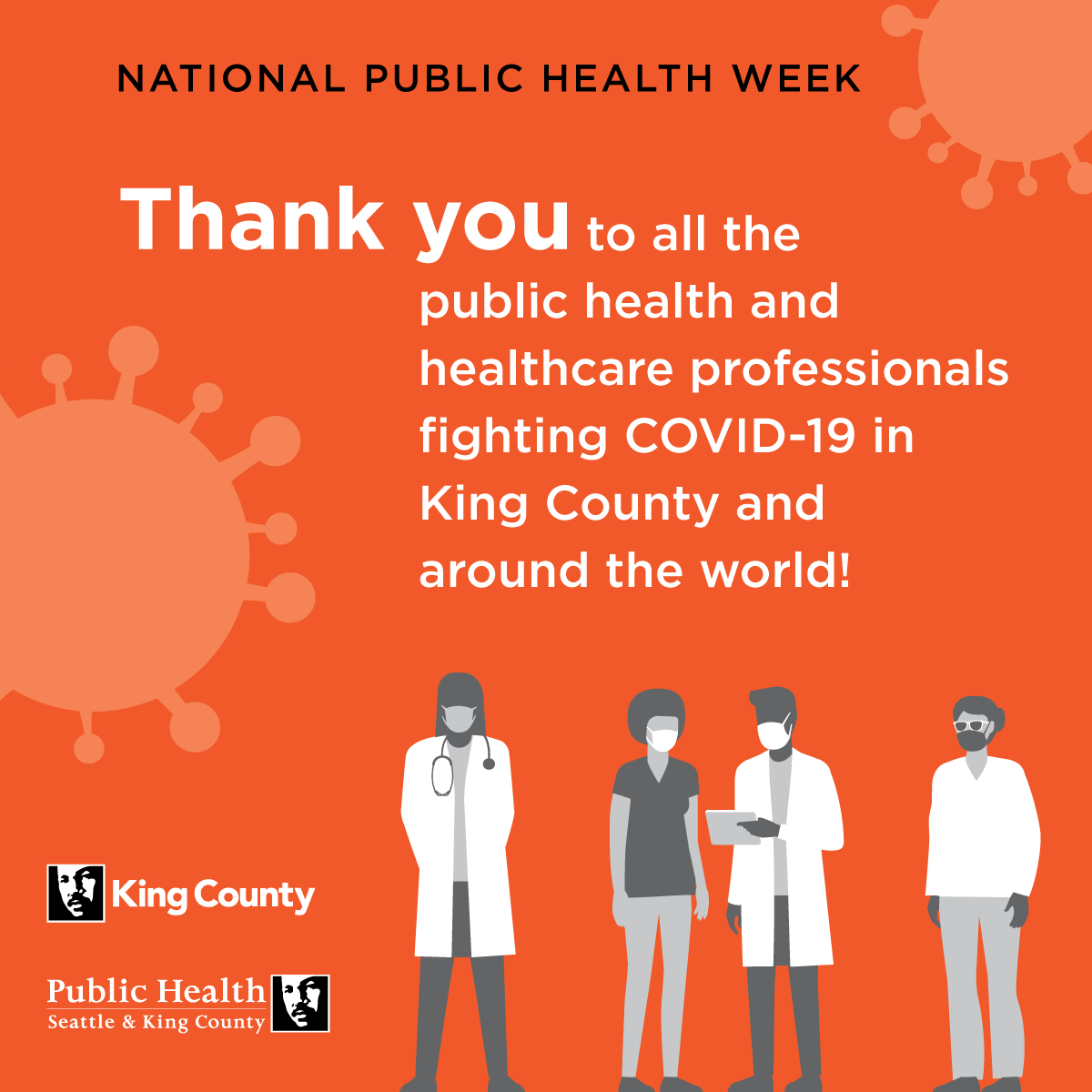
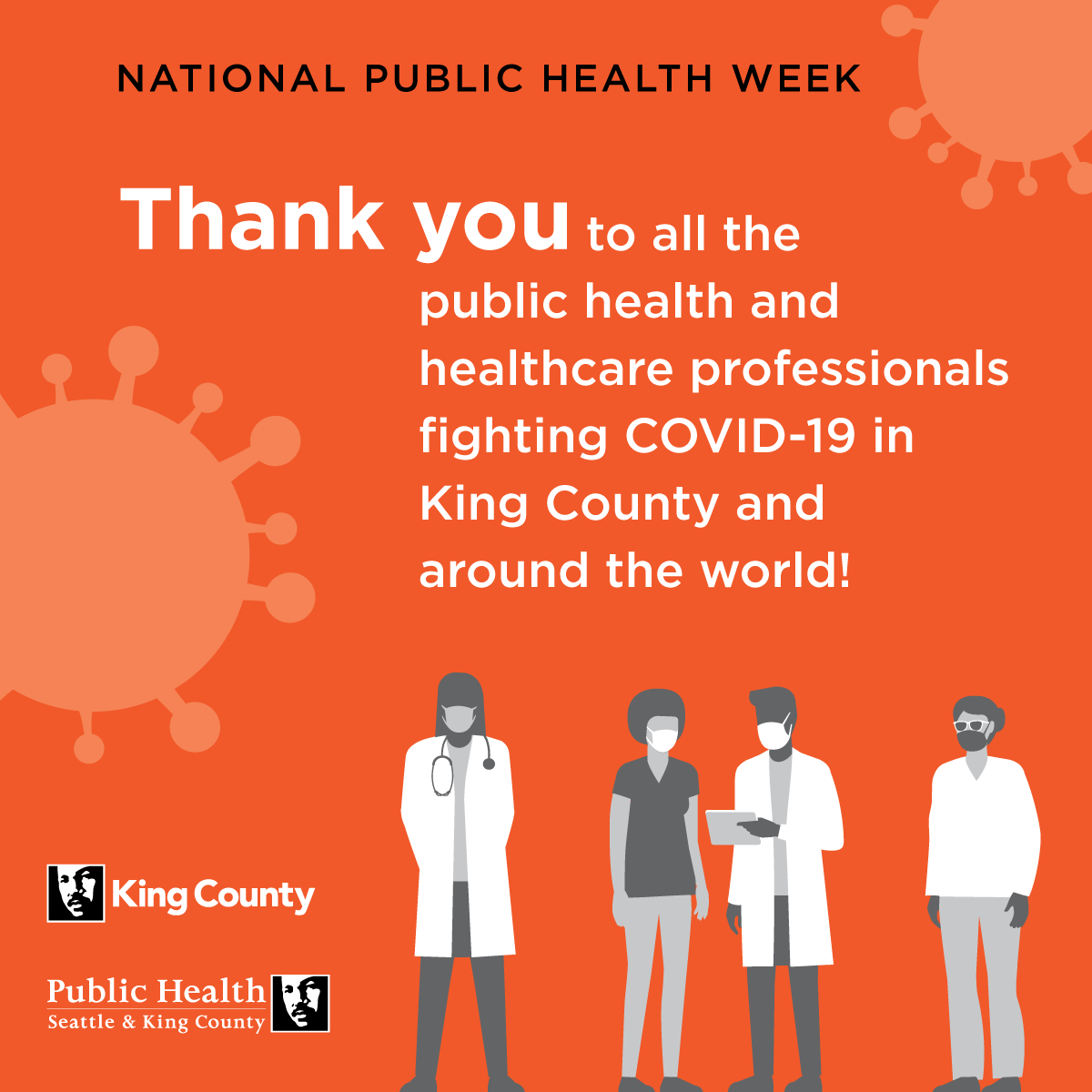 The courage, professionalism and service of public health and healthcare professionals deserves our deepest gratitude and admiration.
Thank you for your service and sacrifice as we face the COVID-19 pandemic together.
April 6-12 is National Public Health Week. Over the last several weeks, we’ve all seen firsthand why public health matters to our community and around the world.
We’re grateful for the work you do every day, and especially now.
Share this:

Giving during COVID-19

Crossposted from KC Employee Giving
Here at the program, we believe in the strong power of philanthropy and know that our nonprofit organizations are on the front lines of this work. This is a long haul issue and we need our nonprofit organizations to make it through to the other side.
Philanthropy is a huge act of community and builds resilience. It is also a powerful tool in our toolbox in combating this pandemic.
Read more from KC Employee Giving
Share this:

COVID-19 update: Further Metro and Sound Transit service reductions begin Monday, April 6, to support essential travel and transit workforce

Crossposted from Metro Matters
As the effects of COVID-19 continue to be felt across our community, King County Metro will further reduce bus service on Monday, April 6, to focus operations on a core 115 Metro and Sound Transit routes, and reduced water taxi and Link light rail service.
The revised Reduced Schedule identifies routes that will operate with fewer trips and hours. This updated schedule will maintain vital lifelines for access to critical supplies, services, and worksites across the region.
Overall, Metro will operate with approximately 37% fewer buses, 30% fewer transit operators, and 19% fewer service trips than typical weekday service. Water taxi and Link light rail service reductions also will be made.
Read more from Metro Matters
Share this:

How to wear a cloth face mask

King County supports employees who may choose to wear a cloth face mask while they are working. If you voluntarily choose to wear a cloth face mask, please carefully review and follow this guidance:
Cloth face mask should—
- Fit snugly but comfortably against the side of the face
- Be secured with ties or ear loops
- Include multiple layers of fabric
- Allow for breathing without restriction
- Be able to be laundered and machine dried without damage or change to shape
While wearing your cloth face mask –
- Avoid touching the mask to make an adjustment. If you do touch your mask, wash your hands.
- Replace the cloth face mask as soon as it becomes damp from your breathing. A damp covering can become a breeding ground for bacteria and viruses.
How does one safely remove a used cloth face mask?
- Individuals should be careful not to touch their eyes, nose, and mouth when removing their face mask and wash hands immediately after removing.
- Do not place a dirty cloth face covering in your purse or pocket. Place your dirty covering in a paper bag or zip lock bag.
Should cloth face mask be washed or otherwise cleaned regularly? How regularly?
- They should be routinely washed depending on the frequency of use.
How does one safely sterilize/clean a cloth face mask?
- A washing machine should suffice in properly washing a face mask.
The CDC has created DIY-cloth-face-covering-instructions-CDC.
Additional information on the use of cloth face masks can found from the CDC, the Washington Department of Health, and Public Health – Seattle & King County.
Share this:

Guidance on cloth face masks

 On Friday, additional guidance on cloth face masks was provided by federal and local public health authorities, and King County quickly moved to identify a supplier and put in an order for cloth masks for front line, non-medical workers. The cloth face masks recommended are not surgical masks or N-95 respirators. Those are critical supplies that must continue to be reserved for healthcare workers and other medical first responders, as recommended by current CDC guidance. The county is continuing efforts to identify suppliers and obtain medical masks for healthcare workers and medical first responders.
The Washington State Department of Health and the Centers for Disease Control and Prevention (CDC) now recommend that people wear cloth face masks when they are in public settings where they cannot maintain six (6) feet of distance from others. This recommendation is not a substitute for existing guidance to maintain six feet of physical distance from non-household members, whenever possible, and performing frequent hand hygiene with soap and water or alcohol-based hand sanitizer.
While the county will make cloth masks available as we receive them for employees who have contact with the public (non-medical staff), this is not a mandate that you must wear a face covering. It is considered an additional layer of protection. These cloth masks will be received in batches and distributed to departments with frontline employees as supplies arrive.
King County supports employees who may choose to wear a cloth face mask while they are working. If you voluntarily choose to wear a cloth face mask, please carefully review and follow the guidance here.
Masks are not the most important protection!
Staying apart from others is our best protection against COVID-19. The most important ways of preventing COVID-19 are frequent handwashing, avoiding touching your face, staying away from ill people, staying home and avoiding all non-essential activities and contact with others. Mask use does not replace the need to follow these important precautions to prevent illness.
Additional information on the use of cloth face masks can found from the CDC, the Washington Department of Health, and Public Health – Seattle & King County.






 Employee News