
Best of the best: King County Metro names Neal Safrin Operator of the Year

King County Metro announced in a surprise ceremony today that the Operator of the Year is Neal Safrin, whose commitment to excellence in safety, customer service, and service to his fellow operators represents the best of Metro.
Safrin, 64, joined Metro in 1988 and is a report operator at North Base in Shoreline. Riders have seen his smiling face behind the wheel on dozens of bus routes across King County for decades.
“The entire King County family could not be more proud of Neal and his 31 years of faithful service to the public,” said King County Executive Dow Constantine. “Neal’s commitment to the customer is reflected in the commendations he has received for being helpful and courteous, and his care in serving customers who need it most.”
Safrin was selected as Operator of the Month in February 2018. He is very active in Amalgamated Transit Union Local 587 and served as a Shop Steward, Executive Board Officer and Vice-President. He has worked at six of Metro’s seven operating bases, spending most of his career driving buses from North and East Bases. He has served on both the Base Safety and Security committees as well as serving as one of the North Base representatives on the Comfort Station Operator Committee.
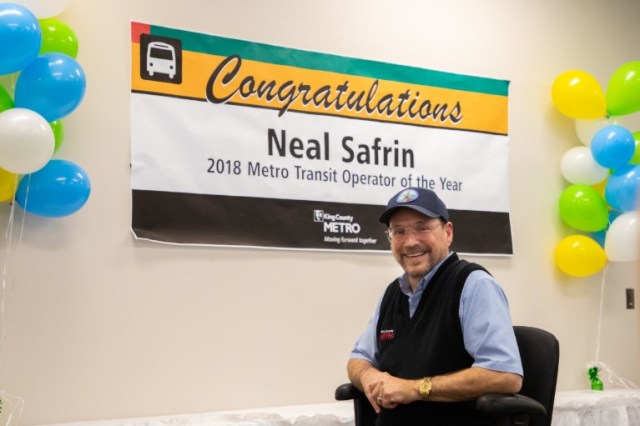
King County Metro Operator Neal Safrin
“Neal is a friendly face at every base he works at, someone who is focused on improving safety and security with and for his fellow operators,” King County Metro General Manager Rob Gannon said. “I have known Neal as a union officer, a transit operator, and a special project manager—no matter the role, he is by all accounts an outstanding colleague. His mentorship and coaching for new operators have helped improve the quality of our service to the public and for that we are all grateful.”
Neal’s advice to fellow operators shows his attention to safety and the need to be vigilant behind the wheel: “Pay close attention to your surroundings while driving. Look several times before you make a move; traffic situations can change in the blink of an eye.”
Each year since 1979, Operators of the Month are selected from each of Metro’s seven bases, and later those 84 operators are responsible for selecting an Operator of the Year from among them.
Safrin was born and raised in New York City. He earned a bachelor’s degree in Environmental Studies at Western Washington University and worked as a Foreign Fishing Observer for the National Marine Fisheries Service, stationed in the Bering Sea on Japanese and Korean fishing vessels for up to three months at a time.
Neal recently celebrated 32 years of marriage with his wife, Patty, and enjoys fishing and hiking and hopes to increase the amount of time that he spends outside in the coming years. He also looks forward to spending more time with his wife, who recently retired.
About the award
Since 1979, the Metro Transit operators have selected the best of their peers to hold the title of Metro Transit’s Operator of the Year. They are rated on excellence in safety, customer service, and service to their fellow operators. In order to receive the award, a driver must first be chosen Operator of the Month from one of the seven transit bases. At the end of the year, the Operator of the Year is selected by a vote of all fellow Operators of the Month. The annual ceremony is usually held the following summer.
View the official press release here.
Share this:

Celebrating Disability Awareness Month in King County
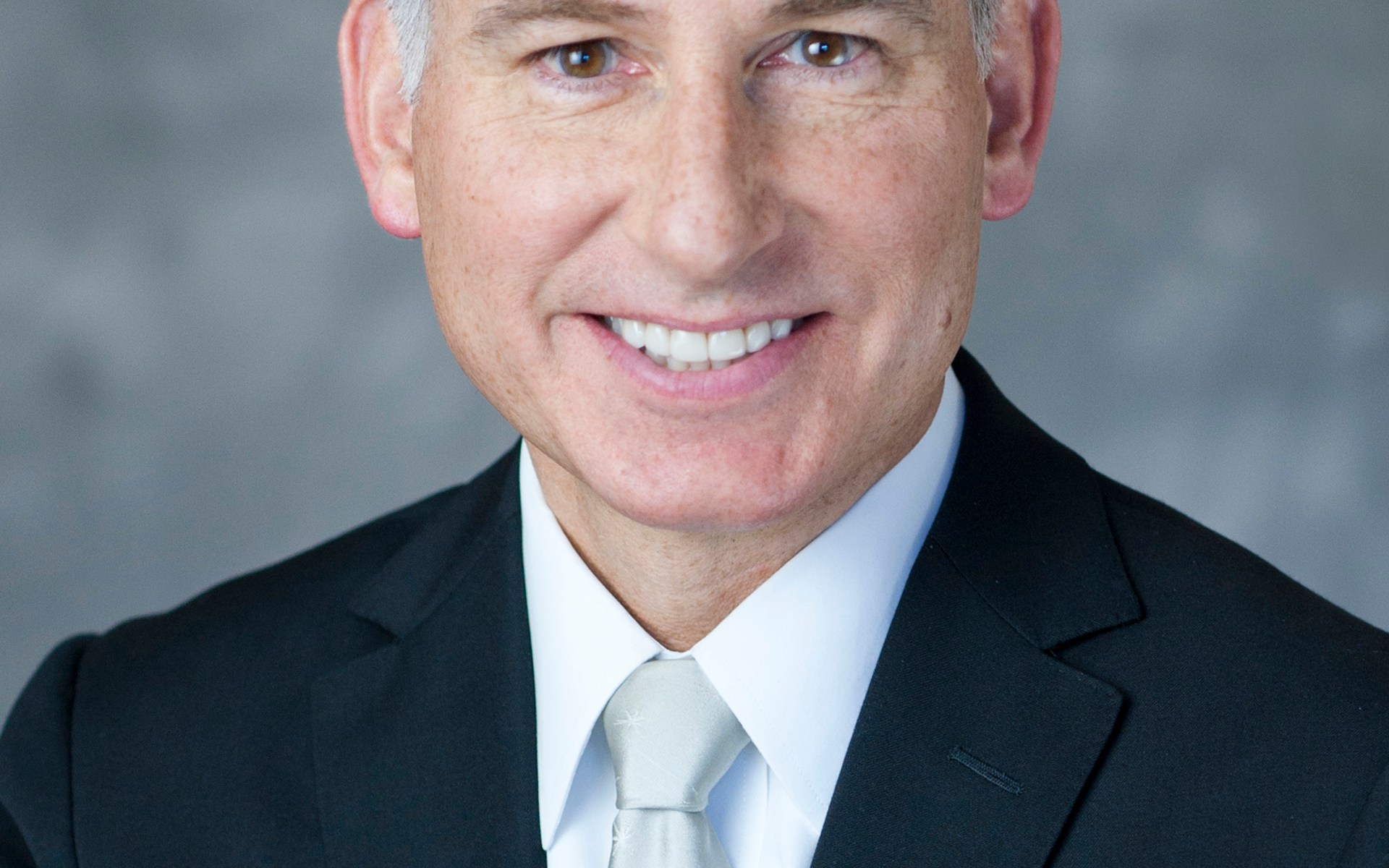
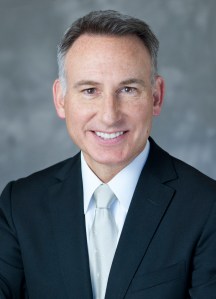
King County Executive Dow Constantine
Dear fellow King County employee,
Each October, we celebrate Disability Awareness Month in King County and recognize the many contributions that people with disabilities make to our community. Disability Awareness Month also reminds us that we must continue to break down barriers so that people with disabilities can share their unique abilities, perspectives, and talents.
That is what is at the heart of our True North: Making King County a welcoming community where every person can thrive. Each day we inch closer to this goal by doing what we can to break down barriers and lift one another up – at work, at home, and in our communities.
King County offers many programs and services that support people with disabilities and build a more inclusive workforce and community:
- Our Disability Services Program supports King County’s employees with disabilities with accommodations and resources that help them return to work
- Our Supported Employment Program helps people with intellectual and developmental disabilities find rewarding careers with King County and contribute their talents and skills
- Superior Court provides accommodations to people in the community so they can fully and equally participate in court activities
- Our Developmental Disabilities and Early Childhood Supports Division provides employment support services for individuals with intellectual and developmental disabilities throughout King County
- Our Behavioral Health Supported Employment Program helps people in the community with mental health and substance-use conditions achieve their recovery and employment goals
- Metro provides easier and specialized access to public transit to help people with disabilities get where they need to go
- King County Elections provides Accessible Voting Centers with audio or large print ballots and other assistive devices so everyone can have their say in our democratic process.
These are just some of the ways we are making our community more inclusive and welcoming, but there is always more that we can do. I encourage you to look at the services you provide and see if there is a way to make them more accessible to people with disabilities, and to all people in our community.
That’s how we will deliver on the promise of our True North and expand opportunity and access to everyone in King County.
Sincerely,

Dow Constantine
King County Executive
Share this:

Training Spotlight: Mental Health First Aid at Work

Mental Health First Aid at Work: Mental Health First Aid (MHFA) for the Workplace is a skills based and experiential training program. MHFA At Work teaches employees how to become aware of and support an individual who may be experiencing a mental health/substance use issue or crisis and help access appropriate resources. Register and learn more here.
View more training and development opportunities at www.kingcounty.gov/learning.
Share this:

Featured Job: Contract Specialist I-II

Salary: $73,132.80 – $104,374.40 Annually
Location: Seattle, WA
Job Type: Multiple job types-career service and/or temp
Department: DNRP – Natural Resources & Parks
Job Number: 2019-10564
Closing: 10/1/2019 11:59 PM Pacific
Learn more about this position or view all available positions.
Share this:

Pet of the Week: JoJo

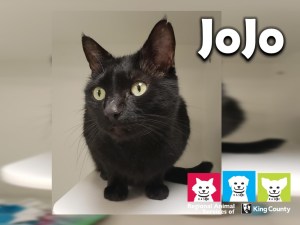 JoJo is a 12 ½ year-old, male, shorthair black cat (A403147). His personality color is GREEN, meaning he is an outgoing and adaptable cat who loves to go with the flow. This handsome boy is very sweet and loves to be around people. He can be the life of the party, especially if food is involved! He loves puzzles and works really hard when the reward involves a yummy treat! JoJo does have a heart murmur, so he will do best with regular visits to the veterinarian.
Read more at www.kingcounty.gov/adoptapet.
Share this:

Circle Keeper Process Training dates now available, Oct. and Nov.
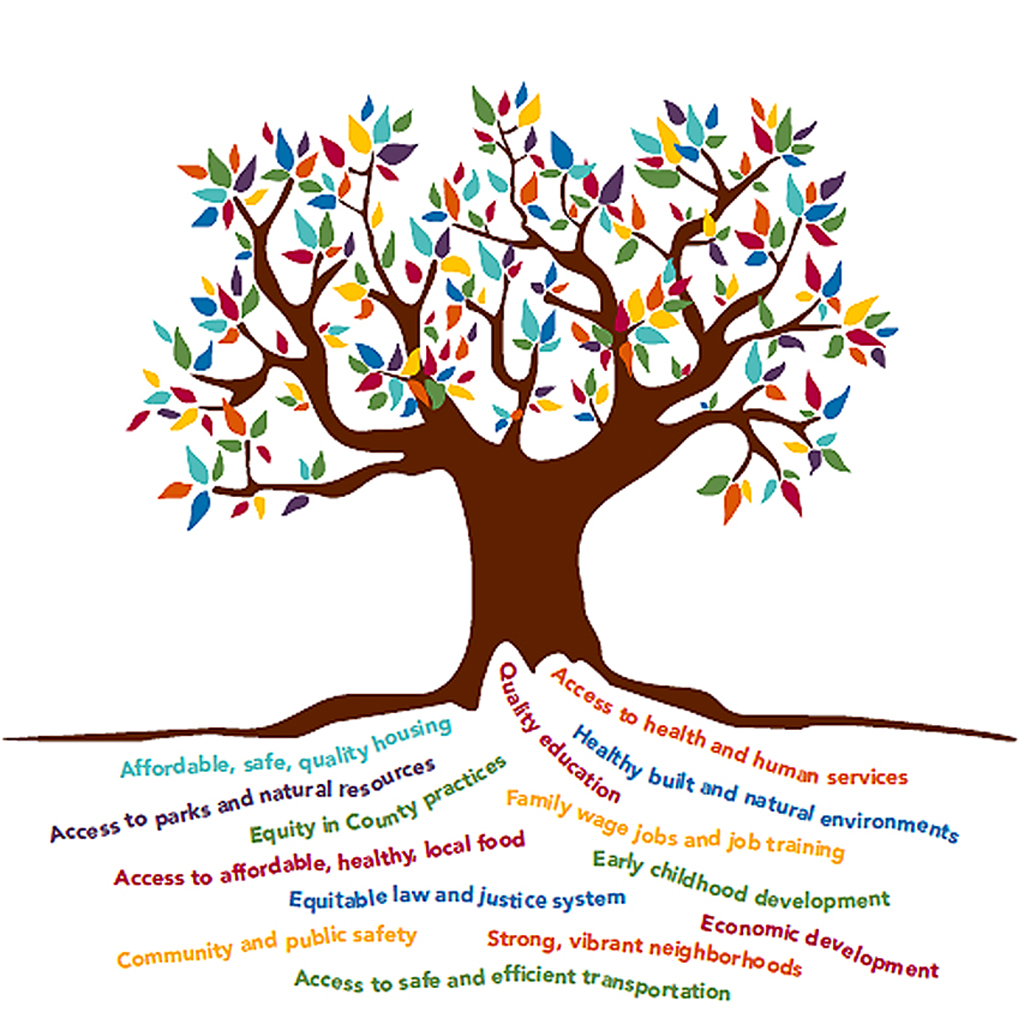
The National Compadres Network in partnership with King County’s Office of Equity and Social Justice presents Circle Keeper Process Training. This two day training is offered Oct. 22-23 and Nov. 5-6 from 9 a.m. – 5 p.m.Participants must be present for both days to receive certification and curricula.
For more information and to apply click here. If you have any questions about the training or the application please contact Tynishia Walker at twalker@kingcounty.gov or 206-263-0534
Share this:

Mindfulness classes offered to King County employees

Looking to reduce stress? Mindfulness is the simple yet powerful ability of the mind to attend more fully to the present moment’s experience. Cultivating mindfulness results in many benefits for mental and physical health, well-being, and happiness.
Through a partnership with Mindfulness Northwest, Balanced You offers Mindfulness classes, available online and in-person to all employees, free-of-charge. Visit Balanced You’s blog for a list of classes recently added for Fall/Winter 2019.
Share this:

Making Life Easier program offers tools for stress relief

King County’s Making Life Easier program offers the Wellspring Stress Center, a web-based stress management tool that includes a variety of resources to help become more stress-resilient. One of the tools, Instant Relief, is designed to help ease tension in minutes and stay relaxed and recharged throughout the day, by including guided meditation, muscle relaxation, desk yoga, and relaxation music. Access Instant Relief at www.kcmakinglifeeasier.com, enter username “King County,” and click on Stress Center.
Share this:

Get ready for 1,350 new bus trips per week starting Sept. 21
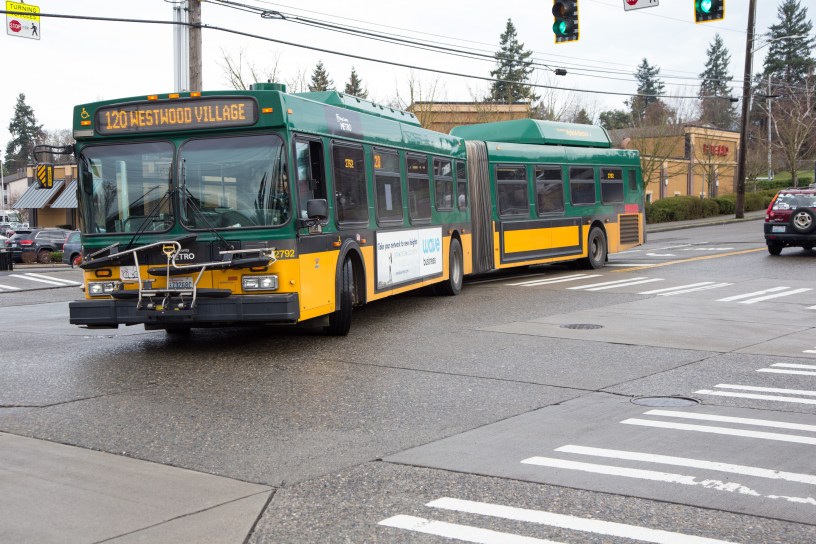
Crossposted from Metro Matters
The last few times we’ve asked you to “get ready,” it hasn’t been connected with good news. Alaskan Way Viaduct closure and buses moving out of the Downtown Seattle Transit Tunnel required the public to change travel times and habits, and made tougher commutes for everyone. But, we have great news with the Fall Service Change starting September 21: more Metro to get you where you are going.
Read more from Metro Matters
Share this:

CFJC Resource Center connects youth and families to service providers
By Alex Hurtado
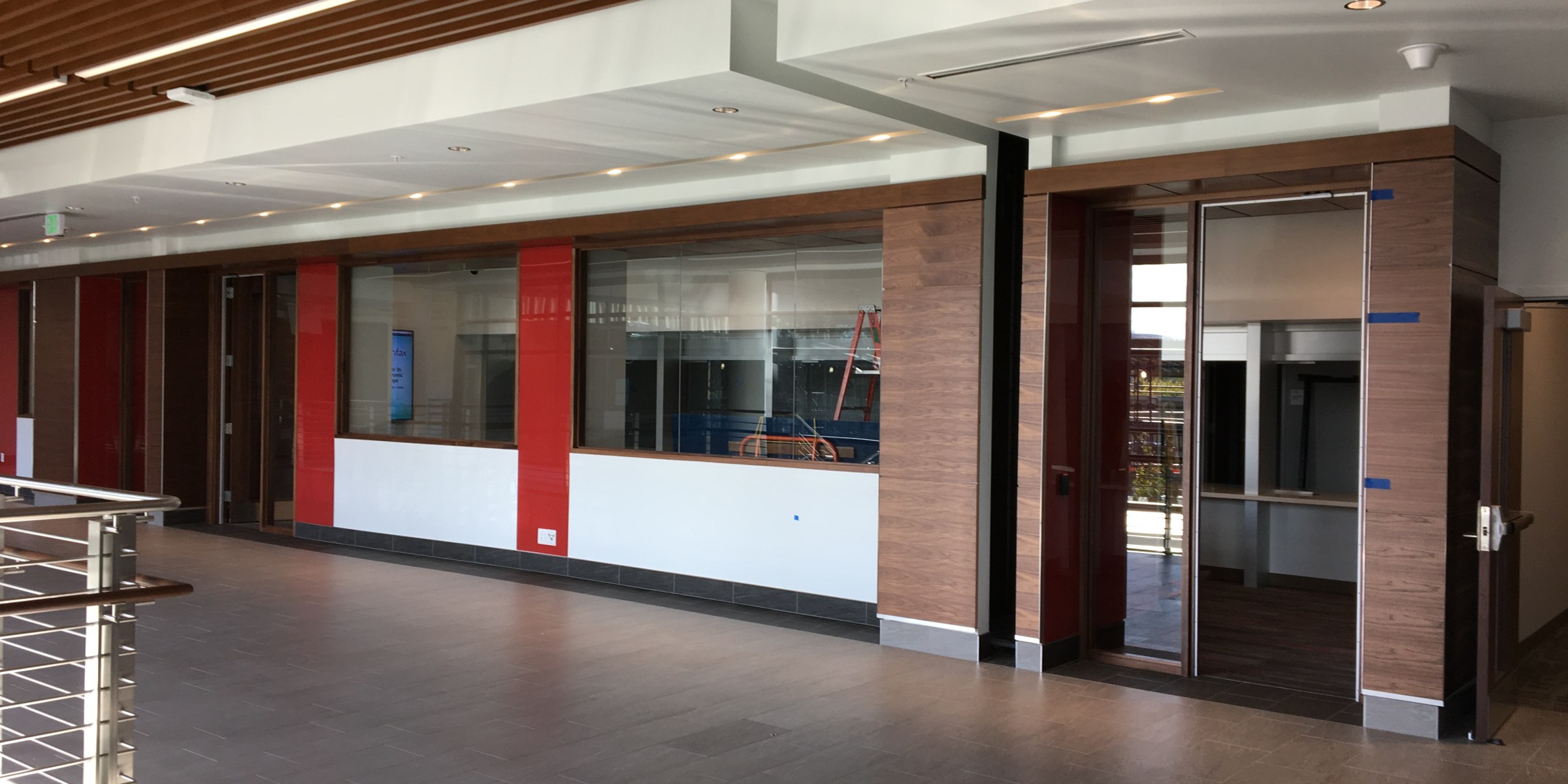
The brick and mortar of the Children and Family Justice Center (CFJC) is nearing completion, but it’s the services that will be provided to youth, their families and the community that will make this building shine.
Each courthouse level’s interior design has a King County theme; the main level of the courthouse side – The City – includes a café, community conference rooms, and a resource center. This floor will be vibrant, dynamic and community-centric.
Robert Gant, who is the Superior Court Community Partnership Manager, is enthusiastic about the opportunity to connect young people to community-based services on-site in a space that offers privacy to parents and youth. “One of the challenges at the Youth Services Center is the lack of privacy,” Gant said. “The CFJC Resource Center addresses that challenge with dedicated space and privacy, rather than meeting with families in the lobby.”
Many young people are in crisis and experiencing a variety of challenges in their life, such as lack of positive community connection, homelessness, minimal pro-social youth development, behavioral health/substance abuse, domestic violence, sexual abuse, family unit disruption, or limited employment options to name a few.
The CFJC Resource Center staff will connect families with a warm hand-off – whether they’re court-involved or not – to supportive social services, non-profits and community organizations. “This space will hopefully decrease the barriers for families seeking immediate assistance,” Gant said. Providers will be scheduled on-site on a rolling calendar. While representatives for some services may be on-site, Resource Center staff can bridge the gap for families with off-site service providers that are as close as possible to the family’s neighborhood.
Some of the providers include, YouthCare, Consejo, Community Passageways, Goodwill Job Training & Education, Nexus, and many more.
King County Information Technology is innovating how families connect to the Resource Center with the development and launch of the King County Youth Resources application/web-page for IOS and Android devices. This application provides information about youth and family resources in King County. Resources may be filtered on this application by type of service, age, and desired travel distance. The application will be available in early 2020.
The Resource Center will provide in-house interpreter services, a Youth Clothing Shop, legal resources, and it will provide youth with snack and hygiene packs.






 Employee News