
King County mobilizing for 2020 Census

You may have heard some buzz about the U.S. Census in the news lately. Whether the “citizenship question” can be included in the Census has been the focus of much debate. While the Supreme Court ruled that the question can’t be included, many communities still feel uneasy about participating in this important, once-a-decade civic event.
“It leaves the immigrant communities to believe that the [federal] government is still after information that could endanger them,” Denise Hulett of the Mexican American Legal Defense and Educational Fund told Slate magazine.
King County made early decisions to mobilize to ensure as accurate a count as possible. County Executive Dow Constantine called together a Complete Count Committee, with Seattle Mayor Jenny Durkan and former Gov. Gary Locke as co-chairs.
Read more from DES Express
Share this:

We want to hear from you: Community feedback needed on proposed future transit options in south King County

 Crossposted from Metro Matters
King County Metro seeks community feedback on its proposed future transit options to connect Renton, Kent, and Auburn, with faster, more frequent, and more reliable bus service and innovative travel options. This effort is a follow up to the public survey issued in March that identified transportation needs for people who live, work and play in the impacted area. Metro is now proposing transit options to address those needs. Community summer events, an online open house and a new survey, which closes August 25, will help Metro understand which of those options to prioritize to best serve the region.
Read more from Metro Matters
Share this:

Executive branch EEO/AA Committee recruiting new committee members
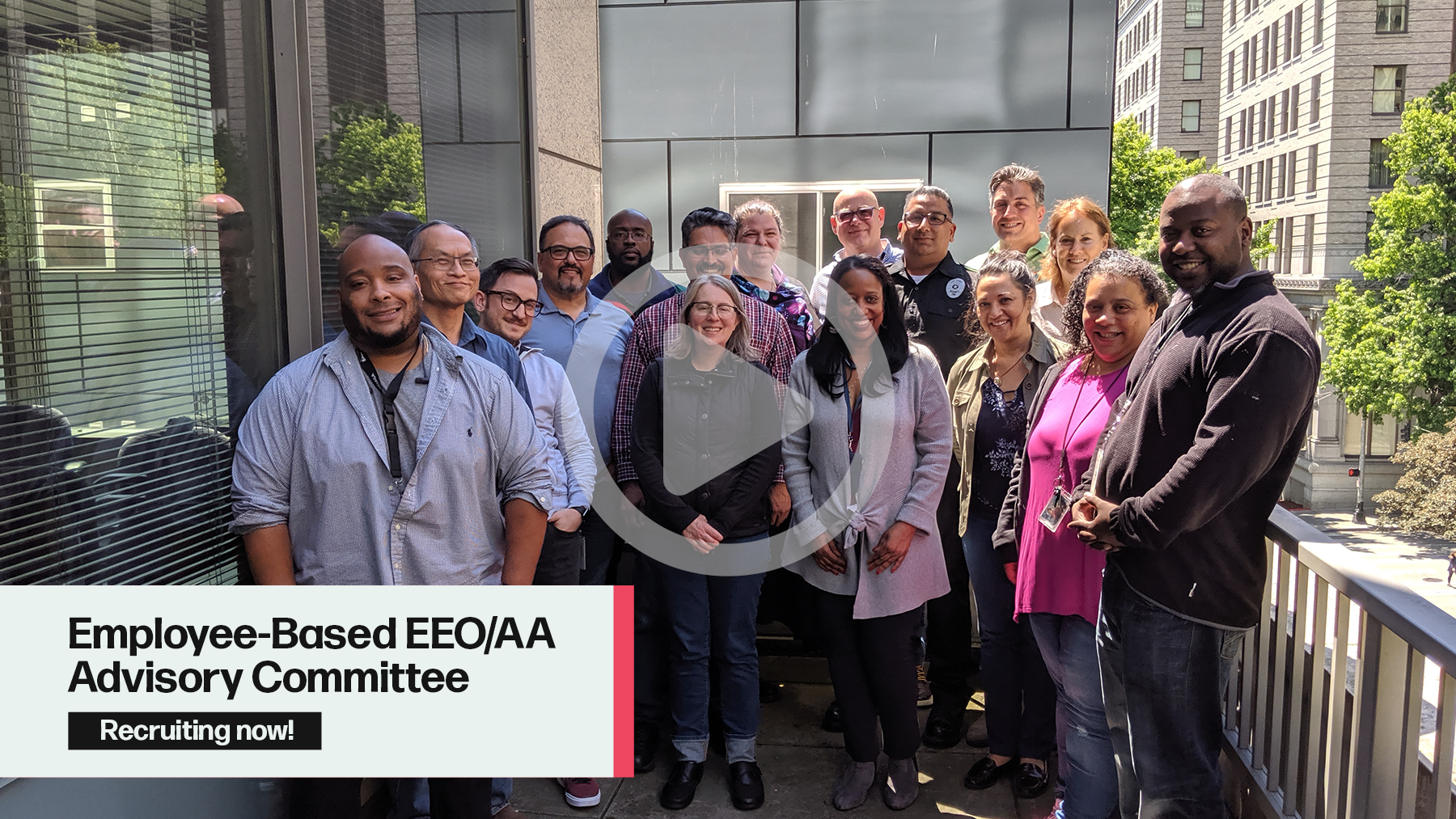
The Equal Employment Opportunity and Affirmative Action Committee is recruiting new committee members for the 2020– 2022 term. The committee is employee-based and serves in an advisory capacity to the county executive; developing and reviewing strategies, systems, policies and guidelines to implement and enhance executive branch EEO/AA plans.
The committee is actively recruiting representatives from:
- Department of Natural Resources and Parks
- Elections
- King County Sheriff’s Office
- Metro
The application period closes Sept. 6. Please visit www.kingcounty.gov/jobs for additional information regarding qualifications and to apply. For questions, contact Lisa D. Longdon, Workforce Equity Program Manager at 206-477-3258 or by email at Lisa.Longdon@KingCounty.gov. View a video with additional information about the committee below.
Share this:

King County employee honored for working to advance social justice
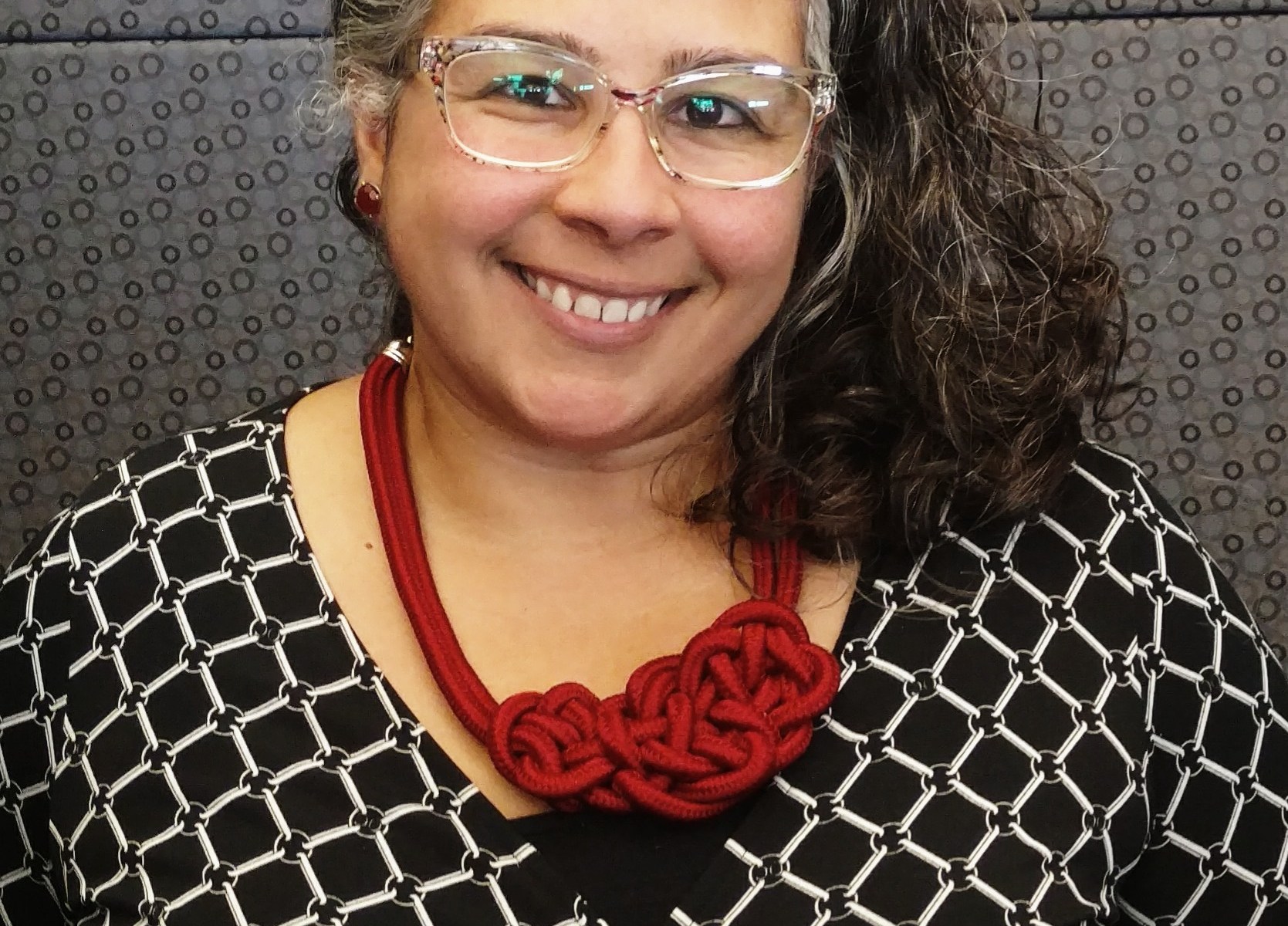
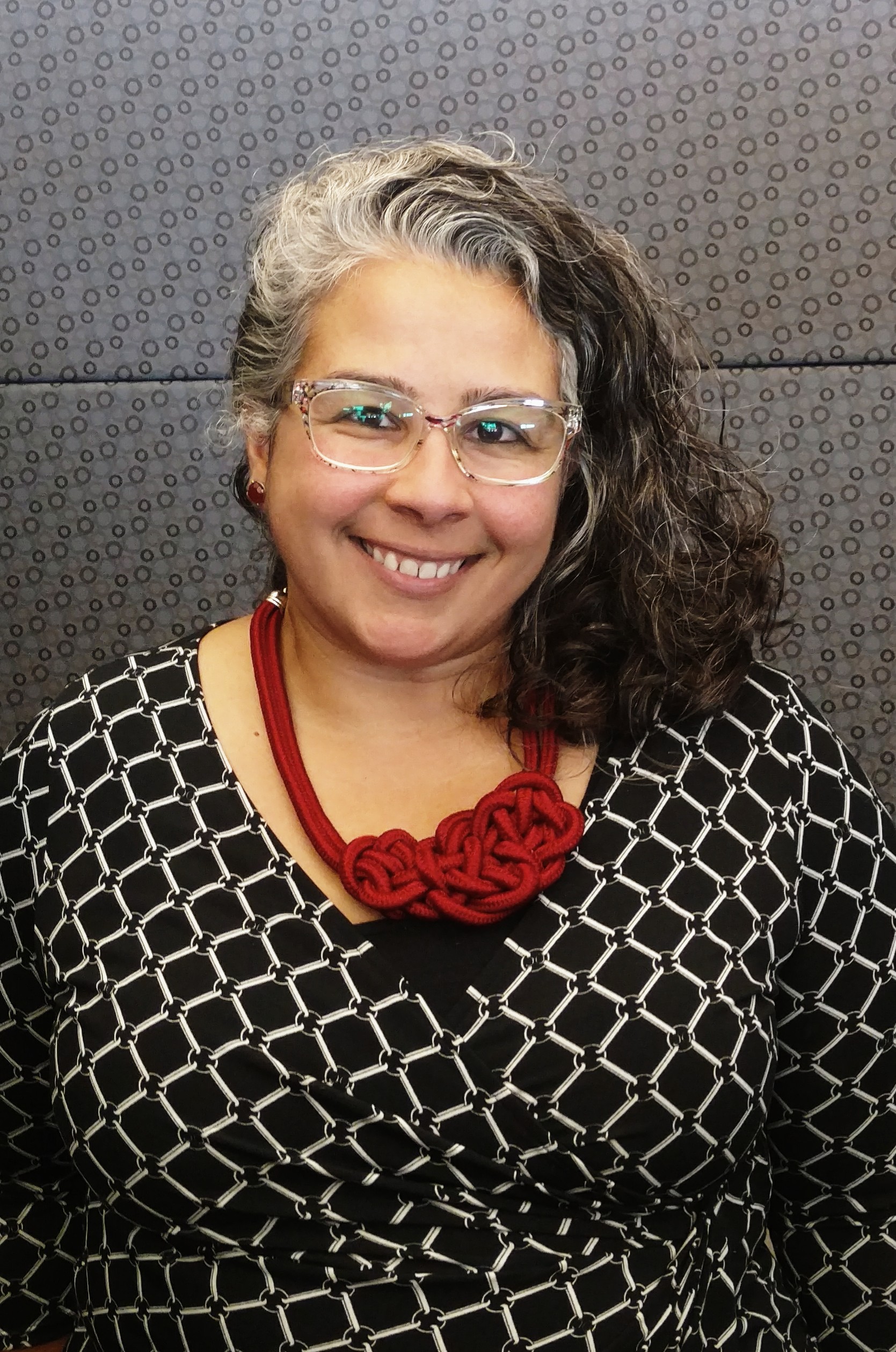 Janine Anzalota, Equity and Civil Rights Manager in the Office of Equity and Social Justice, will be honored with the Hubie Jones Urban Service Award, a Boston University School of Social Work Alumni Award. Janine will receive the award in September.
This prestigious award is named after Hubert Eugene Jones, better known as “Hubie,” who shaped and defined the civic and social landscape of Boston, MA, for more than 45 years. He played a leadership role in the formation, building, and rebuilding of at least 30community organizations within Boston’s Black community and across all neighborhoods in the city. He was the first African-American appointed to a deanship at Boston University, serving as the dean of the School of Social Work from 1977 to 1993. He continues to be a tireless advocate for racial justice and equity.
This award upholds Hubie’s racial justice legacy by honoring alumni who have provided outstanding professional accomplishments and contributions to racial and social justice. Prior to Janine joining King County, she managed the Boston Office of Fair Housing and Equity where she reported to Mayor Walsh, and before that worked for the Boston Public Health Commission where her work focused on addressing health inequities in Boston communities of color. Janine has contributed to advanced racial and social justice in local government for 13 years, and has worked at King County since March 2018.
Share this:

Pet of the Week: Logan
Crossposted from Tails from RASKC
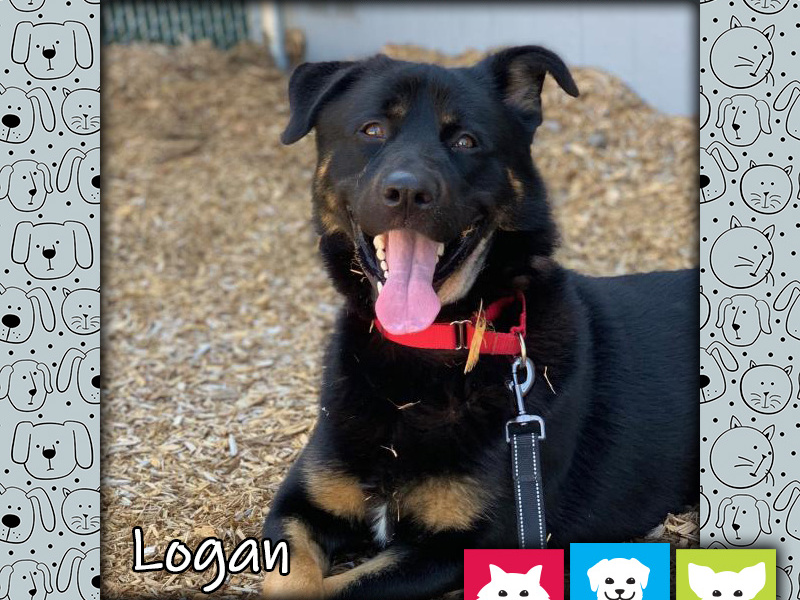
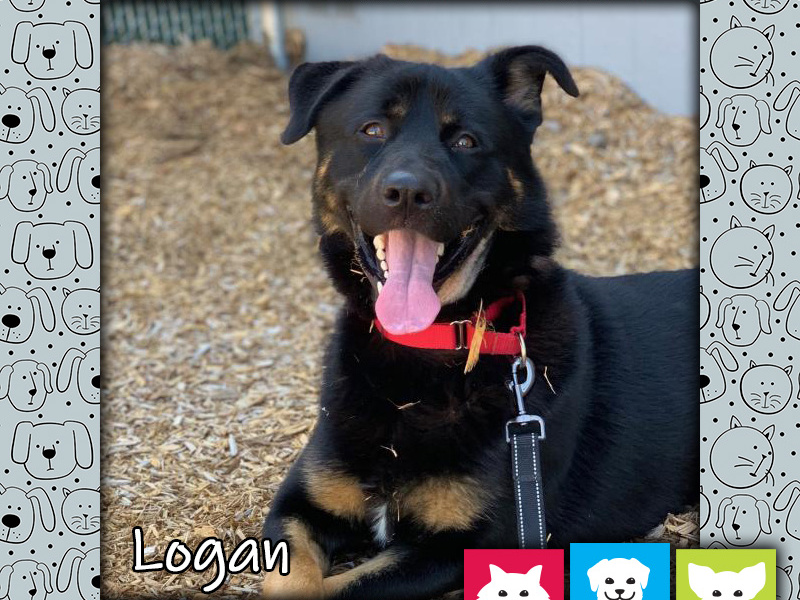 Say hello to Logan, our Pet of the Week!
This young, handsome boy is a big goober of a guy who could use some help gaining his confidence and being the best dog he can be. Logan would benefit from a positive reinforcement training course so he can learn his manners and people skills. He is still learning how to trust people and can be a little fearful of new folks. It may take him some time to become friends with them. Although he is still learning to trust people, he loves to play with large dogs and can play all day long!
Read more from Tails from RASKC
Share this:

Connecting more veterans, service members and their families to support services with specially trained Pathfinders and Navigators
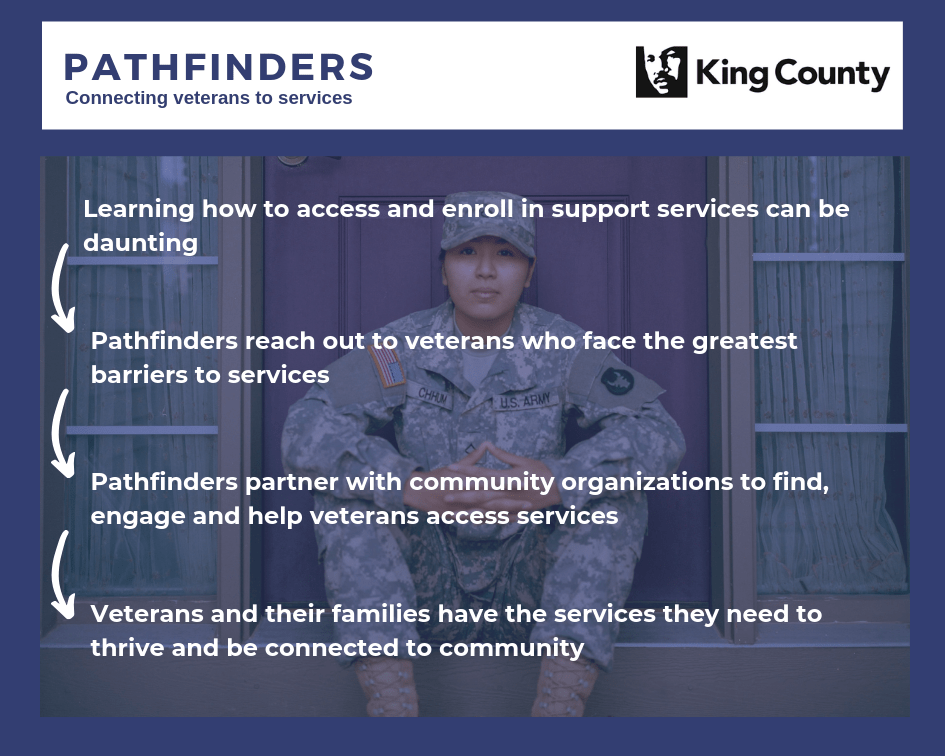
On July 30, King County Executive Dow Constantine announced a $7.5 million initiative that will provide specially trained Pathfinders and Navigators to connect more veterans, servicemembers, and their families to a network of supportive services.
The community-based Pathfinders and Navigators will reach out to veterans, servicemembers, and their families throughout King County, focusing on those who face the greatest barriers, including veterans who are women, transgender, Native Americans, people of color, veterans who are experiencing homelessness, and their families. In addition to services, the Pathfinders and Navigators will connect veterans who experience isolation to supportive communities.
“No other county in this nation does more to support those who serve in the armed forces, yet our mission will not be complete until we connect all veterans, servicemembers, and their families to the services they need to thrive,” said Executive Constantine. “We have increased the resources available to veterans who live in King County. Now, our specially trained Pathfinders will reach those who face the greatest barriers to those resources.”
Read more in the official press release.
Share this:

Local food, music and fun at CHOMP!
 Crossposted from King County Parks Plog
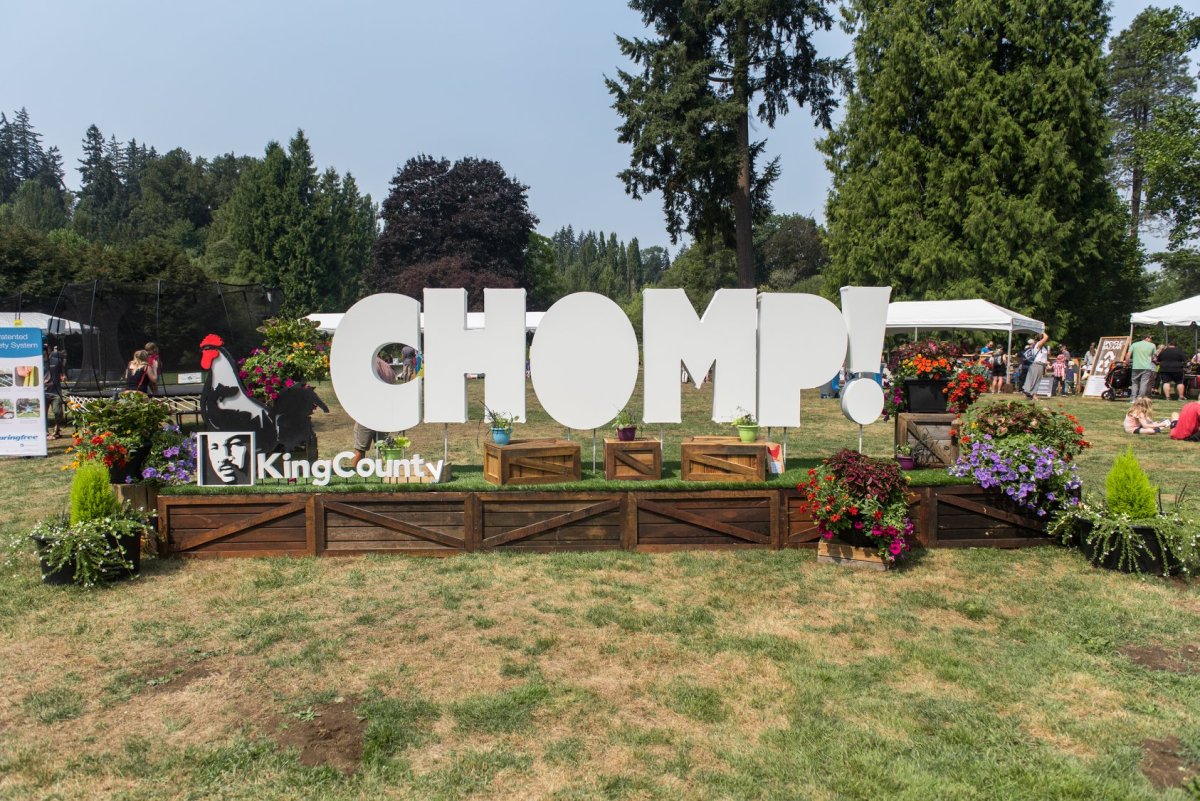
Join us as we celebrate all that is fresh, delicious, local, and sustainable at our 5th annual CHOMP!, King County’s local food and sustainable living festival. Taking place in the Willowmoor Farm at Marymoor Park on Saturday, August 17 from 10 a.m. to 6 p.m., our annual event is free to attend and offers a variety of activities for the whole family to enjoy!
This year’s event is packed with many great activities such as hands-on workshops, zucchini races, a farmers market, an upcycle bazaar, a scavenger hunt, and so much more! Check out the full list of activities.
Read more from King County Parks Plog
Share this:

Community Court Program building safer neighborhoods
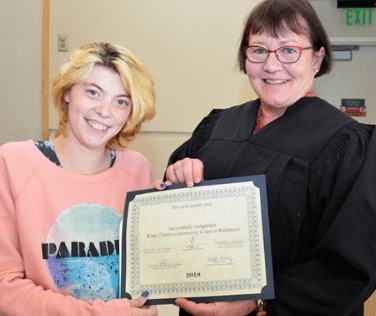
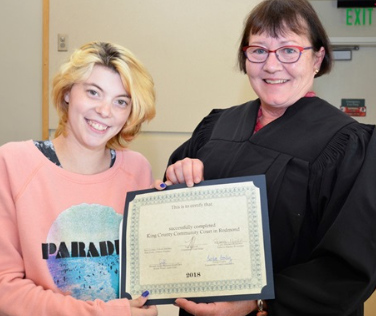 King County is helping low-level offenders get their lives back on track and building safer communities through a program called Community Court.
The Community Court Program is an alternative problem-solving court that can help low-level offenders avoid the traditional court system if they adhere to a plan, access community services, and create positive changes in their lives and their community.
“It warms my heart to have people succeed and to see the change in them,” King County District Court Judge Lisa Paglisotti said in a recent video about the program. “This is the one program that, I think, we’re giving people tools teaching them to be self-sufficient, giving them hope, restoring their dignity, energizing them to move forward in positive ways.”
The Community Court addresses crimes such as theft, shoplifting, and other low-level offenses. The goal is to divert people from the traditional justice system and offer resources that can help them address the underlying issues that led to their offences, and ultimately lead to stronger, safer neighborhoods.
The Community Courts are located in Redmond and Burien, and include Resource Centers that offer services to participants, such as job training, education, housing, healthcare, and much more. The Community Court Resource Centers are open to everyone, not just those enrolled in the program.
The program offers resources, opportunities, and promotes the goal of empowering participants to create positive change. Watch this video to learn more or visit the Community Court Program.
Share this:

Featured Job: Accounting and Collections Supervisor

Salary: $3,092.87 – $3,920.40 Biweekly
Location: Seattle, WA
Job Type: Career Service, Full Time, 40 hrs/week
Department: DJA – Judicial Administration
Job Number: 2019EH10368
Closing: 8/11/2019 4:30 PM Pacific
The Department of Judicial Administration (DJA) is an innovative, forward-looking agency using technology to help perform tasks better, more efficiently and reliably. DJA (also known as the Superior Court Clerk’s Office) performs a variety of services for the court, litigants and the public. DJA’s mission is to provide professional, high-quality Superior Court record services and justice system programs, while ensuring access to justice and integrity in the process.
DJA operates three office locations within King County (King County Courthouse, Maleng Regional Justice Center in Kent and the Youth Service Center – Juvenile Court in Seattle) in addition to our on-line applications for electronic filing and record requests. With the ease of access to file or request records the volume of financial transactions processed through the court’s trust is large, with receipts exceeding 350,000 and well in excess of $100,000,000 annually, and in excess of 154,000 accounts receivable exceeding $705,000,000
Learn more about this position or view all available positions.
Share this:

Standing up to fear, hate, and violence
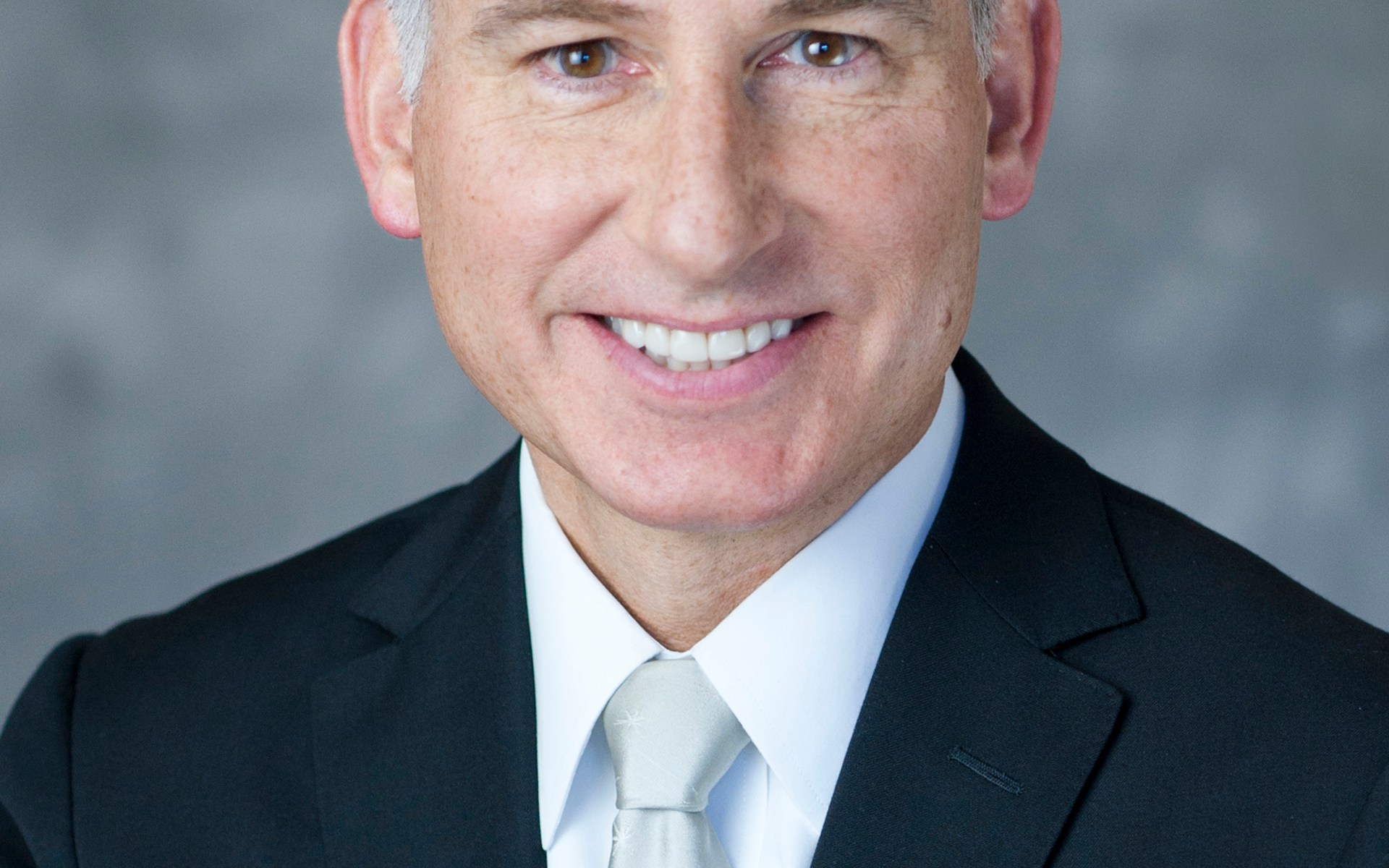

King County Executive Dow Constantine
This weekend our nation once again witnessed the senseless loss of life in two mass shootings, this time in El Paso, Texas, and Dayton, Ohio.
These cities join the heartbreakingly long list of places whose residents have endured unthinkable violence, whose families have suffered unbearable losses; our nation’s leaders stand idly by while the epidemic of gun violence affects more and more communities.
This is a difficult period in our nation’s history, one where words of fear and hate are being used to divide us. There are consequences to hateful rhetoric. Creating and stoking a fear of “others” – people of another race, religion, country of origin, or sexual orientation – has consequences. And as we saw again this weekend, fear and hate, combined with military-grade weapons in the hands of disturbed individuals, can quickly turn into unspeakable tragedy.
We need to act to stem the scourge of gun violence. State and federal law pre-empt our ability to regulate firearms, but we are doing what we can within our own authority to reduce gun deaths. One very important area of work has been increasing the safe storage of firearms. Public Health – Seattle & King County has found that almost half of local gun owners have at least one unlocked firearm. This puts families, schools, and communities at risk; unlocked firearms are more likely to be stolen and used in a crime, and adolescents with access to firearms are nearly three times as likely to die by suicide.
When we witness tragic events like those in El Paso and Dayton, it is important that we support one another. If you would like to speak with someone, King County provides two free services to employees that offer professional support and advice: the Employee Assistance Program and Making Life Easier. Both resources are free and confidential.
There is no place for hate in King County. We are a place that welcomes, not one that divides, a welcoming community where every person has the opportunity to thrive.
Thank you for everything you do for the people of King County.
Sincerely,

Dow Constantine
King County Executive






 Employee News