
October is Disability Awareness Month in King County
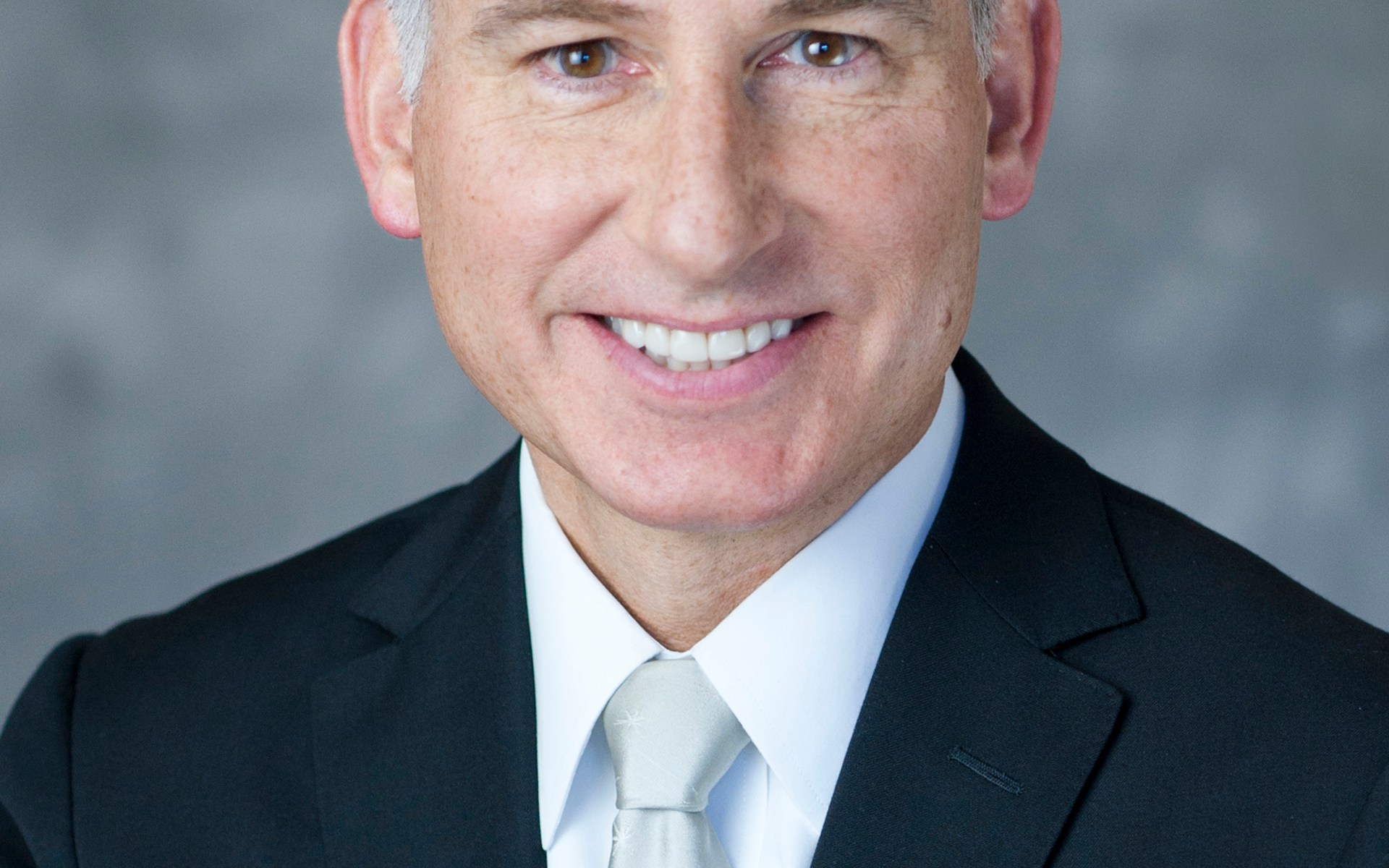
Dear fellow King County employee,
King County Executive Dow Constantine
October is Disability Awareness Month in King County, a time to celebrate and recognize the many contributions of people with disabilities in our community and around the world. It’s also a time to raise awareness about challenges that people with disabilities face and look at what we can do to help them thrive and fulfill their potential.
Everyone deserves a fair shot at success. We are all better off when everyone has an equitable opportunity to fully participate in our community and contribute their unique perspectives and talents.
At King County we work every day to break down barriers that keep people from achieving their goals. We offer many programs and services that support people with disabilities such as our Supported Employment Program, which helps people with developmental disabilities find rewarding careers with us. Recruiting people into our workforce through this program is a great way of bringing talented employees with unique perspectives into County government, and I am proud of the opportunities we are creating through this program.
We also use our network of services to help people make the most of everything this region has to offer, whether it’s through improved access to public transit, making our Parks facilities and trails more accessible, offering housing assistance and improvement programs, or providing Accessible Voting Centers with audio or large print ballots and other assistive devices.
It’s our job to be relentless in our work of removing barriers and expanding opportunity. That’s how we ensure we are a community where every person can pursue their passion regardless of who they are, where they are from, or the unique abilities they possess.
Sincerely,


Dow Constantine
King County Executive
Share this:

King County remembers Sue Ammeter

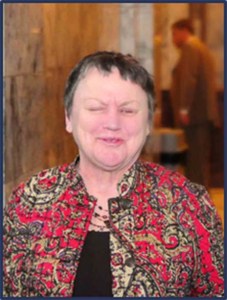 “Sue was strong, she was fierce, but she also didn’t direct attention to herself and her efforts,” said Karla Lynch, Employment and Community Access Program Manager with the Department of Community and Human Services. “When I think about her energy and her effort, it really was to improve the lives of all people with disabilities.”
While at King County Sue Ammeter worked as a Disability Services Specialist. She understood how disabilities could impact people’s lives, as she was blind herself. Her impact in the areas of civil rights, disability accommodations, and employee training reaches far and wide. She served on the President’s Committee where she worked to pass the Americans with Disabilities Act to make equal opportunity a reality for all Americans with disabilities. She worked with the American Cancer Society to create accessible materials in braille, large print, and audio formats, and she completed a structured negotiation with Walmart to become the first in the United States to provide talking prescription labels to blind pharmacy customers.
“Just like her positions she held elsewhere, her King County role was just as broad and deep in terms of helping agencies find solutions,” said Karla. “Sue did a lot of work in the community. This was her job yes, but she also devoted her time and energy to various boards and commissions.”
“If I had to capture Sue’s advocacy efforts and her work in one phrase it would be ‘leveling the playing field for all peoples with disabilities,’” said Karla. “That’s the essence of who she was I think.”
For more than 40 years, Sue worked tirelessly to advance civil rights and equal opportunity for people with disabilities, both in Washington State and across the country.
“She passed away in April of this year and her impacts are still being felt,” said Karla. “As I think back to our time together when we worked together directly every day, she did inspire me. She helped me to define what was important in terms of personal values and principles in terms of my work.”
Sue passed on Saturday, April 7, due to complications from prior medical issues. She is survived by her husband John, parents Don and Delores Anderson, sister Judy, brother Jeff, and all those her life has impacted.
Share this:

Executive Constantine names new Deputy Chief Operating Officer to serve as interim jail director
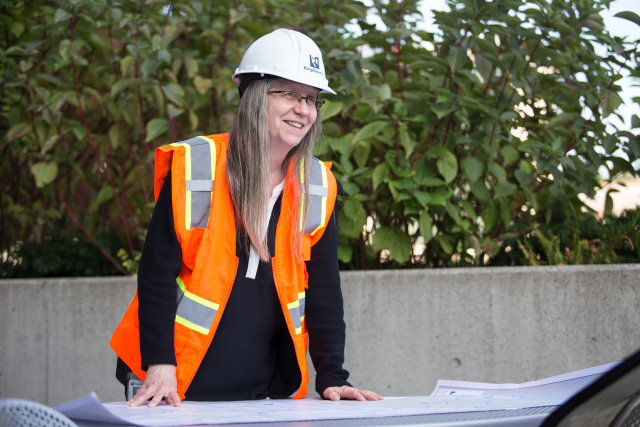
Brenda Bauer, former city manager for the City of Bainbridge Island and director of the City of Seattle’s Fleets and Facilities Department, will join the Executive’s Office as Deputy Chief Operating Officer. Now serving as director of the King County Road Services Division, Bauer will report to Chief Operating Officer Casey Sixkiller.
Following the announcement that Department of Adult & Juvenile Detention Director William Hayes will retire at the end of October, Bauer agreed to serve as interim director until the position is filled on a permanent basis. A national search is currently ongoing.
“I am pleased Brenda accepted this new position. Her experience and background will help departments across King County better meet the needs of our residents,” said Executive Constantine. “Her first assignment is making sure there is a smooth transition at DAJD, and that the department has the support to meet its challenges. Brenda’s deep understanding of local government will be an invaluable resource to command staff, detention officers, and other staff.”
To assist DAJD in this time of transition, Executive Constantine has directed a special attention team to provide additional human resources and other support. The team, consisting of Sixkiller and other county leaders, will focus on several key focus areas:
Staffing
For the 2019-2020 budget, there are more than 30 unfilled positions, out of a total workforce of 908 FTE’s. The vacancies have contributed to mandatory overtime and other stresses on the workforce. To hire people efficiently and quickly, the Department of Human Resources staff are on special assignment to support recruitment and processing of applications.
Operations
Following the inadvertent release and later re-capture of Joseph Matthew Tremato from the King County Correctional Facility in August, DAJD initiated a critical incident review process and separate internal investigation. The results of those are still pending. In addition, DAJD is examining the circumstances of the mistaken release of Devon Douglas Hatcher from the Maleng Regional Justice Center on Sept. 11. Hatcher was booked on residential burglary charges. While an investigation is still ongoing, it appears paperwork was not handled correctly. A warrant has been issued for his arrest.
Facilities
With guidance from the county’s facilities management team and Department of Community and Human Services, DAJD is currently working with the Executive’s Office to determine whether the West Wing of the King County Correctional Facility could be converted from a minimum security unit to temporary cold weather shelter. Criteria includes cost, logistical concerns, suitability, and how such a shelter would fit with the County’s overall approach to tackling homelessness.
Check here for more information
Share this:

Featured Job: Accountable Community of Health Technical Lead – Epidemiologist III

Salary: $100,360.00 – $127,233.59 Annually
Location: Seattle, WA
Job Type: Career Service, Full Time, 40 hrs/week
Department: Public Health – Seattle and King County
Job Number: 2018EY08710
Closing: 10/11/2018 11:59 PM Pacific
This Epidemiologist III position is a leadership position responsible for oversight of multiple projects and studies, including all assessment and evaluation activities around the Accountable Community of Health.
APDE’S primary role is to provide health assessment data and analysis to inform planning, policies, and actions, and develop innovative interventions to improve the health of King County residents. Analysis and elimination of health disparities is central to our work.
Learn more about this position or all available jobs.
Share this:

County Council Declares October Disability Awareness Month
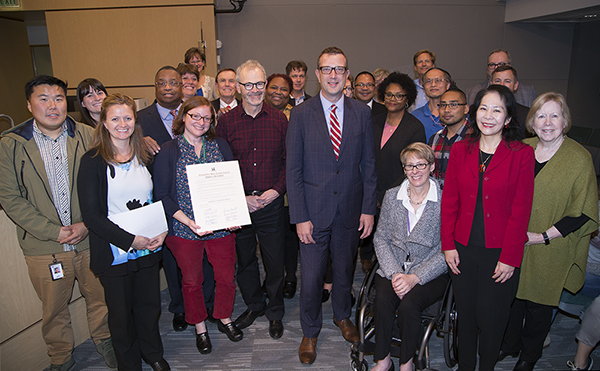
When people have the opportunity to use their talents and contribute to society, everyone benefits.
King County Executive Dow Constantine launched Disability Awareness Month in King County Monday, Oct. 1. and the Metropolitan King County Council has recognized citizens with temporary or permanent disabilities with its declaration of the month of October as Disability Awareness Month in King County.
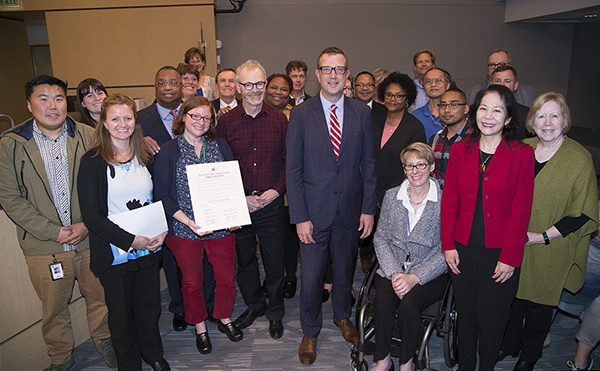
Signed into law in 1990, the Americans with Disabilities Act focuses on protecting the civil rights of citizens with disabilities continues to ensure that people, regardless of their disability, are an active part of their communities.
Today’s proclamation recognizes local and national efforts to provide accommodations that allow those with physical, developmental and other disabilities to utilize their skills and talents and contribute to their workplaces and communities.
The proclamation also recognizes the continuing effort to expand opportunities and increase awareness and acceptance of all people.
Read more in the official press release.
Share this:

2018 Balanced You Worksite Fund recipients

The Balanced You Worksite Fund is a competitive process overseen by King County Employee Health and Well-Being in the Human Resources Division. It’s one way we’re investing in your health and well-being. In response to our first call for applications earlier this summer, we received over 100 applications totaling almost $300,000 in requests. In 2018, we plan to invest about $100,000 in over 40 projects reaching worksites throughout the County. Your interest and enthusiasm in creating positive change in our worksites was fantastic to see. Continue reading to learn more about the recipients for 2018.
Read more at Balanced You
Share this:

Training Spotlight: Introduction to PeopleSoft Query and Supervision and Leadership Skills Series

Introduction to PeopleSoft Query, Oct 4: The Human Resources Division has scheduled training for the peopleSoft Query tool.This course is open to experienced PeopleSoft Query users who wish to learn how to create useful reports using PS Query. Learn more and register on Eventbrite.
Supervision and Leadership Skills – Series, Oct 4: Develop your leadership, communication, motivation, and problem-solving skills with this workshop based series. Take all six sessions in the series to enhance your professional toolbox with skills useful in a variety of workplace situations. The series includes: Conflict Awareness, Developing Your Leadership Style, Communication Skills in the Workplace, Time Management/Working Smarter, Critical Thinking, and Team Building for Success. Learn more and register on Eventbrite.
Visit www.kingcounty.gov/learning to learn more about trainings and other opportunities to invest in YOU.
Share this:

King County Metro honors three ‘Operators of the Year’
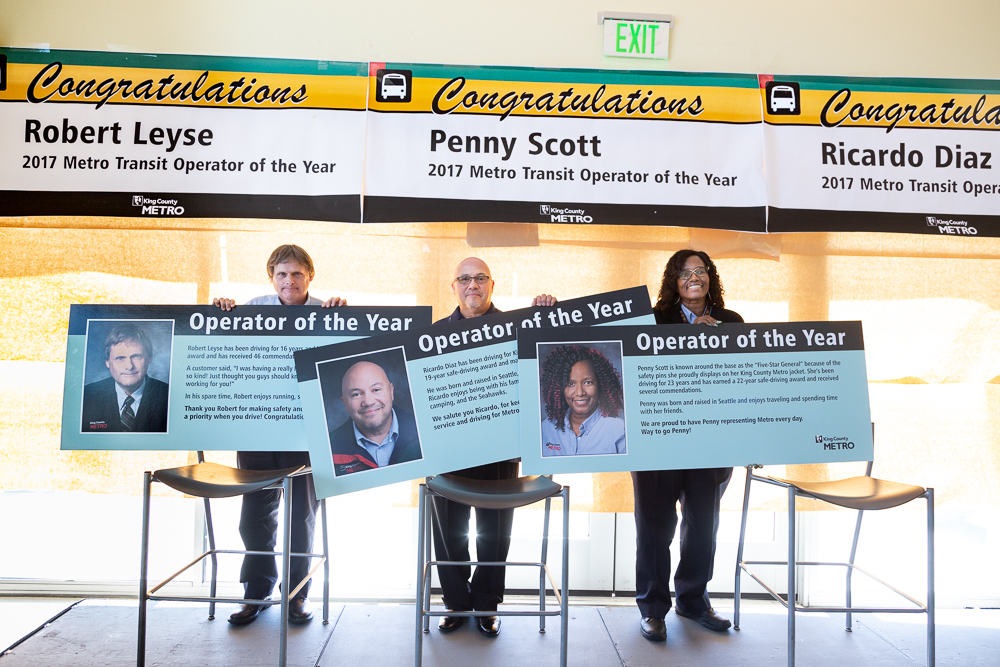

Ricardo Diaz, Penny Scott and Robert Leyse walked into cheers and applause at a surprise ceremony Wednesday, Sept. 19 at Atlantic-Central Base where they were named King County Metro’s Transit Operators of the Year.
Each year since 1979, Operators of the Month are selected from each of Metro’s seven bases, who later are responsible for selecting an Operator of the Year from among them. In nearly 40 years, there has never been a tie between three operators. Metro had two-way ties for Operator of the Year in 1994, 1997 and 2007.
Having three operators of the year makes Metro shine all the brighter as the agency prepares this month to receive its Outstanding Public Transportation System Achievement Award – aka No. 1 transportation system in North America – from the American Public Transportation Association. Coincidentally, this is the third time Metro has received that honor as an agency, having previously received it in 1983 and 1992.
Together, the three Operators of the Year have 66 years driving experience with Metro.
Read more in the official press release.
Share this:

Featured Job: Maintenance Facilities Engineer II
Salary: $36.30 – $46.02 Hourly
Location: Renton, WA
Job Type: Special Duty Assignment or Term Limited Temp (TLT)
Department: Department of Transportation – Road Services Division
Job Number: 2018MD08564
Closing: Continuous
The Road Services Division, Maintenance Section, is currently recruiting for an Engineer II position to provide facility engineering services for the purpose of maintaining and designing Roads Maintenance Facilities and/or Roads Maintenance Facility renovation and improvement projects. This is term limited project that will not exceed December 31, 2019.
For more information contact Melinda Dickie at Melinda.Dickie@kingcounty.gov or 206-477-3608.
Learn more about this position or all available jobs.
Share this:

Courthouse Building to reopen Friday
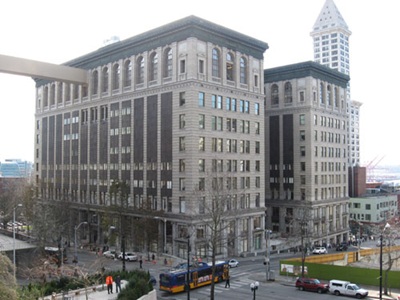
The King County Courthouse in downtown Seattle will reopen tomorrow morning, Friday, September 28. Employees who are scheduled to work Friday are expected to report to work as usual. The broken water main has been repaired and all systems will be operating normally.
Thank you for your patience and understanding during this closure.






 Employee News