
Free auto leaks workshops throughout Puget Sound

Does your car drip? Ever wondered if a ‘spot’ on the ground came from your car? Want to learn how to properly maintain your car?
Join the experts for a FREE Auto Leaks workshop – a $125 value. Or use the $50 coupon at one of the over 200 participating repair shops.
At this workshop you’ll:
- Get a free professional car health assessment from a certified automotive instructor.
- Learn how to identify and prevent leaks.
- Receive tips on repairing minor common leaks.
- Learn preventive maintenance.
- Leave the class with a FREE Vehicle Maintenance Check Kit and the confidence to talk to your mechanic.
To register visit www.fixcarleaks.org.
Share this:

Social Security 101: Everything You Wanted to Know, April 26
This event, presented by the Social Security Administration, will answer many of your of your questions regarding Retirement Benefits and Eligibility Requirements, Early Retirement Effect on Benefits, Survivor Benefits, Medicare, Disability and Spouse Benefits and much more! Attendees are asked to bring a printed Social Security Statement, which can be accessed at www.ssa.gov/myaccount.
Wednesday, April 26, noon to 1:30 p.m. City Hall, Bertha Knight Landes Room, 600 Fourth Avenue, Seattle, WA 98104.
Share this:

GoGreen and “The Future of Transportation”
Crossposted from Inside Transportation
by Harold S. Taniguchi, Director, King County Dept. of Transportation
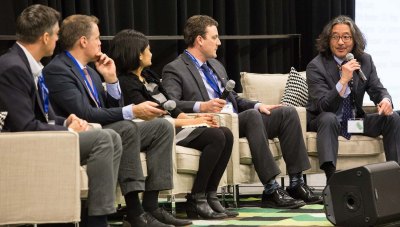 Local action will continue to be our path forward on climate, sustainability, mobility and equity in King County, as we saw at the recent GoGreen Conference in Seattle. Thanks to the leadership of King County Executive Dow Constantine, we are addressing these challenges and partnering with businesses and the community for shared success on green building, wind and solar energy, transit-oriented development, and the nation’s leading commitment on electric buses.
This was the fifth year of King County’s sponsorship of the event, and I had the privilege of moderating an expert panel on “The Future of Transportation.” Our group shared the promise and progress of on-demand vehicle services, shared mobility, and vehicle electrification. While we still haven’t reached the day of flying cars and the Jetsons that we imagined as kids, our discussion highlighted the speed of change and innovation and the need for public agencies to adapt, innovate, and partner to ensure the transportation of the future works for everyone.
Read more from Inside Transportation
Share this:

County floodplain managers work together to understand a fast-moving river
Crossposted from The Downstream Blog
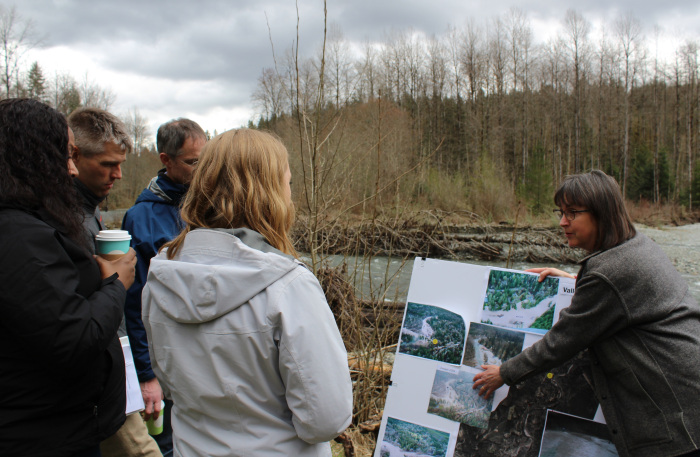
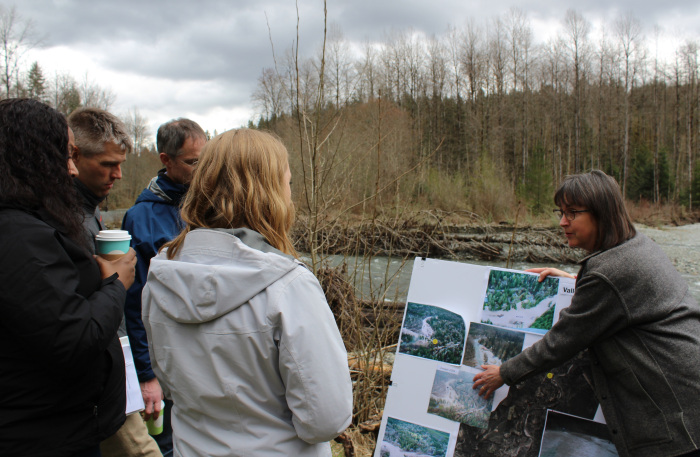 On a gray day last month, a small group of King County and King County Flood Control District (Flood District) employees stood on the forested edge of the Tolt River upstream of Carnation.
Geologically speaking, this is a young river – sinuous, fast-moving and largely unconstrained as it courses from its headwaters in the Cascades to its confluence with the wide, slow-moving Snoqualmie River.
Chase Barton, an engineer with the King County’s River and Floodplain Management (Rivers) Section in the Water and Land Resources Division (WLRD), looked out across the swirling water. “This portion is the most rapidly migrating river of those we manage in King County,” he said.
Sometimes, the County’s goal is to use engineering tools to manage a river. “Here,” Chase said, “our goal is to get people out of harm’s way.”
Read more from The Downstream Blog
Share this:

Commemorating May Day and International Workers Day April 26

Employees are welcome to participate in a celebration focused on protecting immigrants and refugees by commemorating May Day and International Workers Day. The event will feature guest speakers, a spoken word artist and is co-sponsored by the Executive Branch, King County Office of Equity and Social Justice and members of the King County Council.
Wednesday, April 26 from 12:30 to 2 p.m. Chinook Rooms 121-123
View the flyer for more information.

Share this:

See something, say something. Issues that is
Crossposted from King County Parks Plog
 As your King County Parks staff, our job is to keep your parks clean, safe and open. It is part of our daily routine. That said, stuff happens. Daily, if not hourly, staff can be rerouted to deal with any number of issues.
We of course handle anything we come across during our rounds, but sometimes, you visitors are onsite before we are. (Looking at you, “Training for a marathon before work,” and, “Dogs will eat my furniture if they don’t play in the field before 7 a.m.”
That’s why we have partnered with SeeClickFix – to make reporting the unexpected, inconvenient, or possibly dangerous issues easier and more efficient. This tool allows you to report what you have come across in our parks or on our trails directly from your mobile device or your desktop.
Read more at the King County Parks Plog
Share this:

King County honors the heroic sacrifice of firefighter Luther Dean Bonner with a new airport fire station that captures his story
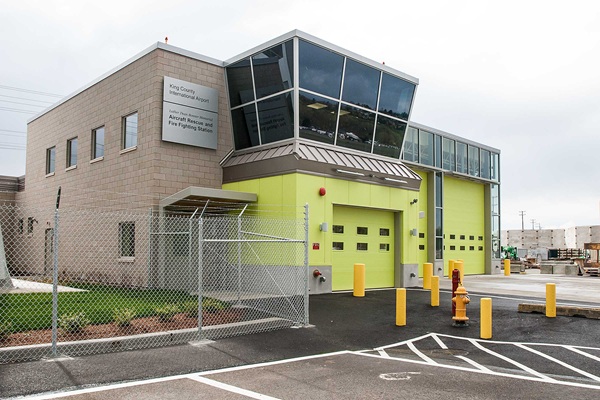

Luther Dean Bonner Memorial Aircraft Rescue and Fire Fighting Station
At a ceremony Monday at King County International Airport, the new rescue and fire station was named in honor of a fallen firefighter whose act of bravery has been overlooked for decades.
In 1943, Luther Dean Bonner, a 23-year-old Seattle firefighter, died while attempting to rescue passengers and warehouse workers after a plane crashed into a plant near the airfield. Thirty-two people were killed, making it the largest loss of life from a fire in Seattle’s history, yet Bonner’s sacrifice was never properly recognized.
King County elected officials invited members of his family to the new Luther Dean Bonner Aircraft Rescue & Firefighting Station, which has a large mural that tells the dramatic story of his sacrifice.
Read more at www.kingcounty.gov.
Share this:

Metro’s Anita Whitfield: Paving the way for equity in public transit
Crossposted from Metro Matters
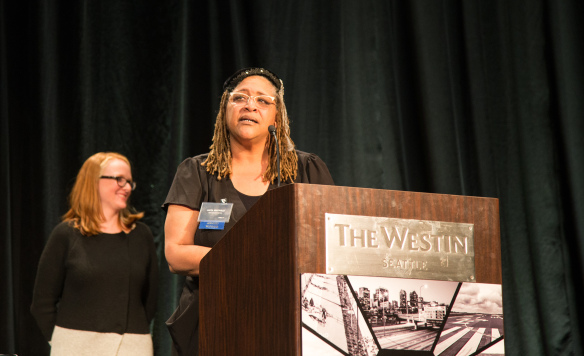
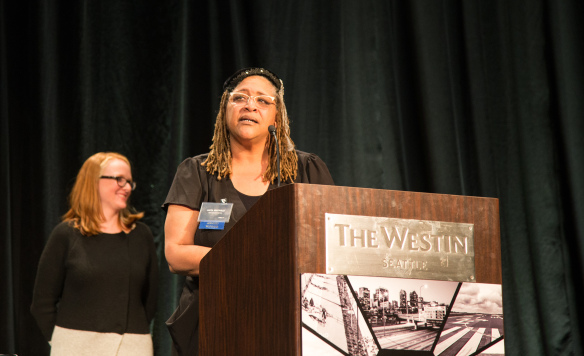 As Metro’s EEO/Diversity and Inclusion Manager, Anita Whitfield has been breaking down barriers and instilling a shared sense of responsibility for promoting equity and social justice.
Whitfield has worked to create a culture where employees feel safe to have difficult discussions about historical and current inequities. She’s led training for many employees (which she calls “shared learning opportunities”), and played an instrumental role in shaping a vision for making Metro and King County government more equitable for all employees and residents.
Whitfield recently was honored by the Puget Sound chapter of the Women’s Transportation Seminar with the Rosa Parks Diversity Leadership Award. The award recognizes outstanding efforts in promoting opportunities for women and minorities in the transportation industry.
“Mobility is a civil right,” said Whitfield, who currently doubles as interim general manager for employee services. “I accept this award on behalf of the managers and employees at King County Metro Transit who are stepping authentically into this work and striving together to equitably serve all King County residents — especially those who are transit dependent.”
Read more at Metro Matters
Share this:

Executive Constantine thanks DNRP employees for becoming “carbon neutral”
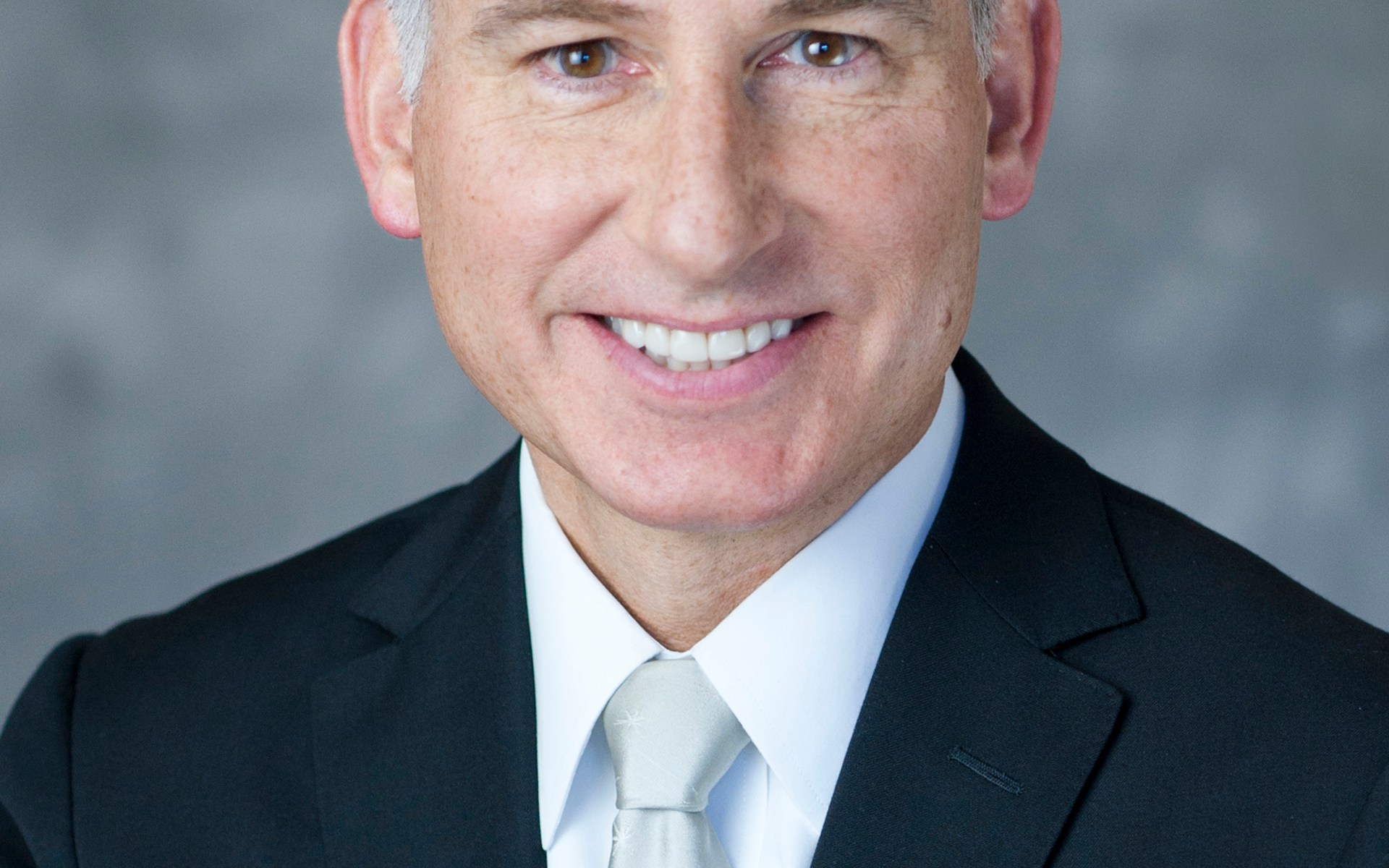
King County Executive Dow Constantine today congratulated Department of Natural Resources and Parks employees for helping DNRP become King County’s first “Carbon Neutral” agency.
Dear DNRP employee,
Earth Week is a great chance to congratulate every Department of Natural Resources and Parks (DNRP) employee for helping DNRP become King County’s first “Carbon Neutral” agency!
Please watch the video linked here (also available below) from DNRP Director Christie True and me, thanking employees not only for helping DNRP reduce and remove more greenhouse gas emissions than it generates, but doing it a year ahead of schedule.
Happy Earth Week!
Sincerely,

Dow Constantine
King County Executive
Share this:

Grand opening of Administration Building Plaza April 21

Join us to kick off the activation of the Administration Building Plaza as a place for employees to relax and come together in the nicer weather. The event will feature guest speakers and a ribbon cutting, as well as foosball, ping pong and participation from vendors including the YMCA, Oxbow Farm, Snoqualmie Valley Farmers, 24 Hour Fitness and many more. Delicious food from a variety of food carts will be able for purchase as well.
Friday, April 21 from 11 a.m. to 2 p.m. west side of King County Administration Building
For more information contact Nancy Kodani-Lee at 206-477-9352, or view the event flyer.






 Employee News