
Five Questions with Karl Zimmer, Assistant Plant Manager, Wastewater Treatment Division
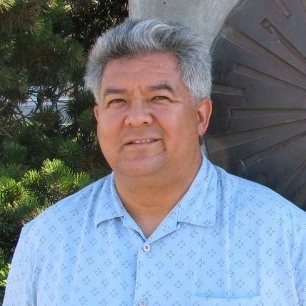
1. What was your first role at King County? My first role at King County was working as a Utility Worker at the West Point Treatment Plant. When I started in 1981, wastewater treatment was part of the Water Pollution Control Department for the Municipality of Metropolitan Seattle (METRO). 2. What does an Assistant Plant Manager at West Point Treatment Plan do? I am one of two Assistant Plant Managers for the West Point Treatment Plant and conveyance system in the West Section. My primary role is to assist in managing the operation, maintenance, and… Read More
Kudos! Public Health nurse receives Shining Star award

The King County Nurses Association selected Christina Enriquez (pictured left) from the Auburn Public Health Center as one of its two Shining Star Award recipients at the 2015 Annual Meeting & Spring Banquet on May 7. The KCNA presents annual awards to nurses who demonstrate excellence in their areas of practice or contribute significantly to the nursing profession. In recognizing Christina, the KCNA noted that “Christina Enriquez has been a nurse at Auburn Public Health for 29 years, providing maternity support services and infant case management, including services to Child Protective Services… Read More
A moment of remembrance

Since the founding of our nation, brave men and women have fought to protect the freedoms we hold dear. Many have made the ultimate sacrifice on battlefields near and far from home. Every year on Memorial Day, we pause to remember the more than 1.8 million men and women who have lost their lives in service to America since 1775. In mourning them, we also acknowledge the families of the fallen who share their service and sacrifice. We honor those who did not return by doing our very best to assist the… Read More
New Metro Transit recruitment campaign unmasks drivers’ secret identities
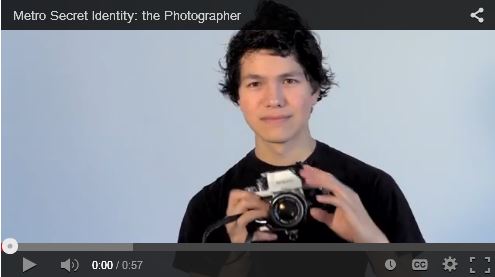
King County Metro Transit has launched a new recruitment campaign that highlights the pay and flexibility that being a part-time bus driver offers, and unmasks the secret identities of some of its drivers. The campaign features a video called Metro Secret Identity: the Photographer, which spotlights Nathan, a part-time driver and photographer, the first in a series of promotional videos. “By far the coolest and most awesome part of this job is getting to deal with all the people every day and it keeps me coming back to work every day and… Read More
Bridge Fellows graduate from development program

The first cohort of Bridge Fellows have graduated from the inaugural Bridge Fellowship program, part of King County’s commitment to empowering and developing its employees. The Bridge Fellowship program selected applicants from across the County to participate in a one-year leadership development program designed to advance participants’ careers with King County. The employees who participated in the program learned more about King County as an organization, shadowed employees in other County roles, created development plans for growth, and worked collaboratively on a team project designed to extend the knowledge of Equity and Social Justice across… Read More
Five Questions with Christina Davidson, Supported Employment Program Manager, Human Resources Division
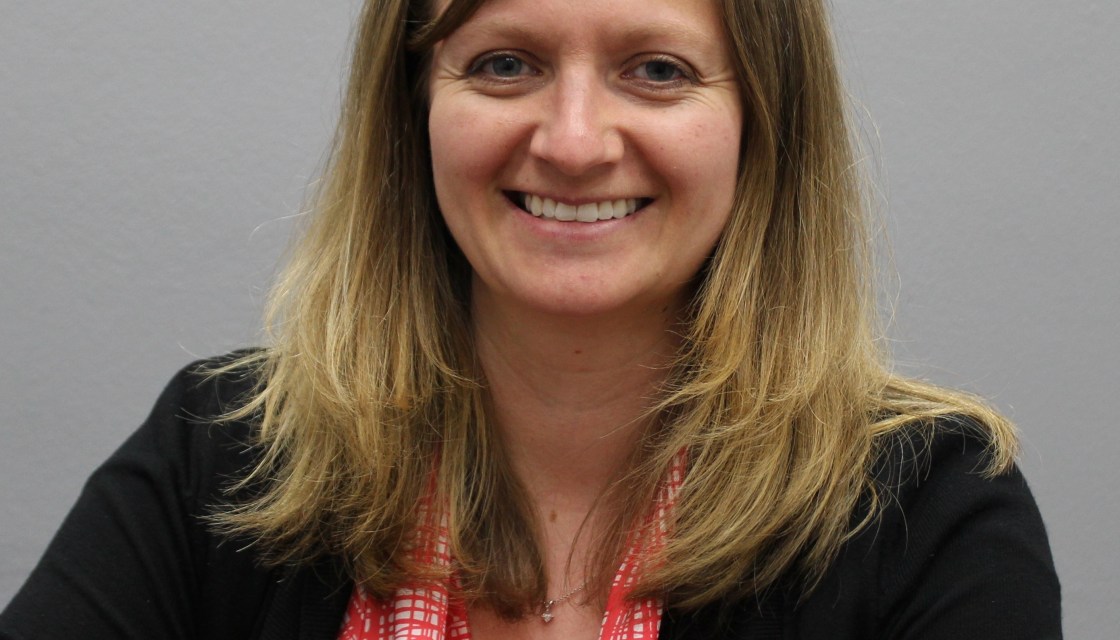
1. What is your role at King County and when did you start? I started at King County on April 20 as the Supported Employment Program Manager. 2. What is your background in supported employment? I have worked in the field of supported employment for the last 10 years at PROVAIL, the state’s largest private multi-service agency dedicated to supporting people with disabilities to fulfill their life choices. Since 2009, I served as a Program Manager in PROVAIL Employment Services department overseeing the work of 11 Employment Consultants who help individuals with… Read More
Mobile Identification helps law enforcement on the go
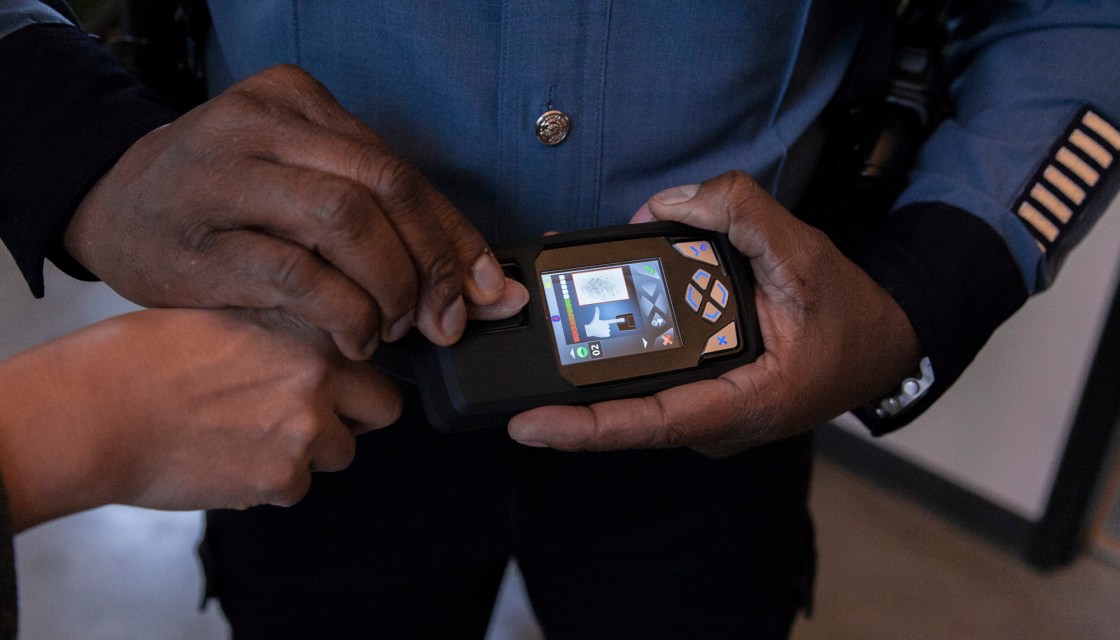
What does an officer do when a suspect will not cooperate and provide his or her name? One solution is to use a new tool called Mobile Identification. Mobile ID is a handheld fingerprint device paired with software that gives the officer the ability to search two fingerprints against the Automated Fingerprint Identification System (AFIS) and receive results in minutes. Devices do not save data; fingerprints are searched against prints on file and are not stored in the database. “The Sheriff’s Office is very excited to be using Mobile ID,” King County Sheriff John… Read More
Delivering technology solutions with architectural precision

What does an IT Business Analyst have in common with an architect? According to Ina Percival, a senior Business Analyst with King County Information Technology, it comes down to the planning. “It’s probably not the best idea to build a house without an architect, and in the same way, we shouldn’t tackle an IT project without the help of a Business Analyst,” Percival said. KCIT Junior and Senior Business Analysts are now available to provide services Countywide on IT projects. If a department or agency knows there’s an upcoming IT or technology… Read More
Fighting truancy to keep kids out of court system

In Washington State, 75 percent of prison inmates do not have a high school diploma. That’s why Stephanie Sato, Deputy Prosecuting Attorney and Senior Specialist in Truancy Intervention, is passionate about education. “Basically education re-engagement is crime prevention. When I worked in our juvenile division I got to see it for myself. The students skipping school—they’re not bad kids—maybe there are problems at home. But, if you don’t catch truancy early, they fall behind,” Sato said. “It spirals out of control into criminal activity, and I don’t know if the kids even… Read More
Five Questions with Meredith Li-Vollmer, Risk Communication Specialist, Public Health – Seattle & King County

1, What is Risk Communications? Risk communications involves providing information and engaging audiences about issues of concern or perceived threats in ways that will help people cope, make informed decisions, and understand their risks. This means we need to show empathy for what people are experiencing, be as open and transparent as we can about what we’re doing and why, and start communicating as soon as possible. 2. What do you do as Risk Communication Specialist for Public Health? I support the health department’s programs that work with disease outbreaks and other health… Read More






 Employee News