
Volunteer to close a ballot drop box
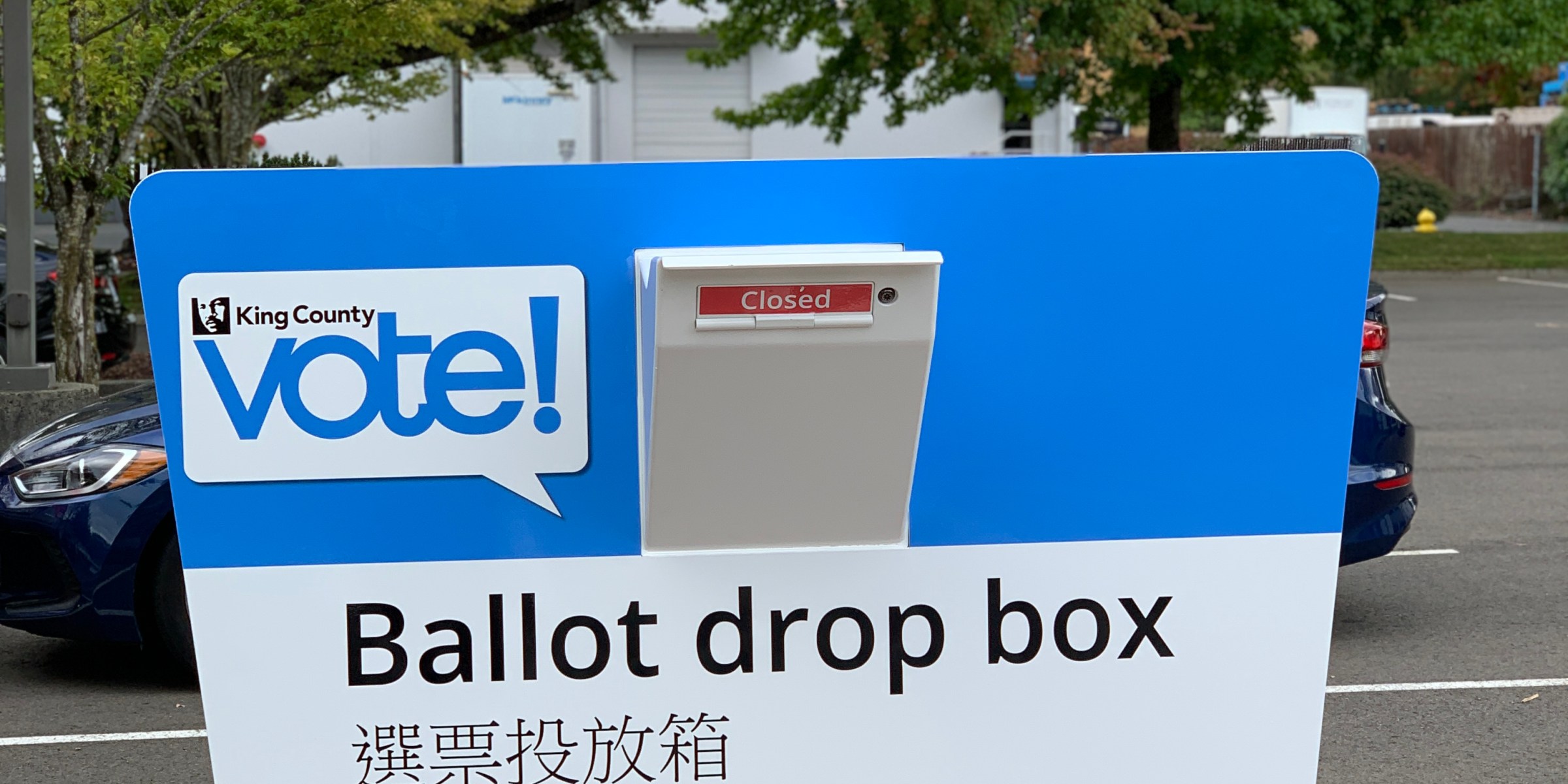
The Primary election is just around the corner and King County Elections is looking for volunteers to help close ballot drop boxes on election night, Aug. 1. Under state law, ballot drop boxes close at 8 p.m. sharp on Election Day.
As a volunteer drop box closer, you will be paired with Elections staff to close a drop box, provide customer service, and hand out I Voted stickers. No experience is necessary!
Election Day is Tuesday, Aug. 1 and Elections is looking for volunteers from about 6:30 to 8:30 p.m.
Sign up and join us for a fun and fulfilling experience helping your neighbors experience the excitement and community of casting their ballots.
Please note that this volunteer opportunity is only for current King County employees. Have questions? Learn more here.
Share this:

King County Green Schools Program recognizes 67 schools, two school districts, and 88 student Green Teams for resource conservation efforts this school year
Crossposted from Keeping King County Green
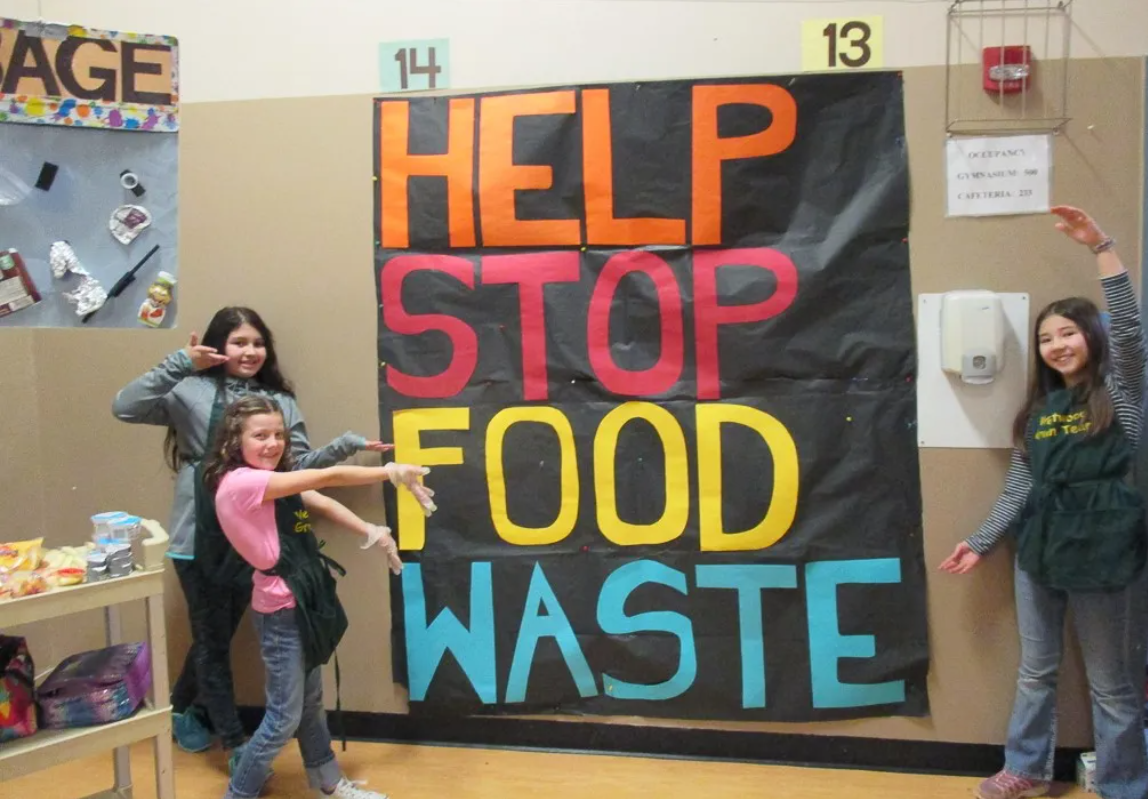
As the 2022-23 school year draws to a close, King County Green Schools Program recognizes 67 schools, two school districts, and 88 student Green Teams for their waste reduction and other resource conservation practices – that’s more than twice the total number of schools as last year.
Issaquah School District and Tahoma School District earned recognition as Sustaining Green School Districts for their environmental initiatives in 2022-23.
Led by the County’s Solid Waste Division, the Green Schools Program helps King County schools and school districts to start and improve sustainable practices. Program guidance focuses on resource conservation, environmental justice, and waste prevention and collection of recyclable materials and organics – such as food scraps and yard waste. Read more.
Share this:

ESJ Strategic Plan Refresh seeking administrative professional support

The Equity and Social Justice (ESJ) Strategic Plan Refresh project needs your expertise and is seeking 8-10 administrative professionals to support 3-4 affinity spaces.
Overview of tasks include:
- Creating meeting materials and logistics support
- Notetaking
- Scheduling, coordinating, and communicating resources
- Supporting hybrid meeting spaces
- Partnering with facilitators to support participants including breakout sessions
First meetings will occur from July 31 – August 9, with additional meetings occurring every 3-4 weeks. Onboarding will be provided in late July with regular facilitation planning occurring before each meeting. To join the ESJ Strategic Plan Refresh team, or to discuss this opportunity, contact the Administrative Professionals Program Manager, Lili Stansberry.
Please note that participation in these roles will require supervisor approval. The Executive Senior Leadership Team (SLT) has approved internal engagement plan work and are supportive of relief time to support the ESJ Strategic Plan Refresh.
Share this:

Second Professional Development Scholarship Award Letters and round up

All award letters for the second period of the 2023 Coalition Labor Agreement’s Professional Development Scholarship Program have been sent to the scholarship recipients. This second period saw 41 employees receive over $100,000 in scholarship funds.
In total, the 2023 program awarded $180,000 of the $225,000 budgeted. Approximately $45,000 will be carried over into the 2024 program year for a total budget of about $270,000. The 2024 scholarship year will open September 6, 2023, and will be for training that starts anytime between January to June 2024. Employees interested in applying for the 2024 scholarship are encouraged to begin exploring training opportunities and to reach out to their HR staff, Equity, Inclusion, and Belonging Manager, or Career Support Services for support.
The scholarship is part of the County’s commitment to Investing in YOU, and is designed to assist employees represented by a union in the Coalition of Unions with their professional development by providing up to $3,000 in financial assistance towards obtaining training, certificates, degrees, licenses, and certifications. Visit the Professional Development Scholarship website or email ScholarshipFund@kingcounty.gov for more information.
Share this:

Ken Guy receives the 2022 Fred Jarrett Award

FBOD Director Ken Guy has been honored with the Fred Jarrett Award, one of King County Executive’s Performance Excellence Awards which highlights a department or division leader who demonstrates leadership excellence. The Fred Jarrett Award is one of three Leadership Excellence Awards honoring King County leaders who embody the Executive Branch values and drive for results that make King County better for employees and customers, and move King County closer to its True North: Making King County a welcoming community where every person can thrive.
Ken Guy has served as Director of the Finance and Business Operations Division (FBOD) for more than 18 years, but he started as an intern at the county in the early 1980s. He was an early adopter of Lean and one of the first at King County to bring a continuous improvement specialist into his team. Watch the video to learn how Ken has used a Best-Run Government approach to improve the efficiency of the county’s procurement process; increase opportunities for small businesses and minority- and women-owned businesses to contract with the county; and serve as a diligent and reliable partner to colleagues and community.
“Ken is fundamentally a skilled and compassionate leader, a diligent and reliable partner, and a true embodiment of our True North Values and Best-Run Government in action,” said Executive Constantine.
Congratulations Ken! View the award announcement and watch the video here.
Share this:

Kelsey Urban joins Risk Management Services as Deputy Director
Crossposted from the DES Express
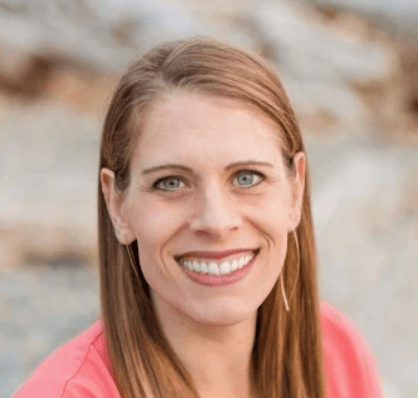
Kelsey Urban is the new Deputy Director of King County’s Office of Risk Management Services.
“I’m confident that she will lead with vulnerability, compassion, collaboration and trust,” said Christine Oh, Director of Risk Management, in an email to leadership. Kelsey comes to King County from the City of Renton, where she led their risk management team for the past five years. She brings 20 years of experience in leadership, including more than ten years of service in the U.S. Navy as an officer and helicopter pilot. Read more.
Share this:

FMD plays a starring role in new film production studio
Crossposted from the DES Express
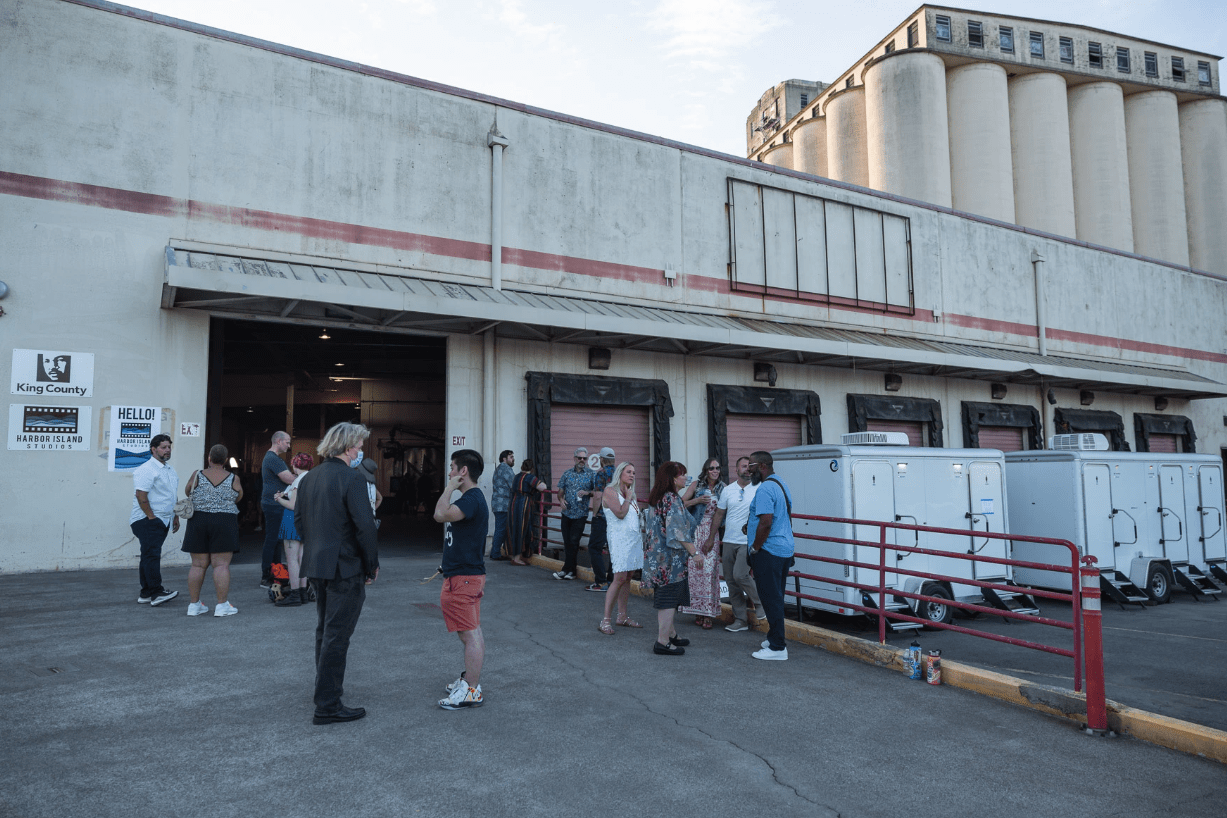
Actors, directors, producers and others from the film industry converged on the new Harbor Island Studios late last month along with members of the community to celebrate the grand opening of King County’s new film production studio. The studio, a converted flour mill in a hulking 117,000 square-foot warehouse on Harbor Island, was made possible in part by DES’ Facilities Management Division, in partnership with the Office of Economic Opportunity & Creative Economy, the Executive’s Film Advisory Board, KCIT, contractors and others. Read more.
Share this:

BIPOC Mental Health Month: Accessing culturally responsive mental health care

Balanced You recognizes the resiliency and strength within the Black, Indigenous, and People of Color (BIPOC) communities. We also recognize that one’s background and identities can present unique experiences, specific barriers, and opportunities to accessing mental health support; BIPOC and underrepresented communities face additional barriers including structural racism, access to quality care, and cultural stigmas.
As a King County employee, you have access to comprehensive health care coverage, including mental health coverage. We have been working with our providers to reduce barriers to access. Most employees have medical plans through either Kaiser Permanente or Regence BlueShield, both of which offer racially and ethnically diverse mental health providers. Read more about the culturally responsive mental health care available to you.
Share this:

Administrative Professionals Q2 Recognitions published
Celebrate the great work of the County’s Administrative Professionals and read about their accomplishments in the 2023 Q2 Recognitions.
King County Administrative Professionals are a large part of King County government’s workforce and valuable contributors to the success of every department. They support and provide direct services to internal customers and the public.
Administrative Professionals may include, but are not limited to, Administrative Specialists, Office Assistants, Executive Assistants, Customer Service Specialists, Dental and Medical Assistants, Court Clerks, and more.
To show your appreciation and recognize an Administrative Professional that you’ve worked with, click here.
Share this:

Eight ducklings rescued from airport storm drain

Crossposted from the DES Express
Employees at King County International Airport-Boeing Field recently rescued eight ducklings who had fallen into a shallow storm drain, reuniting all of them safely with their mother.
Thanks to Ryan Johnston, Brian Kruml, and Jadyn Saporito for the rescue.
It all started with a phone call to Airport Operations from a corporate client that a mother duck and her ducklings were walking around near a storm drain on their ramp, according to Sam Priest, Airport Duty Manager. The tenant was worried that some ducklings may have fallen into the drain. Read more.






 Employee News