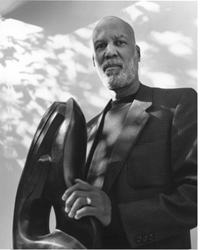
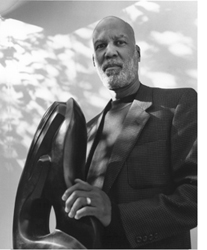
Executive Constantine’s proclamation recognizes March as Women’s History Month
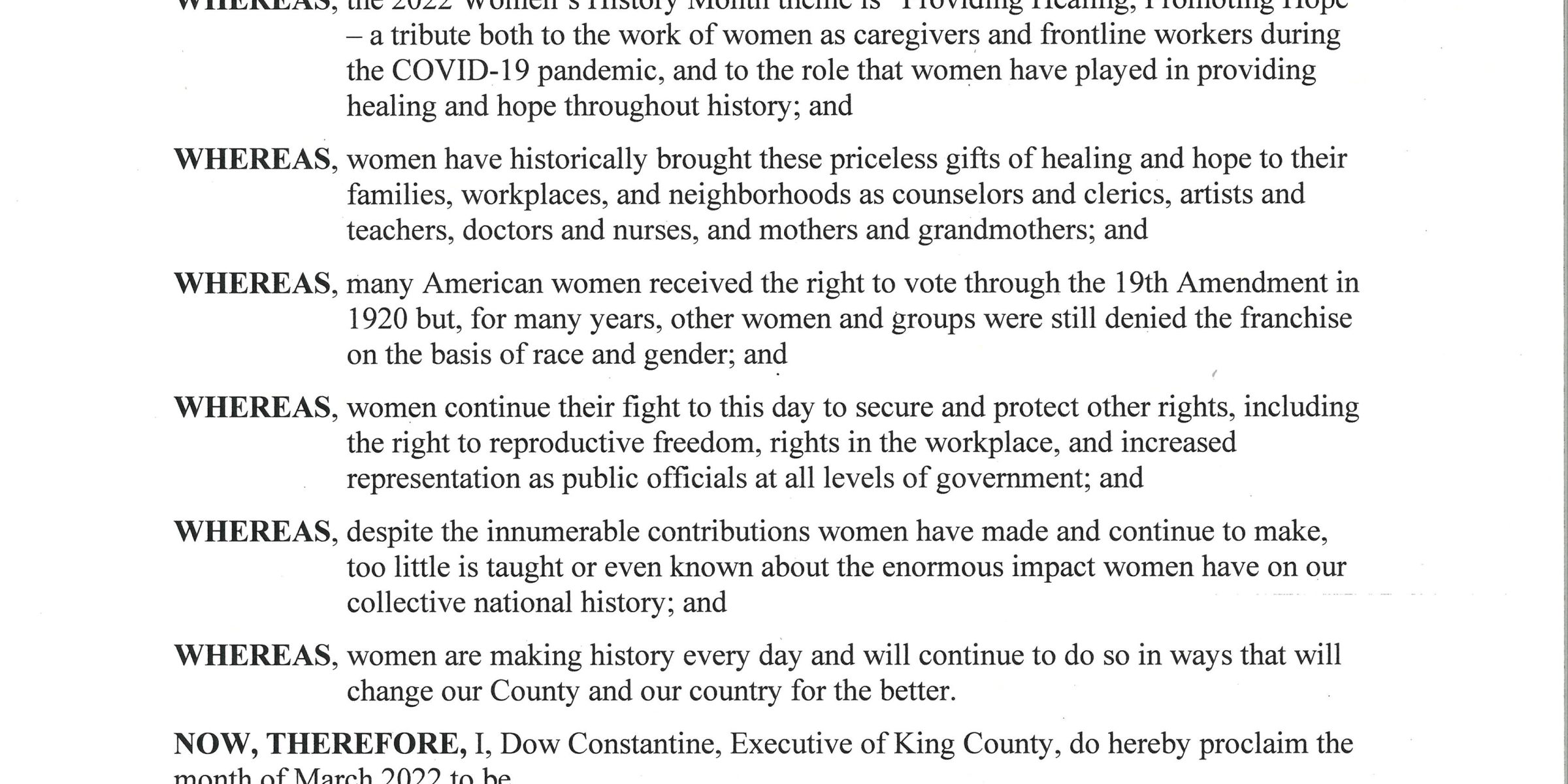
In recognition of the 41st year of Women’s History Month, King County Executive Dow Constantine has proclaimed March 2021 to be Women’s History Month. The proclamation states “Whereas Women’s History Month has been celebrated in the U.S. since 1980 – and the 2021 theme is “Valiant Women of the Vote: Refusing to Be Silenced” and “even after many women received suffrage through the 19th Amendment in 1920, many other women and groups were still denied the franchise on the basis of race and gender,” Executive Constantine encourages all King County residents to honor the “historic and central roles that women of every race, class, and ethnic background hold every day that are essential to the progress of our County and nation.”
Read the full proclamation below.

Phase 1 Future of Work plans submitted for review
King County departments have submitted the first phase of their “Future of Work” plans as part of efforts to look ahead to the needs of operations, employees, and customers once the risk of the COVID-19 pandemic has ended.
The plans draw on the experiences and lessons learned from the last year operating amid COVID-19 and incorporate input from employees using a variety of mechanisms, including surveys, all-hands meetings, and focused breakout discussions, with a particular emphasis on equity and employee health and safety.

The Future of Work plans are being developed in two phases by departments that report to the Executive and consider impacts to eight key areas:
Phase I (submitted February 26)
- Equity
- Employee health, safety, wellbeing, engagement, and labor relations
- Customer service, business needs, and operational needs
- Change management and communication plans
- Worksite changes
Phase II (due March 26)
- Budget planning and cost avoidance
- Climate change, sustainability, and efficiency
- Legal advice and regulatory compliance.
Some of the issues being considered by departments are how remote and on-site work affects equity for employees and customers, potential impacts to carbon emissions, and the maintenance of employee health, safety, and wellbeing.
“COVID-19 forced many changes on the way we work but it has also given us the opportunity to rethink the way we work,” Chief People Officer Whitney Abrams said. “We want to take this opportunity to look at how we deliver services, the way we work, and what we can do differently to better serve our region, our employees, and the environment.”
Approximately two-thirds of King County’s 15,000 employees are currently required to work on-site, delivering essential in-person services to residents. Many other public facing services have shifted online, and various buildings are closed to the public and most employees. In addition, the Administration Building will close some time in 2021, with staff in that building relocating to Chinook, KSC, and other County-owned or -leased facilities.
Departments are meeting with the Guidance Team to learn from other departments’ strengths and improve their plans. Final plans will be submitted to the Future of Work Planning Committee for review and final plans will need to be approved by King County Executive Dow Constantine and his Senior Leadership Team.
County leadership wants to hear from you

The 2021 Employee Engagement Survey is now underway, and King County leaders want to hear from you about what is going well and where we need to improve.
King County Executive Dow Constantine, King County Council Chair Claudia Balducci, Assessor John Wilson, and Elections Director Julie Wise recorded a short video about why participating in the Employee Engagement Survey is so important. Watch the video.
Most employees will receive an email in their King County inbox between Monday, March 8, and Tuesday, March 9, from KC Employee Survey (kcemployeesurvey@us.confirmit.com) inviting them to have their say in this year’s survey, which runs from March 8-26.
The survey — which can be taken on your work computer or a mobile device — will take no more than 15 minutes and can be done during work time. Your responses are 100% anonymous and cannot be traced back to you.
Translations available
This year, the survey will feature a dropdown menu with language translations in Amharic, Chinese (traditional and simplified), Somali, Spanish and Vietnamese.
All employees are eligible for the employee survey, except the following:
- Employees in Superior Court, District Court, Prosecuting Attorney’s Office and the Sheriff’s Office
- Employees who are interns or short term temporary (STT)
- Employees who have not worked at the county for at least 3 months prior to the survey period (for 2021, employees must have started before December 8, 2020 to be eligible).
For FAQs and more information about the survey visit www.kingcounty.gov/employeesurvey.
Email to participate in 2021 Employee Survey
Between Monday, March 8, and Tuesday, March 9, most employees will receive an email in their King County inbox from KC Employee Survey (kcemployeesurvey@us.confirmit.com) with the subject line “Welcome to the King County 2021 Employee Survey” inviting them to have their say in this year’s Employee Engagement Survey.
Here is what the email will look like:
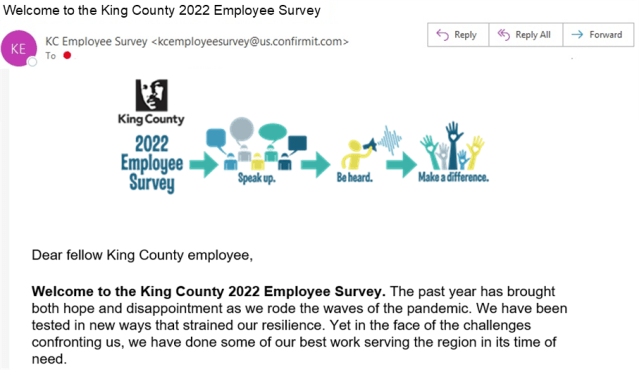
The 2021 Employee Engagement Survey will take place from March 8-26, and it is a great opportunity to let County leaders what is going well and where we need to improve. Remember that changes happen from your suggestions.
The survey — which can be taken on your work computer or a mobile device — will take no more than 15 minutes and can be done during work time. Your responses are 100% anonymous and cannot be traced back to you.
All employees are eligible for the employee survey, except the following:
- Employees in Superior Court, District Court, Prosecuting Attorney’s Office and the Sheriff’s Office
- Employees who are interns or short term temporary (STT)
- Employees who have not worked at the county for at least 3 months prior to the survey period (for 2021, employees must have started before December 8, 2020 to be eligible).
For FAQs and more information about the survey visit www.kingcounty.gov/employeesurvey.
Updates on COVID-19 vaccines
by Whitney Abrams, Chief People Officer

King County Executive Office
Marking one year
This week marks one year since the first cases of COVID-19 were identified in King County. I want to acknowledge what a challenging, stressful, and exhausting year this has been. The COVID-19 pandemic together with the public health crisis of racism have had—and continue to have—a profound impact on you, your families, and our community.
I am grateful for the many ways you have taken care of yourself and of one another during this past year. Together, our sustained strength, courage, and resilience has enabled us to provide exceptional service to the people of King County. Together, we’re helping to slow the spread of COVID-19 in our community and we look forward to brighter days ahead.
COVID-19 cases has been on a downward trend in King County, but over the past week, that has flattened out. The virus is still spreading in our community and we are under the threat from more contagious new variants. It remains more important than ever to continue to wear masks, stay at least six feet apart, and avoid gatherings with people you don’t live with. Complacency now would be a major mistake.
COVID-19 vaccine update
King County continues to work closely with our state colleagues as well as partners in the community and at all levels of government to ensure COVID-19 vaccines are distributed quickly, safely, and equitably in King County and across the state. We are heartened by the recent approval of the single shot Johnson & Johnson vaccine, which joins Pfizer and Moderna as authorized vaccines.
This is exciting news, but I know that you may have questions and concerns about vaccines. King County is committed to sharing trusted information about COVID-19 vaccines with you. All COVID-19 vaccines currently available in the United States have been shown to be highly effective at preventing COVID-19, and have been studied in clinical trials with large and diverse groups of people, of various ages, races, and ethnicities.
Vaccine supply is still low right now, so those of you who are currently eligible to be vaccinated may still experience frustrating delays. Please know that this will improve over time as vaccine supply increases.
Certain groups of higher risk King County employees are expected to become eligible for vaccination in upcoming phases. Washington State sets the priorities, which you can learn more about here. We are committed to helping eligible employees understand their options for how to access the vaccine when their turn comes. This includes actively working to facilitate access for front-line employees who would become eligible under Phase 1B Tiers 2 and 4 as defined by the state, due to the nature of their work at King County.
Now is a good time to learn more about COVID-19 vaccines and get your questions answered so you’re prepared when it’s your turn to get vaccinated:
- www.kingcounty.gov/covid/vaccine can help you understand when and where to get the vaccine. You’ll also find FAQs about the vaccine
- FindYourPhaseWA.org - Washington State’s Phase Finder online tool can confirm your eligibility and provide you with a list of possible vaccination locations
- www.preventcovidwa.org can help you learn more about COVID-19 vaccines and the science behind them, and to separate myth from fact.
Regardless of where you get a COVID-19 vaccination — the doctor’s office, a pharmacy, a community event, or other location — you should not have to pay anything. Checking with your health care provider is the best place to start, but if they do not have vaccine availability you should check other vaccine locations.
If you are covered under a King County employee health plan, you may be asked to provide your Regence BlueShield, CVS, or Kaiser Permanente insurance card. And remember, getting vaccinated is an eligible use of sick leave.
We all want to get back to our lives and vaccinations can help us get back to many of the things we miss most and keep all of us as healthy and safe as possible.
I will continue to share more information over the coming weeks and months as we work to end this pandemic.
Translations and other changes coming to 2021 Engagement Survey
The 2021 Employee Engagement Survey will take place from March 8-26, and it is your opportunity to let County leaders what is going well and where we need to improve.

The last 12 months have been very challenging and it’s more important than ever to hear how you are doing. Employees who participated in previous surveys have helped us make King County a better place to work and a more effective service provider for our residents.
The survey — which can be taken on your work computer or a mobile device — will take no more than 15 minutes and can be done during work time. Your responses are 100% anonymous and cannot be traced back to you.
There a few changes in this year’s survey that we want you to know about. Every year, the County’s Employee Engagement team recommends improvements to the data and survey process. Many of these improvement ideas come directly from employees. Their feedback helps us improve the employee experience and data quality, and to provide better analysis.
Here’s what is new in 2021:
- A dropdown menu with language translations in Amharic, Chinese (traditional and simplified), Somali, Spanish and Vietnamese.
- All employees will take the survey electronically, saving 80 reams of paper – or roughly five trees each year.
- There is a new Belonging Index.
- There are questions about whether you primarily work from home or onsite.
- Data will be available sooner.
- Demographic questions are more specific, and the option for “prefer not to disclose” has been removed. As always, these questions are optional, and people who do not want to answer can skip them.
The most important elements of the survey will not change: the confidentiality and anonymity of participants, and our commitment to act on what employees tell us.
The 2021 Employee Engagement Survey will run from March 8-26, and all employees are eligible for the employee survey, except the following:
- Employees in Superior Court, District Court, Prosecuting Attorney’s Office and the Sheriff’s Office
- Employees who are interns or short term temporary (STT)
- Employees who have not worked at the county for at least 3 months prior to the survey period (for 2021, employees must have started before December 8, 2020 to be eligible).
Look for the survey in your King County email starting March 8 and don’t miss this great opportunity to have your say.
Employee Giving Program raises almost $2.4M in 2020
King County employees set a new record for dollars raised and number of participants in the 2020 Employee Giving Program Annual Giving Drive, pledging almost $2.4M to nonprofit organizations.

In the last 12 months when most of the news has leaned toward the negative, the Annual Giving Drive has given us some positive numbers to be proud of:
- $2,392,295 raised
- 20% over 2019 dollars
- 614 new participants
In 2020, the Annual Giving Drive ran from Oct. 5 to Nov. 20 under the theme Care. Connect. Act. Even though the Annual Giving Drive was different from previous years, with special events and nonprofit expos taking place virtually, the goal to the support organizations meaningful to King County employees remained true. And in spite of the inability to connect in person, employees rallied together in the spirit of support and charity.
“The last year has been incredibly challenging for many people here in our community and around the world,” King County Executive Dow Constantine said. “I am truly grateful that our employees saw the need and made the commitment to give even more during these troubled times, demonstrating enormous care and empathy, and going beyond even their remarkable day-to-day service to our community.”
The success of the program was possible because of the creativity and dedication of the Employee G1iving Program Ambassadors. They adapted quickly and used the opportunity to bring their co-workers together in a variety of new ways. They cultivated opportunities to connect, learn, and make a difference through special events such as virtual bingo and trivia, a countywide treasure hunt, online lunch & learns, and bring your pet to work (remotely) day.
Top Ten recipients
King County employees donated to a wide range of organizations, from food banks to schools to animal shelters, some which have received donations before and some who are first-time recipients. Below is an overall list of the Top Ten organizations receiving the most dollars pledged:
- Northwest Harvest
- Planned Parenthood of the Great Northwest and the Hawaiian Islands
- United Way of King County
- Food Lifeline
- Northwest Immigrant Rights Project
- American Civil Liberties Union of Washington Foundation
- Mary’s Place
- Regional Animal Services of King County – Pet Benefit Donation Fund
- Childhaven
- Fred Hutchinson Cancer Research Center
Below is a list of the Top Ten new organizations based on dollars raised:
- Community Passageways
- Renton Regional Community Foundation
- C895/KNHC Public Radio Association
- Babies of Homelessness
- Future Farmers of America (Mansfield School District #207)
- CHOOSE 180
- University of Idaho Foundation, Inc.
- LANGSTON
- Chief Seattle Club
- Northwest Community Bail Fund
Although more challenging times lie ahead, King County employees have shown their commitment to the nonprofit organizations that continue to do vital work for people, the environment, and the wildlife it supports. Congratulations King County employees for your support of the 2020 Annual Giving Drive.
2021 Engagement Survey starts March 8
King County’s Employee Engagement Survey is back in 2021, and there are a few changes that we want to share.

Every year, the County’s Employee Engagement team recommends improvements to the data and survey process. Many of these improvement ideas come directly from employees. Their feedback helps us improve the employee experience and data quality, and to provide better analysis.
Here’s what is changing in 2021:
- All employees will take the survey electronically, saving 80 reams of paper – or roughly five trees each year.
- There is a new belonging index.
- There are questions about whether you primarily work from home or onsite.
- Data will be available sooner.
- Demographic questions are more specific, and the option for “prefer not to disclose” has been removed. As always, these questions are optional, and people who do not want to answer can skip them.
The most important elements of the survey will not change: the confidentiality and anonymity of participants, and our commitment to act on what employees tell us.
The 2021 Employee Engagement Survey will run from March 8 to 26, and all employees are eligible for the employee survey, except the following:
- Employees in Superior Court, District Court, Prosecuting Attorney’s Office and the Sheriff’s Office
- Employees who are interns or short term temporary (STT)
- Employees who have not worked at the county for at least 3 months prior to the survey period (for 2021, employees must have started before December 8, 2020 to be eligible).
Look for the survey starting March 8 and don’t miss this great opportunity to have your say.
Community Corrections keeps up with COVID changes

Specialist Jennifer Oxier (right) help keep things running at the Community Corrections Division. (Photo:
John Markholt)
The caseworkers who used to oversee the operation in the King County Courthouse aren’t idle – far from it. They’re busier than ever.
Work Education Release and the Community Work Program closed down this year, after a long pandemic pause. But the number of people on Electronic Home Detention shot up over that time. It all spells huge changes for the Community Corrections Division (CCD). Like many countermeasures against COVID19, these appear to be here for the long term.
“Everyone has had to rethink things, and we’re no exception here,” said John Markholt, a CCD corrections program supervisor. “We’re pretty dialed in now with our changes.”
Remote work. A hiring spree. New monitoring equipment. Those are just some of the innovations that Community Corrections has taken on during the pandemic.
Work Release gave judges a sentencing option for people who were employed or enrolled in one of the county’s special treatment courts. When not at work or in treatment, participants were required to stay at the Work Release facility on the 10th floor of the courthouse – an old jail that long predates the nearby King County Correctional Facility. “This was the jail before the jail,” Markholt said.
Electronic Home Detention replaces Work Release program
Electronic Home Detention, on the other hand, gives defendants and sentenced offenders leeway to stay at home – so long as they stick to court -ordered guidelines. It’s the caseworkers’ job to make sure they do.
Electronic Home Detention was hovering slightly below 130 participants in late 2019 and early 2020. Then Work Release went away in March, as King County leaders worked with criminal justice partners on a flurry of moves aimed at curbing the spread of the novel coronavirus at DAJD facilities. The new biennial budget that took effect Jan. 1 did away with Work Release permanently, along with CCD’s Community Work Program, a diversion program for lower-level offenders.
Work Release cases averaged about 70 throughout 2019, then shrank to zero as the pandemic took hold. These offenders mostly shifted to home detention. By last summer, the electronic home detention caseload had risen above 200 people – and stayed there.
The workload is driven by what the court orders – and CCD needs to keep up. To deal with the influx, Community Corrections is hiring a half-dozen caseworkers and a new administrative assistant. “It’ll more than double the staffing,” Markholt said. “With the increased workload, there hasn’t been an increase in caseworkers until this recent budget.”
It’s not just the numbers that have changed, but the nature of the work. There’s new technology, as well as expanded monitoring on nights and weekends. Kekoa Jaber, a caseworker for the past 15 years, can now handle many of his clients remotely. He even telecommutes a couple of days a week.
“We were set up in a traditional way pre-Covid where they would come in our office and sit with us,” Jaber said of the clients. “Obviously, that’s changed drastically.”
That doesn’t always make the job easier. Every time someone on Electronic Home Detention deviates from their normal routine, it requires a lot of legwork – legitimate accommodations for work schedules, hospital visits or family emergencies all need to be verified. “I think we’re rolling with it,” Jaber said.
New GPS monitor rollout
In the middle of it all, the program started using a new type of GPS ankle bracelet to monitor clients. “It just happened to come out during the pandemic and we had to get used to a new type of equipment,” said Jennifer Oxier, an administrative specialist.
As Oxier gave a demonstration of the tracking equipment, a man walked into the lobby. He was there to get his ankle bracelet removed after 10 months, he said, now that his charges had been dropped. Oxier obliged. Relieved of the device, he asked her to pass along a thank-you to his caseworker.
That’s nothing unusual, in her experience. “Actually,” Oxier said, “I hear that pretty often.”
Originally posted in Roll Call, the DAJD newsletter, February 2021.
Supporting People with Disabilities: When and how to disclose a disability
One of the key issues that came out of last October’s Disability Awareness Month was how and when to disclose a disability for both King County job applicants and employees with disabilities.

Applying for jobs and maintaining positions can be stressful for anyone, but for a person with a disability–whether visible or invisible–there are added layers of complexity. Should you disclose? When should you ask for accommodations…during the hiring process or after? Disclosure of a disability is a very personal decision. Whether or not you choose to disclose, it’s important to be aware of the law. The Americans with Disabilities Act (ADA) and the Washington Law Against Discrimination make it illegal for an employer to discriminate against a qualified applicant or employee with a disability.
When to disclose
Under the ADA you can request an accommodation at any time during the application process or while you are employed.
If you are applying to a job within King County, you only need to disclose your disability if you feel like you need assistance during the hiring process. You should inform the recruiter that you need some sort of adjustment to the application or interviewing process orally or in writing. It may take some time for them to arrange it, so you should give them as much notice as possible. The need for reasonable accommodations on the job does not require disclosure or discussion of a disability prior to the start of employment. An applicant’s request for a reasonable accommodation may begin either before or after a job offer has been made.
If you are a current King County employee, you can request an accommodation at any time that you feel your disability is impacting your ability to complete your job’s duties and responsibilities (even if you did not disclose your disability when applying for the job or after receiving a job offer).
Who to disclose to
If you are applying to a King County job, let the recruiter of the position know of your need for an accommodation. They will get you in touch with Disability Services who can assist with accommodation requests.
If you are already a King County employee, you may contact your supervisor, Human Resources representative, or Disability Services directly.
Remember that you have a right to keep information about your disability private. It is not necessary to inform coworkers about your disability or your need for accommodations. While your supervisor or coworkers may be aware of the accommodations, especially if you are allowed to take extra breaks or you have a flexible starting time, they are not entitled to know why. King County is required by the ADA to keep your disability and medical information confidential; managers and supervisors will only be provided information regarding specific limitations and restrictions that result from the disability, not confidential diagnostic information.
What to disclose
When you disclose, just provide basic information about your medical condition, your limitations, and what accommodations you may need. Remember, the ADA contains strict confidentiality requirements. Medical information revealed during the hiring process and during employment must be kept confidential, with certain exceptions.
Examples of reasonable accommodations that may be provided to applicants with disabilities include:
- Providing written materials in accessible formats, such as large print, braille, or audio files
- Providing readers or sign language interpreters
- Ensuring that recruitment, interviews, tests, and other components of the application process are held in accessible locations
- Providing or modifying equipment or devices
- Adjusting or modifying application policies and procedures.
Examples of reasonable accommodations that may be provided to employees with disabilities include:
- A supervisor writes out feedback, rather than presenting it verbally, for an employee who communicates more effectively through written materials.
- Furniture is moved to make a safer passageway for an employee who is blind.
- Noise cancelling headset is provided to an employee with depression to help with concentration and focus.
- Keeping all the essential functions, a job is modified by making it more consistent from day to day, allowing an employee with a cognitive disability to have a structured routine.
- A flexible work schedule or later start time is provided to an employee with PTSD who experiences sleep problems due to their condition to assist them with morning fatigue.
King County is committed to providing reasonable accommodations to applicants and employees with disabilities to ensure that individuals with disabilities enjoy equal access to all employment opportunities. If you need assistance with accommodations with either applications or within the workplace, contact the recruiter, your Human Resources representative, supervisor, or Disability Services staff at 206-263-9329 or email DisabilityServices@kingcounty.gov.
If you are interested in learning more about disability disclosure, consider checking out the Job Accommodation Network (JAN) video Deciding Whether to Disclose a Disability During an Interview (10 minutes) and webinar Disclosing a Disability in the Workplace (15 minutes).