
Summertime discounts for employees

Employees are welcome to take advantage of two new discounts:
Wild Waves -The Metro Employees Recreational Activities Association (MERAA) is offering discounted tickets to Wild Waves to King County employees. MERAA is NOT receiving any money or percentage of tickets sold. The online purchase price is $25.00 and Main Gate prices are $43.79. Click here to access this offer (PDF).
Puget Sound Moving offers affordable, reliable solutions to the most common moving problems, including the complete packing, storage and shipment of our customers’ belongings at competitive prices. King County employees are eligible for a $10 discount on our services at our Seattle and Kent locations. Just mention “KingCounty.gov” over the phone or in the Tell Us More section of the online quote. Visit www.psmoving.com for our contact information and our online quote form.
See all available discounts on the Employee Discount Webpage.
Share this:

What is “Investing in You?”

Last week Executive Constantine launched Investing in You, a strategy that brings together our work in Equity and Social Justice, Best-Run Government: Employees and Continuous Improvement into a single, comprehensive plan focused on making King County a great place to work.
By aligning this work into a single strategy we can ensure that all of the County’s employee-focused efforts are working collaboratively towards the same goal – a fair, supportive, innovative and racially diverse workplace – and we can see how the individual components fit together.
Investing in You teams are working on key actions in six goal areas: Workplace Culture; Health, Well-Being and Safety; Learning and Growth; Racially Diverse and Culturally Responsive at All Levels; Total Compensation; and Business Operations and Systems that support employees. These teams will track and report their progress to the Executive’s Office and to employees.
Watch this short video to learn more and visit the Investing in You website for more details on some of the 2017 priority actions.
Share this:

Five questions with Bookda Gheisar, Immigrant and Refugee Policy Analyst
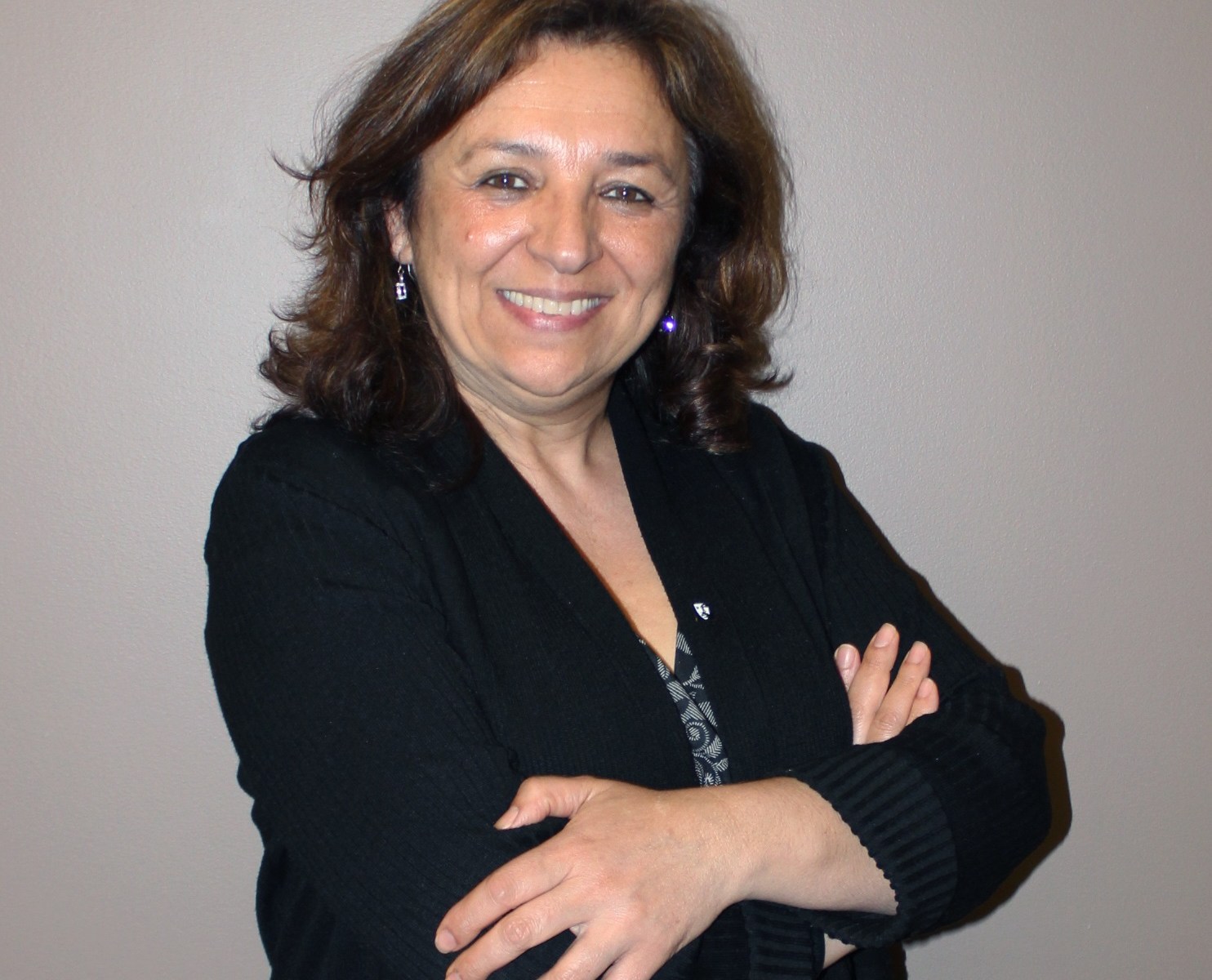
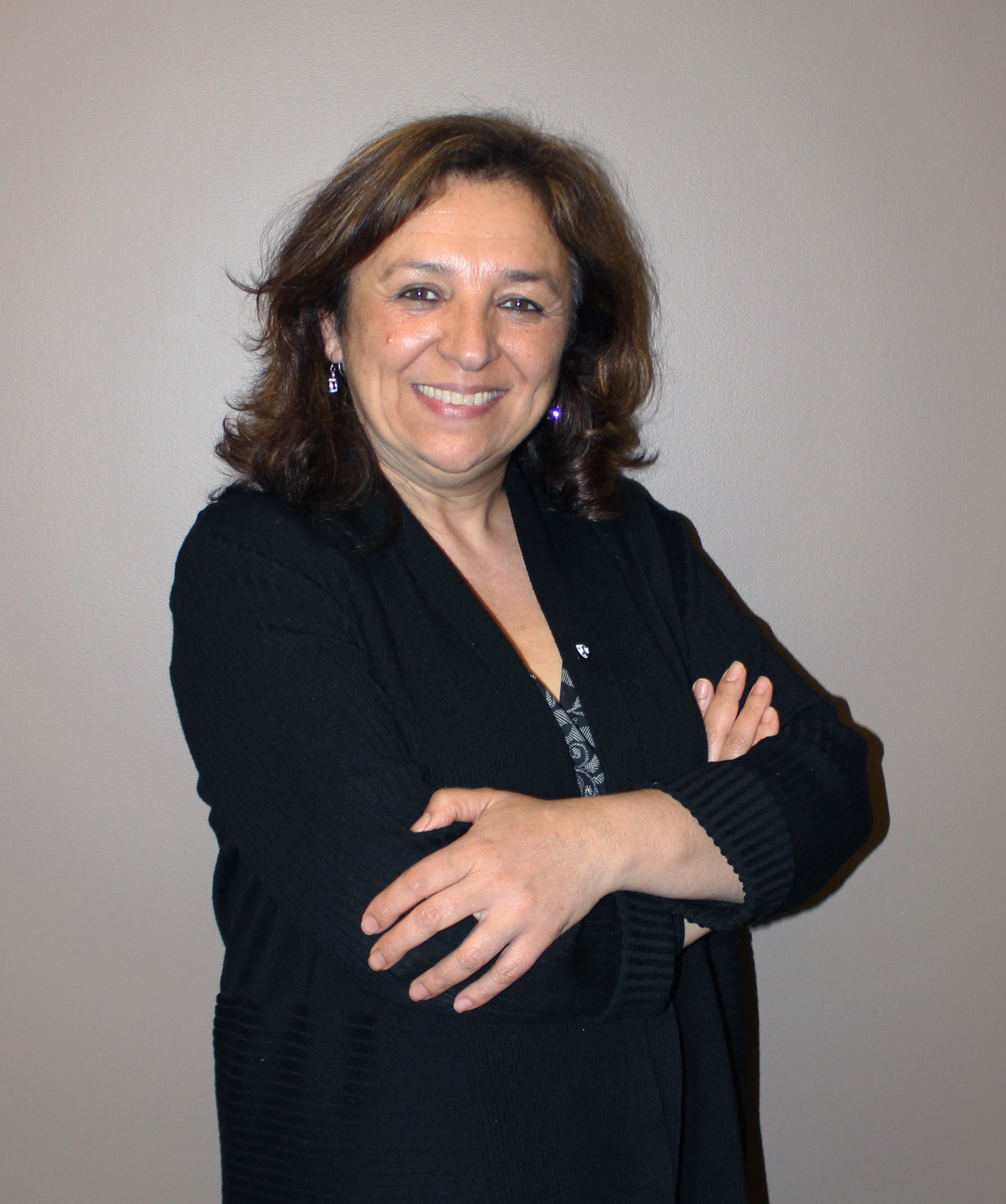 1. Why did you start in your role with King County?
I am a social worker by training and passion, so my entire career has been focused on fighting poverty, eliminating barriers that people of color experience in accessing services, and allowing for voices who are not usually present at the table to become heard and to influence policymakers.
The specific way that I carry out this mission has shifted from time to time, because social work is a broad field, so I have looked at emergent issues within that umbrella. It was clear to me during the presidential campaign, when we saw a huge and visible increase in hate and bias around the country that I wanted to bring my energy and talent to immigration policy and organizing. I am lucky to have been hired by King County to create this position and the strategy that goes along with it. I am grateful to have a chance to make a difference and proud to support a leader who shares a positive vision for democracy and freedom for all.
2. What do you do in your role?
Some of the top priorities for my role in the coming months are funding local organizations, creating a refugee and immigrant commission, supporting employees and departments to do this work and collaborating with other communities.
The Executive and Council together approved funding for organizations that are supporting immigrant and refugee communities during this very challenging time. We’ll be working over the next few months to identify organizations to award this funding to so that we can support building a powerful hub in Washington State. We’ll also be creating a first ever immigrant and refugee commission to help bring the voices, experiences, and stories that are often not visible and marginalized to our leaders in the County.
I am looking forward to also helping employees and departments understand how they can be prepared and equipped in working with immigrant and refugee community members during these challenging times, and helping King County to partner with the regional cities, officials, and communities to share our experiences and help support other communities.
3. Why did you choose this field as your career?
Part of it was because of my personal background. I was 18 years old when I came here from Iran in 1980, during the revolution. I went to college and became interested in social work. At a personal level, I was aware of what being marginalized meant.
But my training and work helped me understand how systems and policies make it very difficult for people who are already marginalized to join society effectively and to be set up for success.
Fighting oppression and racism is a commitment that drives my life. I choose to send my kids to diverse schools. I choose to live in a diverse community. And why here in King County? Because I admire the commitment to social justice. I am impressed with the ESJ strategic plan, and I am impressed with the Executive’s commitment to social justice efforts.
4. What is the biggest challenge of your job?
The biggest challenge is this – deportations and detention are up for people with no criminal background by 360% in King County. There has been an increase in hate crimes and almost every day I hear painful stories of bigotry. The need for intervention is so big and we don’t have a minute to waste. And we will need a lot of resources for this work.
5. What do you enjoy most about your work?
I really enjoy the people I work with and meet in our building. It’s quite telling that King County employs some of the smartest, brightest, most talented people with a commitment to equity and social justice. This shows the County’s commitment to these values.
Share this:

First and fast care: Emergency medical technician on the scene

Crossposted from Public Health Insider

Pictured: EMT Nate Strobel and daughter Maryanne
Today, we’re taking a closer look at Basic Life Support (BLS) response. Sent to an incident by 911 dispatchers, BLS personnel are the first responders to a scene and provide immediate medical care, such as advanced first aid and CPR/AED to stabilize the patient. Staffed by firefighters trained as Emergency Medical Technicians (EMTs), BLS units arrive at the scene in about five minutes (on average).
We connected with EMT and firefighter Nate Strobel with the Puget Sound Regional Fire Authority to tell us a bit about his 15 year career within the King County EMS system.
Read more at Public Health Insider
Share this:

Airport helps deliver nearly 100 world business leaders to Microsoft CEO Summit
Crossposted from The Centerline
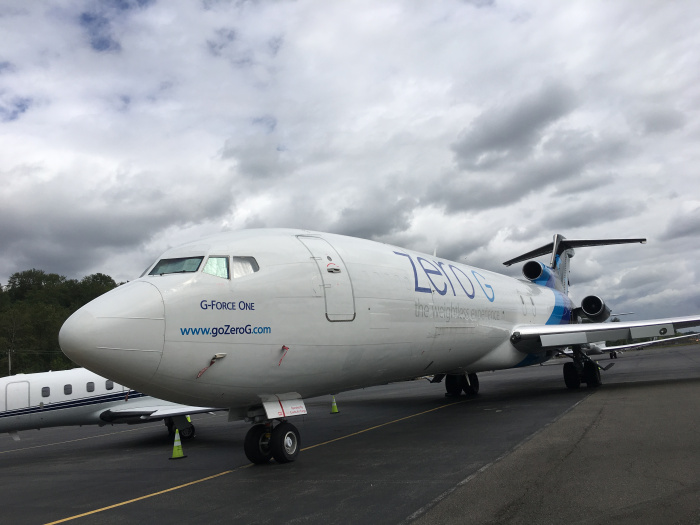
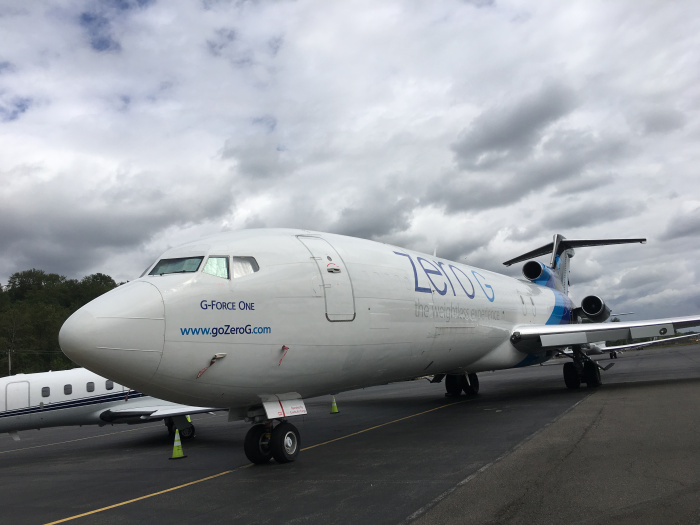 Notice more corporate jets than usual last month on the airside of King County International Airport/Boeing Field?
Your eyes weren’t deceiving you. The Airport played a big role in delivering many of the world’s top business leaders who converged on the Northwest for the annual Microsoft CEO Summit.
We welcomed nearly 100 business and executive aircraft that were tied directly to the summit, which took place May 17-18 at Microsoft’s Redmond campus. Those aircraft carried some of the world’s most successful, innovative and high-profile business and organizational figures.
Read more at The Centerline
Share this:

Featured Job: Psychiatrist

Closing Date/Time: Continuous
Salary: $78.74 – $99.81 Hourly
Job Type: Various – See Supplemental Information Statement
Location: Both Sites KCCF (Seattle) and RJC (Kent), Washington
Department: Department of Public Health–Jail Health Services
Description: The responsibilities of this Psychiatrist position for Jail Health Services include providing primary mental health care services to psychiatric patients according to established department policies and procedures and local, state, and federal standards. The incumbent will provide psychiatric consultation, patient assessments, treatment plans, and information to patients and families for specialized health care programs within King County correctional facilities.
Learn more about this position, or view all available jobs.
Share this:
Social Media Spotlight: Public Health Insider blog

 The Public Health Insider provides timely, interesting, behind-the-scenes news about efforts to protect the health and well-being of all people in Seattle and King County. It’s written by members of the Communications Team at Public Health – Seattle & King County, with contributions from the many experts who work throughout the department’s five divisions.
Follow the Public Health Insider blog today!
Click here to view all King County social media pages.
Share this:

Kudos! Tobacco Prevention Program receives national recognition

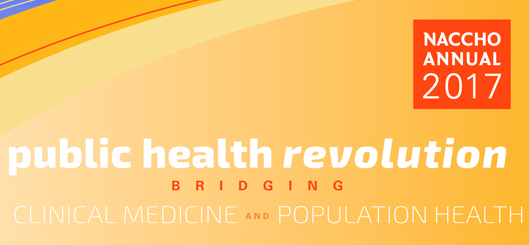 The Tobacco Prevention Program’s King County Partners with CHWs to Provide Tobacco Interventions initiative addressed tobacco-related health disparities by integrating Community Health Workers (CHW) into tobacco interventions was recently selected as Model Practice by the National Association of County and City Health Officials (NACCHO) Model Practices Program.
This NACCHO award nationally honors outstanding local public health practices throughout the country and is highly competitive. Selection indicates that a program demonstrated “Exemplary and replicable qualities in response to a local public health need.” All Model Practices winners will be recognized at the NACCHO Annual Conference Public Health Revolution: Bridging Clinical Medicine and Population Health July 11-13, 2017 and the Grand Award Ceremony, on Wednesday, July 12, 2017.
Share this:

Tech Tip: Skype 4 Business: Ordering King County Skype phones, headsets or speakers

Go shopping at the King County Skype store then contact your telecom rep and let them know what you want. Here’s the link to County telecom lead. Copy and paste if needed: https://kc1.sharepoint.com/teams/ITOP…
Share this:

First Tech Movies at Marymoor Park Redmond, WA
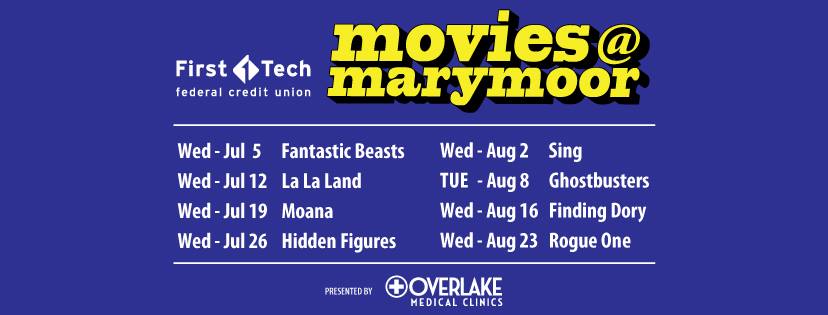
The First Tech Movies@Marymoor, presented by Overlake Medical Clinics, kicks off its 13th season of weekly summertime movies at King County’s Marymoor Park on July 5. All events are “bring your own seating,” dog friendly and smoke free.
The complete line-up and more information can be found at on the Movies at Marymoor website or at www.facebook.com/moviesatmarymoor. The series is produced by local outdoor cinema company Epic Events, which also runs the Outdoor Movies at Magnuson Park in Seattle, Fairhaven Outdoor Cinema in Bellingham and Outdoor Movies at Riverfront Park in Spokane.






 Employee News