
Explore Race and Social Justice through Literature Out Loud

“We are human only if I see myself
in you and if you see yourself in me.”
These lines are from a poem called “Dialectic” by Quenton Baker, one of eight literary artists selected to present their work to King County employees in a series of symposia in 2016 called “Reflecting on Race and Racism through Spoken Word, Story, and Conversation.”
The presentations offer King County employees the opportunity to explore equity and social justice issues through the personal and intimate art of “literature out loud.” Writers will read or perform their work and briefly explain its genesis and inspiration. A facilitated question-and-answer session between audience and artists will follow.
Poets Quenton Baker and Casandra Lopez will appear in the first symposium on January 12 from 1-3 p.m. in the eighth-floor conference at King Street Center.
Share this:

Five Questions with Dawn Barrett, Social Worker/Veterans Program, Community & Human Services
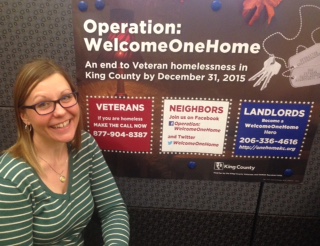
1.  What was your first role at King County? My first role for King County was in 2004 as a Social Worker for the out-of-school young adults enrolled in our YouthSource program in Renton. I recall my fascination with the size of the team and the innovative and creative programs they were implementing such as Youth Build and Digital Bridge; both aimed to achieve education and employment outcomes to combat income inequalities for this population. The team was incredible at creating a safe and fun place for learning while investing in the development of life skills and relationship building which made it less like a program and more of a community.
2. What is the goal of the Regional Veterans Initiative (RVI)? We have a robust Veteran service delivery system in King County, funded with over $500M annually from all our partners and more than 180 programs and services across the region designed specifically for veterans and their families. The system encompasses outreach and engagement; information and referral; homelessness and housing; education, employment and other benefits; justice system interventions and legal services; and health and behavioral health services. The goal of the RVI is to ensure veterans and their families get to the best resources in the fewest steps and that all the partners are working together toward that goal.
Share this:

Job opportunities for veterans ease transition from military

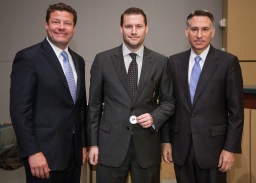
Steve Stamper (center) with King County Councilmember Reagan Dunn (left) and King County Executive Dow Constantine.
Making the transition from military to civilian life can be a difficult one for many veterans but finding a meaningful job where they can utilize their skills while learning new ones can ease that transition.
That’s why King County launched the Heroes Employment Reintegration Opportunity (HERO) Program back in 2012.
“Veterans returning from deployments to Iraq and Afghanistan face a job market with high unemployment rates, and a civilian workforce where their valuable skills may not be recognized,” Councilmember Reagan Dunn said. “We have a responsibility to support those who have fought in service to our country. I sponsored legislation for the HERO program, currently called Vets 4 Hire, in an attempt to ease the transition and increase the employment rate of veterans in King County.”
One of those veterans is former Field Artillery Officer Steve Stamper.
Share this:

Honoring our veterans and ending veteran homelessness
Dear fellow King County employee,
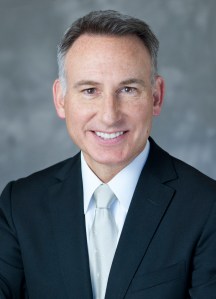
King County Executive Dow Constantine
Each year, we pause as a grateful nation on November 11 to salute the men and women who answered the call to serve in our nation’s armed forces. Of the 122,000 veterans of all ages who call King County home, I am proud to say that 931 of them are our fellow King County employees, including 27 who were called to active duty over the past year.
Along with our respect and appreciation, we best honor their service through our actions. Through our King County Veterans Program and the voter-approved Veterans and Human Services Levy, we are helping local veterans and their families to transition home successfully – with counseling, case management, employment and training programs, and more.
But our greatest challenge is the number of veterans who have come home to homelessness. I signed on to the White House Challenge to End Veterans Homelessness and so far this year, with our partners at All Home, we have housed 717 formerly homeless veterans. To reach our goal by the end of the year that no veteran be homeless, we must find housing for the last among them, including 310 who have the ticket to ending homelessness in their hands today: a rental voucher. We need landlords who value what our veterans have contributed and who will accept that voucher. If you or anyone you know can help by dedicating just one unit to house a local veteran, please contact the WelcomeOneHome Program at 206-336-4616.
Even one homeless veteran is one too many. Let us come together as a community to ensure that every King County veteran has a home in time for the holidays. Thank you.
Sincerely,

Dow Constantine
King County Executive
Share this:


Employees earned the public trust needed to pass Best Starts for Kids
Dear fellow King County employee,
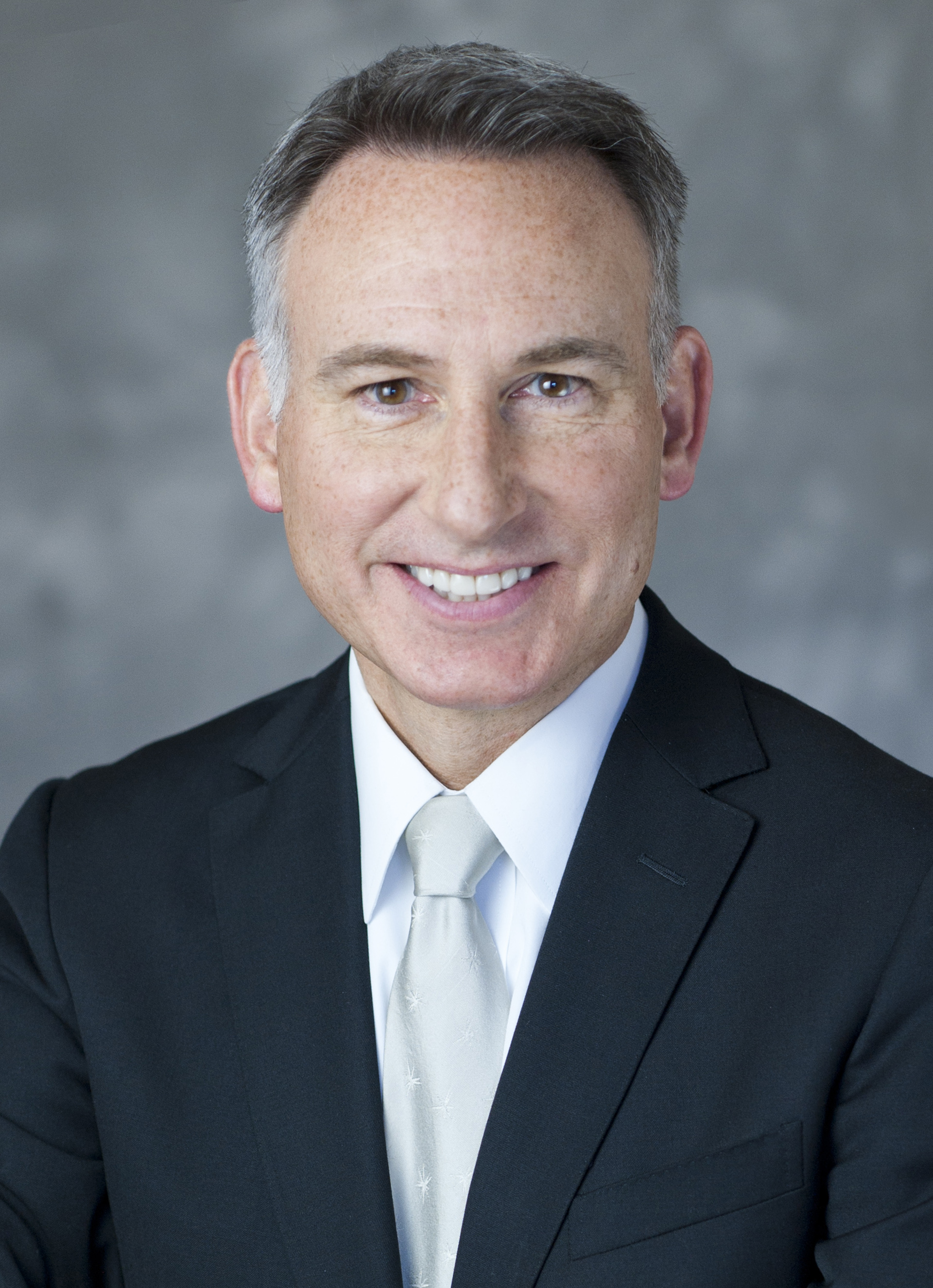
King County Executive Dow Constantine
Based on the latest vote count, it appears that voters have approved the Best Starts for Kids levy! We now have the opportunity to help put more children and youth in King County on a path toward lifelong success.
It’s a victory you helped make possible. Voters approve initiatives only if they believe we are effective stewards of taxpayer dollars. This vote is a reflection of the public trust we’ve earned, and it demonstrates that they appreciate the positive difference we make in people’s lives – and want us to do more.
We will apply the same outcome-focused, performance-based approach we’ve championed the past six years so that, when the levy expires in six years, we can continue to build on the public trust that provided us this opportunity.
Now, we have the chance to finally do what we’ve been talking about for years – invest in less expensive, more effective upstream solutions to some of our greatest challenges, such as mental illness, addiction, homelessness and incarceration. By working with community-based nonprofit organizations, we will expand access to prevention and early intervention services to deliver better outcomes.
I believe this will be another example of King County creating a successful, innovative model that is replicated in other metropolitan regions.
There are other jurisdictions in the United States that invest in early childhood development, most commonly preschool programs. What distinguishes our approach is that it invests throughout a child’s life to support healthy brain development, from before birth through age 24. It also invests in communities to ensure that the place where a child grows up reinforces progress.
I’m excited about what we will achieve by working together to turn science into action, and ensure that every child in our region reaches adulthood healthy and able to achieve his or her full potential in life.
Thank you for helping make this possible.
Sincerely,

Dow Constantine
King County Executive
Share this:

Goodbye mainframe, hello data

On Monday, November 2, King County IT shut down and turned off the aging King County mainframe (think extra-large refrigerator-sized, pre-PC computer), an important step in Executive Constantine’s goal of making King County a best-run government.
This was truly a historic occasion, and marked the final ‘go-live’ stage of a multi-year Mainframe Rehosting Project.
To give some context, a mainframe is not a machine built for everyday workload; it is designed to run big, complex jobs. King County’s mainframe was being used for large-volume critical business applications such as property tax payments and DAJD booking and referral transactions, yet it was running on 1970’s technology.

So what was accomplished? The project team moved 25+ million mainframe records to a modern platform and re-wrote the programs in a language that integrates with other system. They tested and retested to ensure that no data was lost, and rehosted it in the county’s virtual environment.
Now that the mainframe is off, KCIT has significantly reduced the risk of downtime and increased the ability to support new business requirements like data analytics. Better information means more options and transparency in decision-making.
Share this:

Open Enrollment is on Nov. 1 – 15

Open Enrollment for your 2016 King County benefits takes place Nov. 1 – 15. This is your opportunity to evaluate your benefit choices and select the right options for you and your family for next year.
Learn about your 2016 benefits
Your benefits package was designed with your continued health, financial security, and well-being in mind. Use the following resources to learn about your 2016 benefits—and what’s changing for next year:
- Open Enrollment mailer sent to your home
- King County Open Enrollment web page
- Recorded phone messages about important benefit topics: 1-800-347-8046
Share this:

Celebrating 10 years of helping youth with disabilities find jobs

 With more than 1,100 students served over 10 years, King County’s School-to-Work program has plenty of reasons to celebrate.
On October 12, 2015, as part of National Disability Employment Awareness month, the Department of Community and Human Services Developmental Disabilities Division celebrated 10 successful years of the program and 1,136 students served by hosting a gathering of partners and stakeholders at the Southcenter Double Tree.
“The School-to-Work Program helps youth with intellectual and developmental disabilities throughout King County seek and gain employment prior to exiting their high school transition programs,” Richard Wilson, School-to-Work Project/Program Manager, said. “With a 73% job start rate, and over half of all students who obtained employment still working, School-to-Work’s employment rate is nearly five times higher at graduation for students served versus those who did not enroll in the program.”
Share this:

Breaking down job barriers for people with disabilities

October is Disability Awareness Month and King County is celebrating the 25th anniversary of the Americans with Disabilities Act (ADA) and 25 years of hiring people with developmental disabilities into the work place.
In 1990, the King County Council created the Supported Employment Program in response to the issue of employment inequity for individuals with intellectual and developmental disabilities. The Supported Employment Program matches job seekers with developmental disabilities to jobs by identifying efficiencies and unmet needs throughout King County government.
One of those employees is Brooke, a mail clerk with King County Council, who has been with the County for 17 years. Brooke is featured in a new video produced by King County TV.
“I think we learn a lot from Brooke, not just about the administrative job but it’s a reminder to us that people with developmental disabilities have something to contribute, and having her working in an environment with the elected officials is really powerful because we see every day what people with developmental disabilities can accomplish and contribute,” Councilmember Dave Upthegrove said.
Employment is a key way to participate in the community and build wealth, skills, and self-confidence; unfortunately, individuals with disabilities continue to have many barriers to work opportunities and high unemployment rates.
“I think that all of us should have an opportunity to work and to be productive in society and be a part of society,” Brooke said.
Participating in the Supported Employment Program is a great way to change lives, create more inclusive workplaces and improve the employment statistics of people with disabilities. Contact Christina Davidson, the Supported Employment Program Manager, to start developing opportunities for job seekers with developmental disabilities.
Watch the video.






 Employee News