
Sheriff’s employees run to end domestic violence

On Saturday, July 18, members of King County Sheriff’s Office along with their friends and family, readied themselves on the starting line by Safeco Field. For the second year in a row, the Sheriff’s Office was represented at the Refuse to Abuse 5K.
An avid runner, Detective Jason Houck first heard of the race last year. Wanting to participate, Houck wondered if he could get any other Sheriff’s Office employees involved and sent out a department wide email in hopes of putting together a team. He received responses from all over King County, from non-runners to avid runners like himself. While the members had different reasons for joining, they all agreed on one thing.
“The race benefits a great cause,” Detective Houck said. “As law enforcement officers I think it is very important for us to participate.”

Share this:

Retired vehicles given life after VanPool with nonprofits
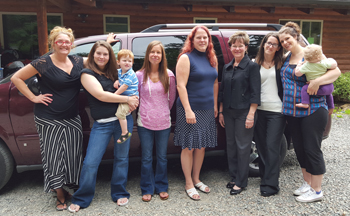
Councilmember Kathy Lambert with Mamma’s Hands Executive Director Amy Hardebeck
The dark blue King County Commuter VanPool Program vans are a familiar sight in our region. For some, the vehicles are a necessity for getting to and from work each day. But what happens once the vans have passed their useful economic life with the program?
Since 1996, VanPool has been working with Metro’s Accessible Services and King County Councilmembers to pair nonprofits, in need of vehicles to meet their transportation needs, with retired vanpool vehicles. If a nonprofit agency meets the criteria of having adequate insurance and the ability to cover the cost of maintenance, along with staff to operate and service the vans, VanPool provides the vans and Accessible Services works with the nonprofit agency and County Council staff members to finalize the process, said Syd Pawlowski, Supervisor of Rideshare Operations.
The vans average 85,000 to 95,000 miles and are eight to ten years old. They have been maintained throughout their life on a rigorous service schedule and have been well cared for by customers and employees.
Share this:

Helping King County’s animals, from lost dogs to injured horses

When our animal friends need a helping hand, who’s there to help them? King County TV recently rode along with employees from King County Animal Control Services as they responded to reports of injured or escaped animals.
“We are a relatively small unit,” Dr. Gene Mueller, manager of Regional Animal Services, said. “We are covering almost a thousand square miles and almost a million people in our jurisdiction.”
Animal Services covers all of unincorporated King County and 25 contract cities, and responds to anything from dog bites to animal cruelty complaints, Animal Control Sergeant Tim Anderson said. Each year, King County responds to over 300 calls and complaints.
When an officer responds to a call about an injured animal, they check not only the health of the animal and whether it has been treated, but also its living conditions.
Many of the calls Animal Control officers respond to are stray dog complaints. These calls range from a lost pet roaming a neighborhood and being a danger to itself and cars on the road, to collecting a lost pet from someone who found it.
“It’s never boring; we always have plenty to do,” Animal Control Officer Steve Nickelson said.
Watch the full video here.
Share this:

Five Questions with Nori Catabay, Green Building Team Program Manager, Department of Natural Resources & Parks
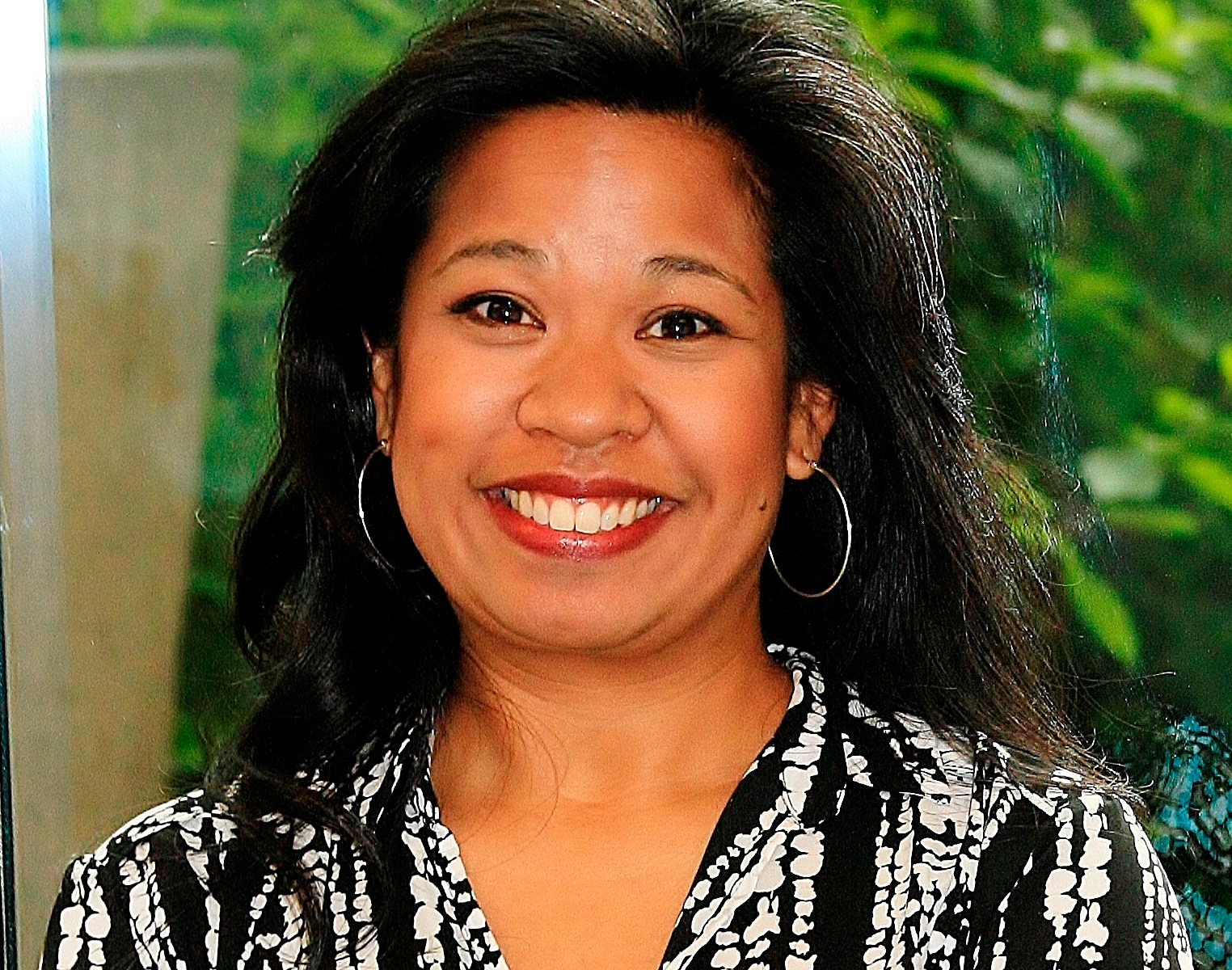
 1. What was your first role at King County? I started at King County in 2002 as the Senior Policy Analyst to King County Councilmember Carolyn Edmonds working on legislation related to Natural Resources and Parks and the Board of Health.
2. What does your work with the Green Building Team involve? As a service provided by the King County GreenTools Program funded by the Solid Waste Division, I coordinate King County’s internal Green Building Team which includes representatives from multiple departments that manage and operate capital assets, as well as have an impact on green building and sustainable development. We are responsible for implementing the County’s Green Building Ordinance which includes designing, constructing and operating our County assets with the latest green building and sustainable development practices. I provide green building technical assistance to County projects, review project’s annual green building reports, organize trainings to County staff, coordinate with other sustainability programs, create necessary tools to implement the policy requirements, collaborate across divisions to make process improvements, assist projects with green building rating systems, and promote County green building achievements.
Share this:

Kudos! DCHS employee named Outstanding Woman Veteran of the Year

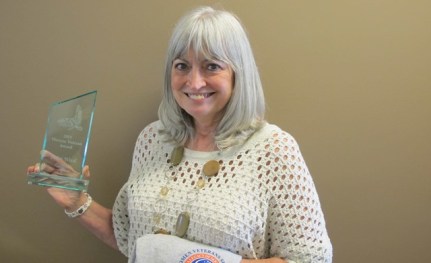 The Washington Department of Veterans Affair’s Women’s Advisory Board named King County employee, Debra Wood, its 2015 Outstanding Woman Veteran of the Year.
A Vietnam-era veteran, Debra received the award for her dedication and volunteer work as an advocate for veterans and their families with a focus on military sexual trauma survivors. Debra manages the administrative staff for King County Community Services Division in the Department of Community and Human Services.
While her work hours are filled with helping the community, her enthusiasm extends past work hours. In her free time, Debra helps veterans and their families navigate issues such as finding housing, filing disability claims, networking, finding gainful employment, and financial hardships.
Share this:

DCHS employee honored for veterans employment efforts

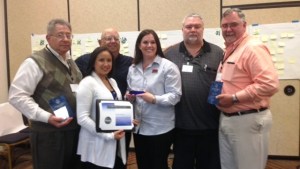 Rich Garmong, King County Veterans Business Outreach Coordinator with the Department of Community and Human Services (pictured far right), was honored by the International Association of Workforce Professionals (IAWP) for his work in helping returning veterans find new careers when they leave the military.
The “Group Service to Veterans Award” was presented to the South King County Veterans Team at the IAWP annual conference. In addition to Rich, the team includes staff members from the Washington State Employment Security Department in the Renton and Auburn WorkSource sites.
The team won the award for breaking down system barriers and forming a State/County partnership to provide comprehensive orientations to veterans in the WorkSource sites. This orientation includes helping veterans link to integrated and comprehensive services, including the King County Veterans Program. The team was particularly recognized for its excellent customer service.
Rich also helped put together the Veterans Career Expo at the Washington State Convention Center on July 16, 2015 where about 100 employers with jobs to fill came to meet and interview veterans and their spouses at the Veterans Career Expo.
The employers came from government, law enforcement, aerospace, manufacturing, retail, information technology and more. Hundreds of veterans and spouses were able to meet perspective employers and many got job interviews the same day.
Share this:

Volunteer policy helps parents give back to schools

One Tuesday in February, Jeff Switzer went back to school with his two sons as part of a King County program that allows employees to volunteer at local schools.
Dressed in a white t-shirt with the WATCH D.O.G.S logo on the front, he picked up his itinerary for the day from school officials and made his way to the cafeteria to help feed students on reduced priced meals.
Switzer, a Public Affairs Coordinator for King County Department of Transportation, was using one of his allowed school volunteer sick leave days. The code – School Volunteer Leave, section 14.5 in the King County Personnel Guidelines – allows employees to use up to three days of sick leave each year to volunteer at their children’s schools.
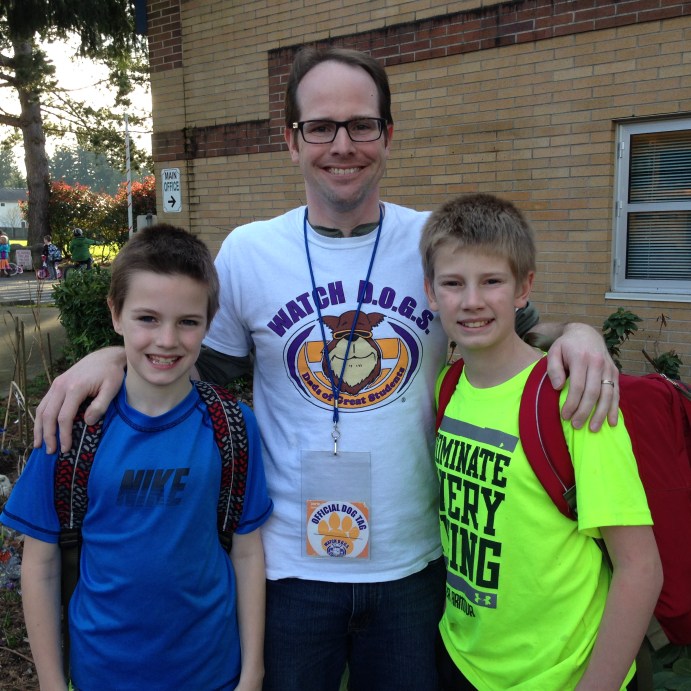
Jeff Switzer volunteering with WATCH D.O.G.S. at his boys’ school.
Share this:

Making Life Easier for employees and families


Pam Wyss, Employee Assistance Coordinator for King County
Everyone tries to keep work life and personal life separate. But what happens when personal life starts to affect work life? King County understands that sometimes personal life can subsume everything else, and when that happens the Making Life Easier program is there to help.
A free service offered to all King County employees and their dependents, MLE can help with personal counseling, financial and legal help, along with providing support with child, adult and elder care.
“No matter what the problem is, whether it is substance abuse, legal advice or advice on how to budget, Making Life Easier is there to help,” said Pam Wyss, Employee Assistance Coordinator for King County.
Share this:

Kudos! King County’s leading digital services earn national honor
 King County has been named one of the nation’s “Top 10 Digital Counties” in a 2015 survey conducted by the Center for Digital Government and the National Association of Counties. This is an honor King County has received in 10 of the past 11 years.
As a King County employee, you undoubtedly use technology to get your work done. The same is true for many of our 2 million residents, who are accessing and engaging with our services in exciting new ways. Throughout the County, technology is playing an increasingly important role in Executive Constantine’s work to build the best-run government in America.
King County Information Technology (KCIT) is working to ensure that our information-based services are cost-effective, easy to use, and relevant to the work we do. This includes an improved employee intranet and cutting-edge communications tools that are making it easier for employees to collaborate.
Share this:

Employees celebrate “Equity for All” at Pride Parade

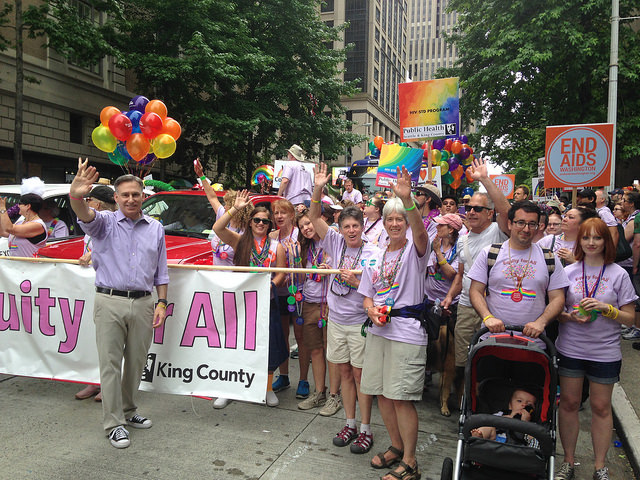
In the wake of a landmark Supreme Court ruling on marriage equality, more than 300 King County employees, along with their families and friends, joined together to march in the Seattle Pride Parade on June 28. Tens of thousands of people decked out in rainbow colors thronged Fourth Avenue in downtown Seattle to support the lesbian, gay, bisexual, and transgender (LGBT) community and celebrate the decision that legalized same-sex marriage in all 50 states.
The One King County group was one of the largest in this year’s parade, wearing bright “Equity for All” T-shirts. King County Executive Dow Constantine led the contingent, which also showcased the services that King County provides to residents such as marriage licensing. In 2012, King County issued licenses to nearly 700 couples in three days after voters approved marriage equality in that year’s election.
“One of my proudest moments was issuing the first marriage license to a same-sex couple in Washington state,” Executive Constantine said.






 Employee News