
“Dream big. Never stop trying and learning.”
by Manny Apostol, King County Sheriff’s Office
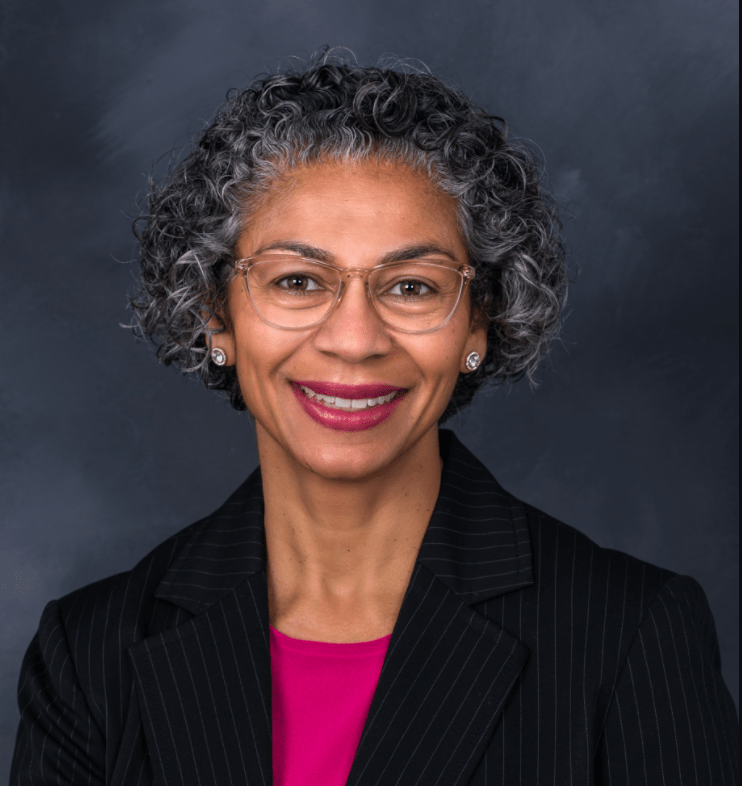
Patti Cole-Tindall, interim King County Sheriff, recently spoke to the graduating class of TRAC, which stands for Trades Related Apprenticeship Coaching. This program is a 16-week state-registered pre-apprentice opportunity that prepares incarcerated women for entry into an apprenticeship with the building trades industry.

Students shared heartfelt stories of their struggles and inspirations during the virtual graduation. One recent graduate told the audience as to why the program was so important to her: “If you want something you’ve never had before, you need to do something you’ve never done before.”
Sheriff Cole-Tindall offered words of advice to those who completed the program: “You have accomplished a great deal by being part of the TRAC program. You have an opportunity to be successful and make a difference in the world. Dream big. Never stop trying and learning. Embrace your failures, and know you can make different choices.”
As TRAC has many successful graduates working and thriving in our communities, this program illustrates the importance of partnership in enhancing public safety by positively impacting the lives of those incarcerated.
Share this:

Updated mask requirements for employees now in effect
New mask requirements for Executive branch employees came into effect March 12, with masks now optional for most employees with some important exceptions.
Masks are now optional in all settings, including public-facing spaces, except on public transportation and in congregate settings and health care facilities, such as detention facilities and public health clinics, where masks will continue to be required.
Employees who work in the following settings are still required to wear face masks due to the nature of their work and to comply with state and federal guidelines:
- Public transportation
- Correctional facilities
- Health care settings
- Long-term care facilities.
Employees still have the option to wear face masks, even when they are not required. King County supports and encourages any employee who chooses to wear a face mask at work if it makes them more comfortable.
Superior Court and District Court will continue requiring masking in court rooms and in areas where work is done with members of the public. In all other areas, masking is encouraged for Superior Court employees but not required. District Court will continue to require that all District Court employees wear masks in all areas while at work.
Please see the Temporary COVID-19 Personnel Policy for more information.
Share this:

Sheriff’s Office team effort shuts down fentanyl trafficking organization
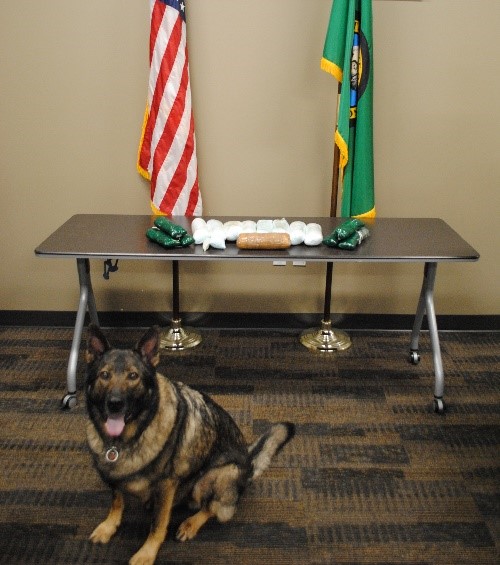
Over the past several months, the King County Sheriff’s Office Precinct 4 Special Emphasis Team (SET) has been conducting a long-term conspiracy investigation involving a fentanyl trafficking organization. This case is a great example of seamless collaboration to keep our communities safe.
The work originated in Burien and it spanned throughout the King County region. On March 2, 2022, the investigation took action when the Precinct 4 SET conducted an operation involving a series of warrants. They received assistance from several other teams in the region inlcuding the SeaTac SET, Shoreline SET, KCSO INTEL, SeaTac Criminal Intelligence Division (CID), Shoreline CID and Patrol, along with the Precinct 3 K9 unit and the Communication Center. This operation was a huge success, recovering drugs with a street value of over three-quarters of $1 million:
- 71,680 fentanyl pills seized (street value = $716,000)
- 1.5 pounds of heroin seized (street value= $60,000)
- $5750 cash seized
- 1 vehicle seized
Share this:

Disability awareness resources, recorded trainings from 2021, and planning ahead for 2022

National Disability Employment Awareness Month is celebrated every October by King County to honor the many contributions made by people with disabilities, and how these individuals strengthen our workforce, our communities, and our country.
This past year, the Disability Awareness Committee organized a wide series of articles and events to highlight these contributions, including:
Universal Design for Meetings, Events and Trainings: This event was hosted by the King County Department of Human Resources and featured Blayne Amson, City of Bellevue Americans with Disabilities Act and Title VI Program Administrator. Amson discussed his work applying the principles of Universal Design to meetings, trainings, and events. Blayne is a powerchair user, holds a Masters in Disability Studies, and has over 15 years of experience helping the non-disabled adopt an anti-ableist lens in the work they do. View the event online here.
Disability Awareness Month Employee Panel: This panel, titled “So I disclosed my disability, what’s next?”, featured employees with disabilities who shared their personal experiences of disability disclosure, perspective from a supervisor’s understanding, alongside a Disability Service representative who shared resources available to support employees with disabilities and the process of navigating accommodations. View the panel online here and learn more about the panel here.
Considering Accessibility on Capital Improvement Projects: This webinar featured King County’s Wastewater Treatment Division discussing how to better consider accessibility in projects to support project teams and our communities, a major priority as King County carries out major capital projects to build roads, stormwater and wastewater utilities, transportation facilities and more. View the webinar online here.
To get involved with organizing events and programs that celebrate the anniversary of the passing of the Americans with Disabilities Act of 1990, better known as the ADA, every year in July, and National Disability Employment Awareness Month in October, please contact Christina Davidson at Christina.Davidson@kingcounty.gov.
Additional King County Disability services, resources, and contact information
As employees of King County, our True North guides the work we do and the services we provide, “Making King County a welcoming community where every person can thrive.”
As an employer, King County offers the same commitment to those who bring that mission to life. Guided by the Americans with Disabilities Act (ADA) and our pledge to equity and social justice, King County provides an array of services and support for employees with disabilities.
Click here to see the full list of resources.
Share this:

County leaders wants to hear from you through the 2022 Employee Survey

King County leaders want to hear from you about what is going well and where we need to improve. The 2022 Employee Engagement Survey is your opportunity to speak up, be heard, and make a difference.
The survey is available in six languages this year: English, Spanish, Vietnamese, Chinese (traditional and simplified), Amharic, and Somali.
King County Executive Dow Constantine, King County Council Chair Claudia Balducci, Assessor John Wilson, Elections Director Julie Wise, and Interim King County Sheriff Patti Cole-Tindall shared why participating in the Employee Engagement Survey is so important in the short video below.
Watch the video and click here to learn more. For additional information visit www.kingcounty.gov/employeesurvey.
Share this:

Changes to mask requirements coming March 12

King County’s current mask requirements for Executive branch employees remain in place through March 11, but changes are coming March 12 that employees need to know about.

Through March 11:
- Employees must wear a mask in indoor settings and enclosed spaces that are accessible to the public. This applies to all King County buildings, facilities, and structures that the public can enter, including public lobby and meeting spaces, public indoor recreation spaces, public service counters, and similar spaces open to the public.
- Masks are not required in areas that are not accessible to the public or when working outdoors, because all employees are fully vaccinated or otherwise accommodated as required by county policy.
- Masks remain required on public transportation and in congregate settings and health care facilities, including detention facilities and public health clinics.
Starting March 12:
- Masks will be optional in all settings, including public-facing spaces, except on public transportation and in congregate settings and health care facilities, such as detention facilities and public health clinics, where masks will continue to be required.
This means that, beginning March 12, most King County employees will no longer be required to wear face masks while working indoors, even in public-facing spaces. There are exceptions. Employees who work in these settings are still required to wear face masks due to the nature of their work and to comply with state and federal guidelines:
- Public transportation
- Correctional facilities
- Health care settings
- Long-term care facilities.
Employees still have the option to wear face masks, even when they are not required. King County supports and encourages any employee who chooses to wear a face mask at work if it makes them more comfortable.
Superior Court and District Court will continue requiring masking in court rooms and in areas where work is done with members of the public. In all other areas, masking is encouraged for Superior Court employees but not required. District Court will continue to require that all District Court employees wear masks in all areas while at work.
Please see the Temporary COVID-19 Personnel Policy for more information.
Share this:

Supporting the people affected by the war in Ukraine
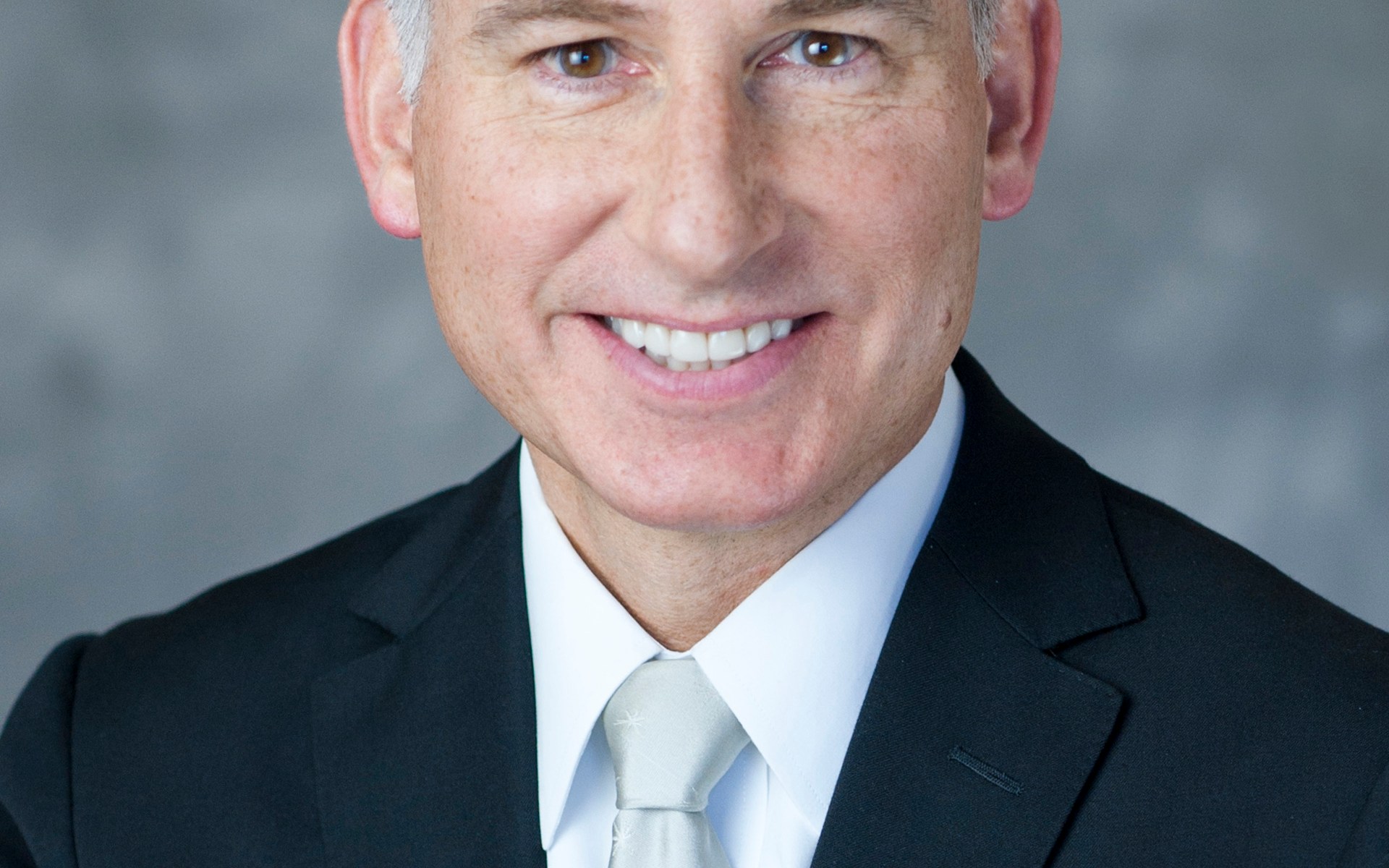
Dear fellow King County employee,
We are all shocked and outraged by Russian President Vladimir Putin’s brutal invasion of Ukraine. Each day we’re seeing the devastating impacts of this decision: the senseless loss of life, bombardment of civilians, destruction of communities, families torn apart and forced to flee the violence, and the uprooting of more than a million people from their homes and homeland. We’re also seeing the bravery of the Ukrainian people, standing up to this dictator, fighting for their country, and fighting for the future of democracy in Europe and around the world.
King County is home to a large Ukrainian community, and on behalf of all our employees and residents I want to share our support during this dark time. We will help however we can and stand against authoritarian aggression.
Many King County employees have reached out to ask how we can help. One way is by making donations to organizations that are providing humanitarian aid and support for the people impacted by the invasion.
Yesterday I signed an authorization that will allow King County employees to convert accrued vacation leave and/or earned compensatory time – a minimum of four hours to a maximum of 40 hours – into cash donations to one or all of these organizations:
- Global Impact – Ukraine Response Fund #3500
- Médecins Sans Frontieres / Doctors Without Borders #4172
- Ukrainian Community Center of Washington #9385
In addition to leave and compensatory time, one-time payroll donations, cash donations by e-check or credit card are also accepted. Prosecuting Attorney’s Office employees can donate by one-time payroll donations, e-check or credit card, but may not donate leave or compensatory time.
This special campaign will be open for the next 21 days, through 5 p.m. March 28. Please use this form to contribute and find answers to your questions here.
The images we are witnessing in the media from this attack are heartbreaking and emotionally wrenching. If you would like to speak with someone about how this event makes you feel, you can access two free services that offer professional support and advice: the Employee Assistance Program and Making Life Easier (username King County). Both resources are free and confidential.
Thank you for your generosity in all you do.
Sincerely,

Dow Constantine (he/him/his)
King County Executive
Share this:

Clean Water Plan building partnerships with community-based organizations

The Clean Water Plan has partnered with eight community-based organizations (CBOs) to understand the needs and interests of historically underrepresented communities in planning for our region’s clean water future.
Why partner with CBOs? King County Wastewater Treatment Division recognizes that community-based organizations are trusted advocates and are experts on the best ways to engage historically underrepresented populations. The Clean Water Plan will guide King County’s investments in our regional wastewater system for the next 40 years, so hearing from diverse communities is important. Click here to read more about this essential program.
Share this:

Vets 4 HIRE fellowship program creates savings and opportunities

The Vets 4 HIRE Program provides hiring managers a supplement to their budget by placing a military veteran in a temporary fellowship assignment using funds from the Veterans, Seniors & Human Services Levy.
It also gives veterans an opportunity to provide their skills and unique experience while filling a need within King County. As this video illustrates, it often leads to a full-time hire of a well-qualified individual who knows the meaning of duty and commitment.
For more information, managers can reach out to their human resources representative or contact Vets 4 HIRE Program Manager Susan Navetski.
Share this:

Dr. Ben Danielson answers parents’ questions about vaccines for kids

Crossposted from Public Health Insider
Are you still hesitant to get the COVID-19 vaccine for your child? Maybe you have some questions or concerns that still haven’t been answered.
Beloved local pediatrician Dr. Ben Danielson is here to help! In these videos, he answers some common questions from parents about the vaccines for kids, including: Read more.
Is the vaccine safe for kids? Are there long-term effects?






 Employee News