
Advice from EAP during Mental Health Month: Filling our self-compassion tanks

The coronavirus pandemic is challenging professionally and personally for all of us. Perhaps you’re frustrated with yourself because you’re struggling with computer technology or having difficulty learning new job skills. Or, if you’re a parent, perhaps you’re questioning your ability as you struggle to balance your child’s online and recreation schedule.
Self-compassion is a practice that can help reduce anxiety and lessen the critical thoughts we have about ourselves. Self-compassion means we hold compassion for our fear, we recognize how difficult this time is, and we do our best to be warm and caring toward ourselves.
It can be difficult to access self-compassion if we find ourselves in a constant loop of self-criticism or not feeling we are good enough. Some immediate first aid is needed to quiet the critical voice. Here are some tips to move from being self-critical to self-compassionate:
- Hand on heart: Place your hand on your heart and close your eyes. Breathe in and out. On the out breath, affirm yourself with a statement like, “I am doing the best I can. I am moving through this difficult experience.”
- Give yourself permission to be imperfect: Self-compassion is about giving ourselves room to be human. Because of the pandemic, all of us are stumbling towards a new normal and that journey is hard. Try writing yourself a ‘permission slip’ when you make a mistake, such as “you have permission to not be a perfect parent.” Notice how it feels to extend that act of kindness to yourself. It really works!
- Write yourself a love letter: If you notice that your negative self-talk is particularly strong on a given day, get out some paper and write down some good qualities about yourself. If you have a hard time with that, write down the good things others have said about you.
- Comfort your body: Eat something healthy. Lie down and take a nap. Take a walk. Give yourself a big hug! Anything you can do to improve how you feel physically gives you a big dose of self-compassion.
Self-compassion is learned slowly for those of us wired to be self-critical when we make a mistake. The fruit of self-compassion is learning to begin to hold our struggles and ourselves in a loving embrace, just as we are, one moment at a time. In honor of Mental Health Month, what is one thing you will do to show yourself some self-compassion today?
If you are struggling, know that there are counselors available 24/7 through Making Life Easier (1-888-874-7290) and our Employee Assistance Program (EAP). Staff are available by phone at 206-263-8733 or via email at HRDEAP@kingcounty.gov. We are here for you. Contact us anytime.
Share this:

Employees deploy to Shoreline site through Emergency Deployment Program

The coronavirus has prompted employees to support King County’s effort to stop the virus by participating in the Emergency Deployment Program. The program fills emergency-related roles through temporary assignments at multiple locations throughout the County, including roughly 20 Isolation/Quarantine (I/Q) and Assessment/Recovery (AC/RC) sites.
To learn more about this important work, and the employees who have stepped forward to be a part of it, we interviewed three employees at the Shoreline Assessment and Recovery site: Chris Castleman, Anna Hughes, and Spencer Hensley. They each came on board early on in the County’s COVID-19 efforts.

Pictured: Christ Castleman and his wife.
Chris temporarily joined the team from his previous role in the Solid Waste Division at the Department of Natural Resources and Parks. He has been with the County since 2017, and last year became a Wastewater Operator at the Cedar Hills Landfill. He received an email that asked veterans to consider being a part of the COVID-19 response. After speaking with his supervisor, he applied for the Site Manager position. Within a week he received a phone call to check if he was able to report to the Shoreline site, and the following week he attended orientation.
He sees the impact this work is having, and also notes how the program is set up to help employees succeed.
“Thankfully, our patient count has remained low,” Chris said. “The wealth of information gathered from developing this site will be beneficial in handling conflicts and disruptions in the future.”
“It is a very safe environment,” he added.” King County has made this program work without people being forced outside their comfort zone.”

Pictured: Anna Hughes
Anna previously worked in the Department of Community and Health Services (DCHS) as an Evaluator for the Veterans, Seniors, and Human Services Levy. She has been with King County since December 2019. Anna initially volunteered to spend a day sorting supplies at one of the Isolation/Quarantine sites, but felt that she would like to get more involved. When the opportunity came up to work at on the Operations Team at the Shoreline AC/RC site, she applied and was at the site a day or two later for orientation.
Providing locations for the public to recover is essential and allows Anna to support King County’s response in a way that is meaningful for her.
“I think it’s incredibly important for individuals who are unable to quarantine or recover in isolation to have a safe space where they can do that with supportive nursing and behavioral health care,” she said.
“While I’m not working directly with affected individuals, I see the operations role as one that supports the entire system, so that the clinical staff have what they need to provide care to the folks who come through the AC/RC.”

Pictured: Spencer Hensley
Spencer has been with King County since August 2019. He also regularly worked as an Evaluator within DCHS, with the Performance Measurement and Evaluation Division. Here he helped evaluate behavioral health programs funded by the Mental Illness and Drug Dependency (MIDD) Behavioral Health Sales Tax. Spencer responded to an email sent by his unit chief, asking if people would consider redeployment. He agreed not knowing exactly what his role would be, but later that day was told to report to the new Shoreline AC/RC.
Spencer explains how the Shoreline AC/RC site is part of a multipart strategy the County has developed to combat COVID-19.
“The site is part of a suite of strategies that both addresses the overall public health goal of ‘flattening the curve’ and keeps our entire community healthy, but which also provides relief for many of our most vulnerable neighbors,” he said. “For someone without a home, we provide a safe place where they can focus on recovery, while also protecting others from the spread of COVID-19.”
He also adds how the specific work he, and others, are doing fits into the County’s overall plan.
“I’m on the ‘operations’ team at the Shoreline AC/RC which means that we help facilitate communication between the various groups of people on-site, make and receive deliveries to the site, solve problems, and create processes. It’s often fast-paced, and can be stressful, but it’s also fun. Every day is new, and we’re forced to learn a lot.”
Through the Emergency Deployment Program, employees can play a significant role in the fight against coronavirus, knowing that King County supports them. The work can be challenging, but it is rewarding for employees like Chris, Anna, and Spencer, who can tell their efforts are making a real difference.
“Flexibility, a desire to jump in to do whatever and whenever is needed, and a sense of humor will go a long way in this role,” Anna said. “It’s been a great learning experience, though one that requires sometimes long hours, evenings and weekends as we are staffed 24/7.”
“The reason I signed up is first because I was lucky enough to be able to. Not all King County employees will be in that same boat,” said Spencer. “I also wanted to be able to participate more actively in a solution. I wanted to go out and contribute.”
For more details and to complete the application for the Emergency Deployment Program visit www.kingcounty.gov/emergency-deployment. To learn more about the locations for isolation and quarantine, developed through a partnership with local organizations in response to COVID-19, visit the DCHS Isolation/Quarantine and Assessment/Recovery Facilities webpage.
Share this:

Mental Health Month week two: Creating healthy routines

 For the second week of Mental Health Month, Balanced You is focusing on the topic “creating healthy routines.” Many of our routines including nutrition, physical activity, social connection, and rest have been upended by the pandemic. Maintaining our old routines may be impossible, due to new work schedules, social distancing rules, or stress levels. As we settle into this new normal, it is important that we develop new, sustainable routines in order to support our physical and mental health.
Routines we develop during the pandemic may not be as ambitious as our pre-pandemic routines, and that is okay. Be gentle with yourself. Every day take one or two steps toward healthy routines. These steps and the routines they create will help you maintain health and resiliency as you continue to respond to the coronavirus, professionally and personally.
Visit the Balanced You blog for more information on healthy routines, including a tool to help you plan yours and resources available to support you and your loved ones.
Share this:

Upcoming employee learning opportunity: The Get Better Mindset, May 13

This live event on KC eLearning will cover building resilience in the face of change and challenge – and how to benefit from a “Get Better” mindset. Topics include increasing risk appetite for personal growth and being less afraid of failure. This webcast features Dr. Heidi Grant of the Neuroleadership Institute.
- Wednesday, May 13, from noon to 1 p.m. Join here.
For questions or more information contact KC Learning at KCTraining@kingcounty.gov.
Share this:

Need support so you can isolate or quarantine? We’re here to help.
 Crossposted from Public Health Insider
When someone has symptoms of COVID-19, they need to stay away from others by isolating themselves, even from people who live with them. That’s not always possible for those who live with many family members or with young children, or if their home isn’t set up so that the person who is sick can have a separate bedroom and bathroom.
It can also be hard to isolate or quarantine for people who live alone or who do all of the errands and shopping for the household. And sometimes people live with family members or housemates who are at high risk for severe illness and possible death from COVID-19 and are worried about any potential exposure.
For all of these situations, King County has safe, clean, and comfortable places to stay for anyone who can’t safely self-quarantine or isolate in their own homes. Some additional services may be available for people who may need help with basic needs, like getting food, so that they can stay at home.
Read more from Public Health Insider
Share this:

Helping meet the need for supplies during pandemic
Crossposted from KC Emergency News
Did you know there are more than 1,400 long term care facilities in King County? These include skilled nursing facilities (nursing homes), adult family homes, and assisted living and supported living facilities that provide care for older adults and people with disabilities who need help with activities of daily living.
“People who live in long term care facilities are at high risk for COVID-19. Many are over age 60 or have underlying health conditions. They are often sharing a bedroom or bathroom and it is challenging to follow social distancing protocols,” said Ingrid Ulrey, COVID-19- Chief, LTCF Response, and Policy Director, Public Health – Seattle & King County.
A skilled nursing facility in Kirkland was “ground zero” for the U.S. COVID-19 outbreak. Along with hospitals, fire departments and other first responders, long term care facilities were hit hard when COVID-19 began in our region. Due to the massive demand and lack of supply, they were unable to get needed personal protective equipment (PPE) such as masks, gloves, and gowns, and other supplies like disinfecting wipes and hand sanitizer.
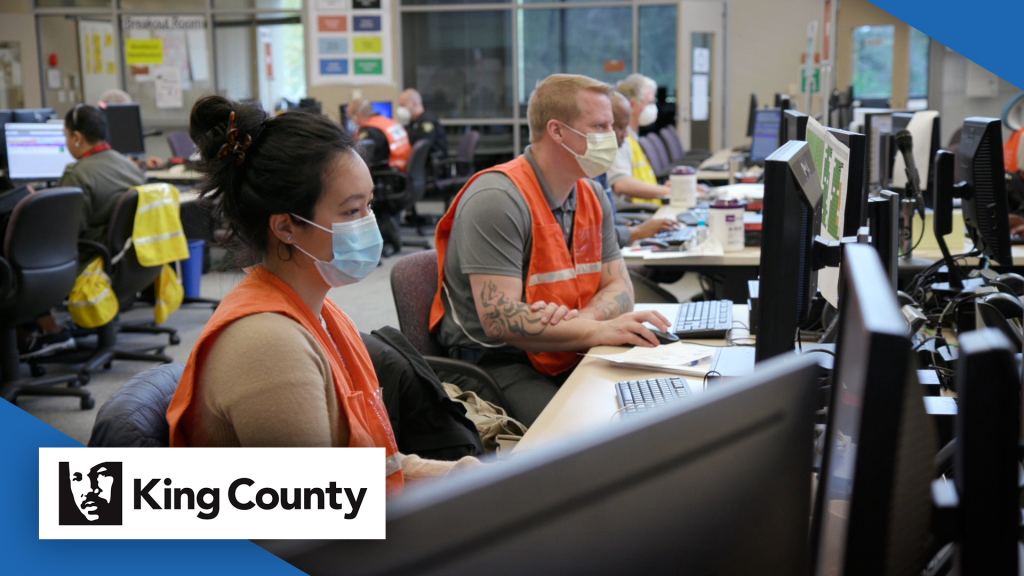
King County activated its Emergency Operations Center (EOC) on Feb. 28 and sprang into action. One of its key roles in the pandemic is to support Public Health – Seattle & King County by coordinating resource management. The Emergency Operations Center is helping address the scarcity of personal protective equipment during the pandemic. Learn more in this short video.
Read more from KC Emergency News
Share this:

Mental Health Month webinar: A Conversation on Self-Care, May 14

According to Psych Central, “self-care is any activity that we do deliberately in order to take care of our mental, emotional, and physical health. Although it’s a simple concept in theory, it’s something we very often overlook. Good self-care is key to improved mood and reduced anxiety. It’s also key to a good relationship with oneself and others.”
The COVID-19 pandemic is affecting everyone’s mental health in unique ways. Now, more than ever, self-care and connection are needed. In recognition of Mental Health Month, join Shawna Johnson, Balanced You Employee Health Specialist, and Heather Steffensen, Interim Employee Assistance Program Manager, for A Conversation on Self-Care. This live, interactive webinar will cover self-care strategies, techniques and tools to reduce stress and anxiety, and benefits and resources available to support King County employees’ mental health.
- Thursday, May 14, 2020 from 9-10 a.m., register here.
For questions or more information contact Balanced You at BalancedYou@kingcounty.gov.
Share this:

King County mental health resources during COVID-19

King County is sending a mailing to all employees’ homes next week that highlights the mental health benefits and resources available to employees and families during the COVID-19 pandemic.
Highlighted services include how to access mental health counseling remotely via telehealth, how to get support via the Employee Assistance Program and Making Life Easier, and Balanced You and community programs and resources that support mental health.
Please look for the mailer at home next week, and remember you can always get mental health resources information online via the Mental Health Resource Guide, the Balanced You website, and the King County Benefits website.
Share this:

Tips for staying safe outdoors as more recreation lands reopen

King County Parks is reopening parks and trails on May 8 following a six-week closure in support of Gov. Jay Inslee’s Stay Home, Stay Healthy order to help flatten the curve of COVID-19 transmissions through the state.
Outdoor recreation is a great idea but we absolutely need to continue to take precautions to prevent bringing COVID-19 back home with us. Everyone must practice safe distancing and good hand hygiene whether indoors or out because lives depend on it,” said Dr. Jeff Duchin, Health Officer for Public Health – Seattle & King County. “Where parks and trails are experiencing overcrowding and where safe distancing is not occurring, we will need to recommend re-closing those facilities to prevent the spread of infection.”
As part of reopening more than 28,000 acres of parks and open space, 175 miles of regional trails and 215 miles of backcountry trails, King County is offering tips for staying healthy while enjoying the outdoors:
Read more in the official press release.
Share this:

Executive recognizes Public Health Director Patty Hayes for receiving top award for University of Washington alumni
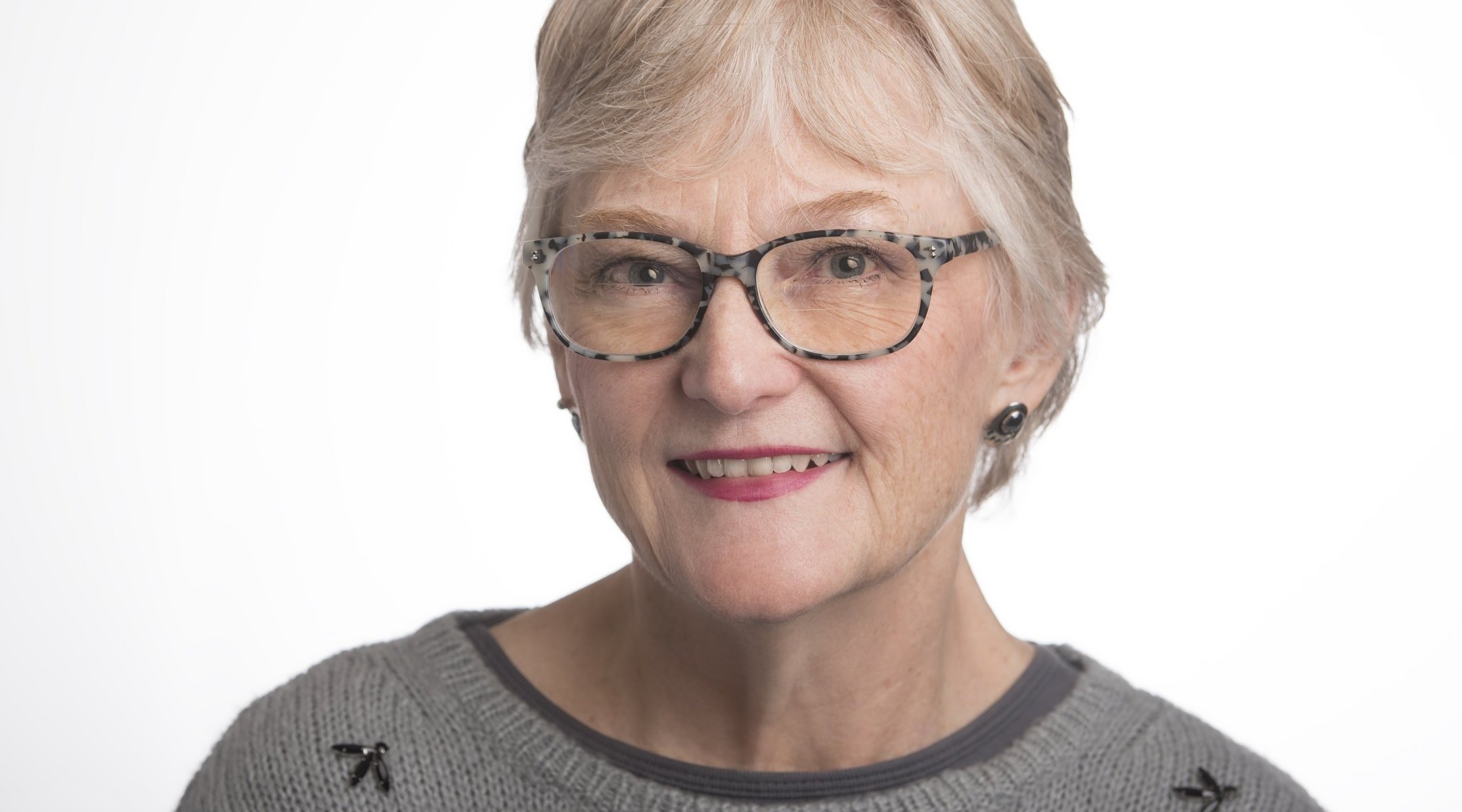
 King County Executive Dow Constantine lauded Public Health — Seattle & King County Director Patty Hayes for receiving the prestigious University of Washington Alumnus Summa Laude Dignatus Award. The award is presented annually by the UW and the UW Alumni Association and is the highest honor the University bestows on a UW graduate.
Educated as a nurse, with both a baccalaureate degree and master’s degrees from the University of Washington School of Nursing, Hayes leads one of the largest and most respected metropolitan health departments in the country, which is currently at the forefront of the nation’s COVID-19 response.
“Patty’s leadership in responding to this historic crisis is the culmination of a career dedicated to caring for and lifting up our entire community, especially those facing the greatest health challenges,” said King County Executive Dow Constantine. “Patty is an outstanding University of Washington alumnus and public servant, and at this pivotal time there could not be a more deserving recipient of this award.”
Read more in the official press release.






 Employee News