
Slowing the flow to keep local waterways clean

Most people don’t think about what happens to what they flush or the sewer systems it flows into, unless things back up and cause a problem. But for King County’s Wastewater Treatment Division (WTD) employees, part of their jobs is to think about everyone’s sewage.
 In King County’s regional sewer system, everything that goes down the drains from homes and business ends up at a few regional treatment plants that clean all of our water.
However, in the oldest parts of our regional system, pipes were designed to carry a mix of rain and sewage on rainy days, said Erika Peterson, community relations lead.
During heavy rainfall common to western Washington, these “combined sewers” can be overwhelmed with large water flows. Rather than backing up into streets and private property, the combined sewer pipes were designed to overflow at specific points where they flow into the area’s waterways, Program Lead John Phillips said.
Share this:

Show your Pride this weekend

 On Sunday, June 28, King County employees, along with their family and friends, will be marching together for the first time ever in the annual Seattle LGBT Pride Parade.
Led by King County Executive Dow Constantine, employees from across the County will take part in the parade in support of the “Equity for All – One King County” theme.
“I invite you, your family, and friends to join me and hundreds of fellow King County employees from across our divisions, departments, and branches of government to march as One King County in the 40th annual Pride Parade,” Executive Constantine said. “I hope you will be able to join in the festivities to demonstrate King County’s strong and ongoing support.”
Participation is free and voluntary, and is assured to be plenty of fun.
The parade will take place from 11 a.m. to 1 p.m. along 4th Avenue in downtown Seattle. Line up for the parade no later than 10:30 a.m. on Fourth Avenue between Union and Seneca. There will be “Equality for All” t-shirts in adult sizes available to the first 200 employees and family members. For participants unable to get a t-shirt, they are encouraged to wear other King County logo gear or a colorful t-shirt.
For more information, contact your department’s Pride representative.
Share this:

Five Questions with Elizabeth Berris, Attorney-Guardian Ad Litem, Superior Court
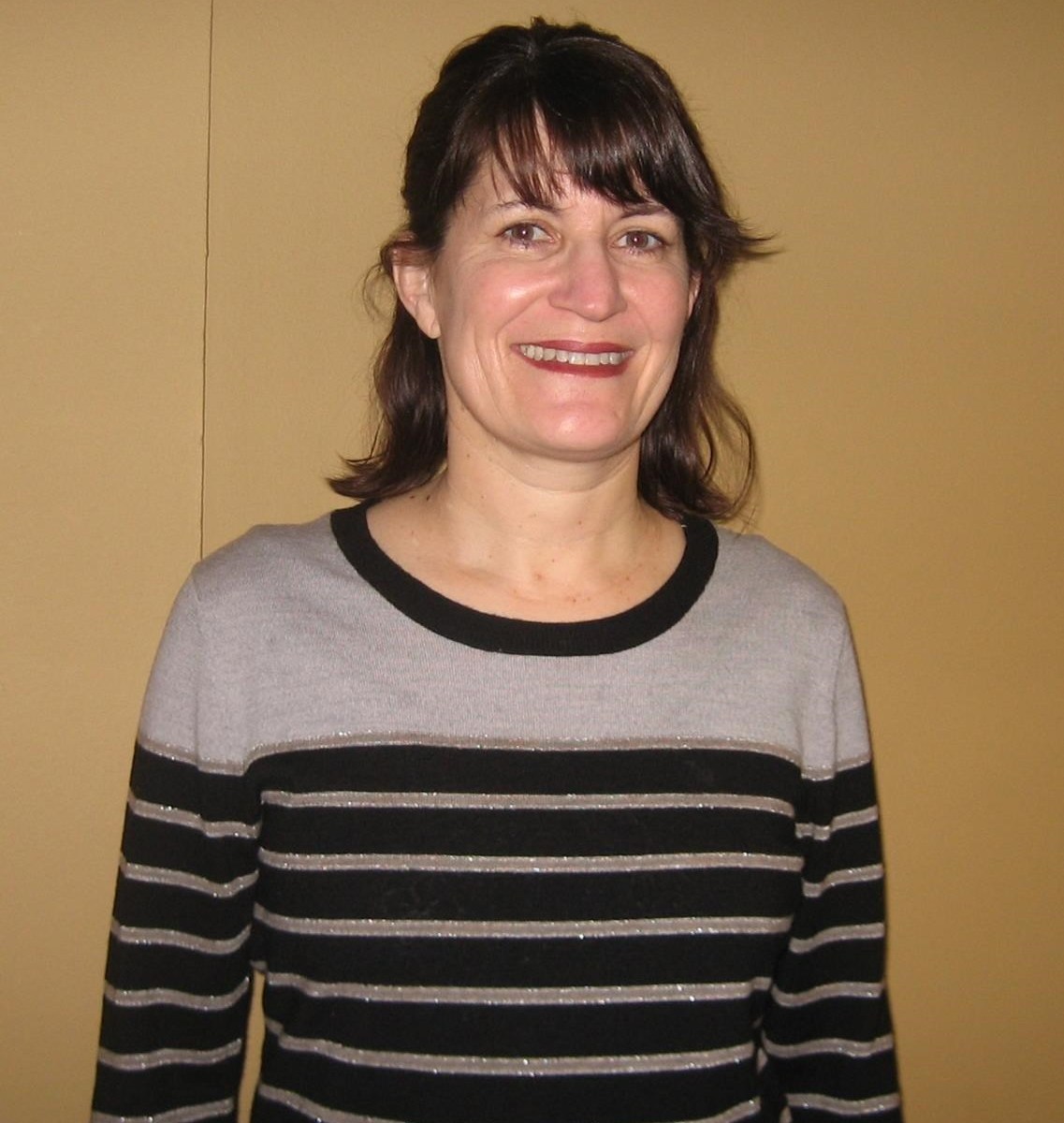
 1. What is your role with King County? I am an Attorney-Guardian Ad Litem with the King County Superior Court Dependency CASA (Court Appointed Special Advocate) program. I complete independent investigations and advocacy for the children’s best interests in cases where parents have been accused by Child Protective Services of abusing or neglecting them.
2. What is a typical day like for you? I am always on the go! I drive all over the county and beyond to meet with children, their parents, their caretakers, and then also to attend court hearings on my caseload in all three Superior Court locations. For instance, tomorrow my day will start out visiting a 3-year-old boy in Puyallup at his relative caretaker’s home. Next, I’ll go to a day care center in Tacoma to observe a 4-year-old child and then head off to an elementary school in Federal Way to meet with a 9- and an 11-year-old and their respective teachers. When those interviews are finished, I’ll need to meet a father at his new home in Kent, then to Department of Social and Health Services for a family team decision-making meeting, and I will finish my day by attending a child’s Individualized Education Program (meeting at an elementary school in the White Center neighborhood).
Share this:

Building a cleaner future with help of fourth grade class

When Doug Marsano heard that a fourth grade class was reaching out to King County proposing a plan to clean up the Duwamish River, he instantly wanted to be involved. Contacting the teacher and Susan Tallarico, Director of the Brightwater Education Center, they organized a plan.
“It was the perfect partnership,” Tallarico said. “We get to work with kids to enhance their learning and build their interest in conservation that will hopefully continue as they become adults.”
Marsano, a Water Quality Planner with King County’s Wastewater Treatment Division, said that WTD and King County are always looking for ways to provide information in the most appropriate way. Sometimes, the best way is to teach kids, he said.

Susan Tallarico, Director of the Brightwater Education Center, working with the fourth graders.
Share this:

Walk in the Shoes of a County Employee – Jacquie Hermer, Public Health Nurse
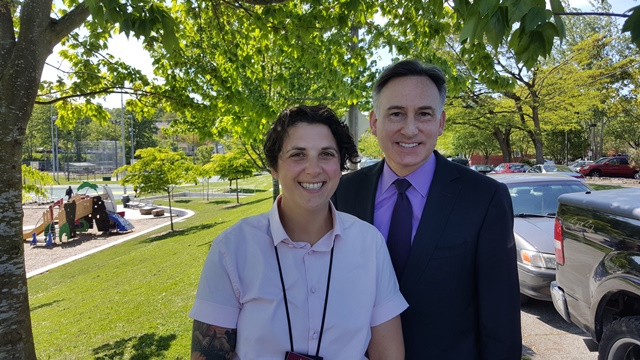
For my most recent Walk in the Shoes of a County Employee, I visited Jacquie Hermer, a Registered Nurse in Public Health – Seattle & King County’s Nurse Family Partnership Program (NFP).
The program pairs young, low-income, first-time moms with registered nurses from pregnancy through the critical first 24 months of a child’s life. That collaboration helps transform the lives of the mothers and their children, providing support and parenting guidance for a healthy pregnancy, and the best possible start in life for the baby.
This program aligns with two important areas of focus for me: Equity and Social Justice (ESJ) and Best Starts for Kids. Both will support greater equity in our county, so I was very excited to see the program’s work first-hand.

Our day started at Columbia City Center for Health, where I met with the clinic field staff and interpreters. This location is where Public Health – Seattle & King County works through a partnership with NeighborCare, and it seems to be going well, with customer-centered collaboration and processes.
The interpreting staff explained their work and how they deliver services to our clients with Limited English Proficiency (LEP). Many clients speak languages other than English at home. This reflects demographic changes happening across King County, where recent data shows nearly one in five residents speak languages other than English.
Share this:

Bus driver is also a professional French-hornist

You wouldn’t think that being a bus driver and orchestral musician necessarily go hand-in-hand, but a new Metro Transit recruitment campaign is highlighting what’s different about its jobs by highlighting what’s different about its drivers.
The new recruitment campaign highlights the pay and flexibility of driving part time for Metro, while unmasking the secret identities of its drivers. The videos focus on these drivers, allowing them to tell their story and why they are proud to be King County Metro bus drivers.
In this installment of the campaign, a video called Metro Secret Identity: the Musician spotlights Carey, a part-time driver. After work, Carey is a professional orchestral French-hornist.
“The city is a symphony and reading the road is like reading music. You need to be watching and listening and keeping a steady motion. It kind of makes driving a bus an art form.”
Watch the video here or learn more about driving for Metro here.
Share this:

Five Questions with Jameelah Cage, Training Coordinator, Department of Adult & Juvenile Detention
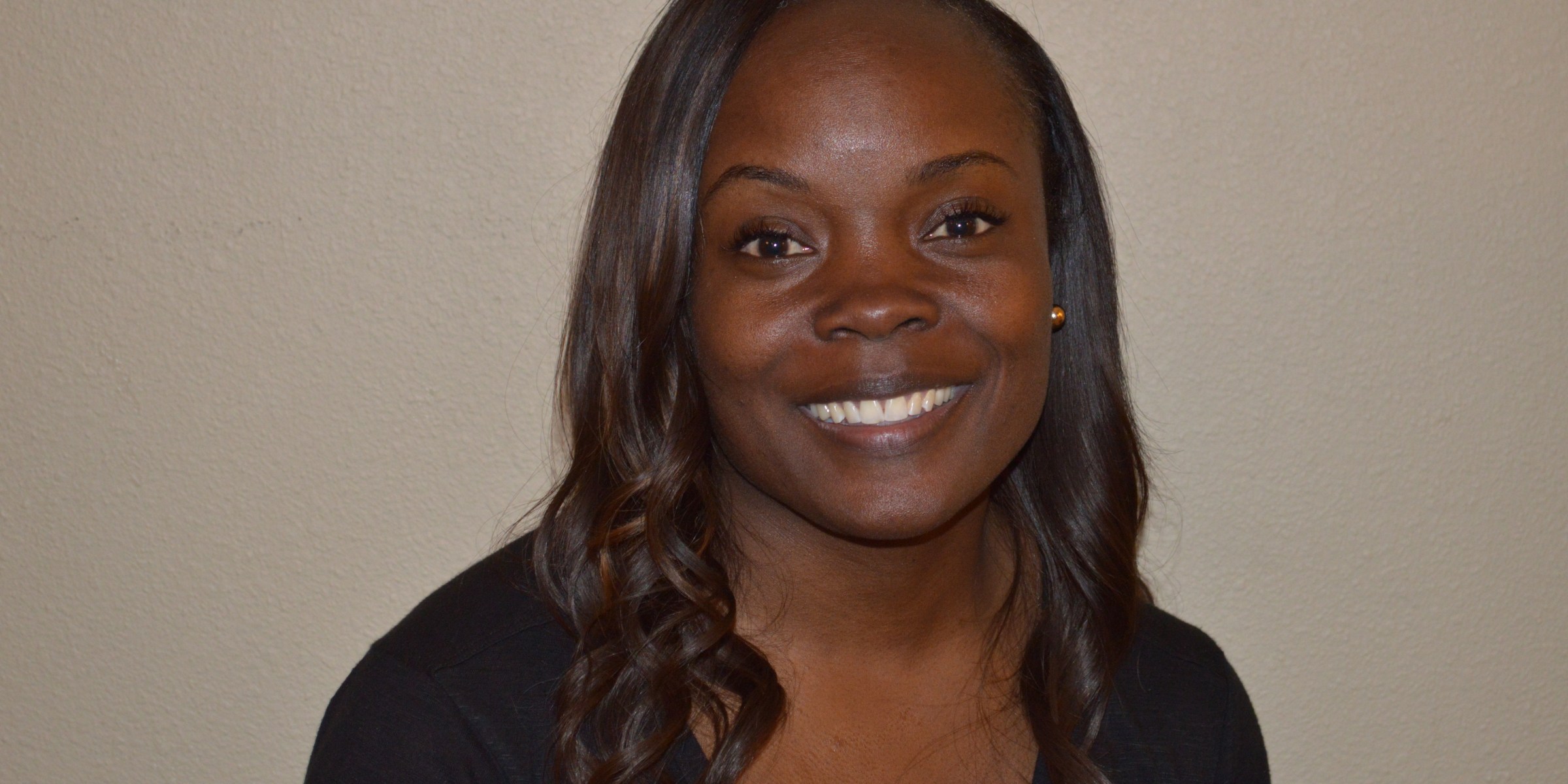
 1. What was your first role at King County? I started my career with King County Department of Adult & Juvenile Detention close to 15 years ago as a Juvenile Detention Officer.
2. What does your work as DAJD Training Coordinator involve? As the Training Coordinator, I am responsible for scheduling, conducting, monitoring, evaluating and coordinating trainings for employees within the Department of Adult & Juvenile Detention, specifically the Juvenile Division. Within this position it is important that I research and fully understand national standards and best practices in the field of corrections to create training curriculums that will allow our employees to be properly trained in their areas of expertise.
3. What do you like most about your job? What I like most about my job is the opportunity to provide information to employees that will increase their knowledge base, and provide information to them that will allow for growth. I also love the atmosphere, and my coworkers!
Share this:

DCHS-funded August Wilson Place opens in Bellevue
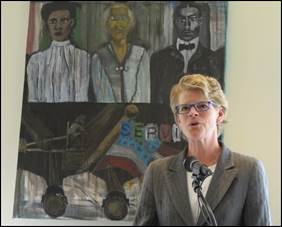
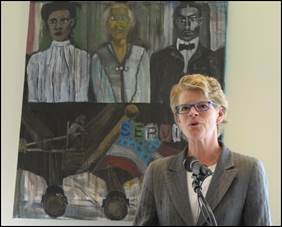
Adrienne Quinn, Director of the Department of Community and Human Services, speaking at the opening of August Wilson Place
August Wilson Place, named for the renowned playwright, officially opened its doors on May 26 at a grand opening celebration on the site in Bellevue.
The project has a total of 57 units of housing, including 16 units set aside for individuals and families exiting homelessness. Eight are set aside for veterans and three will house families with a child with a developmental disability, thanks to a capital contribution from DCHS’ Developmental Disabilities Division.
Adrienne Quinn, Director of the Department of Community and Human Services, joined members of Wilson’s family at the dedication, along with Bellevue Mayor Claudia Balducci and other community leaders.
Share this:

Five Questions with Karl Zimmer, Assistant Plant Manager, Wastewater Treatment Division
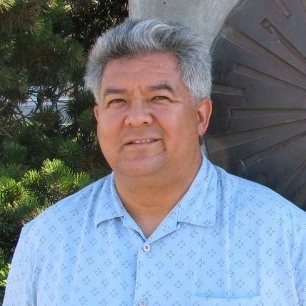
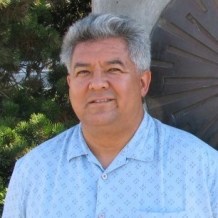 1. What was your first role at King County? My first role at King County was working as a Utility Worker at the West Point Treatment Plant. When I started in 1981, wastewater treatment was part of the Water Pollution Control Department for the Municipality of Metropolitan Seattle (METRO).
2. What does an Assistant Plant Manager at West Point Treatment Plan do? I am one of two Assistant Plant Managers for the West Point Treatment Plant and conveyance system in the West Section. My primary role is to assist in managing the operation, maintenance, and administration of the conveyance system. The West Section conveyance system includes 23 pump stations, 25 regulator and outfall stations, 3 Combined Sewer Overflow (CSO) treatment plants, and a number of other CSO storage and odor control facilities. The West conveyance system is a combined system, so it carries both sewer and stormwater to the West Point Treatment Plant that can overflow during rainfall events. The County is implementing a plan to substantially reduce overflows of sewage-contaminated stormwater (CSO) into Puget Sound and other area waterbodies. I have the opportunity to work with multidisciplinary teams CSO control projects that will significantly benefit the environment and health of King County residents.
Share this:

Kudos! Public Health nurse receives Shining Star award


Christina Enriquez (left) receives the Shining Star award from KCNA Vice President Deborah Greenleaf.
The King County Nurses Association selected Christina Enriquez (pictured left) from the Auburn Public Health Center as one of its two Shining Star Award recipients at the 2015 Annual Meeting & Spring Banquet on May 7.
The KCNA presents annual awards to nurses who demonstrate excellence in their areas of practice or contribute significantly to the nursing profession.
In recognizing Christina, the KCNA noted that “Christina Enriquez has been a nurse at Auburn Public Health for 29 years, providing maternity support services and infant case management, including services to Child Protective Services (CPS) clients and weekly clinics at Muckleshoot Indian Reservation. During the summer of 2014, Christina worked tirelessly to advocate for her clients after King County announced proposed closure of four public health clinics, including Auburn’s. She organized rallies, collected petitions, reached out to community partners, and attended city council meetings, all during her “off” hours and while helping to care for grandchildren and her elderly mother. Progress was made, and the clinic was saved. A colleague says about Christina, “She is a dedicated nurse with a big heart, an advocate with a passion for all that she does, and a friend who is genuine, caring and fun.””






 Employee News