
Search and Rescue completes avalanche recovery training


Earlier this month, members of the Sheriff’s Office Search and Rescue team completed a comprehensive avalanche recovery and rescue training exercise above the Crystal Mountain Ski Area. The team is comprised of King County deputies and King County Medic One paramedics.
Team members hiked to an area southeast of the ski area, made camp, then deployed on various nighttime rescue scenarios. Included in the exercise was searching an avalanche chute for two missing persons for recovery. In this scenario, a victim needed to be dug out of the snow, medically evaluated, and transported to the base camp using rescue rigging.

Once the Search and Rescue team completed their exercises, the members slept at the base camp in tents or hand-built survival shelters before descending the mountain the following morning.
Members then met Sheriff Cole-Tindall, Undersheriff Anderson, CID Chief Olmsted, and Captain Dauber at the Greenwater Fire Station to discuss the training over breakfast.
While these are extreme conditions to undergo an exercise — temperatures overnight were in the low teens to single digits — the importance of these exercises helps to prepare for unexpected rescues in the event of an emergency.
Share this:

Restrictions on in-person work to end for remote workers
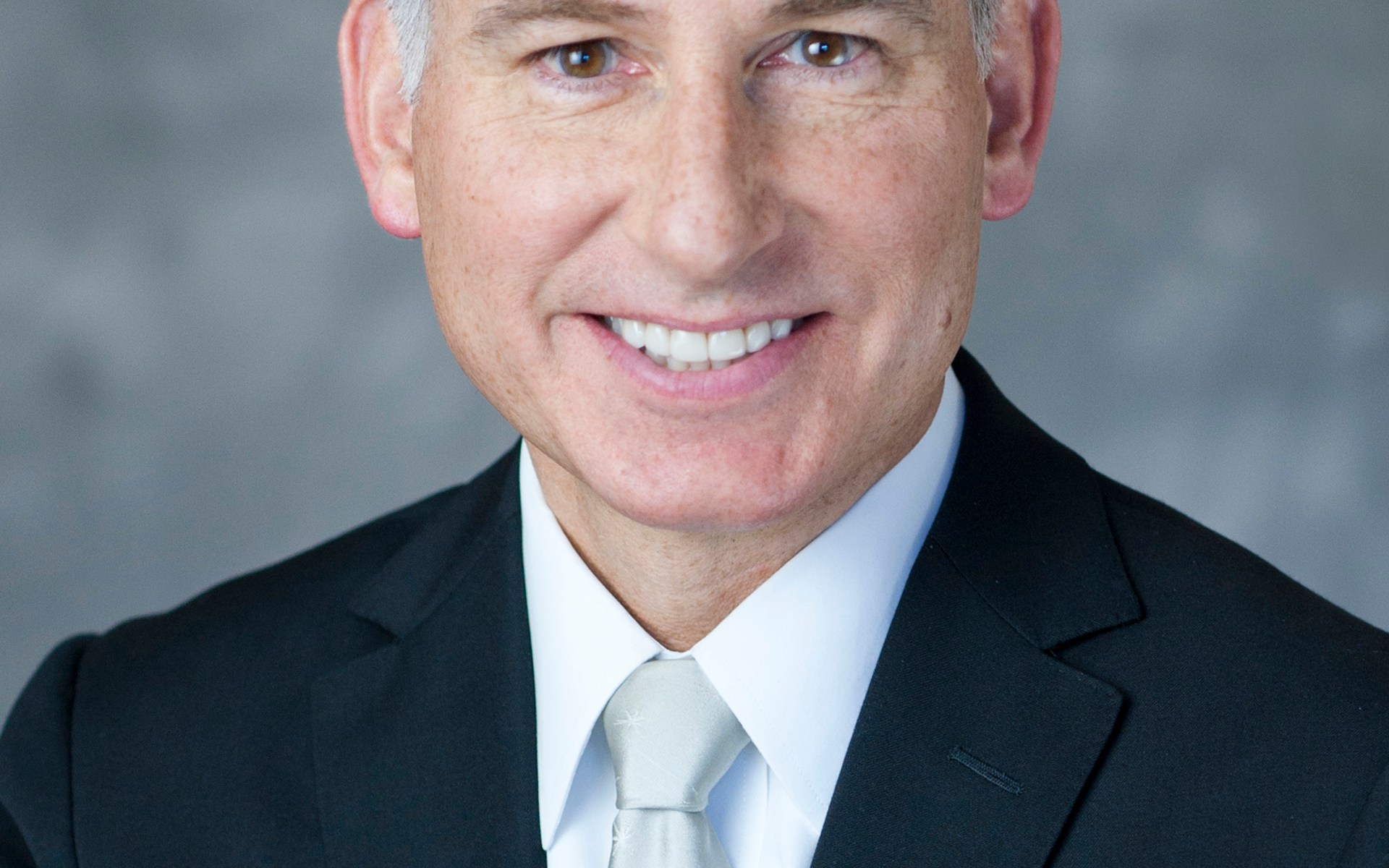
By Dow Constantine, King County Executive
For almost two years, approximately one-third of our workforce has been working remotely as we fought to slow the spread of COVID-19. Remote work, where possible, has allowed us to continue to deliver our important services to the community while helping to minimize risk for the two-thirds of employees who have been working onsite and in-person throughout the pandemic.
Thanks to our vaccine mandate and the success of the booster program, and other precautions King County employees and residents have taken, COVID-19 cases are trending downwards, the risk of serious infection is falling, and we are beginning to emerge from the Omicron phase of the pandemic. This allows us to start lifting some of the COVID-19 restrictions we’ve had in place for many months.
I have maintained throughout the pandemic that in-person work for those able to work remotely will only recommence when it is safe to do so, facilities and equipment are ready, and the need from our customers is there. After consulting with Public Health – Seattle & King County and other regional leaders, I am removing restrictions on in-person work for remote workers, effective March 1. In-person meetings and events may also recommence with proper precautions.
Starting March 1, employees must wear a mask in indoor settings and enclosed spaces that are accessible to the public, regardless of vaccination status. This applies to all King County buildings, facilities, and structures that the public can enter, including public lobby and meeting spaces, public indoor recreation spaces, public service counters, and similar spaces open to the public. In areas that are not accessible to the public, employees who are fully vaccinated may remove their mask while indoors. We encourage and support anyone who wants to keep wearing a mask indoors. Masks remain required in congregate settings and health care facilities, including detention facilities and public health clinics.
This change does not mean that everyone must return to their worksites on March 1. It is the first step in the gradual transition to our post-pandemic Future of Work model for delivering services. Departments are now beginning to implement their Future of Work plans, which set out how services will be delivered moving forward, whether that’s in-person, remotely, or a hybrid of both. Your workgroup may be moving to a new building, site, or floor. In the coming days, department leaders will share the plans and expectations for your teams and operations, and these will vary from team to team across the county. For more information about Future of Work plans, please visit our Future of Work intranet site.
One thing we have learned in this pandemic is that conditions can quickly change, and I will not hesitate to reintroduce restrictions if warranted. We are learning to be nimble and must remain vigilant in the face of this virus.
We have learned a lot about the different ways we can operate and deliver services throughout the pandemic, and I am grateful for your ongoing hard work, resilience, flexibility, and commitment to our customers, whether you have been working in-person or remotely. I am thankful that we have now reached a point where we can begin to lift restrictions and look ahead to enjoying many of the activities we used to take for granted.
Please take care of yourself and continue to take measures to keep you, your family, and our community as safe as possible.
Share this:

Department of Adult & Juvenile Detention protective measures reduce Omicron outbreak and ensure safety

 In response to recent COVID-19 impacts stemming from the Omicron surge, the Department of Adult & Juvenile Detention has prioritized key actions related to the health and safety of employees and people in custody by continuing to maintain modified visitation polices, booking restrictions, and PPE requirements that have been in place since early in the pandemic.
See the full news release here.
Share this:

King County receives Crown Communities Award

 American City & County has presented King County with the 2021 Crown Communities Award in recognition for efforts in the fight against COVID-19.
This award is testament to the hard work and dedicated service of the employees, community partners and the people of King County. Click here to read the full story.
Share this:

Youth-produced videos about importance of vaccines for children and young people

King County’s COVID-19 and Health Equity Training and Capacity Building Program works with young people to educate their peers and parents / guardians about COVID and the COVID Vaccine.
Magdalene and Yuhaniz are two young people who have worked with PHSKC for seven years doing peer and near-to-peer education on vaccines. They created and produced the following social media videos to support this work with an online strategy that connects well with young people and parents.
Watch the videos below to learn more and share on your own social media networks if you choose:
- This first video about the importance of 12 to 17 year olds getting vaccinated was produced and created by young people for young people. Getting vaccinated protects young people from getting and spreading COVID-19. Watch and share on Facebook and Instagram.
- This second video was also produced and created by young people, and is geared to parents and guardians of 5 to 11 year olds to discuss how critical it is to get children vaccinated. Watch and share on Facebook and Instagram.
Share this:

Wastewater could be a great career for you

 Cross-posted from Clean Water Stories
Wastewater operators watch over large and complex industrial equipment and the flows going through them – from both on-the-ground and from computer monitoring systems. They check readings and take water samples to make sure things are running smoothly – troubleshooting when necessary. They often work as part of a crew, as well as with a larger team.
Good operators are hard to find – and desperately needed. They don’t need a college degree or any experience in wastewater, and King County offers an on-the-job training program. Read more here about this innovative approach to recruiting new hires.
Share this:

Honoring Transit Equity Day

 Cross-posted from Metro Matters
Metro recently recognized the birthday of civil rights hero Rosa Parks. Her quiet act of defiance – refusing to give up her seat on a Montgomery, Alabama, bus to a white man in 1955 – is one of the iconic moments in the breaking down of segregation in the south and throughout America.
It led to the Montgomery bus boycott, directed by a young pastor, Martin Luther King, Jr. Read more about Transit Equity Day here.
Share this:

At the Clothing Shop, youth and their families pick out new looks — for free
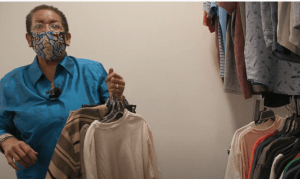 Cross-posted from King County Superior Court
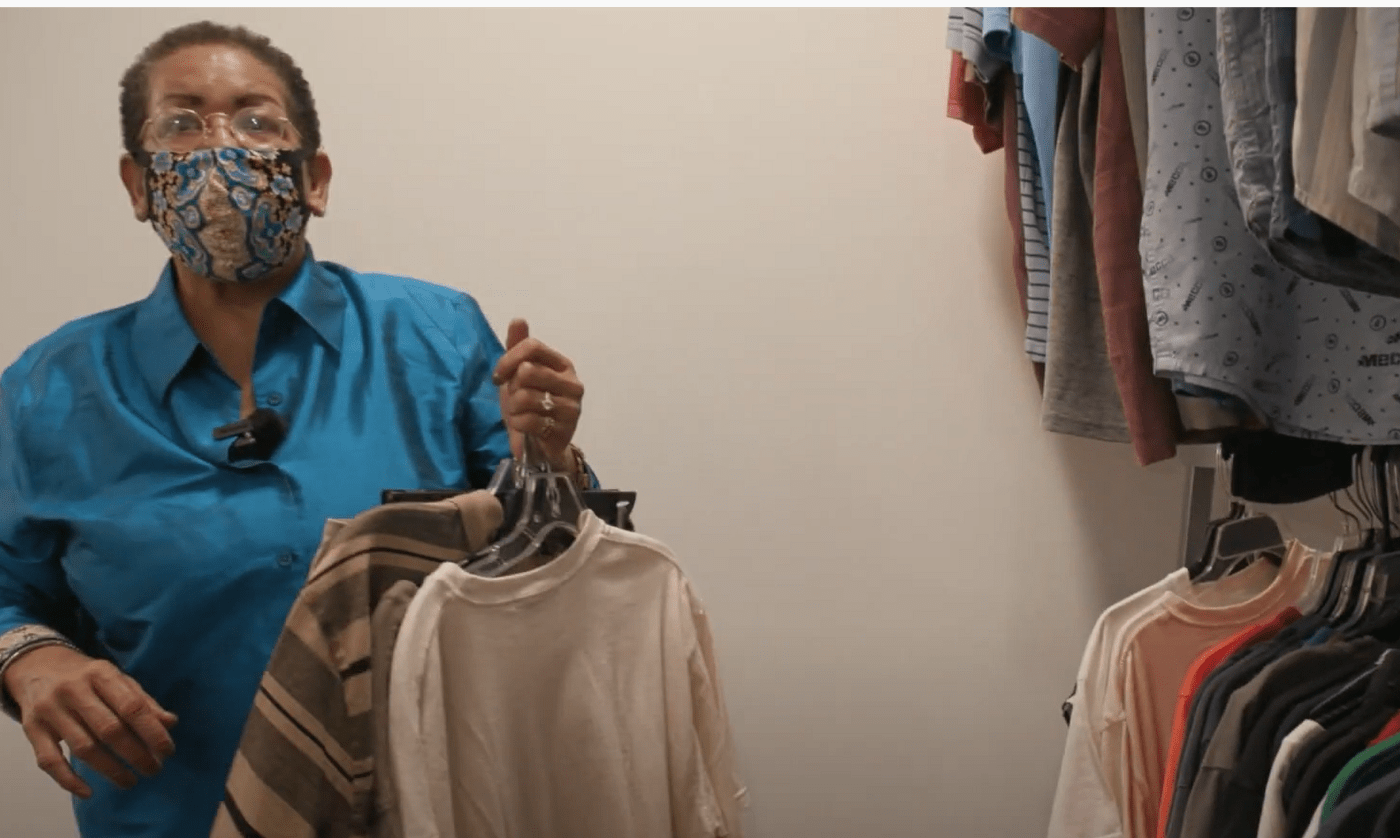
The Clothing Shop is a resource for youth and their families who are involved with the juvenile justice system, as well as any youth in need.
The Clothing Shop is set up like a boutique. Garments are hung by style, size and color. The only difference is all the merchandise is free. Young people who need an outfit for a job interview, or to go to court, or even just freshen up their wardrobe can come in and pick out what they want.
Click here to read the full story and see a video about the program.
Share this:

King County Deferred Compensation Board seeks employee representative

The King County Employees Deferred Compensation Plan Board is seeking an applicant to fill an open position on the Board. The position is open to current King County employees who are participating in the Employees Deferred Compensation Plan. The term for this position is three years and runs through December 31, 2024.
The plan is governed by a nine-member Board, including seven who are current employees and two who are retired. Board expereince is not required, but they Board is looking for a new member who has one or more of the following qualities:
- An interest in personal finance and investing and a desire to learn more
- A commitment to King County’s Equity and Social Justice initiative
- A willingness to engage with fellow employees about the Employees Deferred Compensation Plan
- Comfortable representing the interests of plan participants
-
Experience in a variety of King County work environments, especially frontline and direct service
-
A work location outside the Seattle civic campus and access to a phone or video conference line
-
Fewer than five years of service with King County
Applications must be received by March 14, 2022.
If you have an interest in this position, email KCDeferredcomp@kingcounty.gov for an application. If you have any questions or need additional information, please visit the website Deferred Compensation Plan – King County or contact the plan coordinator, Osceola “O.C.” Collier, at 206-263-9250 or KCDeferredcomp@kingcounty.gov.
Share this:

Health Hero Kanesa Monroe balances work and parenting in the pandemic

 During Black History Month, Balanced You is excited to recognize our many talented Black employees in different bodies of work around the county. Health Hero, Kanesa Monroe, is a single mother and a LAN Administrator Journey with KCIT.
In this video, she talks about working on the onboarding management system, while juggling being a mom and making sure her daughter gets the attention she needs. Click here to watch the video to learn more of Kanesa’s story and hear her advice to all parents who are working from home during the pandemic.






 Employee News